Acting
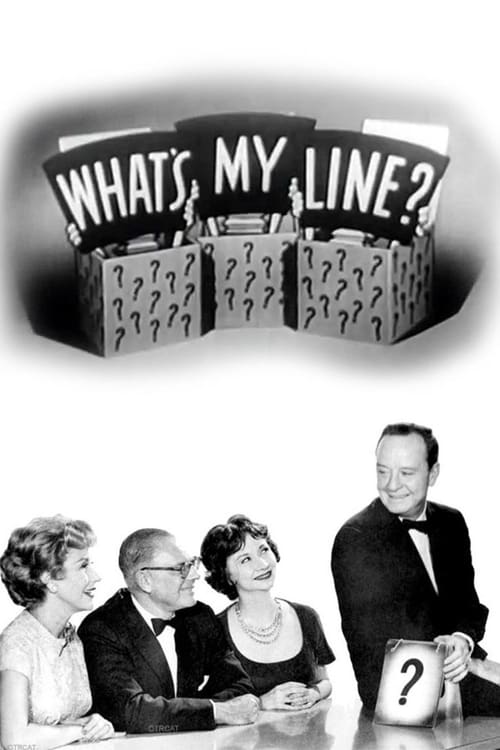
Four panelists must determine guests' occupations - and, in the case of famous guests, while blindfolded, their identity - by asking only "yes" or "no" questions.
No description available.
The Kennedy Center Honors is an annual honor given to those in the performing arts for their lifetime of contributions to American culture.
“The Bell Telephone Hour” was a musical variety show that aired on “NBC” TV from 12 January 1959 to 14 June 1968 that showcased the best in Broadway, Classical, Concert, Jazz and Popular music each week. The series had its’ own house band appropriately named the “Bell Telephone Orchestra”. The show also had its’ own theme song being the “Bell Waltz” composed by “Donald Voorhees” who was also the show's Orchestra conductor. Some of the greatest violinists of the 1960’s performed on this show that aired in the old “Black & White” format. Some of these great violinists included “Erica Mornin”, “Isaac Stern", "Michael Rabin", "Ruggiero Ricci", "Yehudi Menuhin" and "Zino Francesacatti". From time to time some of the great singers and bandleaders of the 1960’s would perform on the show as well. Some of these were “Bing Crosby”, “Gordon MacRae”, “John Gary”, “Leslie Uggams”, “Mary Martin”, “Nelson Eddy”, “Patti Page” and “Roy Rogers”. The TV show followed on the heels of its’ predecessor with the same name on “NBC” radio that aired from 29 April 1940 to 1958 on Monday nights at 8 PM. The name of the show was derived from its’ Major sponsor “Bell Telephone Laboratories”. The TV version began airing on Friday nights at 8:30 PM once a month. It later was given it’s same time slot now airing every other week alternating with another show on the other weeks such as News shows and specials. The show time slot changed quite often over the years. In September 1960 it aired at 9 PM and in September 1961 it moved to 9:30 PM. In October 1963 it moved to Tuesday nights at 10 PM, September 1965 it moved to Sunday night at 6:30 PM and in September 1967 it made its' final move back to Friday night at 10 PM.
Since premiering in 1976, the landmark series has sought to democratize the world of the performing arts by making Lincoln Center's historic concerts and events available for public broadcast across the country. And it continues to push the boundaries, both technical and creative, of what is possible in the realm of stage performance capture.
After spending 10 years abroad, Russian composer and pianist Sergei Prokofiev travels back home for the first time in 1927, on invitation from the Soviet Union. Details of the trip were kept in his personal diary, discovered in 1989, with which this film begins. As a turning point in his life, the journey was the catalyst that led to his ultimate return and settling back in his homeland in 1936, the tragic consequences of which were yet to be known. With both professional and personal problems that ensued until his early death in 1953, this film reveals Prokofiev’s musical genius and his human failings. Contributors include his son Sviatoslav and Soviet cultural bureaucrat Tichon Chrenikov, Valery Gergiev, and Karen Khachaturian.
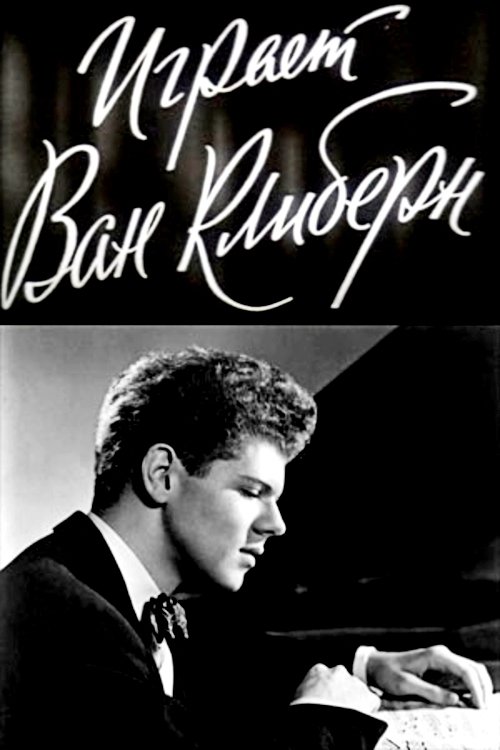
Acclaimed American pianist Van Cliburn comes back to Moscow for another sold-out concert.
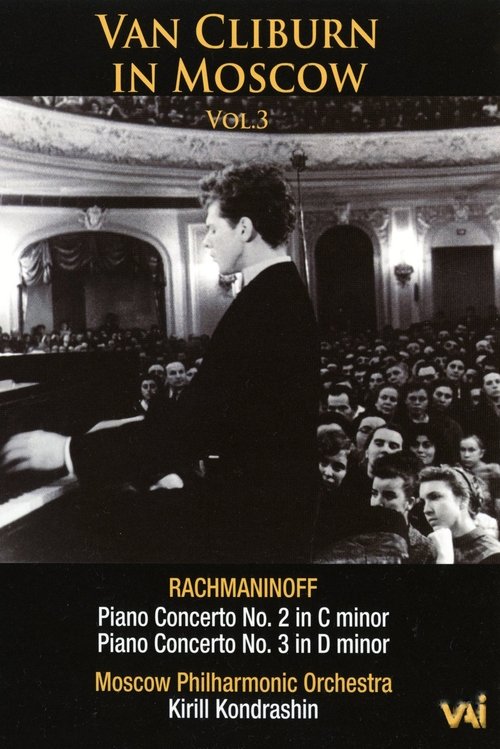
The pianist performs works by Rachmaninoff and Schumann/Liszt in these 1958 and 1972 live performances at the Big Hall of the Moscow Conservatory with the Moscow Philharmonic conducted by Kyrill Kondrashin.
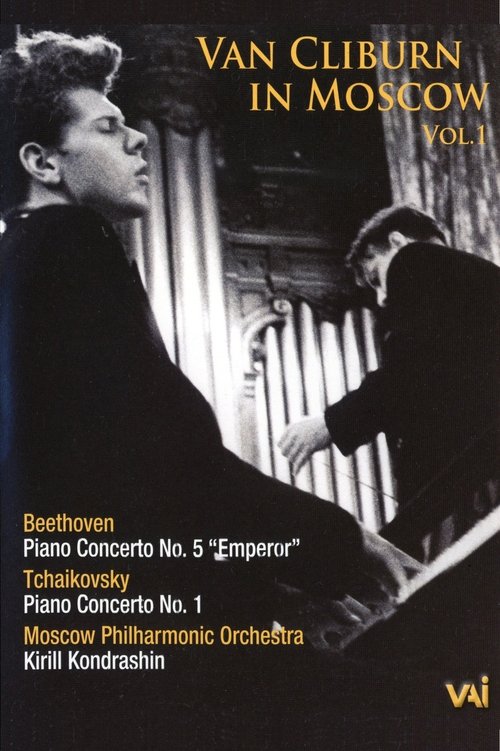
The pianist performs works by Beethoven, Tchaikovsky, Chopin, and Liszt live in 1962 at the Big Hall of the Moscow Conservatory with the Moscow Philharmonic conducted by Kyrill Kondrashin.
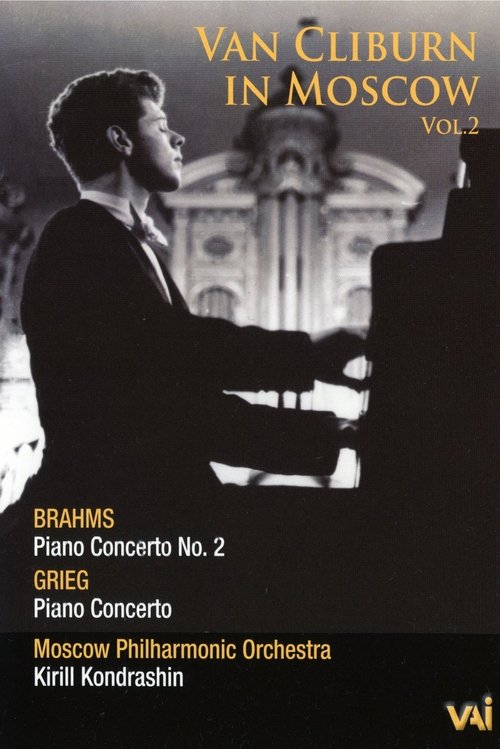
The pianist performs works by Grieg and Brahms in this 1972 concert in the Big Hall of the Moscow Conservatory with the Moscow Philharmonic conducted by Kyrill Kondrashin.
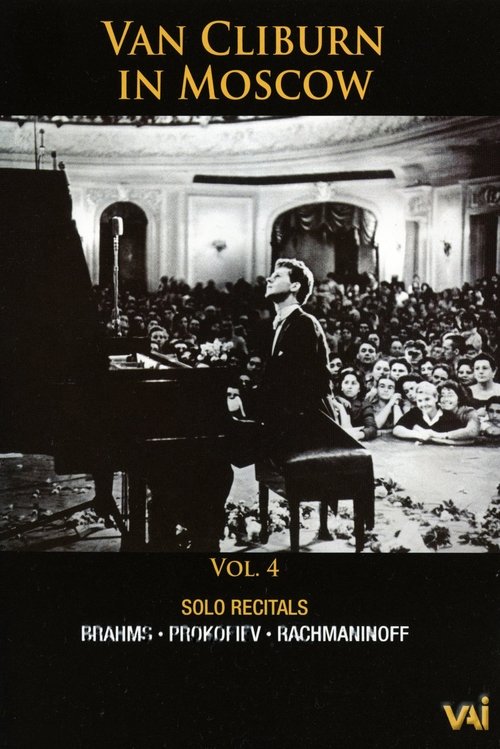
The pianist performs works by Brahms, Prokofiev, and Rachmaninoff in these 1972 and 1960 live performances at the Big Hall of the Moscow Conservatory.
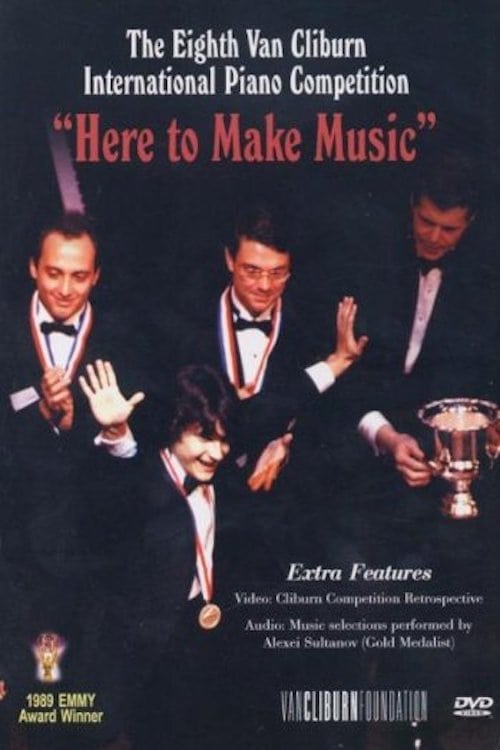
Emmy Award winning documentary, directed by Peter Rosen, about the Eighth Van Cliburn International Piano Competition in 1989, featuring interviews with the contestants and jurists, and footage from rehearsals and performances, including by competition winner Alexei Sultanov.
An awards show honoring the achievements of the members of the professional music recording industry. The members of the Recording Academy vote on who they think is most deserving of an award in 108 categories as specified by the academy.