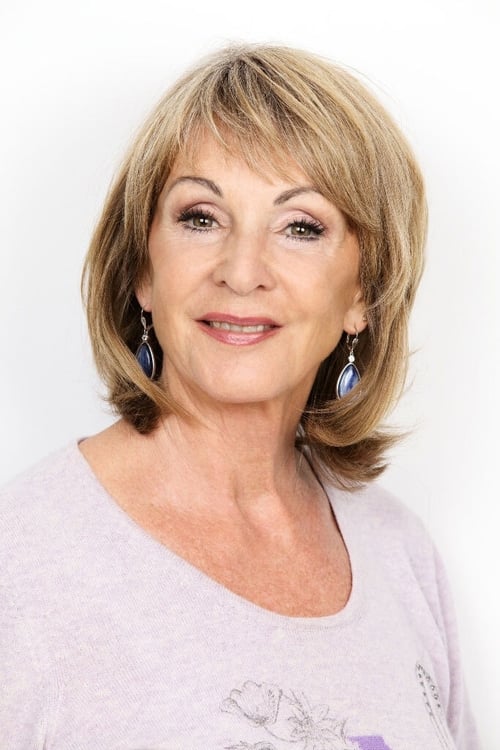
Uta Schorn
Acting
Known For

Every evening at 6:45 p.m. sharp, a prominent guest takes a seat on the red sofa—and DAS! provides daily updates on what's hot in the north.
DAS!
Polizeiruf 110 is a long-running German language detective television series. The first episode was broadcast 27 June 1971 in the German Democratic Republic, and after the dissolution of Fernsehen der DDR the series was picked up by ARD. It was originally created as a counterpart to the West German series Tatort, and quickly became a public favorite.
Polizeiruf 110
No description available.
MDR um 4
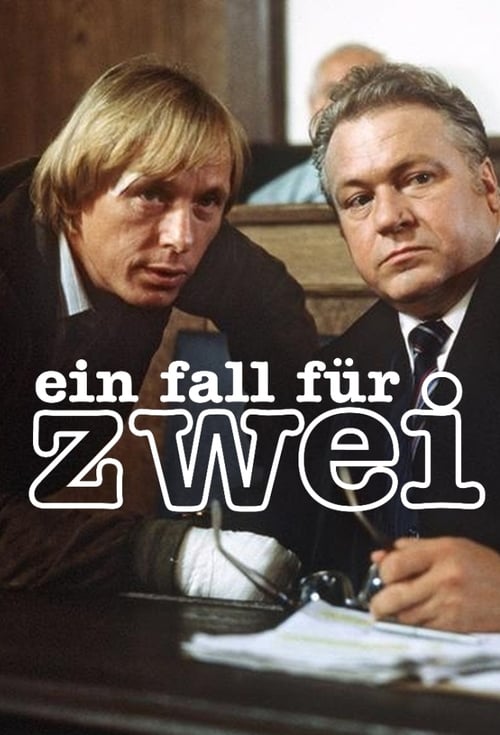
Ein Fall für zwei is a German television series, which premiered on September 11, 1981 on ZDF. The series, located in Frankfurt am Main, features two main characters who solve crimes: a defense attorney and a private investigator. Josef Matula, a former German police officer, has gone into private business. His method of investigation is very effective and direct, and he sometimes even resorts to dirty tricks. Claus Theo Gärtner has portrayed the role since the start of the series.
A Case For Two

No description available.
Riverboat
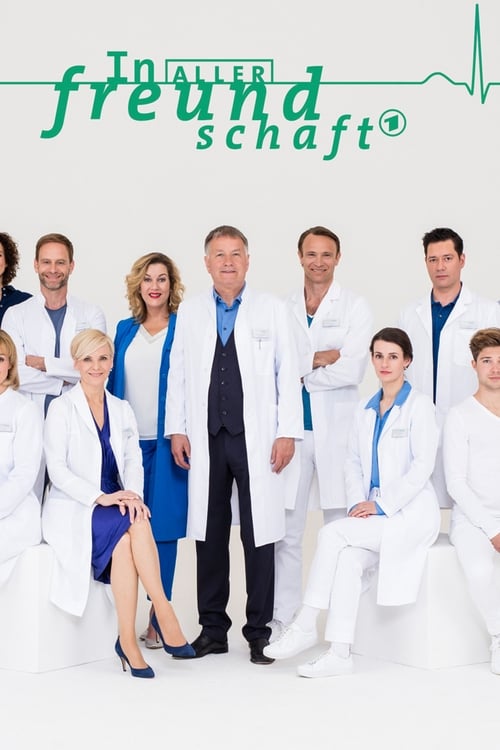
German soap opera about the staff of the fictional hospital "Sachsenklinik" in the city of Leipzig.
In aller Freundschaft
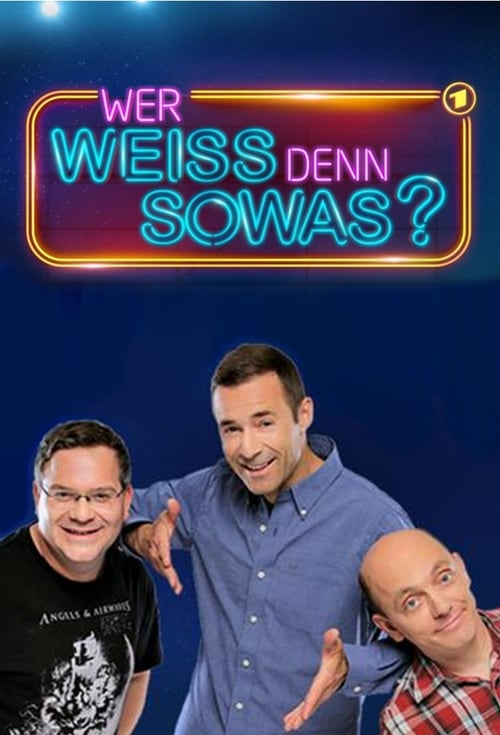
No description available.
Wer weiß denn sowas?

The series is about a cruise ship that travels to places around the world.
Das Traumschiff
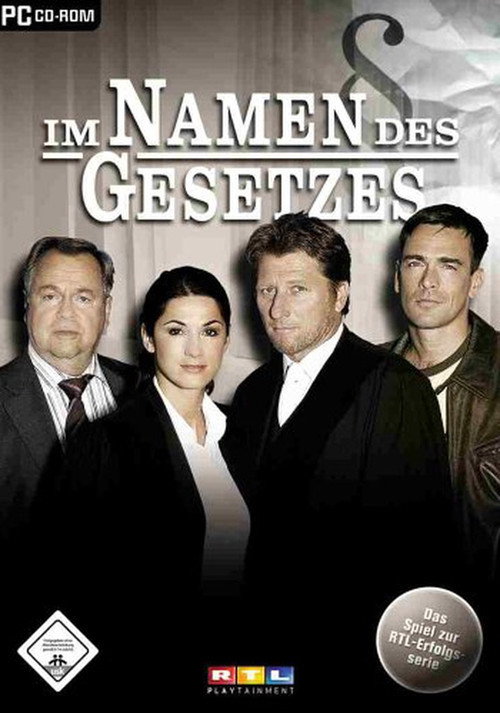
No description available.
Im Namen des Gesetzes
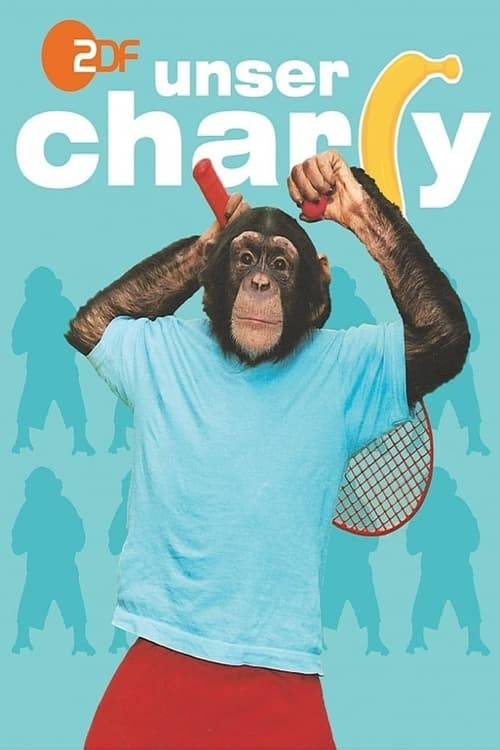
The exciting stories about the cheeky chimpanzee Charly, who finds a new home with a Berlin vet family.
Unser Charly
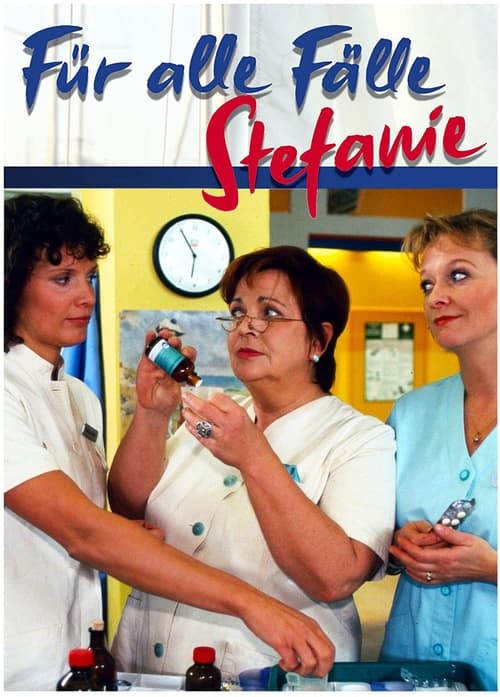
Für alle Fälle Stefanie is an German medical drama television series created by Werner Krämer that aired on Sat.1 from May 15, 2005 to August 29, 2005. It was produced by Novafilm Fernsehproduktion. Für alle Fälle Stefanie follows the professional and personal life of nurse Stefanie Engel, then Stephanie Wilde and for a short time Fanny 'Stephanie' Stephan. The show was a giant success for the network and had around seven, in later years, five million viewers on a weekly basis. It won the Goldene Kamera award in 1997 and the Bavarian TV Award in 1996.
Für alle Fälle Stefanie
Der Staatsanwalt hat das Wort was an East German television series.
Der Staatsanwalt hat das Wort
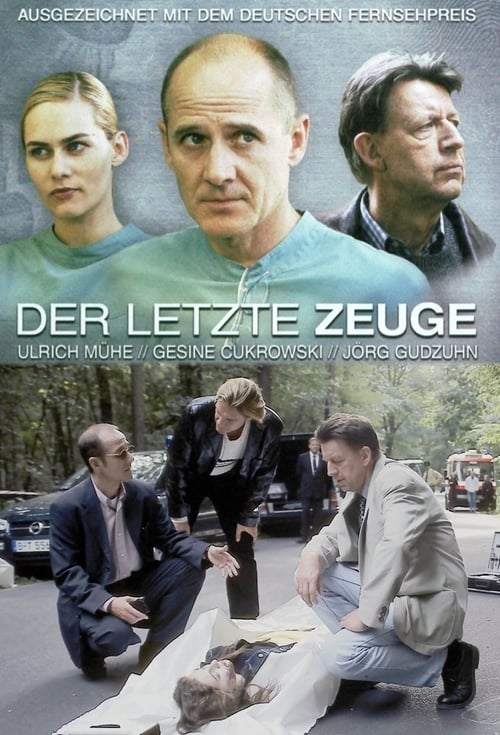
No description available.
Der letzte Zeuge
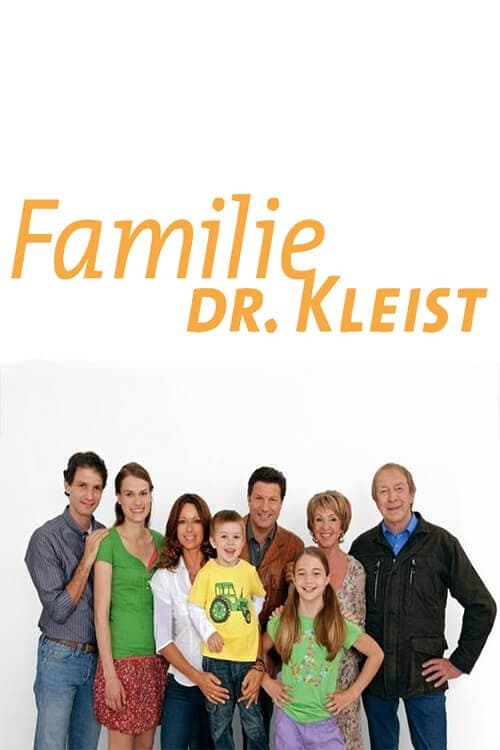
Examining different species of animals as they grow to adulthood and learn life lessons that are sometimes difficult.
Family Dr. Kleist
No description available.
Fakt ist!
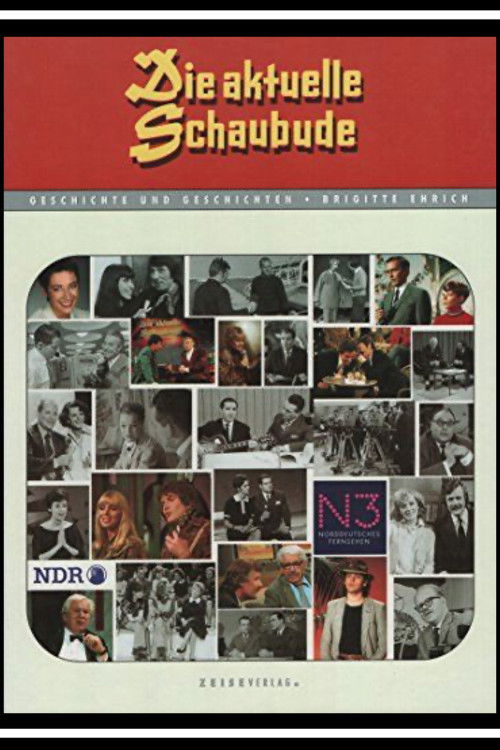
No description available.
Aktuelle Schaubude
The show was meant to compete with those on West German television. To this end it was fairly successful even attracting a following in parts of West Germany which could receive Eastern TV. Its production values were high. Apart from song and dance numbers and appearances from East German celebrities, almost every broadcast featured well-known stars from the west, often after their popularity had peaked in their home countries.
Ein Kessel Buntes
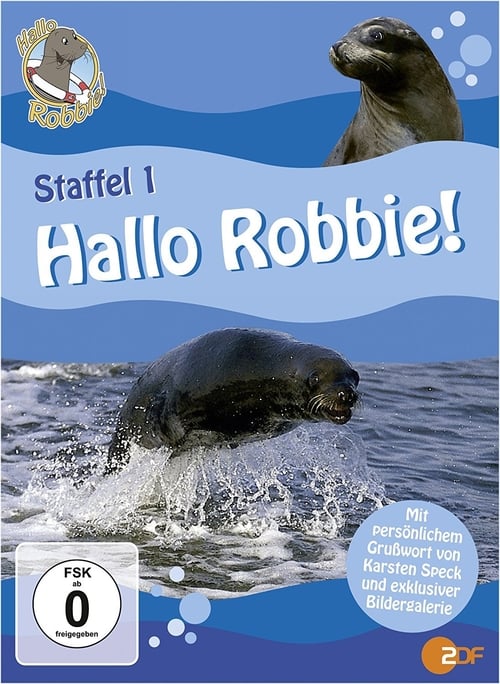
Hallo Robbie! is a German television series.
Hallo Robbie!
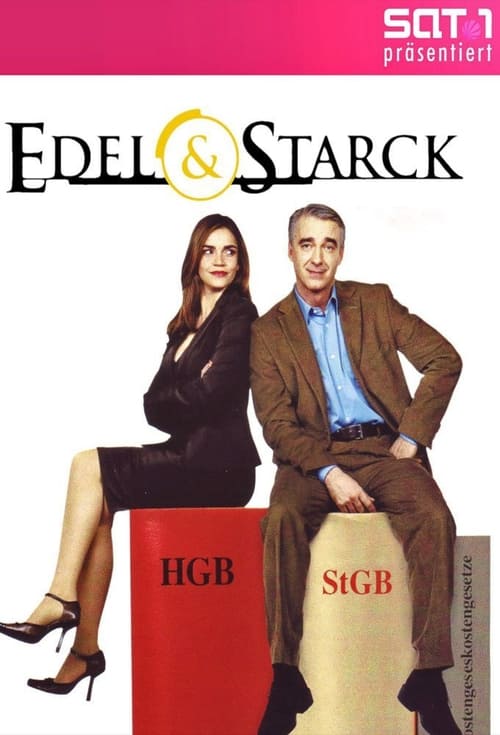
No description available.
Edel & Starck
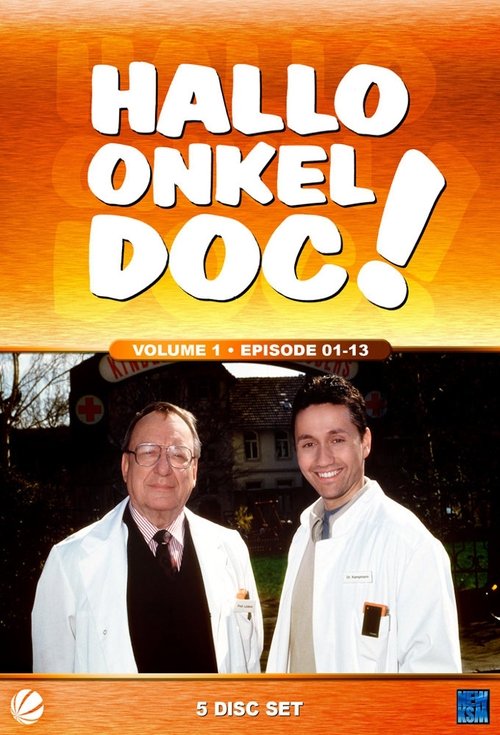
No description available.