Acting
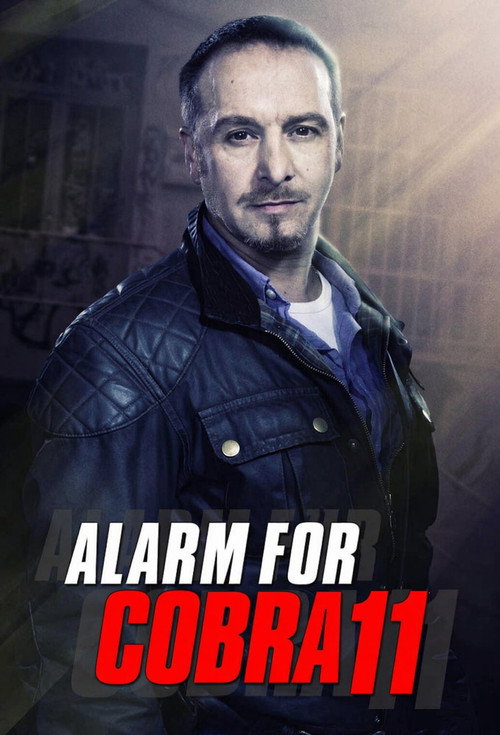
A long-running German television series about a two-man team of highway police, originally set in Berlin and later in North Rhine-Westphalia.
Railway-related documentary covering modern railway systems, museum railways and their facilities as well as items on model railway layouts. Politics and criticism is not left out; the series reports on closures, controversial model ideas, delays to reconstruction plans or smart commuter transport concepts.
German soap opera about the staff of the fictional hospital "Sachsenklinik" in the city of Leipzig.
The spin-off to the original series 'In aller Freundschaft' focuses on the young doctors in a fictional clinic in Erfurt. In this emotional drama series, hospital staffers and patients navigate life's challenges.
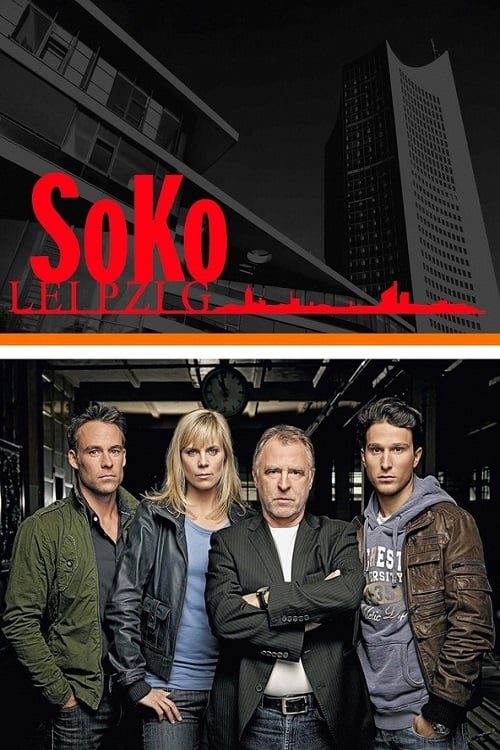
SOKO Leipzig is a German police procedural television programme, a spin-off of the earlier German police programme SOKO 5113. It was first broadcast on 31 January 2001, on German television channel ZDF. On 12 November 2008, the first part of a two-part crossover between SOKO Leipzig and British police procedural The Bill was aired, with the same version being shown on both ZDF and British television channel ITV1.
Polizeiruf 110 is a long-running German language detective television series. The first episode was broadcast 27 June 1971 in the German Democratic Republic, and after the dissolution of Fernsehen der DDR the series was picked up by ARD. It was originally created as a counterpart to the West German series Tatort, and quickly became a public favorite.
No description available.
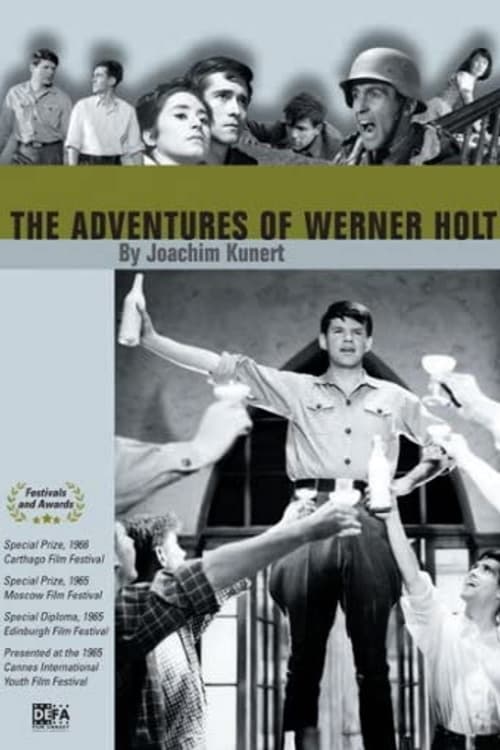
Two 17-year-olds, Werner Holt and Gilbert Wolzow, are pulled out of school and into Hitler's army. Gilbert becomes a fanatical soldier; but at the front, Werner begins to understand the senselessness of war.
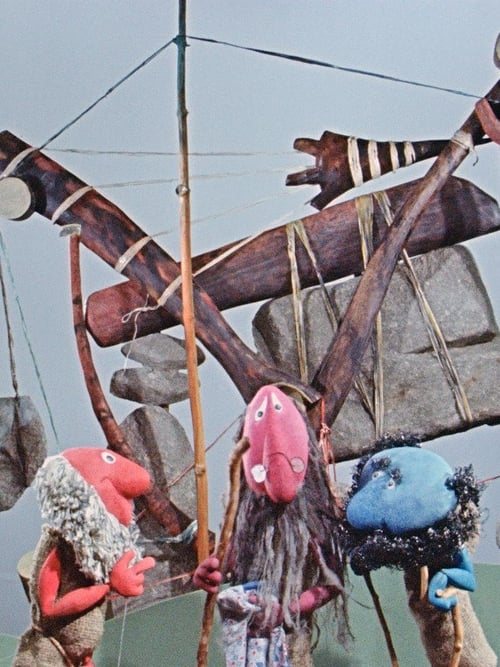
The invention of the chariot seems too daring for the Neanderthal experts. In collective consultation, they decide to reinvent the dugout canoe that has been known for ages. For this reason, the Neanderthals had to hump their way through life for quite a while.
Germany at the end of World War II: Teacher Grübler lives in a small village in the Ore Mountains together with his 15-year old son Wolfgang. At school, the dutiful Grübler, a member of the NSDAP, teaches his pupils to volunteer for military service, but when his own son volunteers for the Waffen SS, he is nevertheless shocked and fears for his boy′s life. But Wolfgang starts to hate his father for his doubts: He thinks his father is a coward. In his desperation, Grübler chains and kidnaps his son to hide him in a dugout in the forest until the end of the war. In their shelter, father and son are fighting bitterly but when the Nazis who still believe in the "Endsieg" discover their hideout, Grübler sacrifices his life to save Wolfgang.
University ice-sailing trainees face a hostel fire when caretaker Krenzel rescues Captain Klaus’s swapped suitcase, barring him from travel due to a stolen Hogarth print inside. X-rays reveal a hidden engraving; detectives Hübner and Lindt expose forger Sander and Krenzel. After Krenzel’s sabotage fails and both are arrested, Klaus is exonerated and rejoins his team for the international regatta.
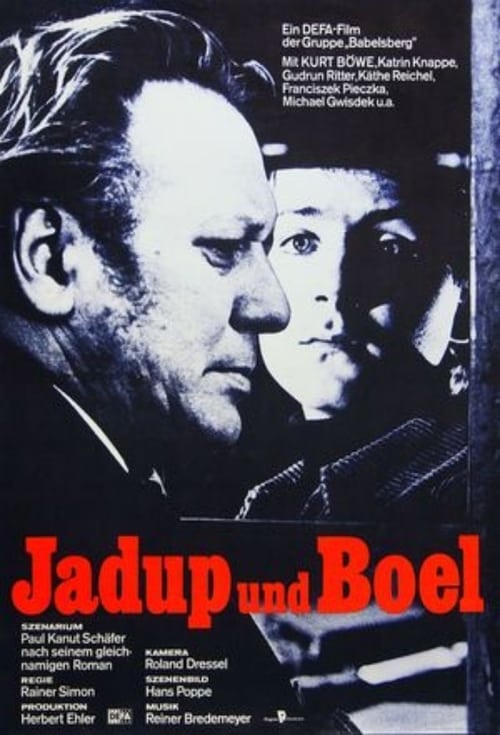
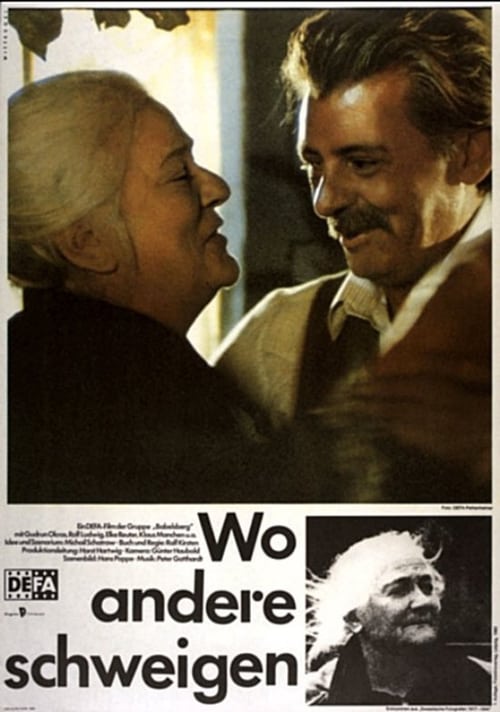
In a small town, everyone has tried to forget what happened shortly after WWII. That is, until a stranger finds a book that Jadup (Kurt Böwe) gave to the young refugee Boel (Katrin Knappe), who resettled in the town over 30 years ago. Painful memories about Boel and the post-war period begin to surface and shake up the whole town. Boel vanished back then and nobody knew why. Word spread about a rape and some tried to blame a Russian soldier. Jadup, the town's respected and popular mayor, remembers, though, how he mistrusted Boel and did not help her through this difficult time; HE didn't even notice THAT Boel loved him. Jadup's confrontation with the past gives him a new, critical view of his current situation and surroundings.
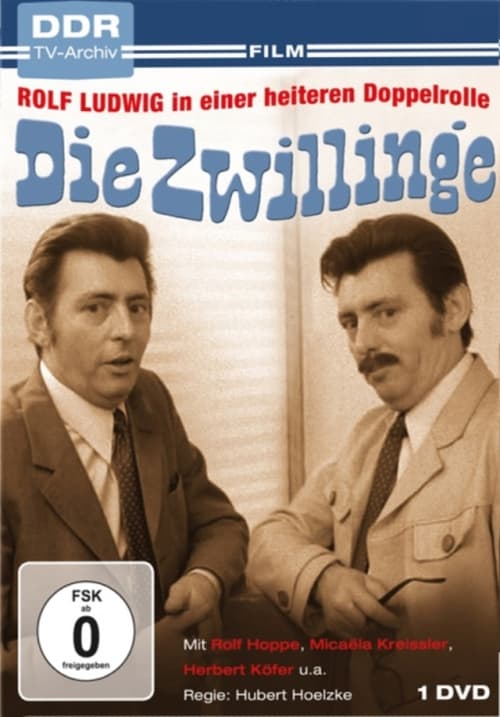
When twin brothers Georg and Steffen look a little too deeply into their glasses one day, they decide to swap roles for 14 days. Georg is the manager of a large department store and Steffen is a writer. The two experience bizarre situations: The department store director is adored by a saleswoman with a passion for literature and has to report on his literary work as the guest of honor at a brigade meeting. He is also short of ideas for the lively stories he is supposed to write. The writer, on the other hand, is not very familiar with the bureaucratic customs of running a department store. He allows all the sales assistants to take their housekeeping day at once, approves 3,000 marks for decoration purposes and approves of all departments of the department store being open until 8pm.
Ten days in the life of socialist politician Clara Zetkin. In August 1932, she is summoned from Archangelskoje near Moskow to open the new legislative session because at seventy-five, she is the oldest representative in the German Reichstag. Although she is ill and almost blind, she see this as her chance to make her voice heard amid the growing Nazi influence in Germany.
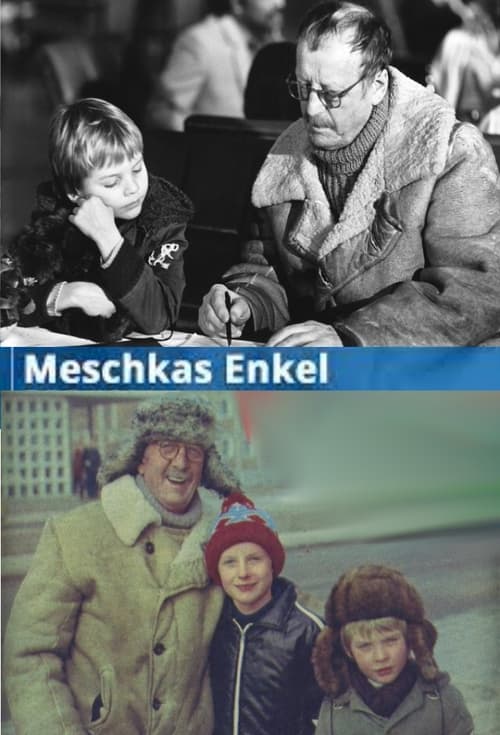
Eight-year-old Christian lives with his grandparents after the death of his mother. When his grandmother falls ill, grandfather Meschka wants to take the boy to live with his aunt at the Baltic Sea. But Christian is against it. On the trip, the two develop a new relationship that changes everything.
When the hare stumbles over the sleeping hedgehog one Sunday morning, an argument ensues. The insulting word "crooked leg" is uttered. In his distress, the hedgehog develops the idea of a joint race. The hedgehog and his wife prove to the imaginary hare that the wiser laughs last.