Directing
Tatort is a long-running German/Austrian/Swiss crime television series set in various parts of these countries. The show is broadcast on the channels of ARD in Germany, ORF in Austria and SF1 in Switzerland.
Polizeiruf 110 is a long-running German language detective television series. The first episode was broadcast 27 June 1971 in the German Democratic Republic, and after the dissolution of Fernsehen der DDR the series was picked up by ARD. It was originally created as a counterpart to the West German series Tatort, and quickly became a public favorite.
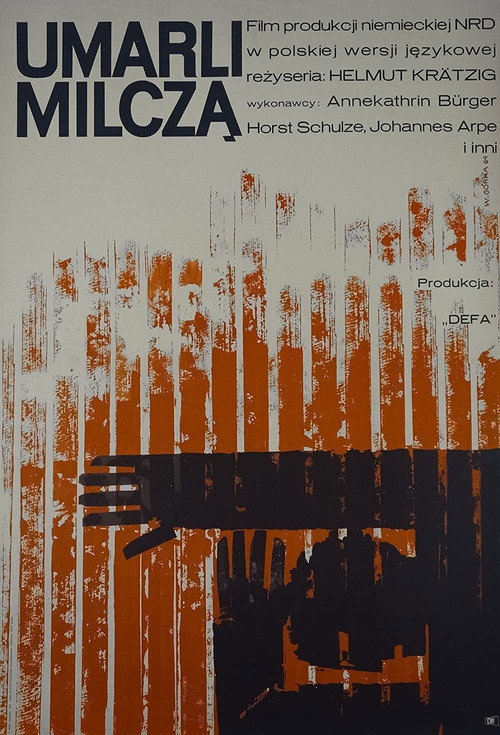
After Elmers, the head of the publishing house, is reported missing, his son-in-law Jürgen Brandt is targeted by the Hamburg criminal police. Inspector Graumann and his assistant Weber presume murder. The suspicion against editor-in-chief Brandt is confirmed by the fact that he is incriminated by the testimony of several witnesses. At a press conference, Brandt claims that the Elmers murder case was staged only to exonerate the innocently convicted family man, Parsetti. But to Brandt's horror, Elmer's body is actually found.
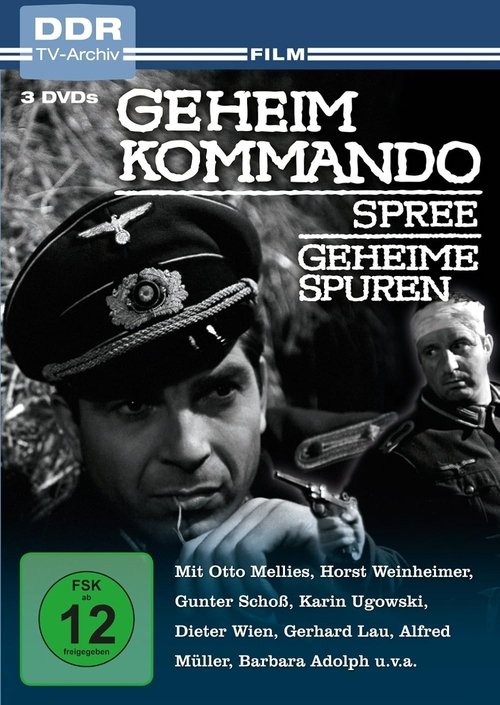
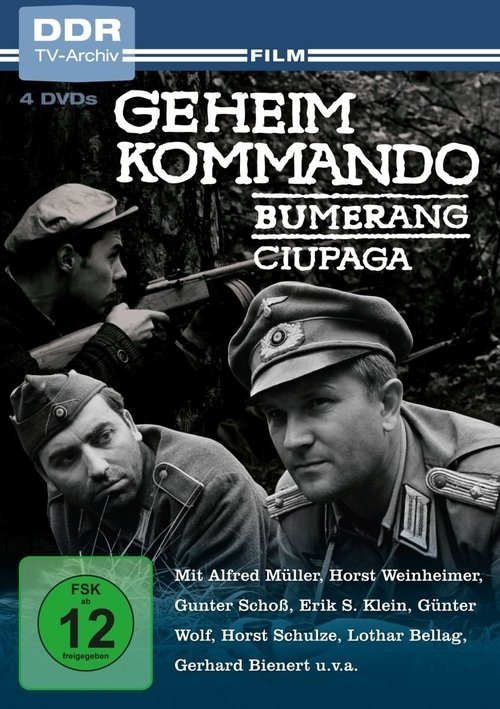
Three members of the National Committee Free Germany form a secret commando that comes to Berlin from Minsk to take up the fight against the SS in the last days before the end of the war.
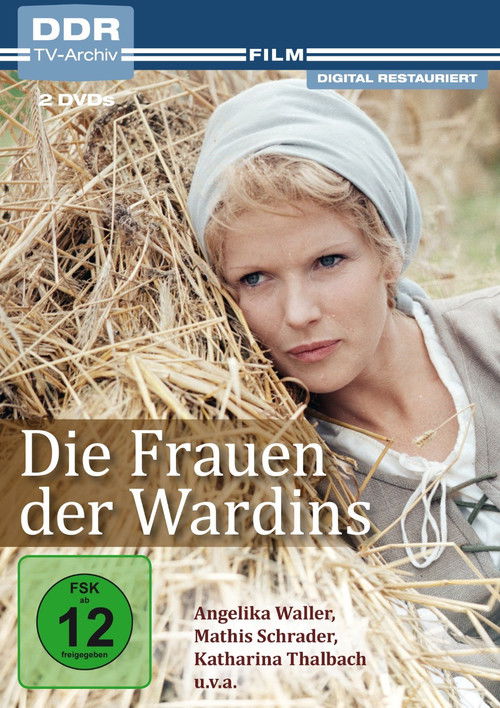
The chronicle of a farming family from the village of Barnekow in the Mark Brandenburg region spanning three generations: After repeatedly failing to make their farm on marshy land a success, the Wardins finally find professional and personal happiness after World War II thanks to the 1945 land reform in the Soviet occupation zone during the GDR era of "developed socialism."
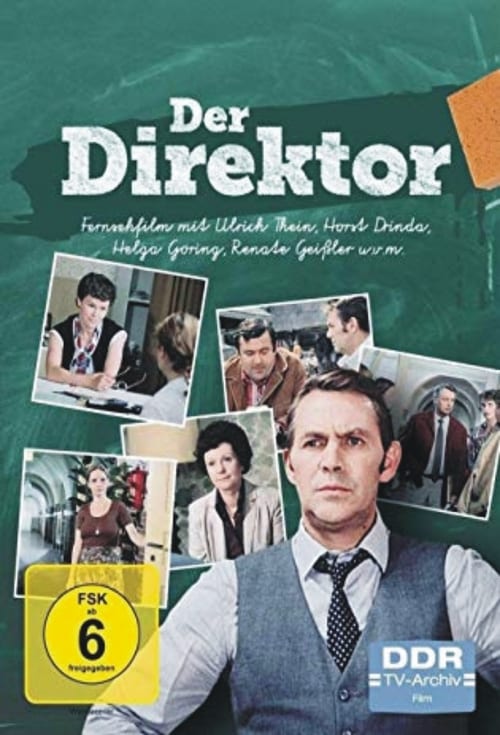
The school authorities want to read success stories in director Joachim Faber's reports. But they cannot simply be produced on an assembly line. Pupils, for example, use the wrong tone. The matter draws circles until the superiors finally talk about refusal to work. Director Faber is caught between the efforts to resolve the conflict with pedagogical means and the pressure from above.
No description available.
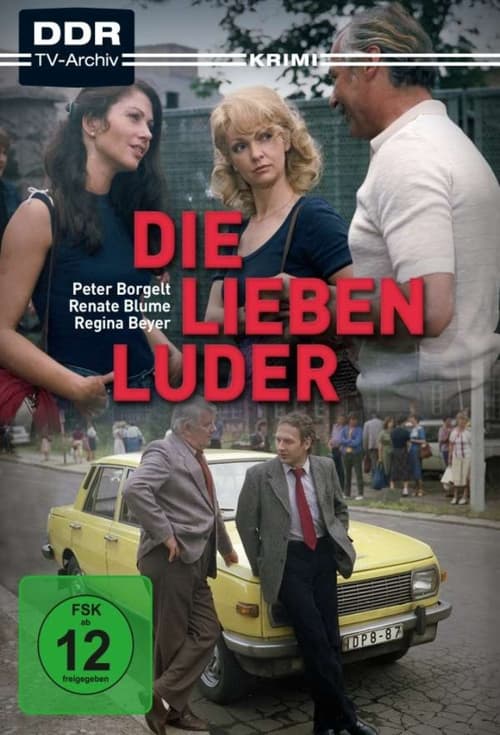
Factory workers Yvonne and Evchen have their nose full of married men who appeal to them again and again in their home for a short adventure. In short, they decide to profit from this state: Evchen goes to her home with the willing men and puts her in a clear situation of which the then suddenly emerging Yvonne takes a photo. Then it says: 5000 marks or your wife learns about this failed side jump. So far, so profitable! But when the two women encounter the art hehler Domski in their bar, things get out of control...
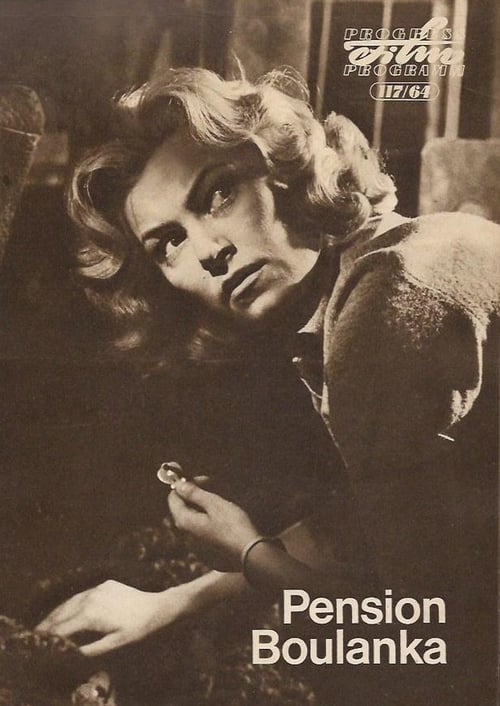
A murder has been committed in "Pension Boulanka", a famous guesthouse for artists and circus people. Captain Bruckner is heading the investigating team.
The drama is set in a future where remote-controlled rockets orbit planets, and automated vehicles land on the moon, but humans haven’t ventured beyond. The Soviet Union announces a manned moon mission, prompting the US to rush its own mission to maintain its image. Three Americans are chosen for this dangerous task. The story suggests that international cooperation in space travel is essential and beneficial, but only possible if the Cold War ends.
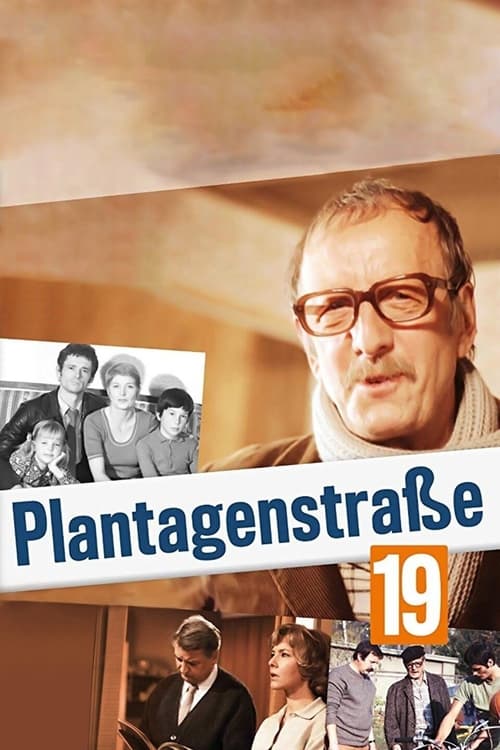
Normal everyday life in an apartment building on Plantagenstraße in East Berlin is disrupted when a truck pulls up with the new tenants' furniture. And they include two small children - now, of all times, when old Matuschke's wife has just died and consideration should actually be shown for the widower. Even worse for Mrs. Tillack, however, is the fact that the entire male world seems to be after her 16-year-old daughter Katrin.
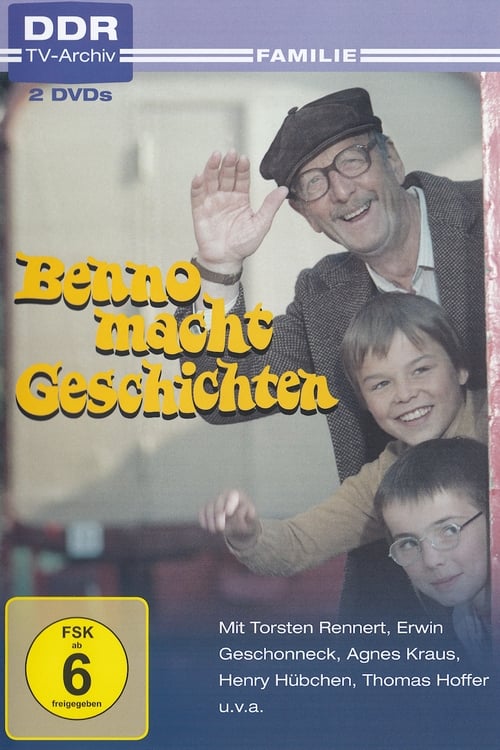
Benno (Torsten Rennert), a bright boy from Berlin, is not really a problem case, although his parents have enough trouble with him. But that's not just because of Benno, but because no one really has time for him. During a train ride, he meets a pensioner Oskar Schrader (Erwin Geschonneck), who likes to cook, collect watches, master magic tricks and who lives in the middle of nature. Between them they develop a real friendship. Benno is allowed to spend his school holidays with his friend. The grumpy Oskar lives alone in a garden colony - with friendly and unfriendly neighbors. Benno enjoys playing tricks with his buddy Mutz (Thomas Hoffer) on this neighborhood including the cranky animal lover Irma Kalweit (Agnes Krause) and the rude daredevil Ralf Klotz (Henry Hübchen).
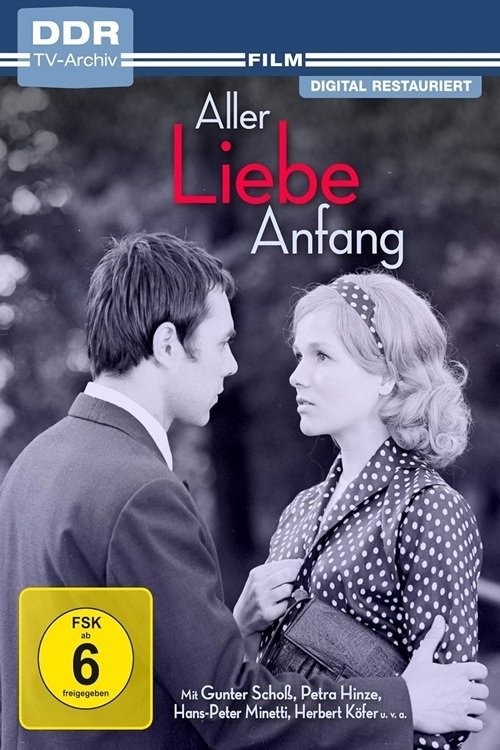
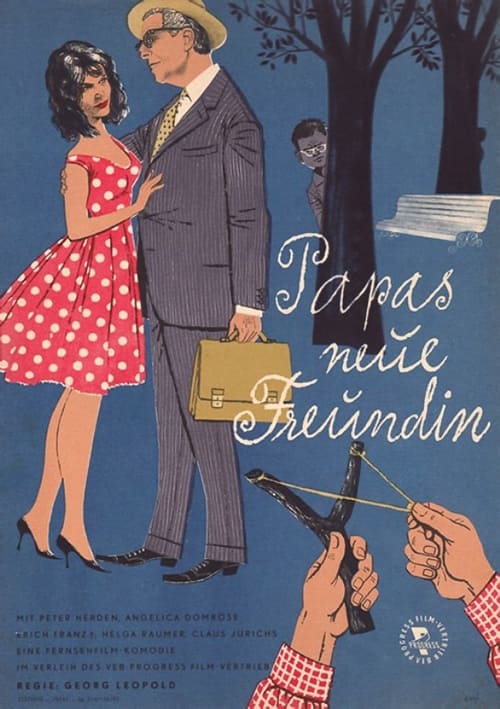
The young medical student Klaus Bach has married the love of his life, Irene, and lives with her and their eternally screaming offspring in a small one-room apartment in his parents' house. So things are tight and everyone's nerves are on edge. What's more, the parents' well-intentioned advice is seriously disrupting the young couple's marital bliss.
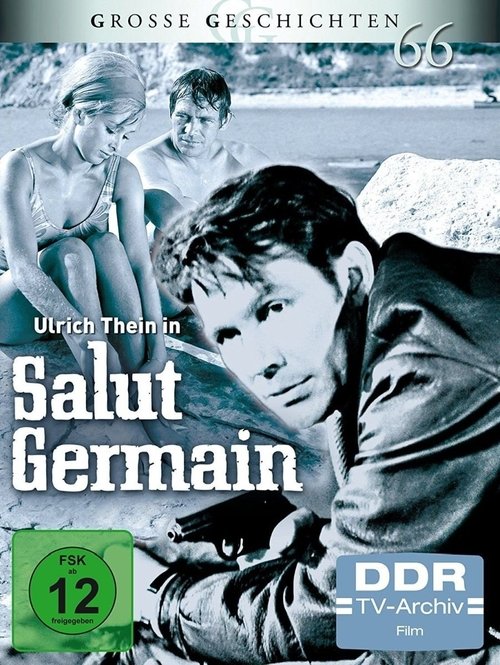
On a West German Autobahn, Robert plummets from a bridge and is hospitalized. As he recovers, he flashes back to a Bulgarian holiday where he met Jutta and her uncle Lothar, who’d ordered a West German passport to smuggle her out of the DDR. Back home, Robert and Jutta marry and have a daughter, Anna, but Jutta still yearns for the West. Lothar arranges their escape: Robert, Jutta, and Anna hide in a car trunk, but delays doom Anna. At the border, a grief-stricken Jutta blames Robert; distraught, he leaps from the bridge, surviving to face his guilt. A film banned in the GDR.
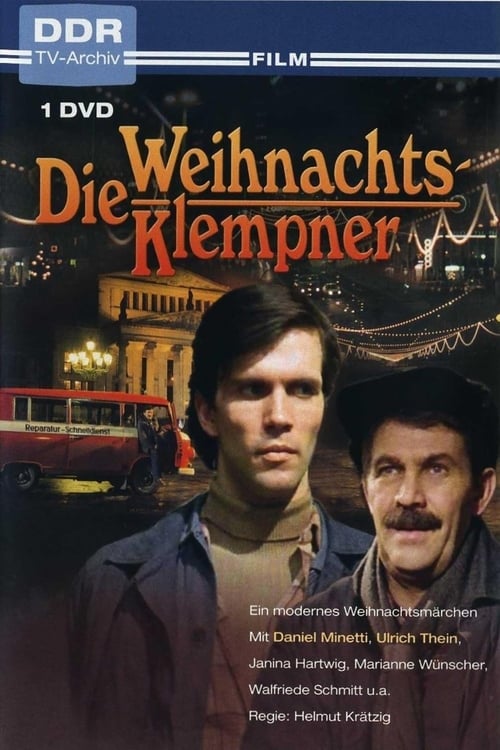
Plumber Martin and his younger colleague Frank are on call on Christmas Eve of all days. Frank's girlfriend Regina, who is expecting her first baby at any moment, is anything but thrilled. But it doesn't help, duty is duty. One emergency call follows another, but this evening it's not just broken water pipes that are waiting for the two plumbers...
Jürgen Matthes, Horst Knüpfer, Peter Vorberger - three men of different ages who are entrusted with the same large-scale IT project. In the context of this project, they begin to reflect on their work, the quality of human relationships and the meaning of life in general.