Mieko Osanai
Writing
Known For

A legendary television series and cultural asset, Mr. Kinpachi in Class 3B is famous for putting many social issues on the front burner of the public conscious over its long run, as filtered through the emotionally volatile lives of third year middle school students. The heartfelt relations between a devoted schoolteacher, Kinpachi Sakamoto, and his unique students have won the show high praise for several decades. Whether due to the pressures of exams, family relations, teachers and friends, graduating middle school students navigate a turbulent hormonal sea of “hope” and “frustration”, constantly shaped by the social environment of the times. Standing as a beacon in the storm and emitting messages of hope for each generation is one Japanese teacher, Kinpachi Sakamoto, who has come to be adored and admired by a nation through the adventures of Class 3B.
Mr. Kinpachi in Class 3B

As supernatural events and monster attacks rock Japan, the military and government look to be overwhelmed. Three intrepid young investigators—two pilots and a reporter—take it upon themselves to study these unexplained phenomena in order to inform and protect the public.
Ultra Q

Another being from Nebula M-78, identical to the original Ultraman, combines with car racer-turned-MAT patrol member Hideki Gô, and fights assorted menaces in a frightening new "Age of Monsters."
Return of Ultraman
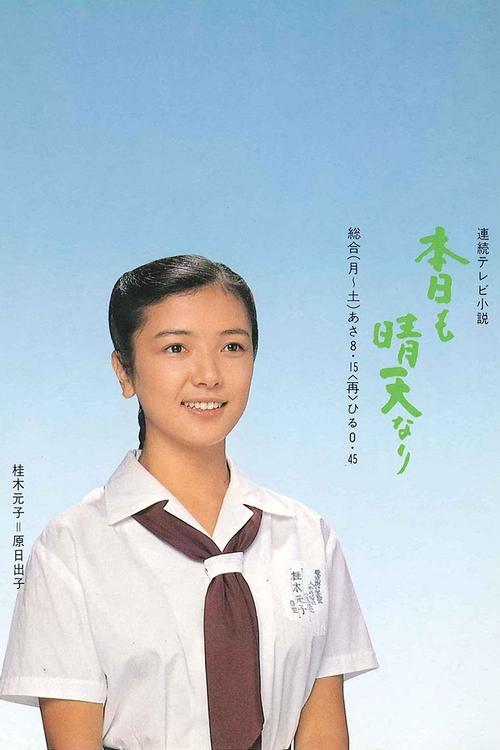
Katsuragi Motoko started as an NHK announcer, became a reportage writer after the war, and then an author. This story is about a woman's struggle to find her life's purpose and to survive. The 28th NHK asadora, set in the Showa era and location included Tokyo.
Honjitsu mo Seiten Nari
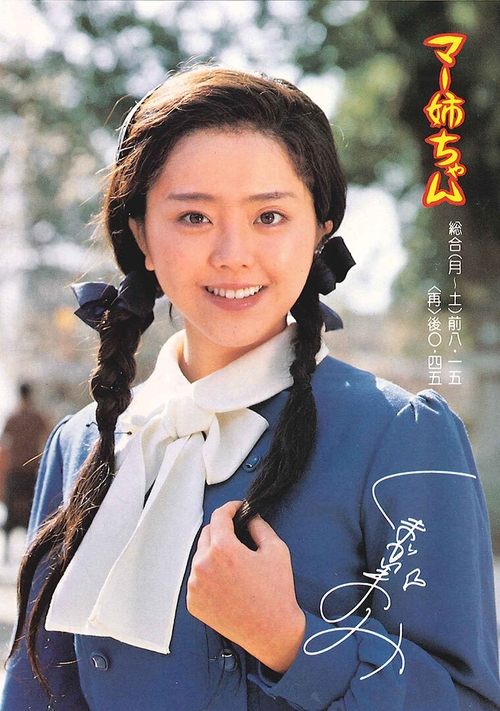
A serialized television series, aired in 1979, based on Hasegawa Machiko's "Sazae-san Uchiakebanashi" (Sazae-san Confessions), which depicts the true vibrant energy and strength of the common people, through their laughter and tears, from the pre-war to the post-war period in Japan.
Sister Ma
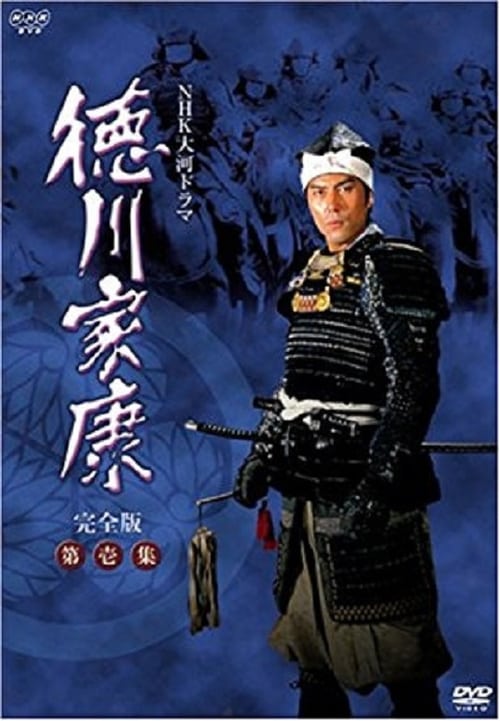
The story chronicles the life of Tokugawa Ieyasu.
Tokugawa Ieyasu

Daisuke dropped out of high school, and his motorcycle was the only thing that helped him cope with his loneliness. His parents find a new high school where he can ride his motorcycle to school, but he is forced to live in a dormitory. The students in the dormitory are all young people with bitter memories of dropping out of high school. The prefect of the dormitory is a teacher who is passionate about their physical education. The drama depicts the fierce clash between a nineteen-year-old rebellious high school student, who is torn between being an adult and a child, and the adults around him. This is Oda Yuji's first lead role in a TV drama.
Jūkyūsai
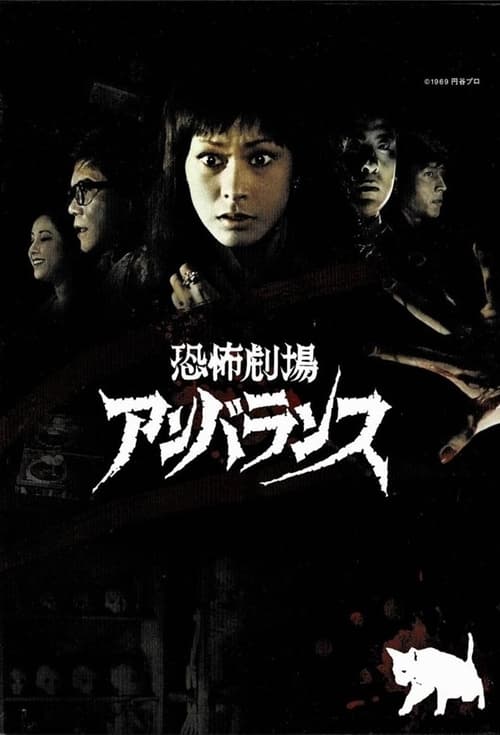
Horror Theater Unbalance is a 1973 Japanese Anthology television series created by Tsuburaya and Fuji TV to air on the Fuji TV network on Monday Nights for 13 episodes. Originally started in production in 1969, it was shelved and took years for its airing debut to begin its broadcast, before production was eventually completed at the end of 1972. It was then aired on Fuji TV in 1973.
Horror Theater Unbalance

The story of a beautiful mermaid who gave up a kingdom for her beloved prince.
Hans Christian Andersen's The Little Mermaid
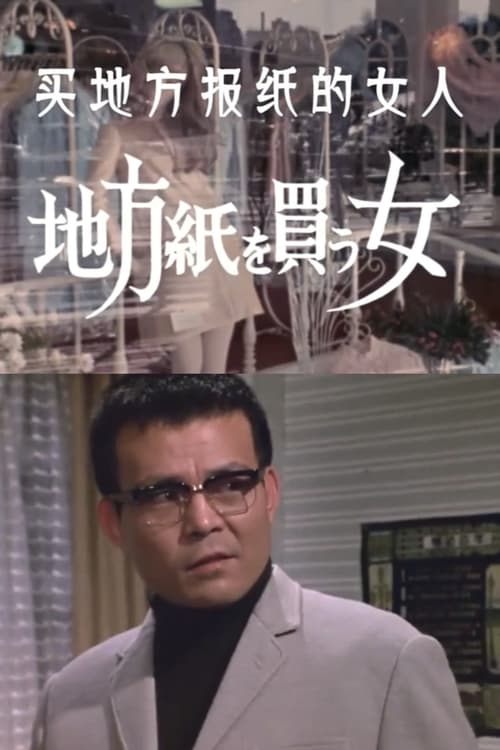
Based on the original mystery novel by Seicho Matsumoto. Novelist Ryuji Sugimoto is publishing his serial in a local newspaper when a woman from Tokyo subscribes, saying she’s interested in his work—only to abruptly cancel weeks later. Suspicious, he realizes her true interest may not be the fiction at all, but a real double suicide reported in the same paper.
The Woman Who Took the Local Paper
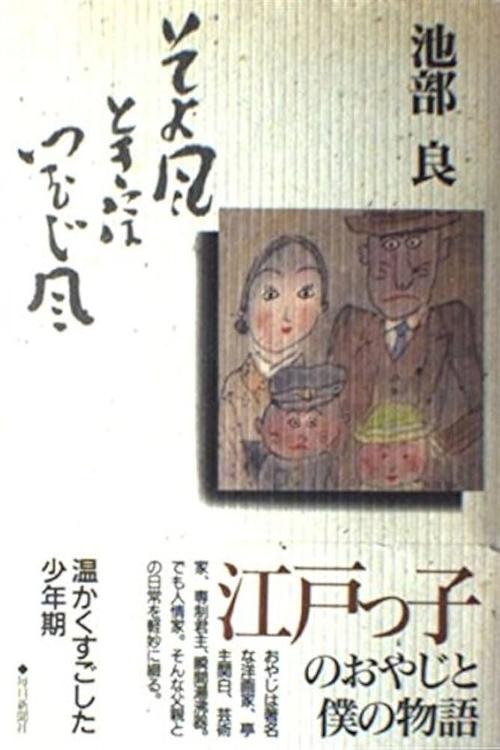
A dramatization of veteran actor Ryo Ikebe's essay of the same name about his parents' eccentric marriage.
Soyokaze Toki ni wa Tsumujikaze
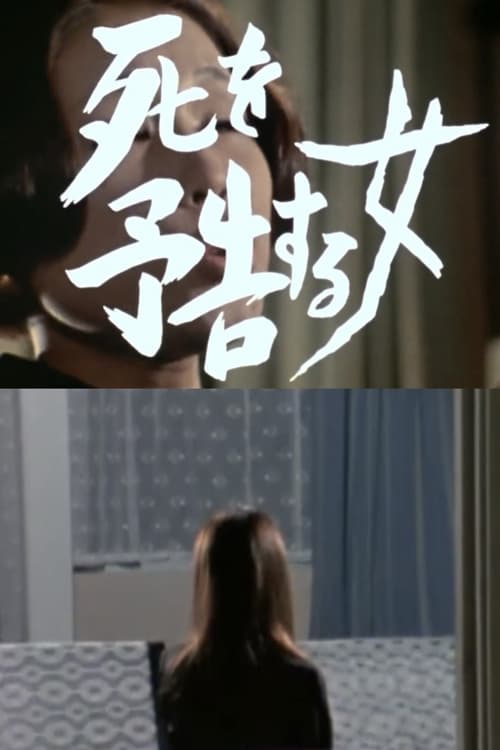
A successful lyricist, Sakumaki (Yukio Ninagawa), lives with his partner Kazue (Keiko Fujita) and their daughter, though he has always kept an emotional distance from them. One night, he returns home to find a mysterious woman in black (Yuko Kusunoki) waiting in his apartment. She calmly tells him that he will die the next night at precisely 12:13 a.m. Shaken, Sakumaki flees, only to discover the same woman appearing wherever he goes. As her presence grows more menacing and unexplainable, his fear spirals into paranoia. Directed by Toshiya Fujita, the episode blends domestic drama with supernatural dread, blurring the line between hallucination and reality. With Ninagawa in a rare starring role, supported by Ichiro Zaitsu and Akira Nagoya, the story pushes its protagonist into a psychological nightmare where fate, guilt, and obsession collide.