
Zoë Akins
Writing
Biography
Zoë Akins (October 30, 1886 – October 29, 1958) was a Pulitzer Prize-winning American playwright, poet, and author. In the early 1930s, she became more active in film, writing several screenplays as well as licensing minor adaptations of her work—such as The Greeks Had a Word for It which was adapted twice, in 1932 (as The Greeks Had a Word for Them) and 1938 (as Three Blind Mice) – neither was a hit. Two highlights of this period are the films Sarah and Son (1930) and Morning Glory (1933), the latter film remade as Stage Struck. While both films earned their respective female leads (Ruth Chatterton and Katharine Hepburn) Academy Award nominations, neither was enough to launch her career. She finally received recognition in 1935 when she was awarded the Pulitzer Prize for Drama for her dramatization of Edith Wharton's The Old Maid, a melodrama set in New York City and written in five episodes stretching across time from 1839 to 1854. A film version of The Old Maid followed in 1939, starring Bette Davis. She also adapted the Alexandre Dumas novel, La dame aux camélias, into the film Camille in 1936. The film starred Greta Garbo, Robert Taylor, and Lionel Barrymore, and earned Garbo her third Oscar nomination. To her surprise, she was thrust into notoriety again in 1953, when Jean Negulesco directed an adaptation of The Greeks Had a Word for It. The film, titled How to Marry a Millionaire, became a box office sensation and helped launch the career of its star, Marilyn Monroe. Monroe's role in the Akins' play helped the rising star become a cultural icon, and encouraged Akins to pursue a short stint as a writer for several television variety programs. From Wikipedia
Known For
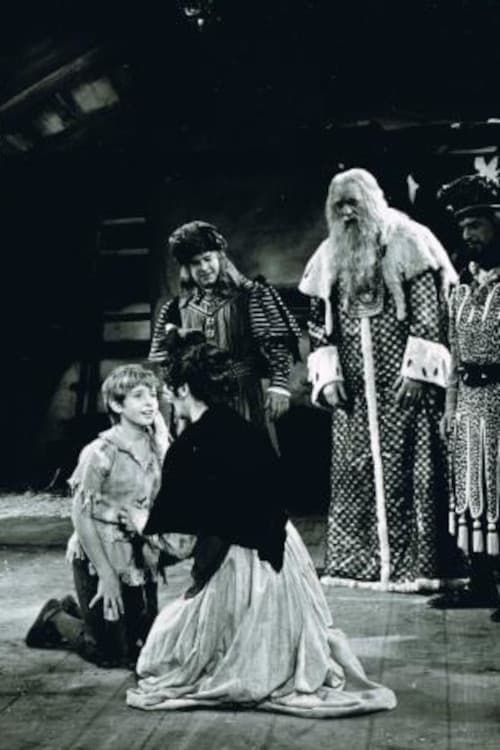
Matinee Theater is an American anthology series that aired on NBC during the Golden Age of Television, from 1955 to 1958. The series, which ran daily in the afternoon, was frequently live. It was produced by Albert McCleery, Darrell Ross, George Cahan and Frank Price with executive producer George Lowther. McCleery had previously produced the live series Cameo Theatre which introduced to television the concept of theater-in-the-round, TV plays staged with minimal sets. Jim Buckley of the Pewter Plough Playhouse recalled: When Al McCleery got back to the States, he originated a most ambitious theatrical TV series for NBC called Matinee Theater: to televise five different stage plays per week live, airing around noon in order to promote color TV to the American housewife as she labored over her ironing. Al was the producer. He hired five directors and five art directors. Richard Bennett, one of our first early presidents of the Pewter Plough Corporation, was one of the directors and I was one of the art directors and, as soon as we were through televising one play, we had lunch and then met to plan next week’s show. That was over 50 years ago, and I’m trying to think; I believe the TV art director is his own set decorator —yes, of course! It had to be, since one of McCleery’s chief claims to favor with the producers was his elimination of the setting per se and simply decorating the scene with a minimum of props. It took a bit of ingenuity.
Matinee Theater
Presented by Eastman Kodak, this show was a series of original scripts directed by acclaimed directors and featuring well-known performers. The stories ranged from musicals to comedies and dramas.
Screen Director's Playhouse
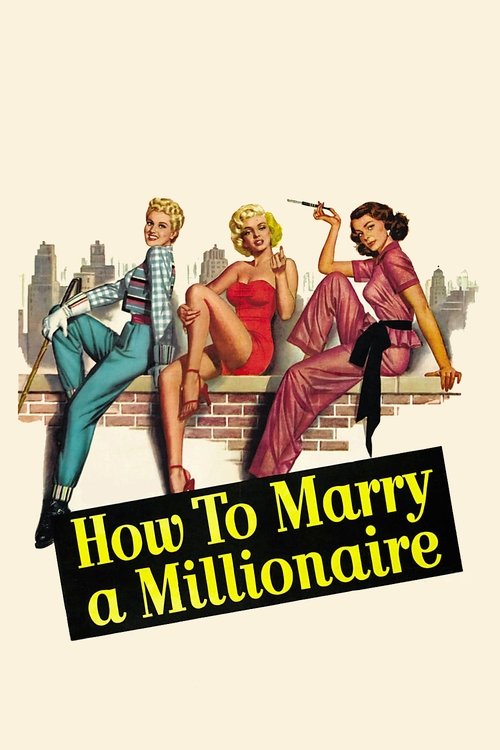
Three women set out to find eligible millionaires to marry, but find true love in the process.
How to Marry a Millionaire
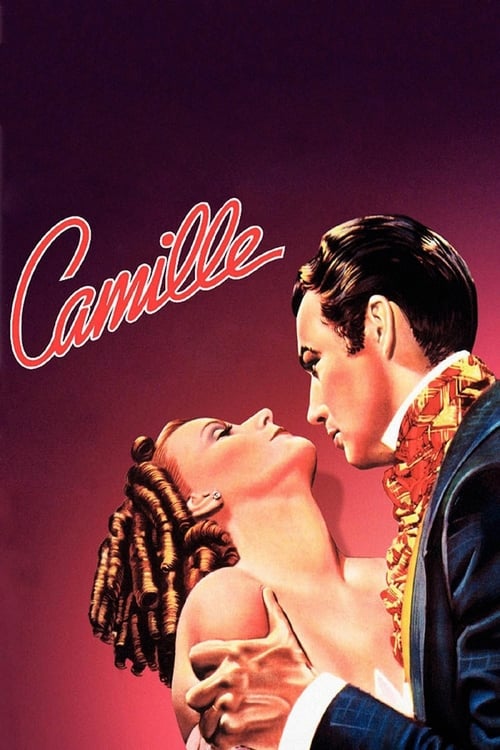
Life in 1847 Paris is as spirited as champagne and as unforgiving as the gray morning after. In gambling dens and lavish soirees, men of means exert their wills and women turned courtesans exult in pleasure. One such woman is Marguerite Gautier, who begins a sumptuous romance with Armand Duval.
Camille
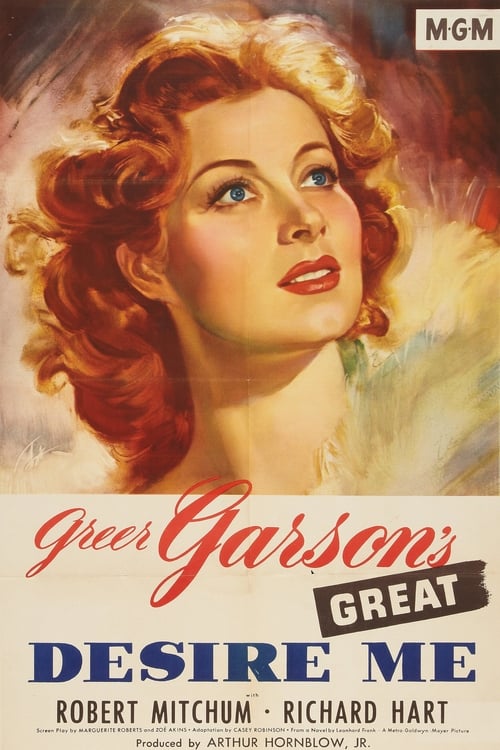
A war widow falls in love with the man who informed her of her husband's death.
Desire Me
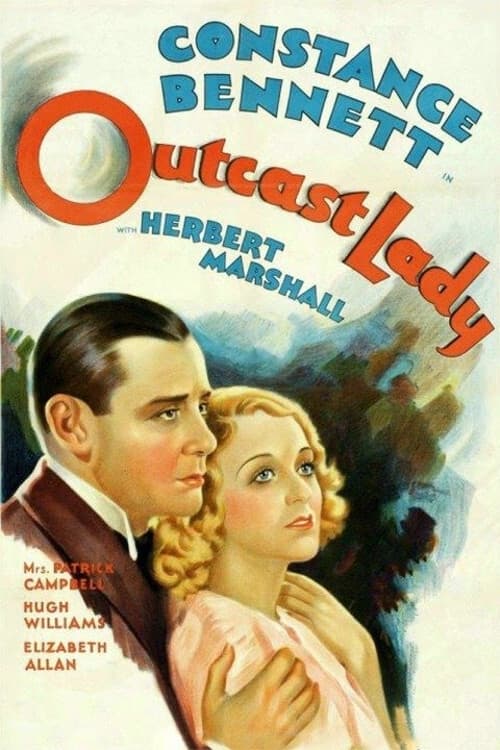
A woman's dubious past proves to be a stumbling block when she becomes engaged to marry.
Outcast Lady

A Polish countess is dispatched by her country to become Napoleon Bonaparte's mistress at the urging of Polish leaders, who feel she might influence him to support Polish independence.
Conquest

A young woman arrives in New York City determined to become a great theatrical star, but discovers that her goal may not be as easily attainable as she had hoped.
Stage Struck
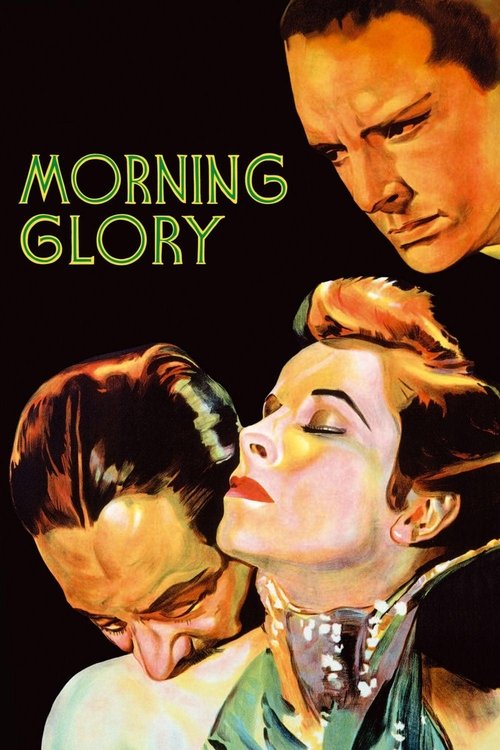
Wildly optimistic chatterbox Eva Lovelace is a would-be actress trying to crash the New York stage. She attracts the interest of a paternal actor, a philandering producer, and an earnest playwright. Is she destined for stardom, or will she fade like a morning glory after its brief blooming?
Morning Glory
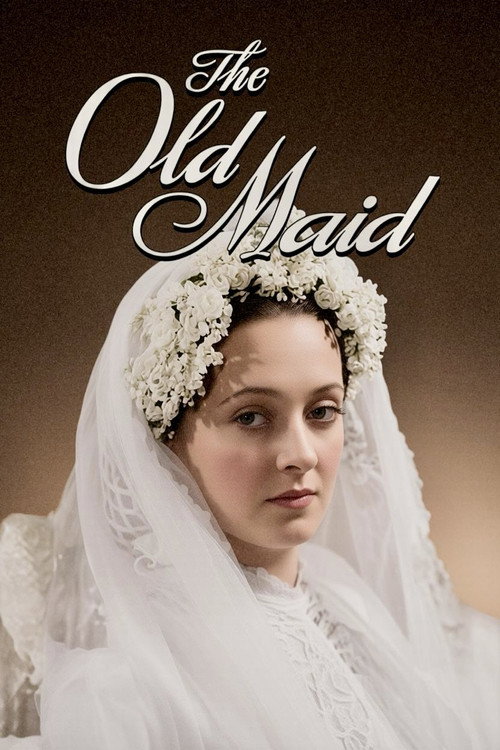
The lives of two cousins are complicated by the return of an ex-boyfriend and an illegitimate child.
The Old Maid
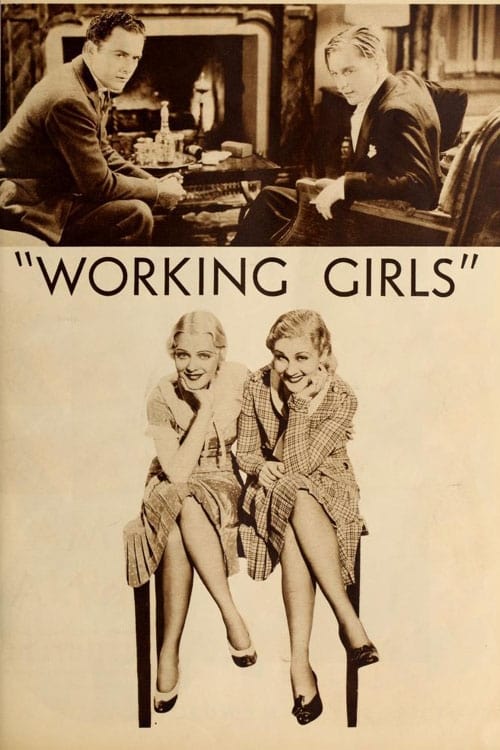
Two sisters from Indiana, the wide-eyed and innocent Mae Thorpe, and her more streetwise sister June, move into the Rolf House for Homeless Girls in New York. With June's help, Mae obtains a job as a stenographer for the scientist Joseph von Schraeder, while June gets work as a telegraph operator at Western Union.
Working Girls
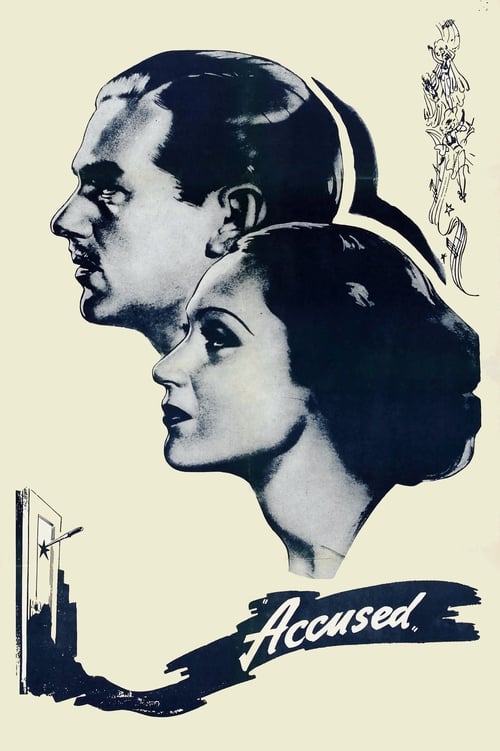
Tony and his dance partner/wife Gaby headline a Paris musical. Tony becomes the unwilling target for the attentions of performer Yvette. She is later murdered with the dagger used by Tony and his wife in their act, and Gaby is accused of the crime.
Accused
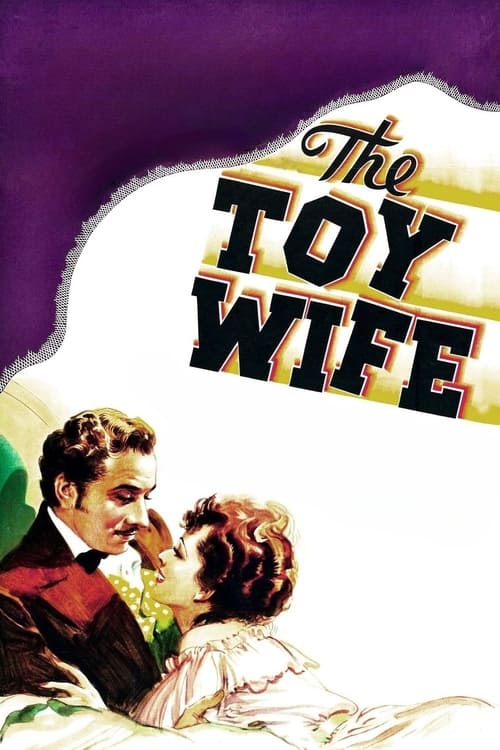
A Southern belle finds herself torn between two suitors.
The Toy Wife
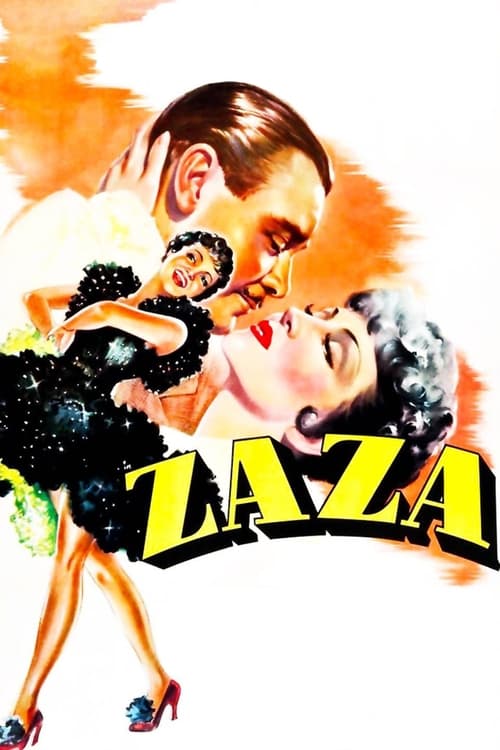
A seductive music hall star falls in love with a married aristocrat.
Zaza
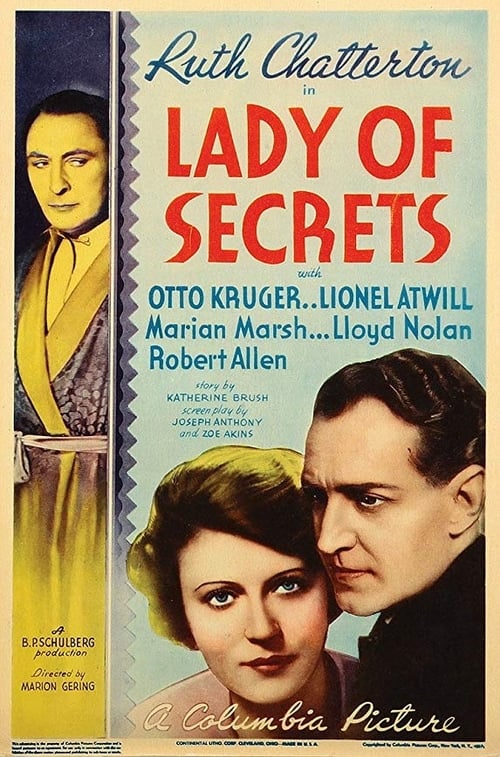
Because of a very unhappy affair she had earlier in her life, a woman shuts herself off from the rest of the world.
Lady of Secrets

A dynamic duo in silk and ermine entertain hick businessmen looking for a good time while in Manhattan.
Girls About Town
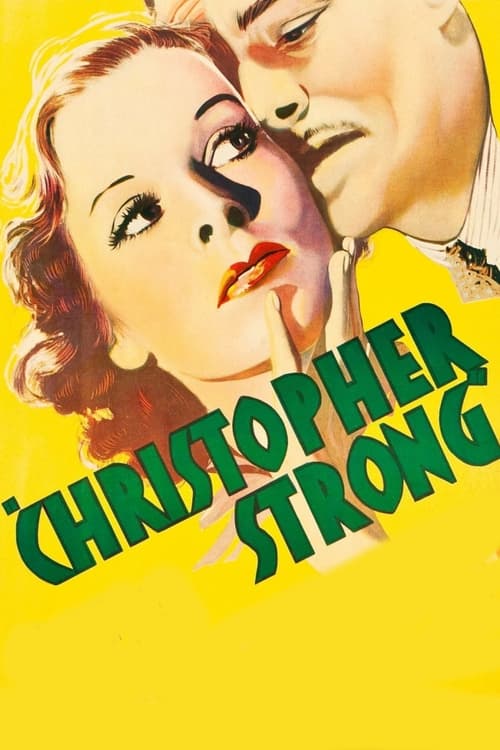
A romance develops between a happily married middle-aged British politician and an adventurous young aviatrix.
Christopher Strong
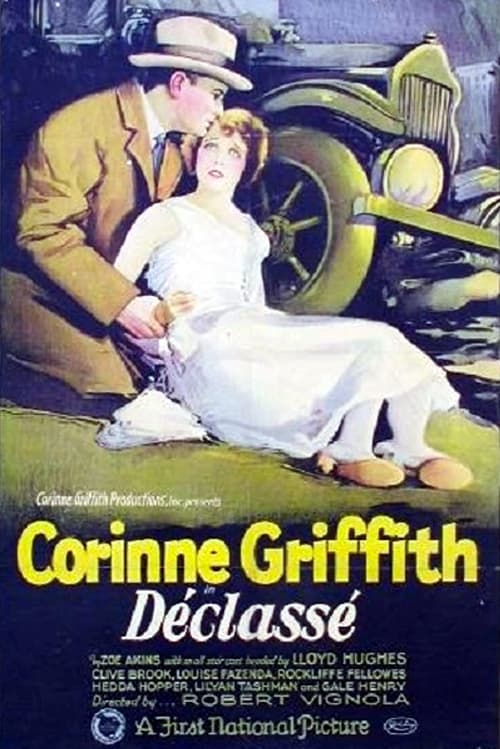
The last of the impetuous Varicks, Lady Helen Haden is married to Sir Bruce Haden, a brute who treats her shamefully. She falls in love with Ned Thayer, a young American, but refuses to divorce her husband because of the attendant scandal and disgrace. Sir Bruce gains possession of a love letter written to Ned by Lady Helen and divorces her. Ned goes to Africa, and Lady Helen comes to the United States, where she encounters Rudolph Solomon, an art collector who wants her to become his mistress. The noblewoman at first refuses, but when her money runs out, she agrees to the proposal and attends a party at his home. Ned, who has learned of the divorce, comes looking for Helen and meets her at Solomon's party. Lady Helen is so humiliated and ashamed that she rushes from the house and throws herself in front of an automobile.
Déclassé
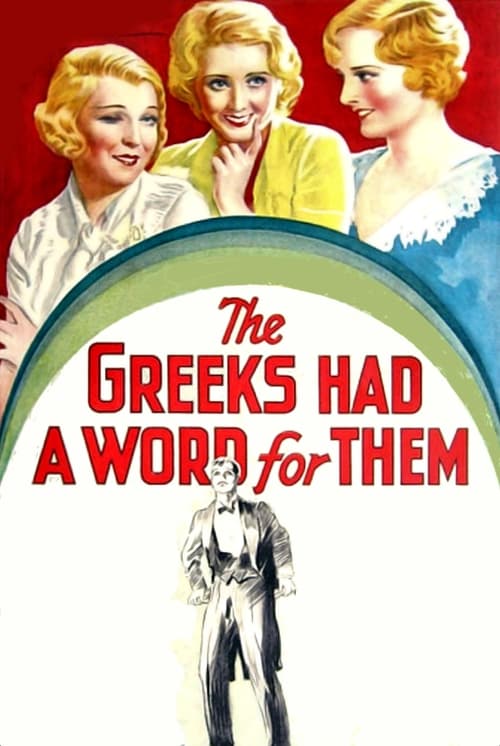
A trio of money-hungry women rent a luxurious penthouse, spending their dough on drink and debonair clothing, backbiting and catfighting as they steal each other's boyfriends.
The Greeks Had a Word for Them
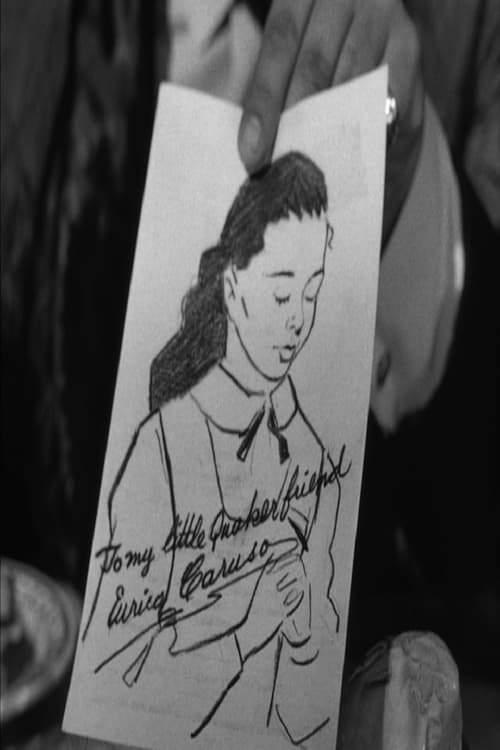
A ten-year-old girl meets famed opera singer Enrico Caruso on a train between Boston and New York. She admonishes him for his extravagant lifestyle, but she is softened up somewhat when Caruso begins to sing arias from her favorite operas.