Towa Carson
Acting
Biography
She debuted in 1954 and had the most success in the 1950s and 1960s like De tre klockorna, Swedish version of The three bells, which peaked at #4, Spara sista dansen för mig (Save the last dance for me), which peaked at #5 and her biggest hit Jag måste ge mig av (Billy Grammer's Gotta travel on), peaked at #3. She recorded many duets with Lasse Lönndahl, the most successful one was Visa mig hur man går hem (Irving King's Show me the way to go home) peaked at #12. The Swedish national radiochart Svensktoppen contains 25 "Towa-hits". She participated in the Swedish song contest Melodifestivalen (which serves as a national preselection for the Eurovision Song Contest) in 1967 (Du vet var jag finns, third place) and 1968 (two songs: Alla har glömt took fourth place, while Vem frågar vinden took the fifth). Unlike many other Scandinavian schlager-singing stars, she never sought international career, despite allegedly receiving offers from the US and West Germany. In 2004, at the age of 68, she teamed up with fellow veteran Melodifestivalen participants, Siw Malmkvist and Ann-Louise Hanson, to enter the contest again. The trio, under the name Hanson, Carson & Malmkvist, gained media attention due to the average age of the ladies far exceeding 60. Their song, C'est la vie, written by the prolific Swedish composer Thomas G:son, was a mix of a typical schlager tune with uptempo dance beat. The ladies advanced from their semifinal round thanks to their popularity with televoters and took the tenth place on the final night, with an energetic performance including Siw's spectacular kicks. They also appeared at one of that year's Allsång på Skansen events. In 2006, Towa Carson celebrated her 70th birthday. She is married to Bengt Anlert, a former soccer player for AIK. The unusual first name she uses on stage stems from her father calling her "Min lilla Tova" when she was a little girl, with reference to her tangled hair ("tova" means "tangle" in Swedish).
Known For

Melodifestivalen (direct translation: The Melody Festival) is an annual music competition organised by Swedish public broadcaster Sveriges Television (SVT). The competition is a six part tour (5 heats + the final) with stops in cities across Sweden to determine the country's representative for the Eurovision Song Contest. Melodifestivalen is also known informally as "Mello", or internationally as "Melfest".
Melodifestivalen

Så ska det låta is a Swedish game show, based on the Irish The Lyrics Board. The show was introduced in 1997 and led by Peter Harryson until Peter Settman took over in 2006. Så ska det låta can be watched online at svt play for approximately one month after airing.
Så ska det låta

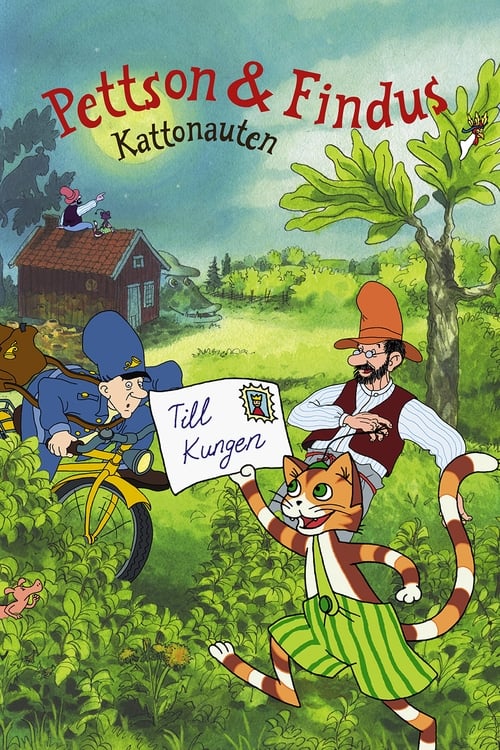
Eccentric old farmer Pettersson and his cat, Findus, have hilarious adventures camping in the woods while waiting for a letter from the king.
Pettson & Findus - Kattonauten

A celebration of Eurovision's 40th anniversary hosted by Eurovision superfan Björn Kjellman. Clips from the archive are mixed with interviews and performances of some of the beloved songs from the first 40 years of this contest.
Melodifestivalen 40 år

For over 30 years has E-Type been the undisputed king of euro disco in Sweden. For at least as long, he has been the eternal bachelor, living the Stockholm life without a wife and children. Now his life has turned 180 degrees.
E-Type: The way I wanna live

Carl-Gustaf and Arne are employed to do a commercial photography for director Oskarsson, but they fall into a bathtub and get fired. Anita Linbloms breakthrough film.
That's Life

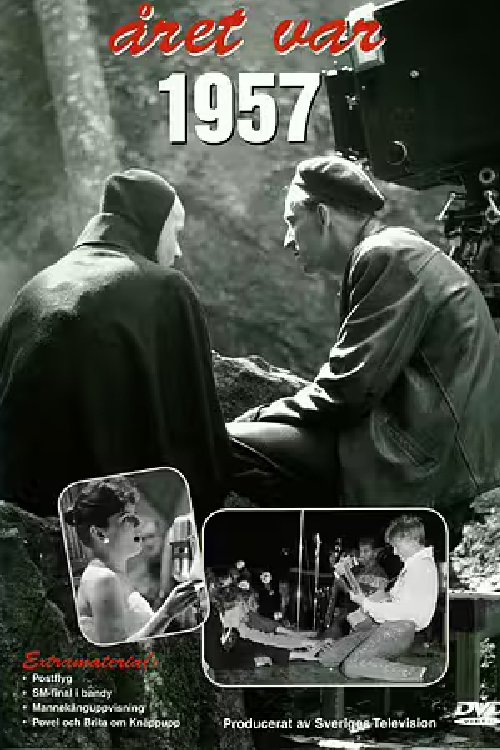
1957 - this is when the space age begins. The Soviets send up Sputnik 1 and 2. The whole world searches the sky for moving stars and the radio amateurs listen in their headphones for beeps from space. Ingmar Bergman's The Seventh Seal and Wild Strawberries are shown in cinemas. Stockholm gets its first female parking attendants and Tommy Steele comes to visit.
Året var 1957

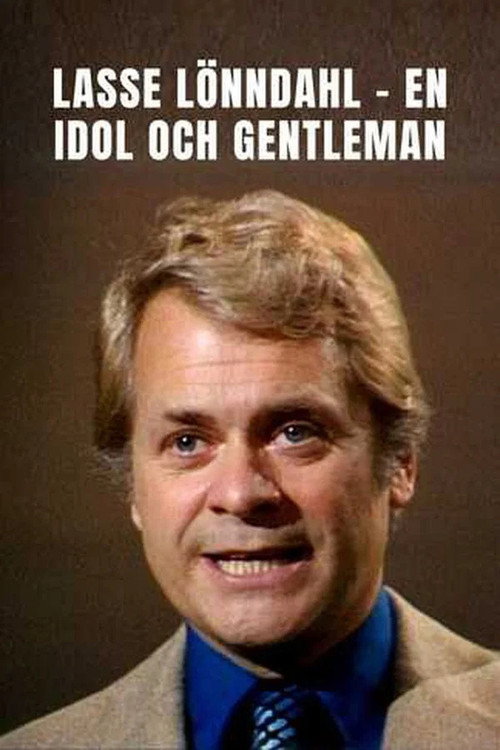
This portrait introduces Lasse Lönndahl, Sweden’s first major teenage idol and one of its most talked-about figures for decades. He recounts his journey from a boys’ choir soloist in the late 1930s to becoming one of the country’s most beloved singers, selling over a million albums.