FEEL IT.STREAM
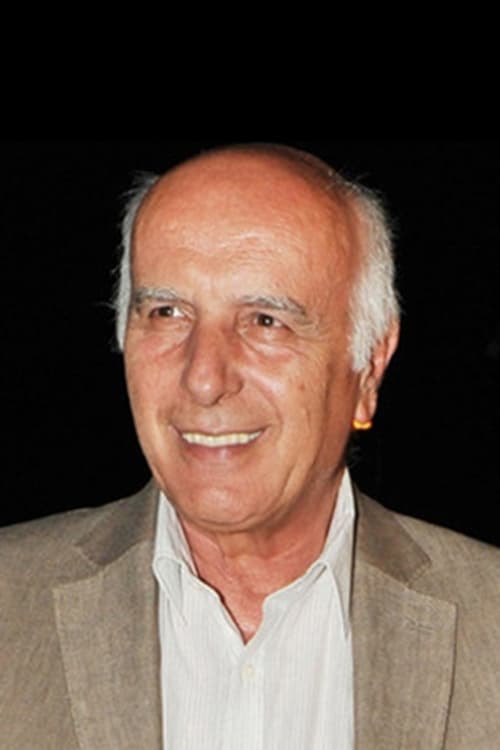
Giorgos Kyritsis

Giorgos Kyritsis

Acting

Biography

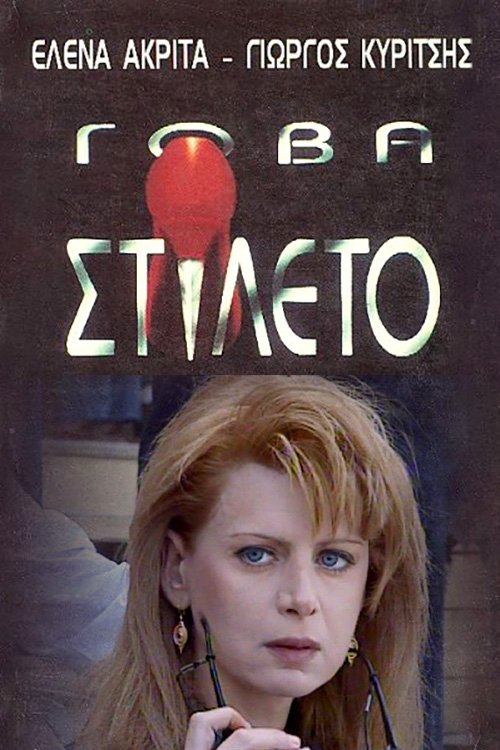
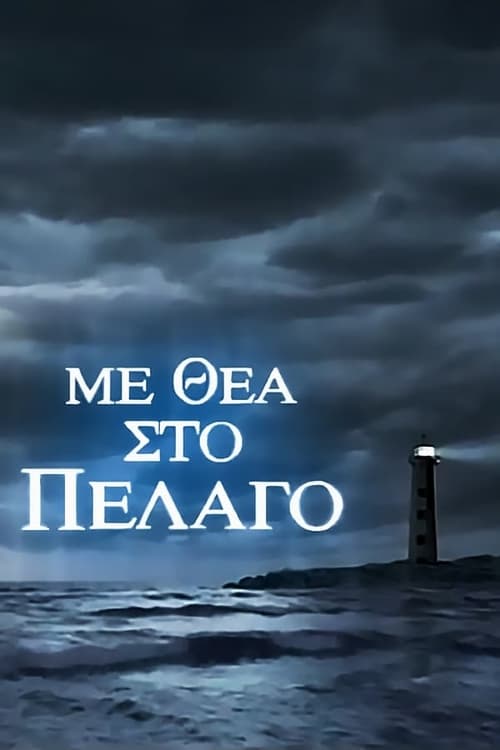
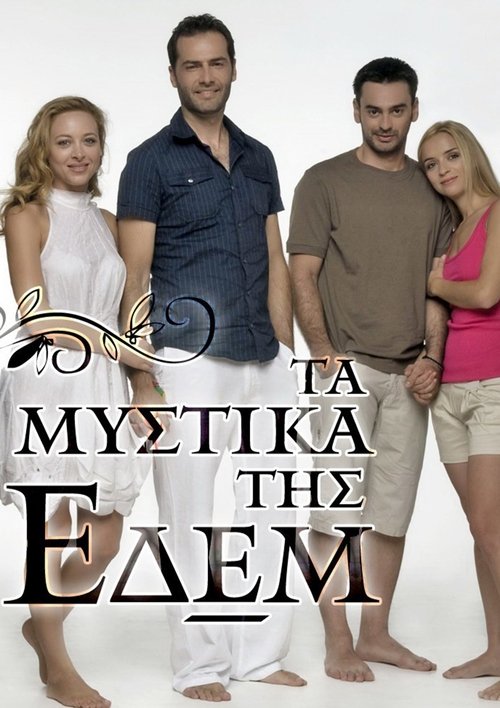
Giorgos Kyritsis played in almost all the major works of the world theater repertoire (Sophocles, Aristophanes, Shakespeare, Ibsen, Pirandello, Pinter, Brecht, Gorky, ), participated in films in the cinema and starred in many television series. He collaborated in the theater with the greatest Greek and foreign directors and most important protagonists of the modern Greek theater. With Elena Akrita, they created the "Melina" theater and staged Oscar Wilde's "Serious Mr. Ernesto" and Neil Simon's "New Life". He has also written together with Elena Akrita the television series "Gova stiletto", "Stras", "Wings of Love", "Under the Acropolis", "Thea to Pelagos", "Vera to the Right", "If you existed you would I was tearing you apart", "The Secrets of Eden" and have been honored for their work with more than nine awards. The third part of "Vera to the Right" was filmed in Trikala, highlighting the beauty and history of the city throughout Greece and abroad.
Known For

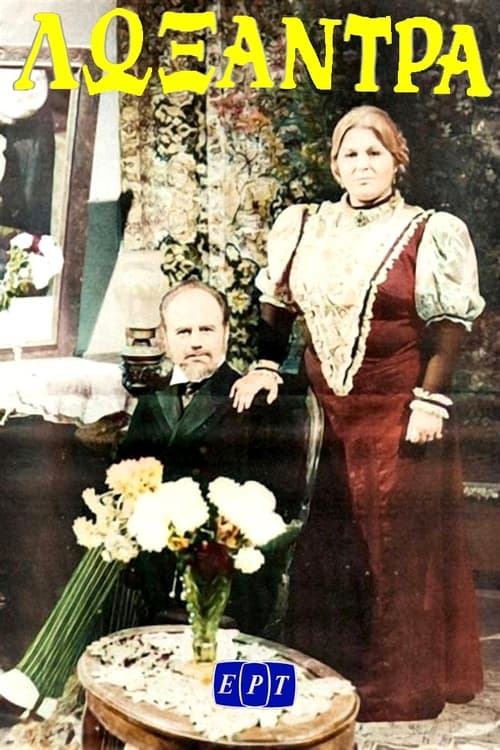
Loxandra
6.5

Loxandra is a Greek mother and wife living the ordinary life of a well to-do Greek family in Constantinoupolis of the late 1800s-early 1900s, a world gone forever. Historical events intrude in the background -revolutions, palace coups, massacres, and the great upheavals of WW1 in which Greeks saw their wildest hopes fulfilled, then dashed: for a brief time Constantinoupolis itself was regained, then lost along with all Asia Minor. Through troubles great and small, Loxandra's simple optimism, belief in her Virgin Mary, and love of life carries her family past every difficulty - be it a sumptuous dinner for Easter or secretly giving away her savings to help persecuted Armenians. A representation of a time and place where all neighbors were friends, where they could cook in each other's kitchens or take shelter in each other's cellars.

Loxandra

1980Series
Bio-graphia
7.0

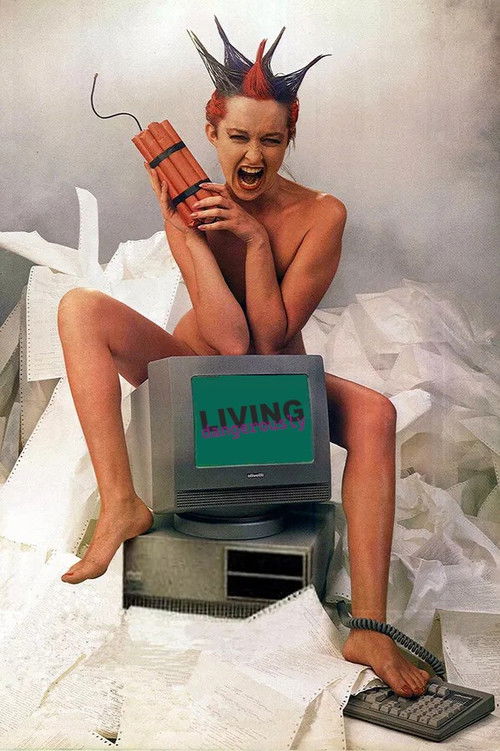
With a title that expresses the connection/disagreement of bios (βίος) = life, and graphi (γραφή) = writing, this film of Rentzis has as a subject “the passage from homo universalis to homo industrialis”. Based on a visual material provided by the collage book of the Basque Chumy Chúmez, the film forms, out of cultural deposits of the industrial era, a novative oneirographic discourse, through the audacious and unprecendeded claim of a combinatorial optimization of collage/montage techno-poetics. Viewing the body as historical ideotype ‘the sublime point of reference, a matrix and a refusal of all signs’, Rentzis, dissects the body of film, makes an inter-parody of historical utopias and certainties and moves between animation and expanded cinema in order to reflect on the broader social, political question of our social coexistence condition, the unity and rupture.

Bio-graphia

1975Movie