Directing
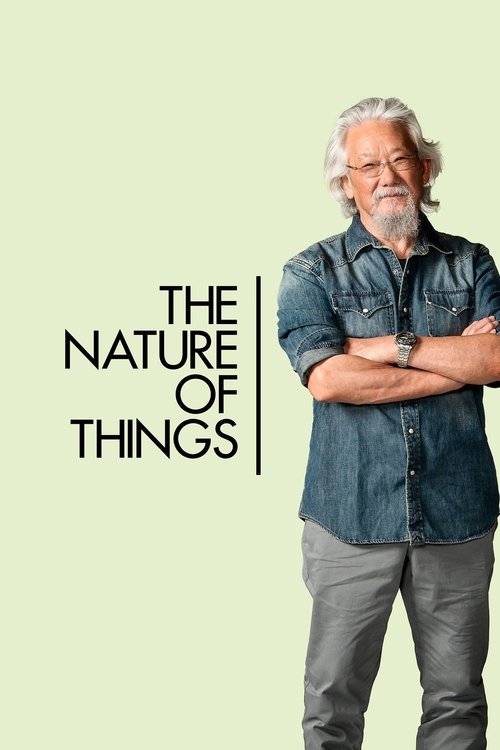
The Nature of Things is a Canadian television series of documentary programs. It debuted on CBC Television on November 6, 1960. Many of the programs document nature and the effect that humans have on it. The program was one of the first to explore environmental issues, such as clear-cut logging. The series is named after an epic poem by Roman philosopher Lucretius: "Dē Rērum Nātūrā" — On the Nature of Things.
This feature documentary is a portrait of the downtown Toronto neighbourhood of Dundas and Sherbourne, where the gap between rich and poor is growing wide. There, middle-class homeowners, angry radicals, desperate drug addicts and people simply looking for a place to lay their head are embattled in a bitter struggle for space.
This film looks at an international group of scientists who are looking for clues to Autism by examining the gastrointestinal tract, and at the parents who have been pushing science forward in hopes of finding answers for their children's condition.
Filmmaker Robin Benger covered 14 wars in 24 countries as a veteran TV producer but nothing prepared him for the discovery that war was being waged in the basement of his own home. He discovered that "first person shooter" games, and violence-centred gaming, are taking over as the entertainment of choice for a whole generation of (mostly) teenage males. Entering into that world, he began filming in cyber-cafes, games manufacturers‚ conventions, and mega gaming tournaments, even tracking down the designer of the very game causing him so much friction with his own son.
No description available.
China, the world's most populous country, a booming new economic superpower. And now, after decades of official atheism, religious fervor is exploding in China, unleashed by government reforms. Part One: The Gods Come Home The Gods Come Home reveals the rebirth of the indigenous faiths of Buddhism, Confucianism and Taoism, and the revival of the local "folk religions" that govern village life. The government is wary of the power of religion, and is trying to both control and exploit this resurgence at the same time. Part Two: The Bamboo Cross Christianity is growing faster in China than anywhere else in the world. The Bamboo Cross follows the stories of a cross-section of Chinese Christians, from migrant workers to Bishops to rebel pastors, who have to make a choice between worshipping openly or in the shadows. They live in an atmosphere where "unofficial" and "official" churches proliferate side by side, both vying for the souls of one million new Christians every year.