Acting
The Mike Douglas Show is an American daytime television talk show hosted by Mike Douglas that originally aired only in the Cleveland area during much of its first two years on the air. It then went into syndication in 1963 and remained on television until 1982. It was distributed by Westinghouse Broadcasting and for much of its run, originated from studios of two of the company's TV stations in Cleveland and Philadelphia.
No description available.
The Dick Cavett Show has been the title of several talk shows hosted by Dick Cavett on various television networks.
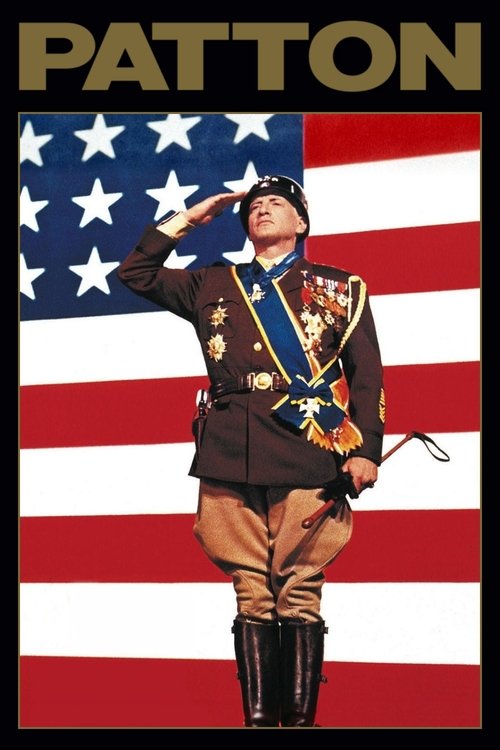
"Patton" tells the tale of General George S. Patton, famous tank commander of World War II. The film begins with Patton's career in North Africa and progresses through the invasion of Germany and the fall of the Third Reich. Side plots also speak of Patton's numerous faults such his temper and habit towards insubordination.
Witness a fascinating account of a nation's efforts to become progressive and prosperous.
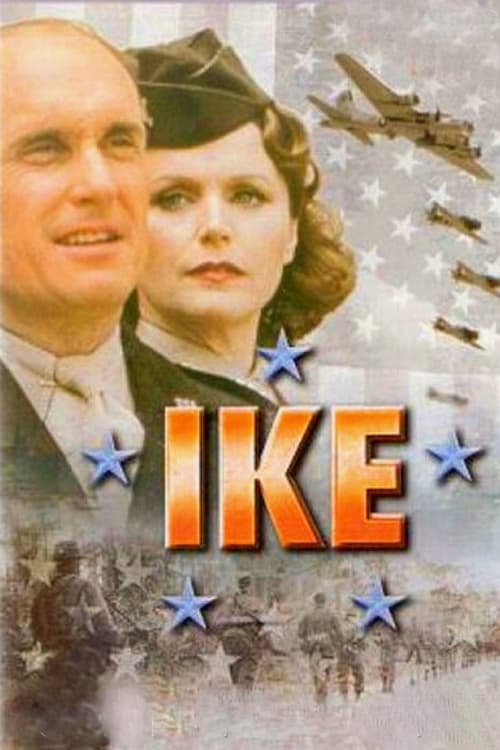
Eisenhower the military man is the focus of this mini-series, his relationships with the other wartime leaders, and, very discreetly, his personal relationship with his driver, Kay Summersby.
Ike, also known as Ike: The War Years, is a 1979 television miniseries about the life of Dwight D. Eisenhower. The screenplay by Melville Shavelson is based on Kay Summersby's 1948 memoir Eisenhower Was My Boss and her 1975 autobiography, Past Forgetting: My Love Affair. The series aired from May 3–6, 1979 on ABC. During World War II, General Dwight D. 'Ike' Eisenhower serves as supreme commander of the Allied Expeditionary Force in Western Europe. On a personal level, he has an extramarital affair with his driver Kay Summersby.
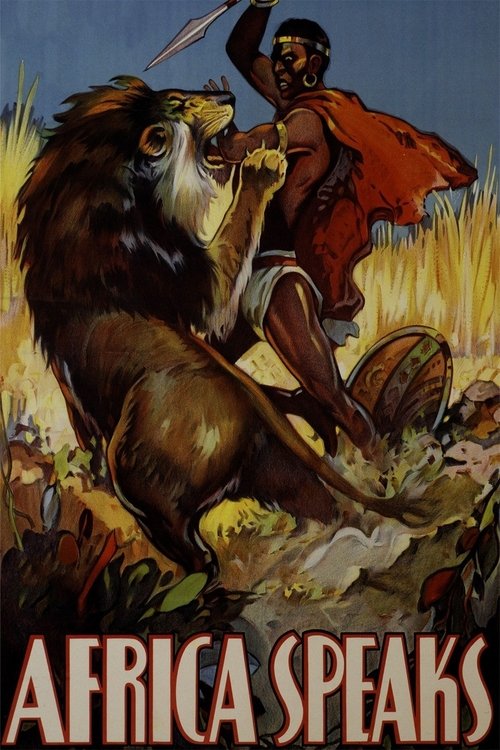
Explorer Paul Hoefler leads a safari into central Africa and what was then called the Belgian Congo, in the regions inhabited by the Wassara and the famous Ubangi tribes.
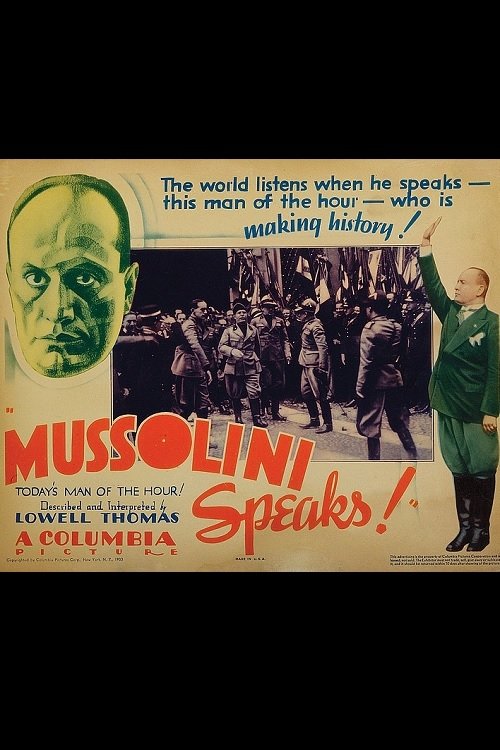
Mussolini Speaks is a 1933 documentary film highlighting the first 10 years of Benito Mussolini’s rule as Prime Minister of Italy. The film, narrated by U.S. radio broadcaster Lowell Thomas, includes footage of the Fascists’ March on Rome, the Lateran Treaty between Italy and The Holy See, engineering projects in Italy and North Africa, and excerpts of speeches by Mussolini.
A selection of excerpts from the first Cinerama films.
State of the American people's teeth during the Great Depression.
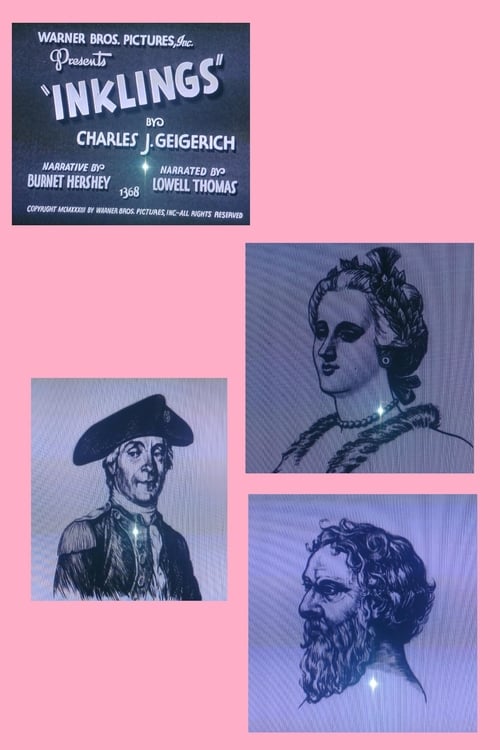
An animator is in the process of creating a series of three drawings of prominent historical figures. As the animator goes about his drawings, a narrator tells some stories about the historical figure in question. The drawings come to life as the narrator tells some anecdotes about the historical figure. As each drawing nears its completion and as the story about that figure nears its end, it becomes more and more apparent who the historical figure in question is.
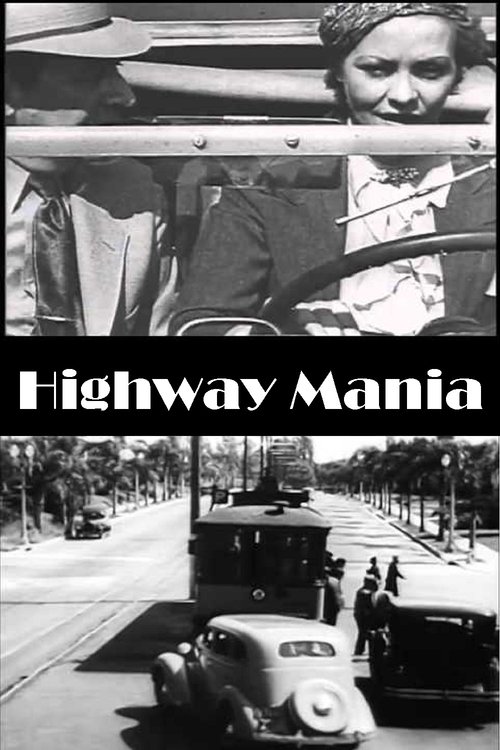
Made in 1937, HIGHWAY MANIA is an early driver safety film narrated by Lowell Thomas. It features stunning images of auto accidents, including some that are doubtless stunts from Hollywood films.
A look at what goes on in China.
Designed to introduce the then-new widescreen process Cinerama, audiences experience the roller coaster at Rockaways' Playland, the temple dance from Aida, Niagara Falls, a Viennese choir, the canals of Venice, a military tattoo in Edinburgh, a bullfight, and more. The film concludes with a view from the nose of a low-flying B-25 while America the Beautiful plays.
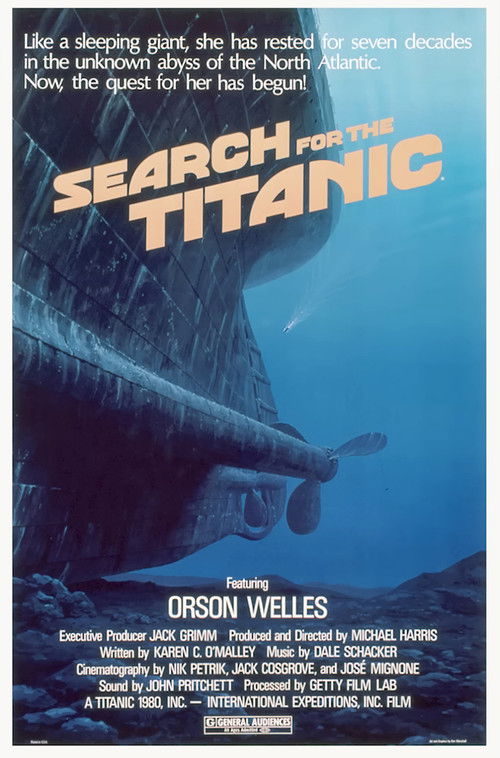
In “Search for the Titanic”, Orson Welles takes viewers into a massive expedition attempting to locate the remains of the famous unsinkable ship at the bottom of the North Atlantic several years after its sinking on its maiden voyage in April 1912.
How can the masses be controlled? Apparently, the American publicist Edward L. Bernays (1891-1995), a pioneer in the field of propaganda and public relations, knew the answer to such a key question. The amazing story of the master of manipulation and the creation of the engineering of consent; a frightening true story about advertising, lies and charlatans.
An educational one-reeler for elementary aged children demonstrating the concept of American free-enterprise. The film utilizes wooden toys designed and animated by Goldman, all set to a music box-ish xylophone score by Jam Handy musical director Samuel Benavie and narration by notable commentator Lowell Thomas.
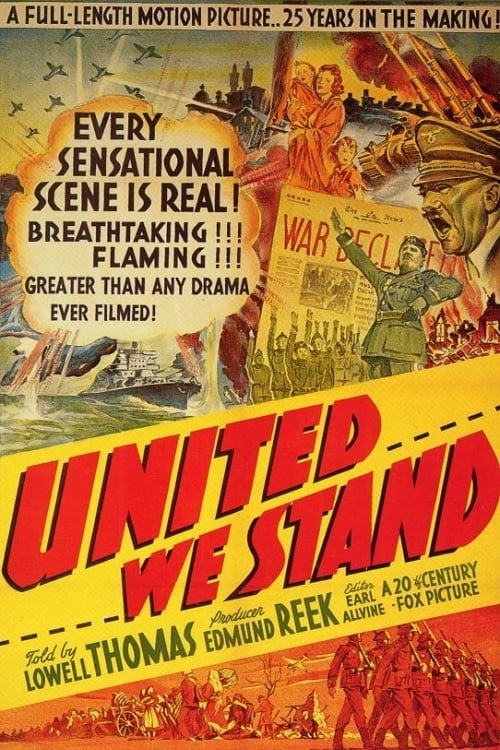
Using newsreel footage, this film reviews world events from the end of World War I to the American entry into World War II and, according to the narration, shows "how, through their disunity, democracies were led, some to destruction and others to the verge of destruction."]
Biography follows the life of famed woman pilot Amelia Earhart, including her marriage to a famous publisher and her disappearance during a flight in 1937.