Timothy Quay
Directing
Biography
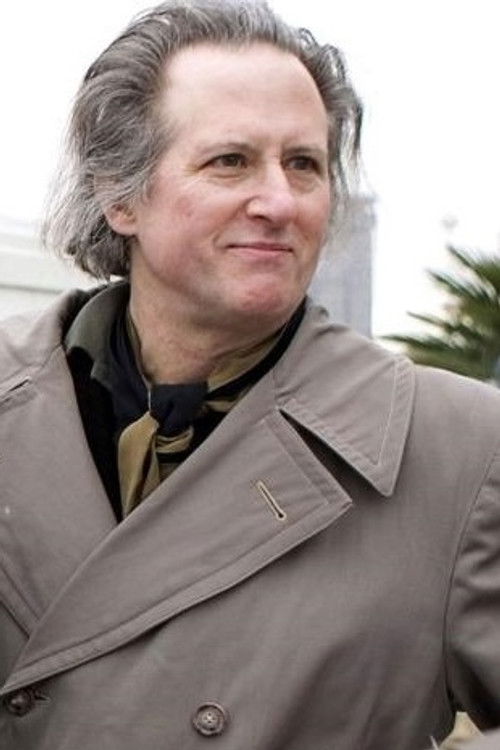
Timothy Quay was born in 1947 in Norristown, Pennsylvania, USA, as the identical twin of Stephen Quay. He studied at the Philadelphia College of Art and later at the Royal College of Art in London, where he began working with his brother in experimental animation. Timothy has directed and co-directed numerous short films, feature films, and stop-motion projects, including Nocturna Artificialia (1979), Street of Crocodiles (1986), Institute Benjamenta (1995), and The Piano Tuner of Earthquakes (2005). His work is distinguished by surreal, detailed atmospheres, frozen worlds, and objects full of history, with a constant collaboration alongside Stephen throughout his career.
Known For

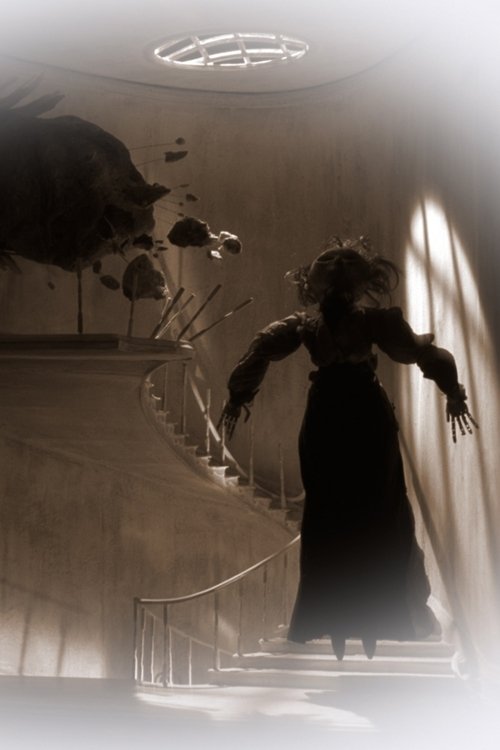
Jakob arrives at the Institute Benjamenta (run by brother and sister Johannes and Lisa Benjamenta) to learn to become a servant. With seven other men, he studies under Lisa: absurd lessons of movement, drawing circles, and servility. He asks for a better room. No other students arrive and none leave for employment. Johannes is unhappy, imperious, and detached from the school's operation. Lisa is beautiful, at first tightly controlled, then on the verge of breakdown. There's a whiff of incest. Jakob is drawn to Lisa, and perhaps she to him. As winter sets in, she becomes catatonic. Things get worse; Johannes notes that all this has happened since Jakob came. Is there any cause and effect?
Institute Benjamenta, or This Dream People Call Human Life

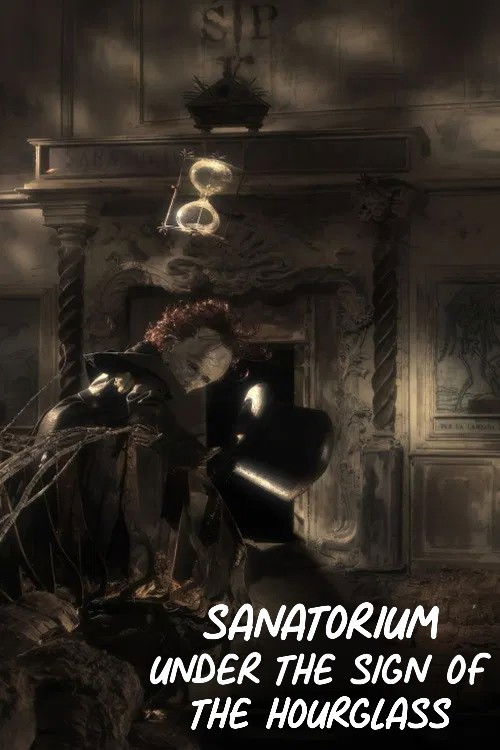
Jozef embarks on a journey via a ghostly train to visit his dying father in a remote Galician sanatorium. Upon arrival, he discovers that the sanatorium exists in a realm where time is distorted—his father's death has not yet occurred, as time here lags behind the outside world by an undefined interval. Jozef's experiences become increasingly fragmented and dreamlike as he confronts various manifestations of his father, each representing different aspects of their relationship and his own psyche.
Sanatorium Under the Sign of the Hourglass

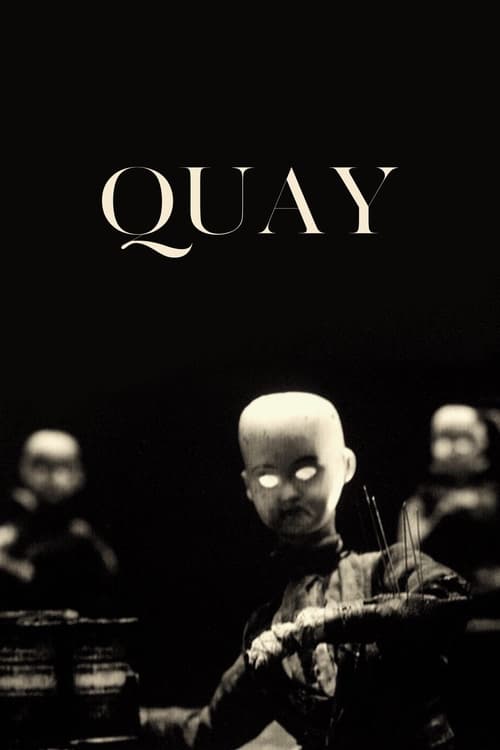
In 2015, Christopher Nolan curated a selection of short films by the surrealist animators the Quay Brothers to be distributed as a touring 35mm presentation. The three films—"In Absentia" (2000), "The Comb" (1991) and "Street of Crocodiles" (1986)—were accompanied by this brief portrait of the brothers at work in their London studio.
Quay

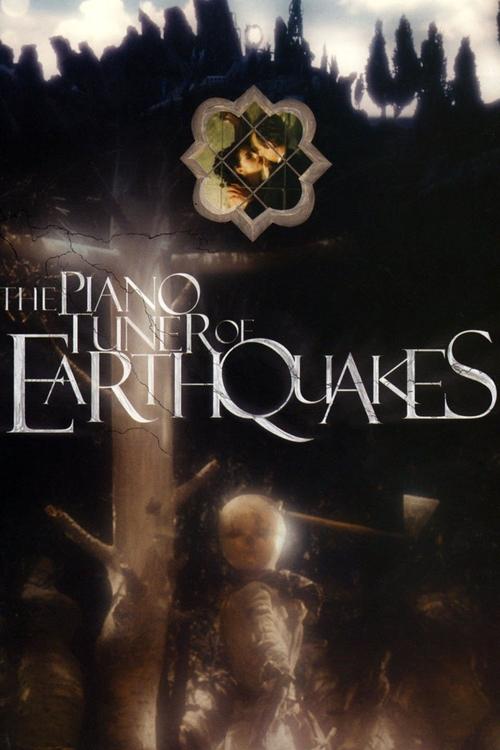
Dark fairytale about a demonic doctor who abducts a beautiful opera singer with designs on transforming her into a mechanical nightingale.
The Piano Tuner of Earthquakes

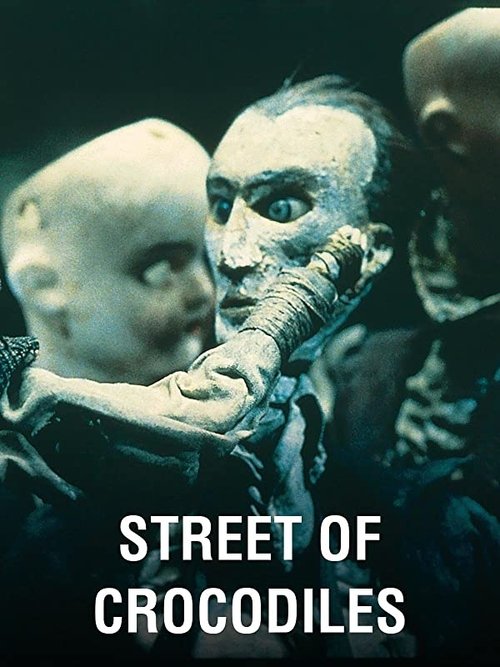
A puppet, newly released from his strings, explores the sinister room in which he finds himself.
Street of Crocodiles

Afraid of losing his wife, Horatio creates a replica he calls Hortensia. But things don't go as planned... Shot on 35mm and propelled by an impressive score by Michèle Bokanowski, the Quay Brothers evoke an intense drama of jealousy, betrayal and murder, revolving around a window dresser's obsession for a life-sized doll.
The Doll's Breath

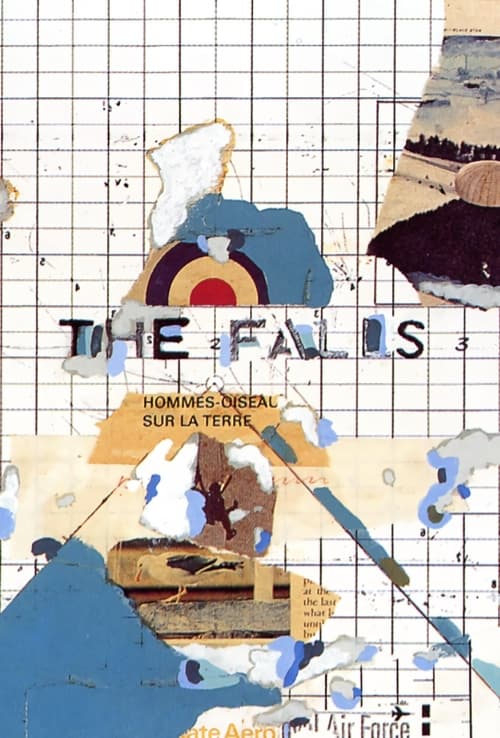
Told in the form of a mock documentary in 92 short parts, nineteen million people are left obsessed with birds and flight following a strange occurrence. A documentarian analyses the lives of all the survivors whose surnames begin with FALL to uncover the truth behind the event.
The Falls

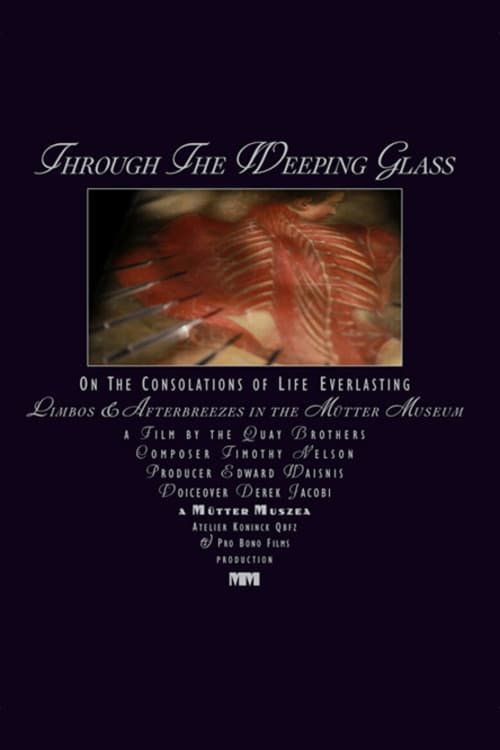
A documentary on the subject of the collections of books, instruments and medical anomalies at The College of Physicians of Philadelphia and the Mutter Museum housed there. This short film represents the first to be made by the internationally recognized Quay Brothers in the United States. While not a stop-motion animation film, a form for which the Quays are best known, the entire film is vibrantly constructed and 'animated'. Musical score by composer Tim Nelson and voice-over provided by Derek Jacobi.
Through the Weeping Glass: On the Consolations of Life Everlasting (Limbos & Afterbreezes in the Mütter Museum)

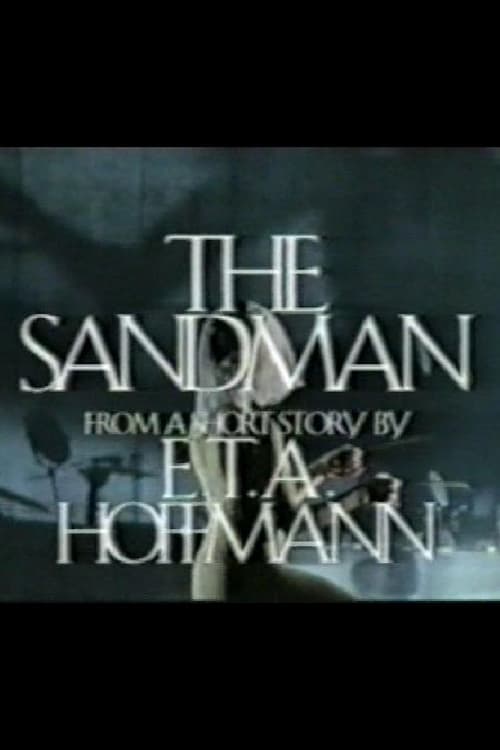
One of several collaborative dance films by the Brothers Quay & (dancer, choreographer) William Tuckett. Little enough info around on line, but there's briefly by way of Wikipedia entry. Adapted rather loosely from the works of the E.T.A. Hoffman. Familiar Quays' tropes, much in evidence: automata, trompe l'oeil effects, etc. No credit on the sound design (which is fairly elaborate), tho' that is possibly Larry Sider.
The Sandman

Guy Maddin, who has been nicknamed the Canadian David Lynch, is undoubtedly one of the last remaining Magi of cinema. Despite living in the middle of the digital age, this heretical director hailing from the snowy plains of Canada has spent 25 years transposing the uncommon and the uncanny onto screens over-saturated with naturalistic imagery. A lover of primitive cinema, he has cunningly summoned the light-and-shadow techniques and experimentations of the Golden Age of film to resuscitate a unique cinematographic language which plays with the spectator’s unconscious by means of visual trickery as disturbing as it is absurd. In an attitude as playful at that Maddin’s films this documentary follows the mediumistic experiments of this master of illusion, filmed during the ‘’spirit’’ shootings he presented in Europe.
The 1000 Eyes of Dr Maddin

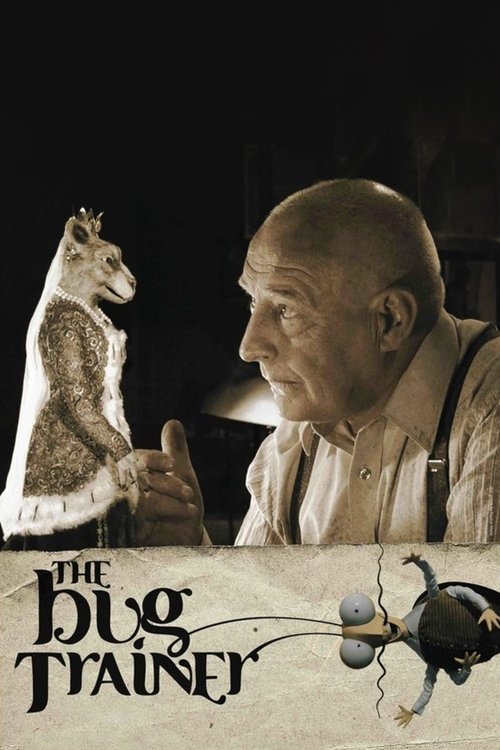
The Bug Trainer explores Starewitch’s creative ideas and concepts of his work, along with opinions from film critics and other animation directors to help us understand why he is considered one of the greatest creators of the animation world.
The Bug Trainer

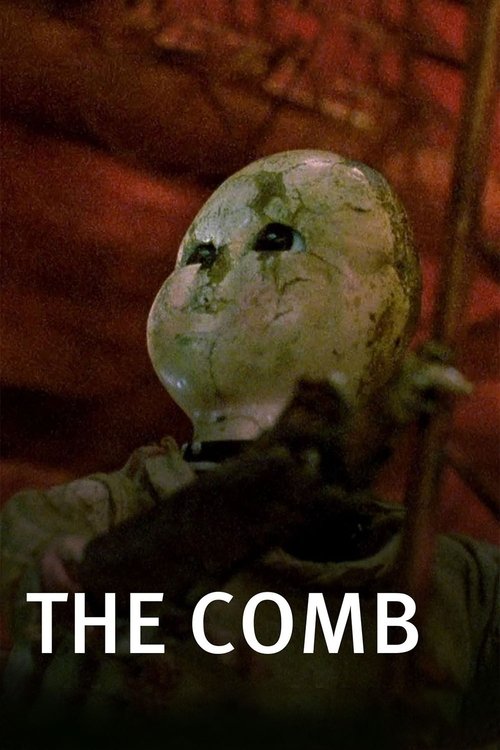
A porcelain doll’s explorations of a dreamer’s imagination.
The Comb

The story of Alice in Wonderland, explored in the stop-motion world of the Quay brothers.
Alice in Not So Wonderland

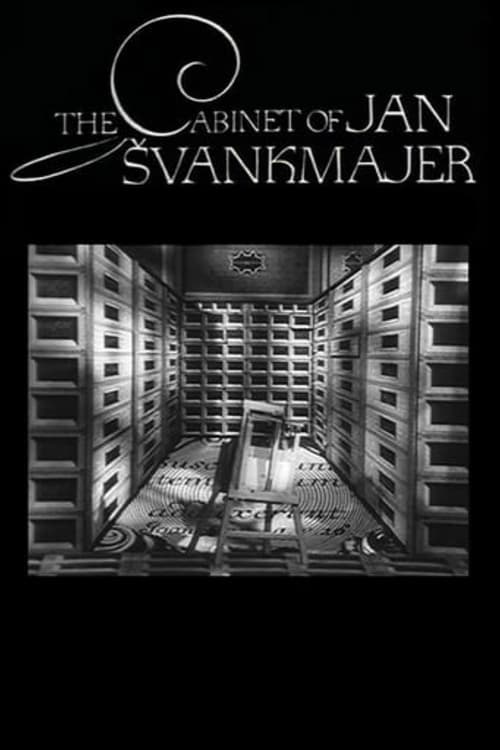
The original 54-minute documentary, as broadcast by Channel Four on 20 June 1984, after which the animated links by the Quay Brothers were recompiled as a separate short.
The Cabinet of Jan Švankmajer: Prague's Alchemist of Film

The movie is set in a technologically developed but, at the same time, feudal world. Beautiful Duenna was created in order to carry out certain mission. However, she will be forced to choose between accomplishing the task she was created for and love.
Maska
One of the best Czech composers of film soundtracks is often described as a genius of film scores. He was not afraid to experiment and the timelessness of his work is proven by the admiration of the world, including the generation who came to know his music only after his death.
The Music of Zdeněk Liška

Short animated film featuring the song "Can't Go Wrong Without You" by His Name Is Alive.
Stille Nacht IV: Can't Go Wrong Without You

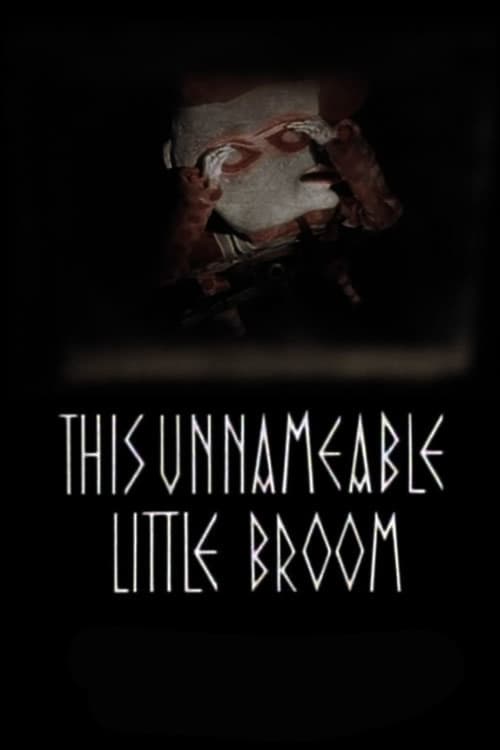
Stop-motion animated short film in which a puppet on a trike captures a puppet bird-man.
This Unnameable Little Broom

In a realm beyond the senses, plants interact with surreal cinematography to chart the course of our character: an entity said to embody the life and work of Felisberto Hernández, Uruguayan father of magical realism. Through this journey, we are confronted with an open-ended experience questioning the nature of musicality versus cinematography, entity versus aberration, and self versus space, in a self-referential, blurry, digital and mystical setting.
Unmistaken Hands: Ex Voto F.H.

Explores some of the most innovative attempts by contemporary artists, filmmakers, architects etc to explore multiple Temporalities and to counter the uniform sense of time promoted by our technology-driven society.