Acting
This devil of a man plunges the viewer into the very heart of the Voltaire whirlwind, that incandescent mind who shook his century. The series follows his meteoric rise, his exiles, his battles and flashes of genius, in a Europe still tightly bound by absolutism. We discover an unbowed, charming, formidable man whose pen makes ministers, kings and fanatics tremble. Between glittering salons, damp prisons and passionate loves, Voltaire crosses the Age of Enlightenment like a meteor. Each episode reveals a confrontation, a flight, a victory wrested through the sheer force of intellect. Carried by elegant direction and a sweeping, novelistic energy, the series paints a vibrant portrait of a fighter for freedom. A journey into the life of a man who never stopped thinking, loving and provoking.
The action takes place under the Restoration, at the Château de Savigny, near Nerville, a devout and prudish little town in the Cotentin region. Doctor Torty is the doctor. He tells a story of which he is the only one to know the secret, that of a criminal couple, without any remorse. The pretty Hauteclaire Stassin, daughter of the master of arms, meets the Count of Savigny, married to the noble and languid Delphine. Madly in love with the count, Hauteclaire joined the castle as a servant. Shortly after, the countess died of poisoning. Will the guilty lovers go unpunished?
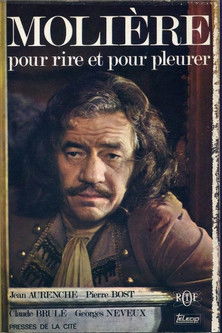
Molière pour rire et pour pleurer recounts the life of Jean‑Baptiste Poquelin, from his childhood in an artisan family to his rise as Molière, a central figure of French theatre. The series shows his difficult decision to abandon the family trade and join Madeleine Béjart to found L’Illustre Théâtre, marked by debts and repeated setbacks. While touring the provinces, he shapes his style and discovers the power of comedy. Back in Paris, he makes a name for himself with Les Précieuses ridicules, but his sharp satires provoke fierce opposition, especially during the Tartuffe scandal. Supported by Louis XIV, he continues despite attacks, literary rivalries, and tensions within his troupe, particularly with Armande Béjart. The miniseries also follows his growing exhaustion, his determination to perform at any cost, and his final breath after Le Malade imaginaire, the ultimate symbol of an artist who lived — and died — for the stage.
Betrayed by an informant, Philippe Gerbier finds himself trapped in a torturous Nazi prison camp. Though Gerbier escapes to rejoin the Resistance in occupied Marseilles, France, and exacts his revenge on the informant, he must continue a quiet, seemingly endless battle against the Nazis in an atmosphere of tension, paranoia and distrust.
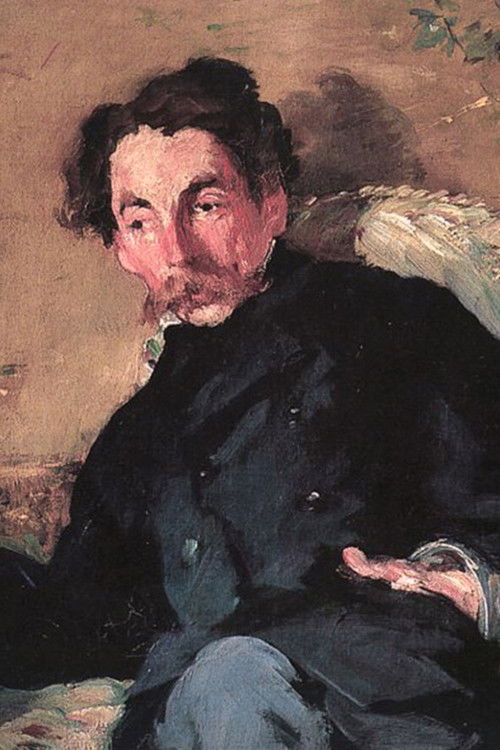
Stéphane Mallarmé is one of the many educational documentaries that Éric Rohmer did for the television during the 1960’s. At the beginning of the film, Rohmer states that he has placed in Mallarmé’s mouth words taken from an interview with the writer by Jules Heuret published in 1891.
No description available.
A crackdown on drugs leads a burned out cop to take the law into his own hands and seek revenge against villainous drug dealers. Word comes down from above that the United States feels French authorities have been lax on their arrests of the dealers. A violent action feature finds the harried inspector battling his colleagues as much as the criminal element targeted for extermination.
A young woman joins a theatrical troupe where she slowly believes that the director is involved with a secret group and that he is in grave danger.
During the First World War, the Empyrée Montmartre, a Paris music-hall, is dedicated to patriotic revues whose star is the charming Mitsou. The young artist is not without talent but she is mainly well-connected. She is indeed the cherished mistress of Pierre Duroy-Lelong, a rich industrialist. One night, thanks to Petite-Chose, an ebullient singer-dancer and her co-star, she gets to know a handsome army, Lieutenant Bleu. Mitsou falls madly in love with him and Lieutenant Bleu is physically attracted to her. The trouble is that Bleu comes from a distinguished family and cannot put up with her lack of culture and artistic bad taste...
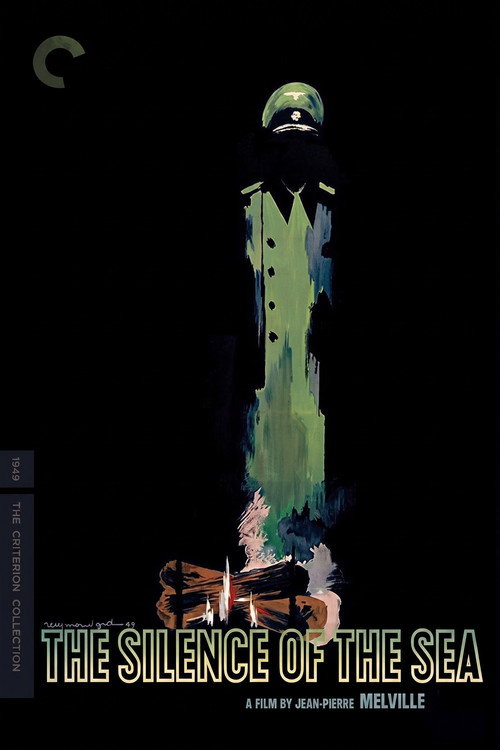
In a small town in WWII France, a German officer is billeted in the house of an elderly man and his niece who resist the occupation by refusing to interact with him, even as he speaks to them candidly about his life and hopes for the future of France and Germany.
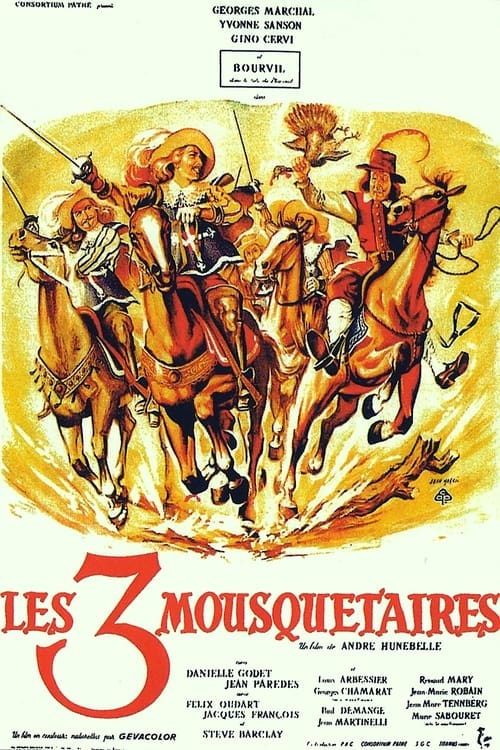
The umpteenth adaptation of Dumas' novel finds d'Artagnan and his friends promoting the love affairs of Anne of Austria and the Duke of Buckingham, incurring the wrath of the Cardinal and exposing themselves to the cold cruelty of Milady de Winter. Also featured are the tender Mme Bonacieux, the hilarious Planchet, the Queen's ferrets and Bethune's executioner, against a backdrop of clanging swords.
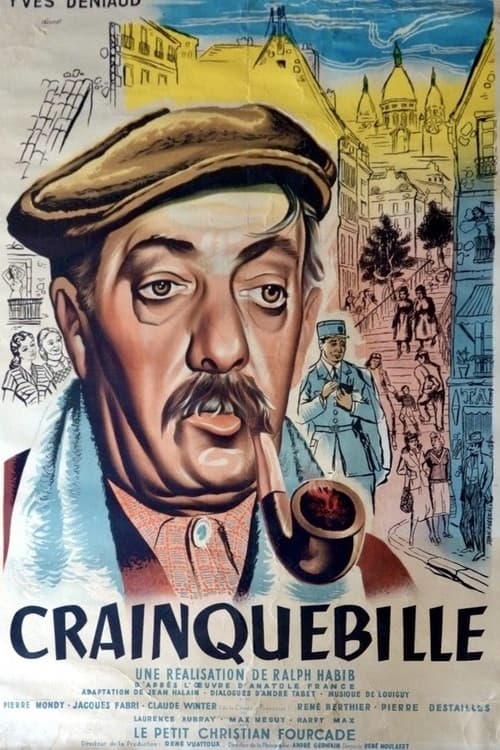
In the Mouffetard district of Paris, Jérôme Crainquebille, an affable four-season merchant, is stopped by a police officer and taken to the station, unjustly accused of shouting "Mort aux vaches!" ("Death to the cows!"). When he returns to work after a fortnight's detention, he is ostracized by his neighbors. Lonely, Crainquebille sank into despair and alcoholism. His life in prison seemed sweeter, and his attempts to return were in vain. He owes his salvation to the affection of a local kid.
FBI Agent Lemmy Caution is sent after a missing two million in Casablanca while mob boss mistress Carlotta plays both sides of the law.
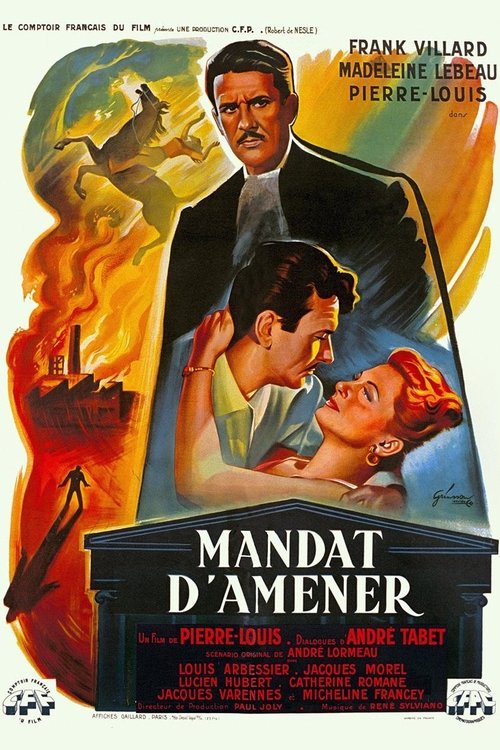
Appointed public prosecutor in a small provincial town, Gérard Latour befriends Delanglade, whose young wife becomes his mistress. Shortly afterwards, a fire ravages Delanglade's factory. During the ensuing investigation, the Public Prosecutor discovers the troubled past of the industrialist and his front man, Jacques Perthuis, an ex-convict. They themselves set fire to the factory to collect the insurance premium. Gérard Latour, suspecting his mistress of complicity in her husband's machinations, leaves her after a stormy argument.
An American is on the run in the streets and back alleys of France.
Marc, a motorcycle brigadier, is engaged to the charming Véronique. But his future brother-in-law, the clumsy Roger, leader of a Sunday motorcycle gang, has set his sights on joining the motorcycle police.
Elisabeth and her brother Paul live isolated from much of the world after Paul is injured in a snowball fight. As a coping mechanism, the two conjure up a hermetic dream of their own making. Their relationship, however, isn't exactly wholesome. Jealousy and a malevolent undercurrent intrude on their fantasy when Elisabeth invites the strange Agathe to stay with them -- and Paul is immediately attracted to her.
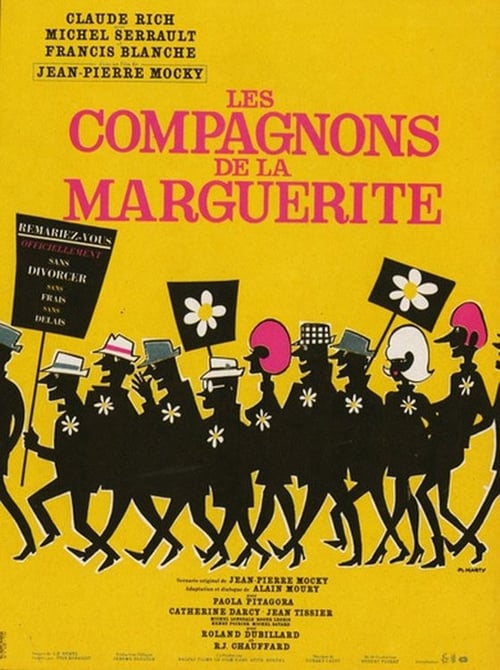
Matou is an innocuous, gentle-looking man. He is married to a formidable, even a frightening woman, who is as dissatisfied with him as he is with her. He knows everything there is to know about restoring and authenticating manuscripts, particularly ancient ones, through his job at the museum. One day, it occurs to him that his skills could be put to use in a more personal way, and he embarks on a private career of re-arranging the documents of people who have had the misfortune to be married to the wrong people.