FEEL IT.STREAM
Věra Chytilová

Věra Chytilová

Directing

Biography

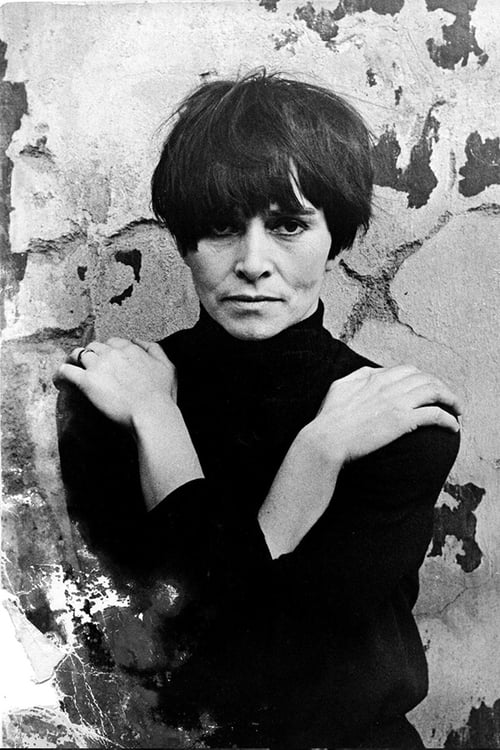
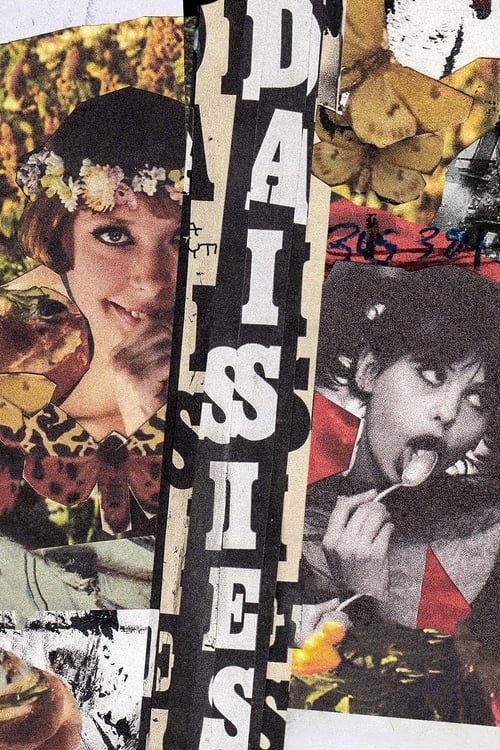
Věra Chytilová (February 2, 1929 – March 12, 2014) was an avant-garde Czech film director and pioneer of Czech cinema. At the age of 28 she was accepted into the Film and TV School of the Academy of Performing Arts in Prague (FAMU). While attending FAMU she studied underneath renowned film director Otakar Vavra, graduating in 1962. Chytilová is best known for her once highly controversial film Sedmikrásky (Daisies) – (1966). Daisies is known for its un-sympathetic characters, lack of a continuous narrative and abrupt visual style. Chytilová states that she structured Daisies to “restrict [the spectator’s] feeling of involvement and lead him to an understanding of the underlying idea or philosophy”. The film was banned within Czechoslovakia upon its initial release in 1966 until 1967, but in 1966 the film won the Grand Prix at the Bergamo Film Festival in Italy. After Daisies the government made it very difficult for Chytilová to find work within Czechoslovakia, even though she was never officially classified as a 'blacklisted' director. After the Soviet Union invasion in 1968 it was virtually impossible for her to find work and she resorted to directing commercials under her husband’s name, Jaroslav Kučera. In 1976, due to the low cinema attendance she was approached by the government to begin directing films through a state-run production company. At the same time the United States was assembling a 'Year of Women' Film Festival and contacted Chytilová to gain permission to screen Daisies as their opening film. She informed the festival that the only non-censored prints of the film could be found in Paris and Brussels, and that her government would not allow her to attend the festival, nor were they allowing her to direct films. The festival then began to apply international pressure upon the Czechoslovakian government by petitioning on Chytilová’s behalf. In accordance with this international pressure Chytilová wrote a letter directly to President Gustáv Husák. Due to the success of the international pressure, and Chytilová’s personal appeal to President Husak, Chytilová began production of Hra o jablko (The Apple Game, 1976). The Apple Game was completed and then was screened at the Karlovy Vary International Film Festival, and won the Silver Hugo and the Chicago International Film Festival. Chytilová described herself as a control freak and was known as being actively critical of the Soviet Union, stating that “My critique is in the context of the moral principles you preach, isn’t it? A critical reflection is necessary”. She would routinely cause havoc to make films that were loyal to her vision regardless of the heavy censorship that was routinely imposed. Věra Chytilová’s last film was released in 2006, and she has taught directing at FAMU. Chytilová embodied a unique cinematographic language and style that does not rely on any literary or verbal conventions, but rather utilizes various forms of visual manipulations to create meaning within her films. Chytilová used observations of everyday life in accordance with allegories and surreal contexts to create a personalized film style that is greatly influenced by the French New Wave, and Italian neorealism.
Known For

No image
N/A

No description available.

GENUS

1995
No image
N/A

Television series Golden Sixties examines new insights into Czech and Slovak cinema of the 1960s and the role of the Czechoslovak New Wave. Each episode focuses on a different filmmaker.

Golden Sixties

2009
Daisies
7.3

Two teenage girls embark on a series of destructive pranks in which they consume and destroy the world around them.

Daisies

1966
No image
N/A

Nora and Bing Bing are best friends who scam sugar daddies for a living. When they discover a Hermes Birkin bag they were gifted is a fake, their “boyfriends” and crimes catch up with them and they are sent on a romp through their hometown of Hong Kong.

Peaches

No image
9.0

Chytilová’s highly impressive but little-known documentary provides a fascinating and atmospheric journey into a hidden culture, one in which she herself participated. Chytilová investigates the lives of three Czech photographers (Václav Chochola, Karel Ludwig, Zdeněk Tmej) from the 30s to the present, and also embraces the submerged world of 50s culture and the work of novelist Bohumil Hrabal and artist Vladimír Boudník.

Flights and Falls

2000
CzechMate: In Search of Jiří Menzel
6.5

An epic exploration of the Czechoslovak New Wave cinema of the 1960s and 70s, structured around a series of conversations with one of its most acclaimed exponents - Closely Observed Trains director Jiří Menzel.

CzechMate: In Search of Jiří Menzel

2018
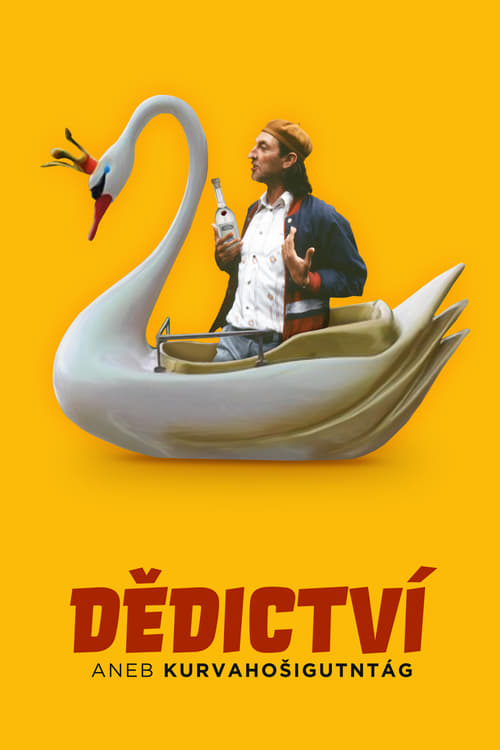
The Inheritance or Fuckoffguysgoodday
6.8

Bohus is indolent and spends his days drinking brandy. One day he finds he has inherited a brickworks, several shops and a five-star hotel. Bohus sets out to tour his new empire, insulting everyone on the way.

The Inheritance or Fuckoffguysgoodday

1992
Ceiling
5.6

The young Marta has made a break in her medical education to fully invest in her career as a model. We follow her for a day in her life, almost completely without hearing her voice. It is seldom that Marta gets the space to speak, instead she is mostly subject to the voice of others.

Ceiling

1962
No image
8.0

Chytilová was not allowed to direct films between 1969 and 1976. The sole exception was the made-for-TV film Kamarádi, now virtually unknown.

Comrades

1971
Wolf's Hole
6.8

Eleven disparate adolescents, gathered for a skiing camp at an isolated winter resort, find themselves preyed upon and set against one another by their three mysterious instructors.

Wolf's Hole

1987
Expulsion from Paradise
4.1

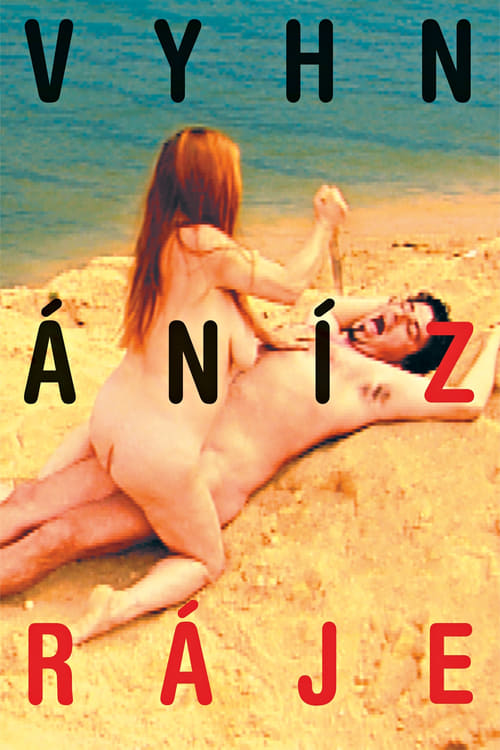
Philosophical movie, staged at the least philosophical environment imaginable: A closed scenery of a nudist spot, where some hired Czech stuff is making a plain erotic movie for a rich Russian producer. Nothing in this movie is what it seems to be at the first superficial glance.

Expulsion from Paradise

2001
The Apple Game
6.1

Sarcastic comedy about the Czechoslovakia of the seventies. A young gynaecologist can't figure out whether to get serious with a young nurse or to stay casual with his married lover. Things get complicated when both women don't want to play his game anymore.

The Apple Game

1978
Hudba z Marsu
6.1

The employees of the furniture company MARS welcome a rare visitor with hired music. Their boast that they would put together an orchestra is taken seriously, so they receive a small gift - musical instruments for thirty musicians.

Hudba z Marsu

1955
Something Different
6.3

In her first feature, Věra Chytilová uses a combination of documentary and fiction film techniques to tell two stories in counterpoint. The first follows Olympic champion gymnast Eva Bosáková, who contemplates retirement as she undergoes a gruelling training schedule; the second, a housewife who is unappreciated and ignored by her husband.

Something Different

1963
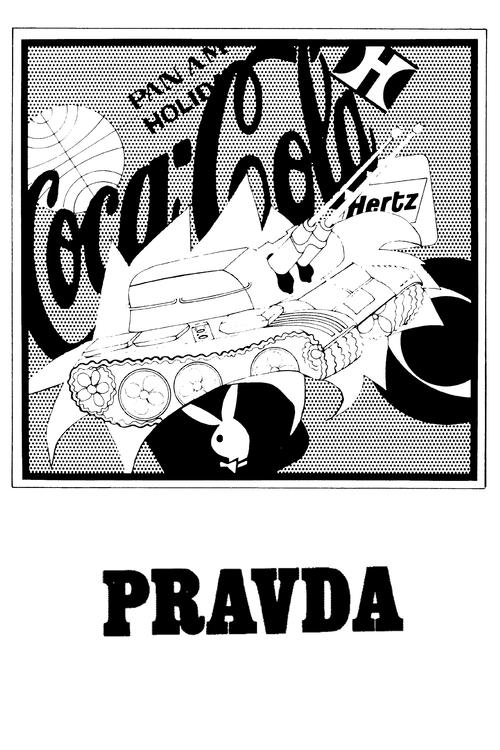
Pravda
5.8

Filmed clandestinely in Czechoslovakia on 16mm. It's one of the films Godard made with the Groupe Dziga Vertov - a Marxist film about the political situation after the '68 revolution.

Pravda

1970
Panelstory or Birth of a Community
7.2

An old man is wandering round a badly signposted and as yet mostly under construction Prague housing estate looking for the high rise block into which he is supposed to be moving with his daughter's family. The old granddad from the countryside likes chatting, nothing escapes his eyes and he wants to give everyone a helping hand.

Panelstory or Birth of a Community

1981
To Make a Comedy Is No Fun
5.8

Documentary feature about Czech director Jiří Menzel, featuring Menzel himself as well as Miloš Forman, Emir Kusturica, István Szabó and others.

To Make a Comedy Is No Fun

2016
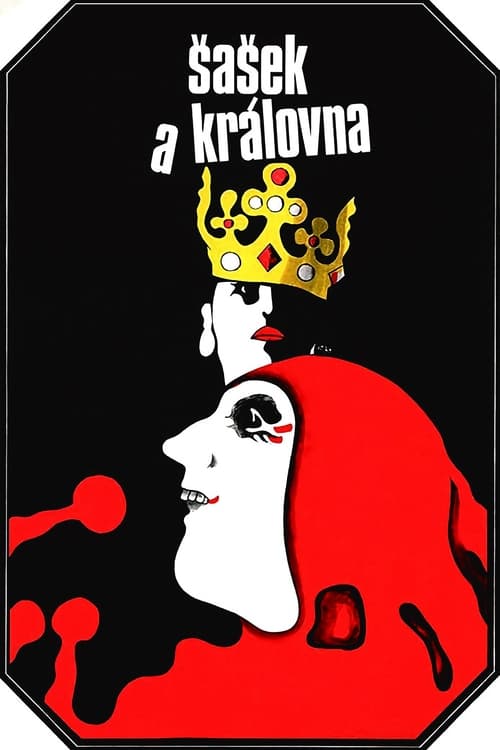
The Jester and the Queen
6.8

The movie is a satirical look at foreign occupation - a medieval Czech jester entertains a German king and his French wife, or a modern Czech villager helps a Bavarian hunter and his French wife find wild boar in Bohemia - the story switches back and forth between the two plots and time-periods.

The Jester and the Queen

1988
The Emperor and the Golem
7.0

The Emperor's mismanagement of his country is provoking some in his court to plot to overthrow him. He feels successful, at least, when he discovers the legendary Golem, which he believes can protect him and even cure his imaginary illnesses but, when he disappears while on a bender, his kindly baker, who looks just like him, is mistaken for him, and begins to put things in order. However, the conspirators, not to be outdone, determine to bring the Golem back to life to do their bidding.

The Emperor and the Golem

1952
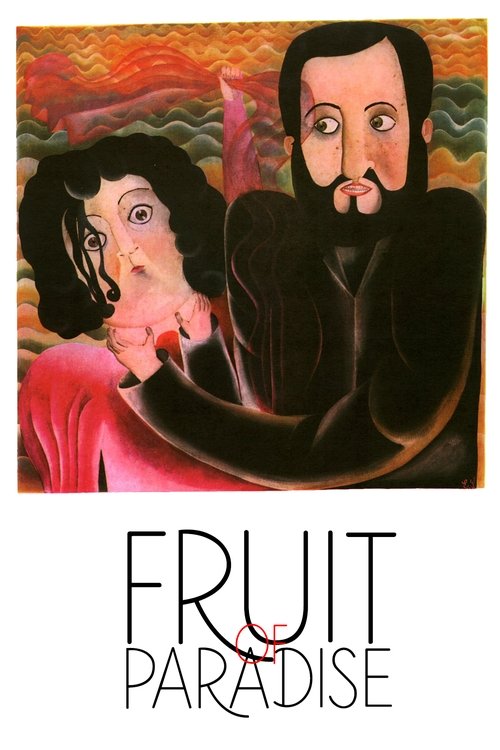
Fruit of Paradise
6.3

An experimental retelling of the story of Adam and Eve which then progresses into an allegorical depiction of the loss of innocence.

Fruit of Paradise

1970