Writing
Series of single made-for-television dramas.
The Dick Cavett Show has been the title of several talk shows hosted by Dick Cavett on various television networks.
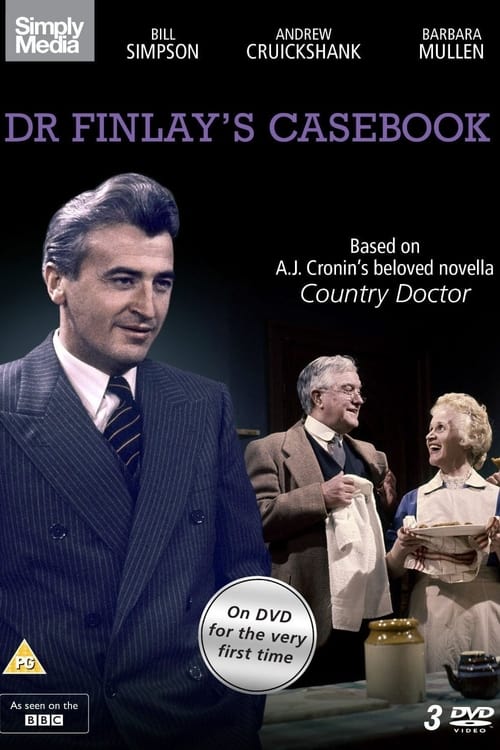
Dr Finlay's Casebook is a BBC television series that was broadcast from 1962 until 1971. Based on A. J. Cronin's novella Country Doctor, the storylines centred on a general medical practice in the fictional Scottish town of Tannochbrae during the late 1920s.
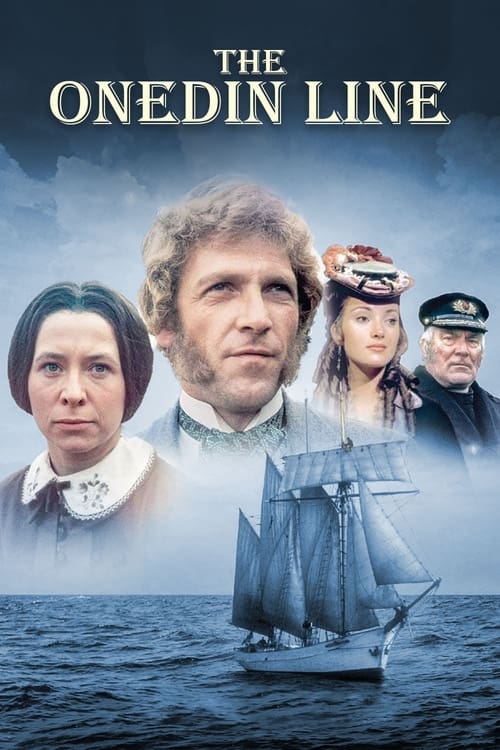
The Onedin Line is a BBC television drama series which ran from 1971 to 1980. The series was created by Cyril Abraham. The series is set in Liverpool from 1860 to 1886 and deals with the rise of a shipping line, the Onedin Line, named after its owner James Onedin. Around this central theme are the lives of his family, most notably his brother and partner, shop owner Robert, and his sister Elizabeth, giving insight into the lifestyle and customs at the time, not only at sea, but also ashore. The series also illustrates some of the changes in business and shipping, such as from wooden to steel ships and from sailing ships to steam ships. It shows the role that ships played in affairs like international politics, uprisings and the slave trade.
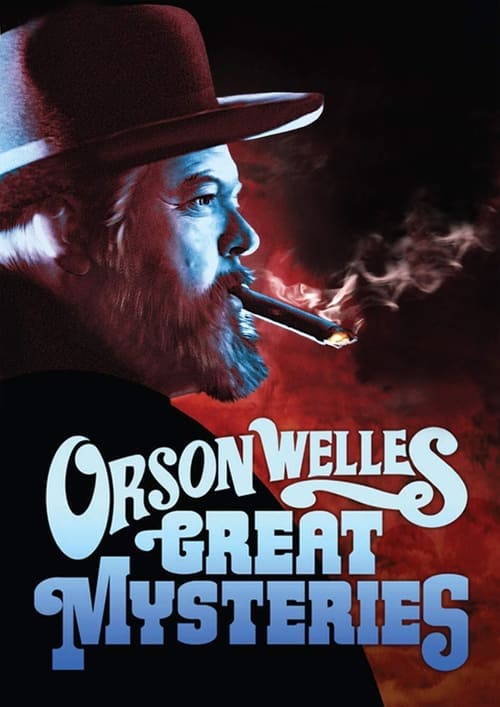
Orson Welles’ Great Mysteries is a British television anthology series produced by Anglia Television for the ITV network and broadcast between 1973 and 1974. The series presents standalone adaptations of classic mystery, crime, and supernatural stories drawn from literary sources including Dickens, Conan Doyle, Wilkie Collins, Balzac, Maugham, O. Henry, and others. Each episode is framed by original introductory and closing sequences performed by Orson Welles, who serves as the series’ host and sole recurring on-screen presence. These segments, written and directed by Welles (uncredited), function as stylized narrative framing devices rather than dramatic participation in the stories themselves. The dramatic content of each episode is performed by separate casts and directors, with no continuing characters or serialized narrative, establishing the series as a unified television anthology rather than a collection of standalone films.
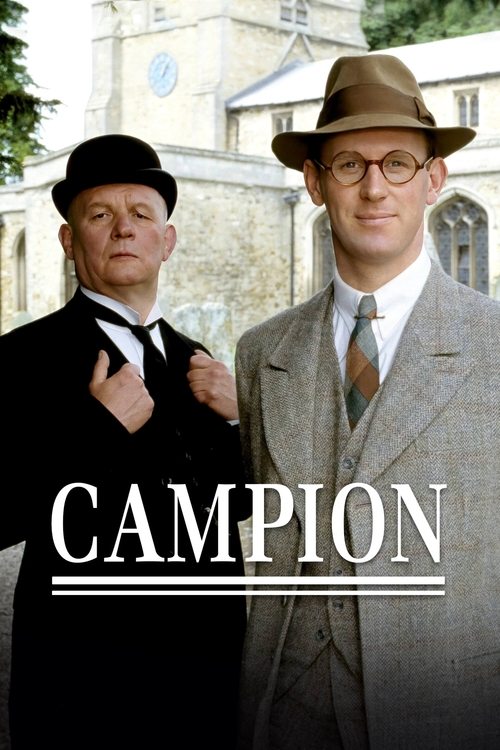
Campion is a television show made by the BBC, adapting the Albert Campion mystery novels written by Margery Allingham. Two series were made, in 1989 and 1990, starring Peter Davison as Campion, Brian Glover as his manservant Magersfontein Lugg and Andrew Burt as his policeman friend Stanislaus Oates. A total of eight novels were adapted, four in each series, each of which was originally broadcast as two separate hour-long episodes. Peter Davison sang the title music for the first series himself; in the second series, it was replaced with an instrumental version.
Armchair Mystery Theatre is a 60-minute United Kingdom television anthology mystery series. Thirty-four episodes aired from 1960-65. It was hosted by Donald Pleasence and produced by Leonard White.
A completely lost BBC1 drama series centred on the King family, who love, live, fight and work around a harbour in the Thames estuary.
A chronicle of three working-class Manchester lads and their descendants spanning from 1877 to the onset of the Second World War. Hamer Shawcross' youthful socialist zeal soon converts to personal ambition, exploiting the Labour movement to become an MP, marrying well and eventually entering the House of Lords. Arnold Ryerson is the sensitive and courageous pioneer of Trade Union growth. Tom Hannaway is a perky opportunist who progresses from rag-and-bone man to tycoon and a knighthood following his own self-help philosophy.
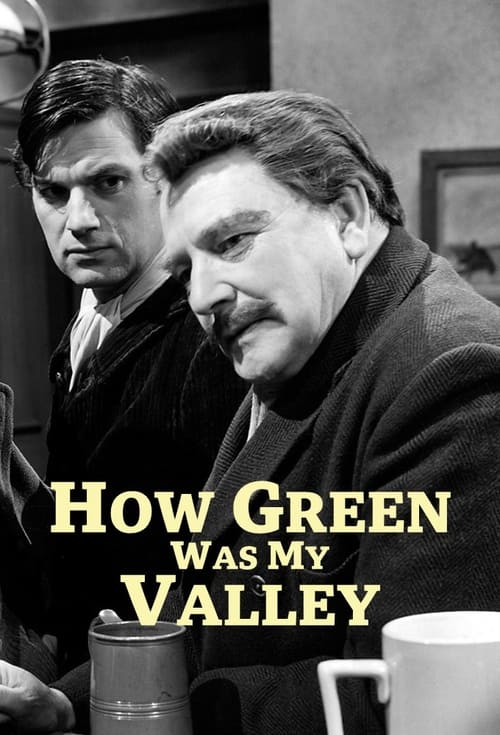
How Green Was My Valley is a six-part television miniseries adapted by Elaine Morgan, based on Richard Llewellyn's eponymous 1939 novel. The serial is produced by the BBC and 20th Century Fox Television for BBC Two—the latter's involvement is due to their ownership of the rights to the novel and its subsequent Oscar-winning 1941 film. Huw Morgan, the academically inclined youngest son in a proud family of Welsh coal miners, witnesses the tumultuous events of his young life during a period of rapid social change. At the dawn of the 20th-century, a miners' strike divides the Morgans: the sons demand improvements, and the father doesn't want to rock the boat.
Anthology of plays showing the world as children see it.
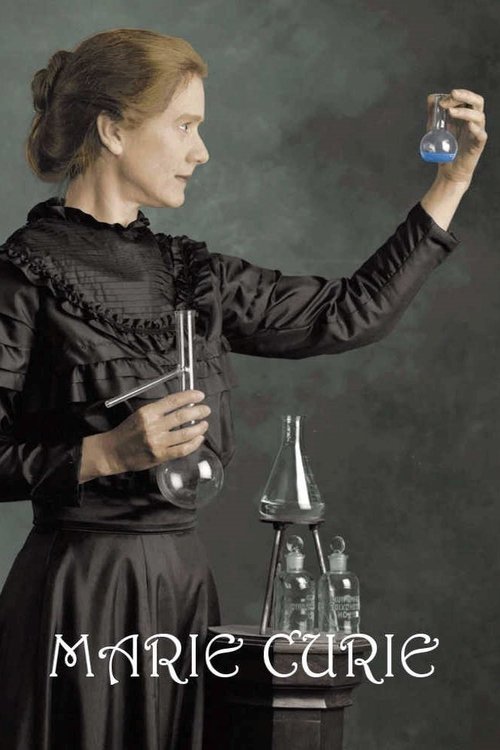
BBC mini-series with Jane Lapotaire in the title role. The programme chronicles the work of scientific pioneer Marie Curie as she conducts her research into radioactivity, makes the famous discovery of Radium and wins Nobel Prizes for both Physics and Chemistry. The programme also looks at key events that affected the soon-to-be famous revolutionary including the devastating death of her husband (Nigel Hawthorne) and her subsequent controversial affairs.
Despite seemingly having everything (a husband, children, a house), Jean is unsatisfied.
Series of short plays from different regions of the British Isles.
Women-led piece, written by Elaine Morgan.
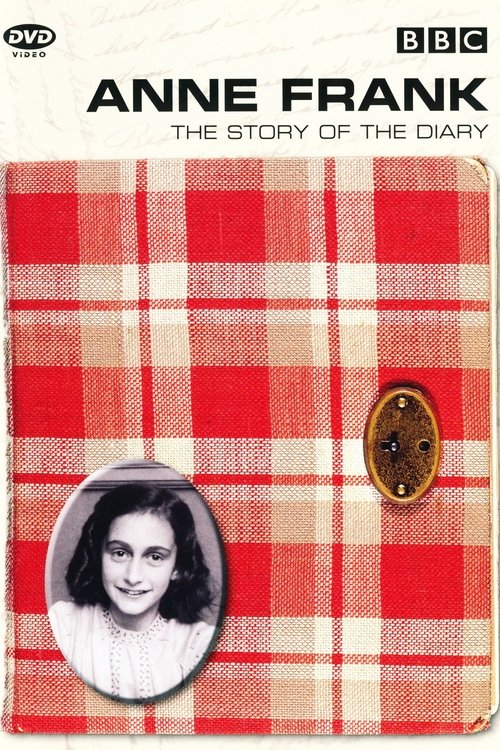
The Diary of Anne Frank is 1987 BBC televised miniseries. It was based on The Diary of a Young Girl by Anne Frank, and it starred Elizabeth Bell, Janet Amsbury, Katharine Schlesinger and Emrys James.
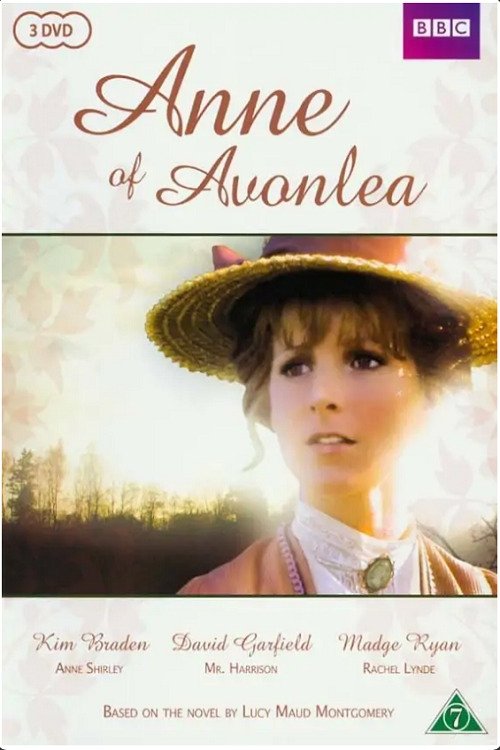
Anne of Avonlea is a film made for television 4-part mini-series, developed in United Kingdom. It is based on Anne of Avonlea, the sequel to Anne of Green Gables by Lucy Maud Montgomery.
Elaine Morgan’s imaginative sequel to The Taming of the Shrew.
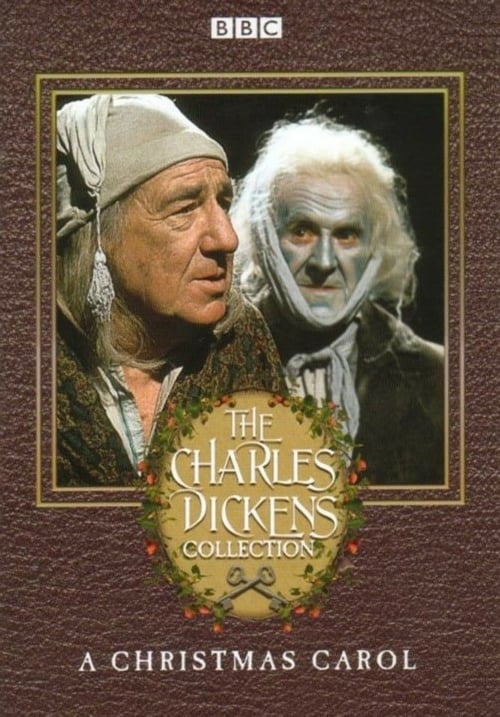
Miser Ebenezer Scrooge is awakened on Christmas Eve by spirits who reveal to him his own miserable existence, what opportunities he wasted in his youth, his current cruelties, and the dire fate that awaits him if he does not change his ways. Scrooge is faced with his own story of growing bitterness and meanness, and must decide what his own future will hold: death or redemption.
The Life and Times of David Lloyd George charts the life of the controversial Liberal politician with Philip Madoc in the titular role. The title theme, Chi Mai, was by Ennio Morricone