FEEL IT.STREAM
William F. Claxton

William F. Claxton

Directing

Biography

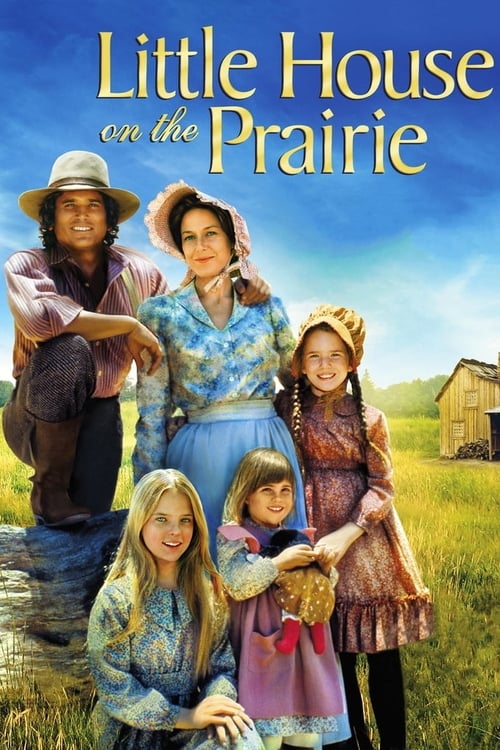
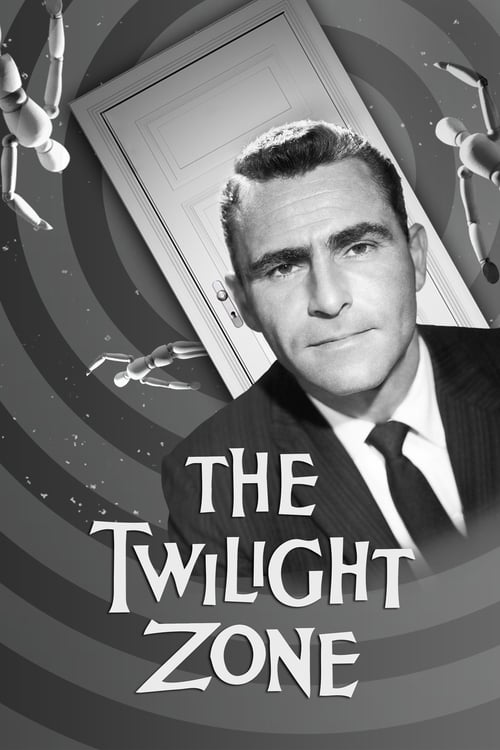
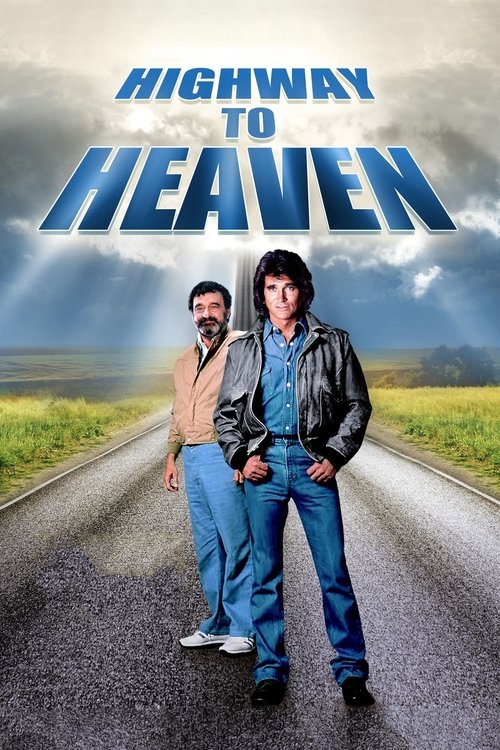
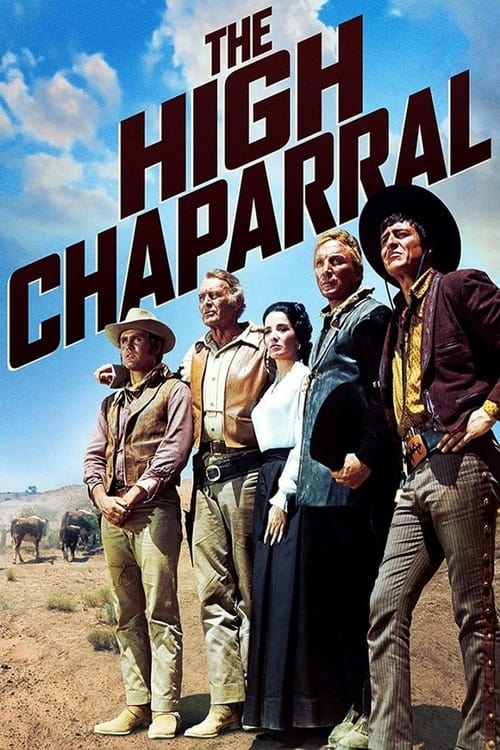
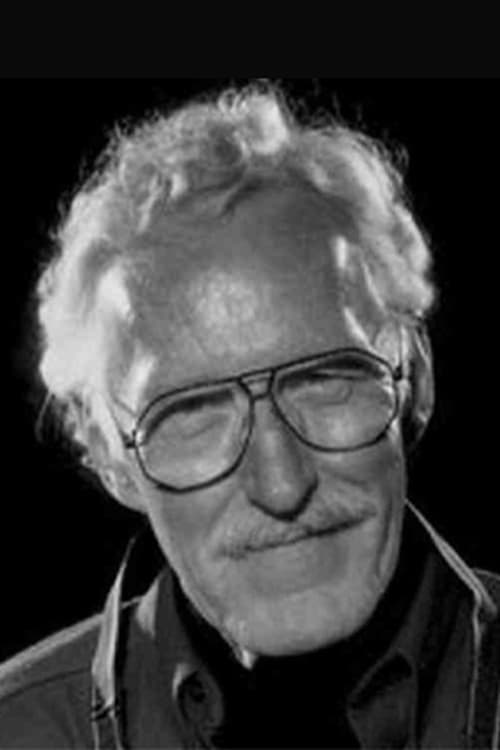
William Francis Claxton (October 22, 1914 – February 11, 1996) was an American film and television producer, editor and director. He made a number of films for Robert L. Lippert. He also directed and produced episodes of Bonanza, the NBC-TV series Little House on the Prairie, and also directed episodes of the NBC-TV series Father Murphy, The Rifleman, The Twilight Zone, Fame, and The High Chaparral. Claxton got his start in Hollywood as a film editor in the 1940s, where he was employed an editor for Edward Small Productions, as he would move into directing of second feature films by 1950s and 1960s, and also delve into television directing during this period. During World War II, Claxton served in the U.S. Army Signal Corps as a captain. Claxton worked under Frank Capra as a film editor on the Why We Fight series. Claxton worked alongside Theodor Seuss Geisel (Dr. Seuss) in the animation and film department of the U.S. Army. Claxton's very first directorial effort was 1951's All That I Can Have. Claxton, who is best known for his TV work, enjoyed a long stint as producer/director of the syndicated Christian anthology series This is the Life (which was his first work in TV) from 1951 to 1980. He spent much of the 1950s with 20th Century Fox's Regal Pictures subsidiary, turning out medium-budget films which included the films God Is My Partner (1956) and Desire in the Dust (1960); occasionally, as in the cast of Rockabilly Baby (1957), he produced as well as directed. Claxton was a close friend to actor Michael Landon, with whom he worked on the NBC-TV series Bonanza, Little House on the Prairie and then Highway to Heaven, and who also enjoyed the This is the Life series, which Claxton was involved with. Claxton also directed the feature-length series pilot Bonanza: The Next Generation (1988).
Known For

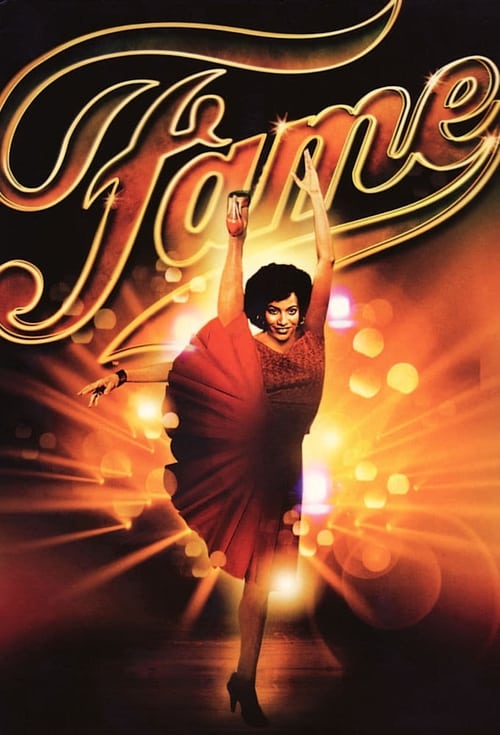
Fame
6.8

An American television series originally produced between 1982 and 1987. The show is based on the 1980 motion picture of the same name. With a mixture of drama and music, it followed the lives of the students and faculty at the New York City High School for the Performing Arts. Although fictional, it was based heavily on the actual Fiorello H. LaGuardia High School of Music & Art and Performing Arts in New York. Most interior scenes were filmed in Hollywood, California, and in all seasons but the third, several exterior scenes were shot on location in New York City. The popularity of the series, particularly in the UK, led to several hit records and live concert tours by the cast. Despite its success, very few of the actors maintained high-profile careers after the series was cancelled. A number of the cast members were seen again briefly in Bring Back...Fame, a reunion special made for British television in 2008.

Fame

1982Series
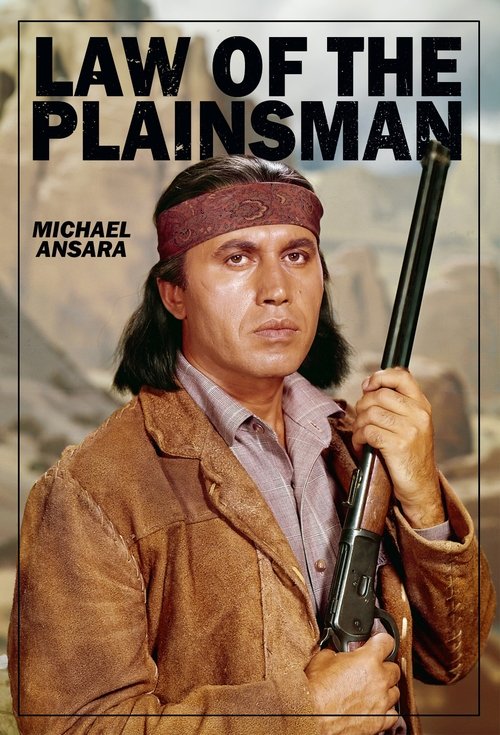
Law of the Plainsman
7.3

Law of the Plainsman is a Western television series starring Michael Ansara that aired on the NBC television network from October 1, 1959, until May 5, 1960. The character of Native American U.S. Marshal Sam Buckhart was introduced in two episodes of the popular ABC Western television series The Rifleman starring Chuck Connors as Lucas McCain. Law of the Plainsman is distinctive and unique in that it was one of the few television programs that featured a Native American as the lead character, a bold move for U.S.network television at that time. Ansara had earlier appeared in the series Broken Arrow, having portrayed the Apache chief, Cochise. Ansara, however, was not Native American but of Syrian descent. Ansara played Sam Buckhart, an Apache Indian who saved the life of a U.S. Cavalry officer after an Indian ambush. When the officer died, he left Sam money that was used for an education at private schools and Harvard University. After school, he returned to New Mexico where he became a Deputy Marshal working for Marshal Andy Morrison. He lived in a boarding house run by Martha Commager. The only other continuing character was 8-year old Tess Logan, an orphan who had been rescued by Buckhart. Robert Harland, later of Target: The Corruptors! starred in seven episodes as Deputy Billy Lordan. Wayne Rogers, who went on to star in another Four Star western, Stagecoach West, and later, M*A*S*H, also played deputy Lordan in several episodes.

Law of the Plainsman

1959Series
No image
8.0

The Cowboys was a short-lived Western television series based on the 1972 motion picture of the same name starring John Wayne. It aired on the American Broadcasting Company television network from February 6 to May 8, 1974. The television show starred Jim Davis, Diana Douglas, Moses Gunn, A Martinez, Robert Carradine, and Clay O'Brien. David Dortort, best known for Bonanza and The High Chaparral, produced the series. The television show, like the movie, followed the exploits of seven boys who worked on a ranch in 1870s New Mexico. The Cowboys began as an hour-long series, but ABC decided to reduce running time to a half hour format. The format change did not lead to increased viewers, and the show was the victim of early cancellation. Guest stars included Cal Bellini as Wa-Cha-Ka in "The Indian Givers", Kevin Hagen as Josh Redding in "Death on a Fast Horse", and Lurene Tuttle as Grandma Jesse in "Many a Good Horse Dies".

The Cowboys

1974Series
No image

Presented by the “This is the Answer!” series and produced by A Family Films in conjunction with the Radio and Television Commission of the Southern Baptist Convention in Ft. Worth Texas, this 1950s-era film titled “Pay the Piper” seeks to teach the viewer biblical lessons through everyday scenarios. Directed by William F. Claxton, this teleplay by Lowell S. Hawley is an adaptation of a story by Dr. Paul M. Stevens and chronicles the unfortunate premature death of family man Charles Thompson’s daughter due to underage drinking. As a result, Charles Thompson goes on a crusade throughout his local community to put an end to the sale of alcohol despite later discovering that it was his own personal stash of liquor that had been the cause of the accident. This scenario is used to convey a biblical lesson from Galatians 6:7.

Pay the Piper

1959Movie