Acting
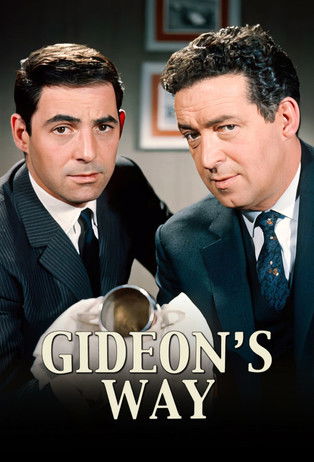
Gideon's Way is a British television crime series made by ITC Entertainment in 1964/65, based on the novels by John Creasey. The series was made at Elstree in twin production with The Saint TV series. It starred Liverpudlian John Gregson in the title role as Commander George Gideon of Scotland Yard, with Alexander Davion as his assistant, Detective Chief Inspector David Keen, Reginald Jessup as Det. Superintendent LeMaitre, Ian Rossiter as Detective Chief Superintendent Joe Bell and Basil Dignam as Commissioner Scott-Marle. The show did not acknowledge any help from Scotland Yard, any other police force or advisor. Daphne Anderson starred as his wife, Kate with Giles Watling as young son, Malcolm, Richard James as older son, Matthew who seemed to have a lot of new girlfriends and Andrea Allan as daughter, Pru. Unusually for police stories, Gideon was shown as a family man at home though urgent phone calls from his bosses tend to disrupt family plans too often. However, he did admit in "State Visit" that his wife had walked out on him for a while years ago when he put the job first and her second. They live in an expensive detached house in Chelsea.
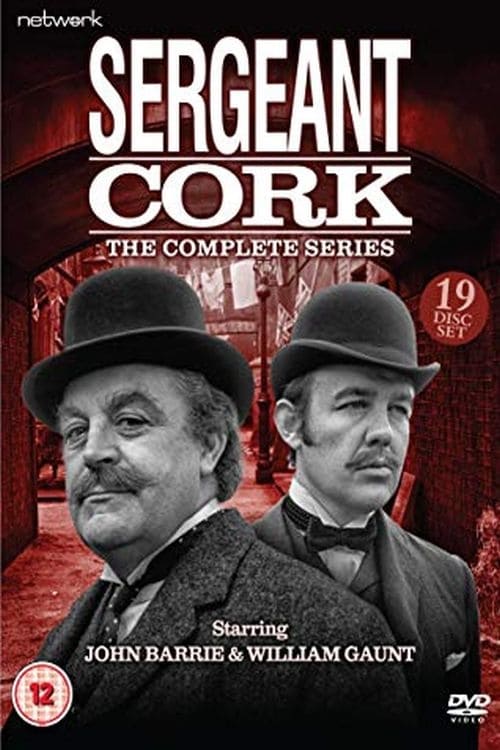
Sergeant Cork is a British detective television series which first aired between 1963 and 1968 on ITV. It was a police procedural show that followed the efforts of two police officers and their battle against crime in Victorian London. In all 66 hour-long episodes were aired during the five-year run, although the last episode was not broadcast until January 1968, 16 months after the others. Journalist Tom Sutcliffe has credited it as a first example of the use of the Victorian-era policeman in a television crime series. A 1969 review in The Age opined that rather than suspense, the strengths of the series were its "excellent period settings and wonderfully thick pea-soupers" which "add up to splendid evocative stuff", as well as the performance of star John Barrie. At no time during the whole series is Sergeant Cork's first name given.
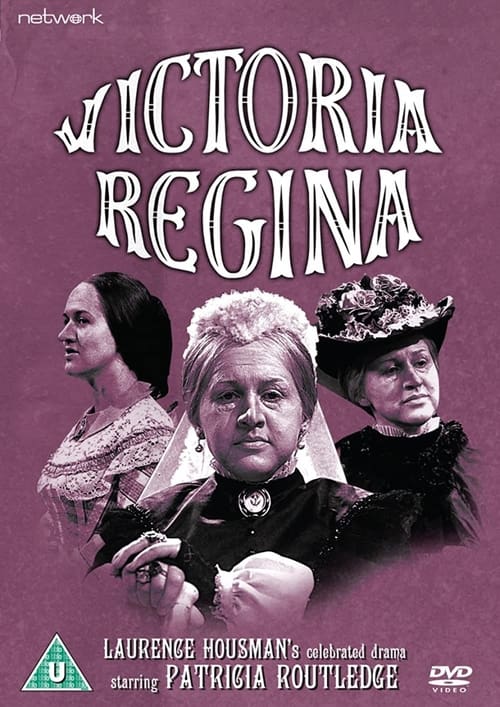
Patricia Routledge gives a career-best performance as Queen Victoria in this 1964 series of plays based on the celebrated collection of dramas by playwright Laurence Housman. Self-willed, obstinate, imperious and passionate... a now-familiar description of one of history's longest-serving female monarchs – but Housman's satirical tribute marked a decisive break with the tradition of the uncritical historical portrait. A Broadway hit deemed too disrespectful for public performance in Britain until the late 1930s, Victoria Regina is a frank portrayal of an extraordinarily complex woman, tracing her development from royal teenager to inconsolable widow at the helm of a vast empire, with all her contradictions, prejudices and unconstitutional behavior.
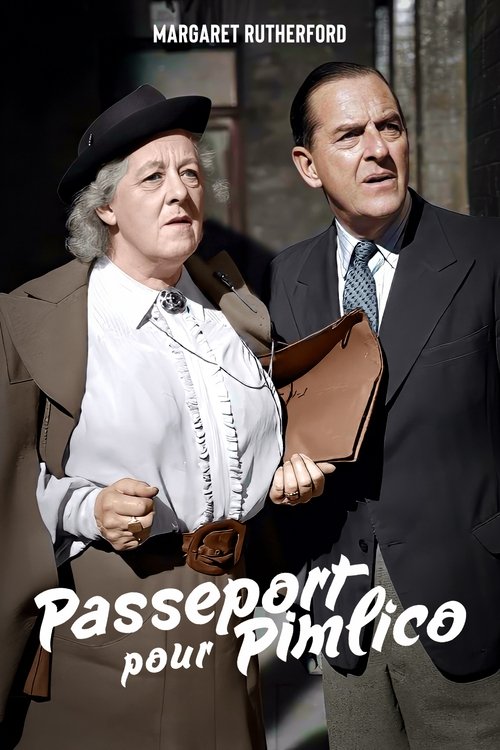
When an unexploded WWII bomb is accidentally detonated in Pimlico, it reveals a treasure trove and documents proving that the region is in fact part of Burgundy, France and thus foreign territory. The British government attempts to regain control by setting up border controls and cutting off services to the area.
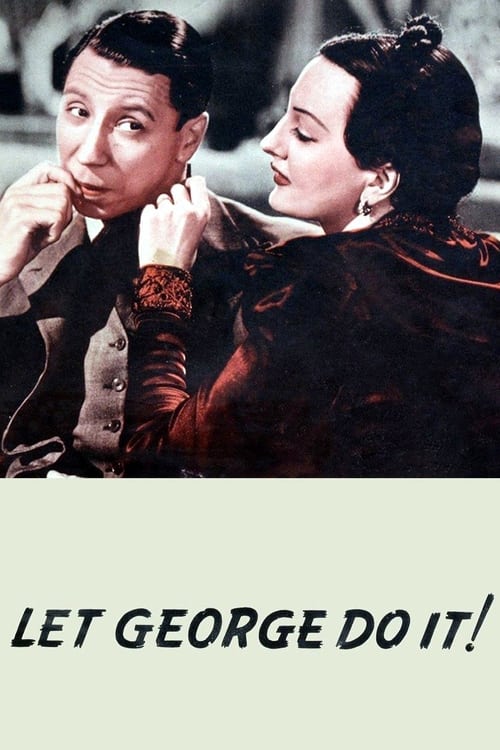
Shortly after the start of World War II, a ukelele player (George) takes the wrong boat and finds himself in (still uninvaded) Norway. He is mistaken for a fellow British intelligence agent by a woman (Mary), and becomes involved in trying to defeat Nazi agents.
This show was a series of six plays in which the hero of one was the villain in another, thus illustrating the good and bad sides of the characters.
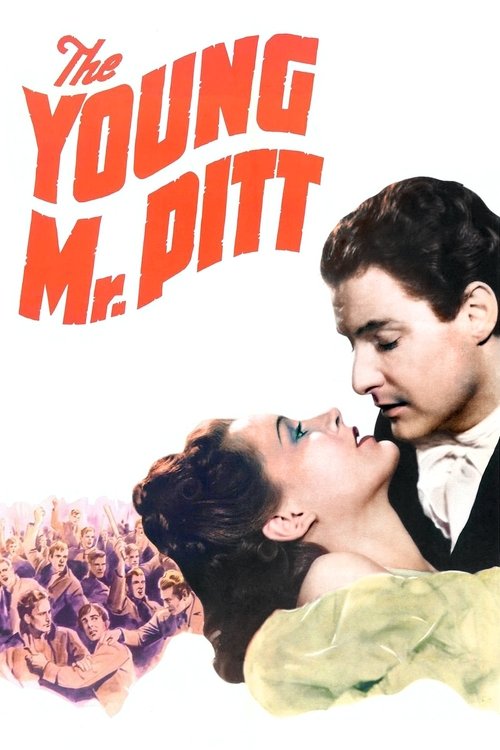
In 1783 England, King George III appoints William Pitt only 24 years old, as PM. When members of Parliament refuse to take Pitt seriously, he calls for a general election and wins. Pitt works to reform England, focusing on rebuilding the navy while across the sea in France, Napoleon Bonaparte begins his conquest of Europe.
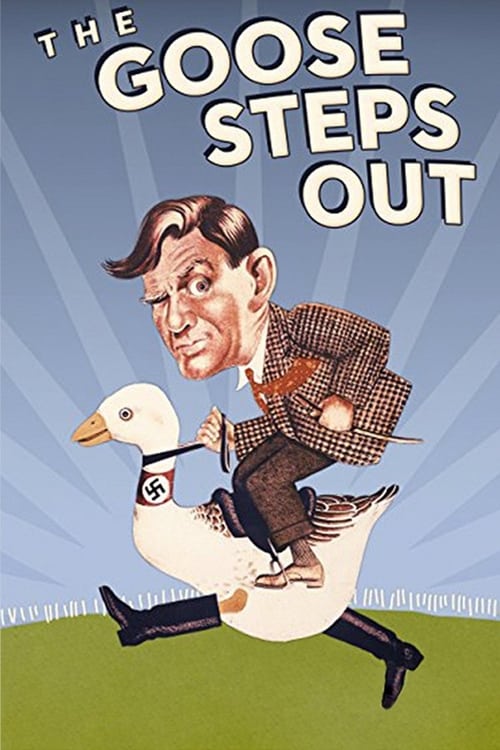
Schoolteacher William Potts is the double of a captured German spy, so he is sent to Germany by British Intelligence to obtain the plans of a new secret weapon, causing chaos in a Hitler Youth school in the process.
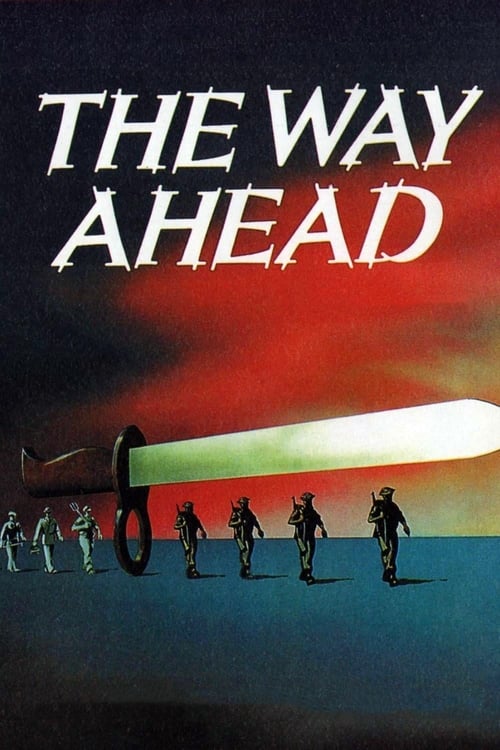
A mismatched collection of conscripted civilians find training tough under Lieutenant Jim Perry and Sergeant Ned Fletcher when they are called up to replace an infantry battalion that had suffered casualties at Dunkirk.
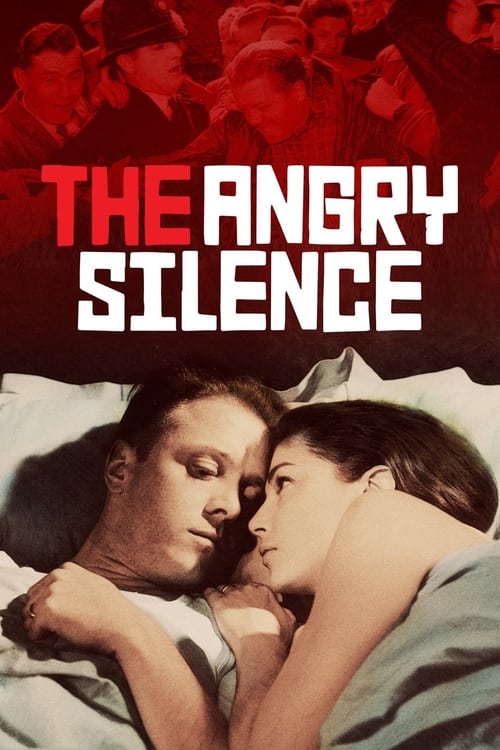
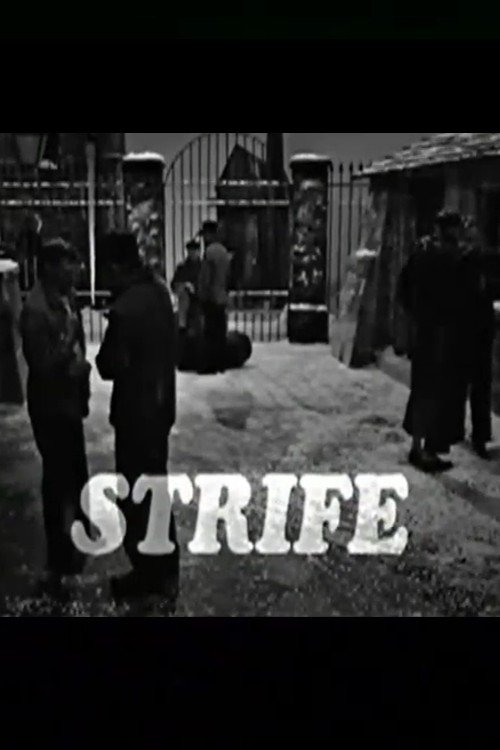
When the union in his factory walks out on strike, a family man refuses to participate, risking the wrath — and retaliation — of his fellow workers.
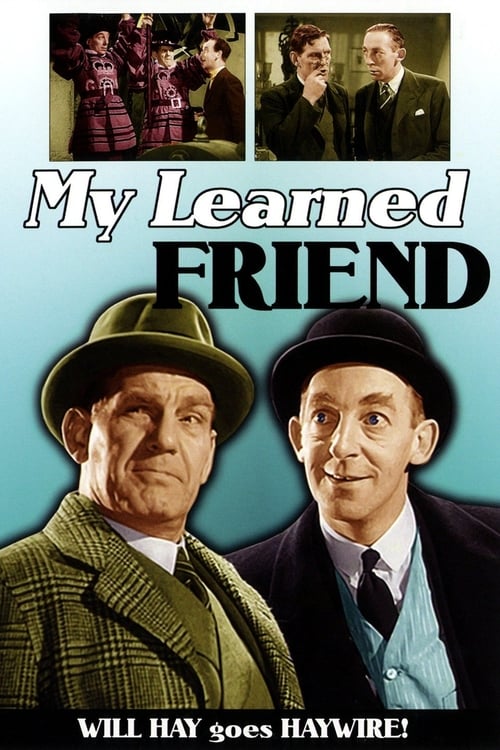
An insane murderer is on the loose, and gunning for the men who put him away. Will Hay is on the list, and co-opts Claude Hulbert to try and stop him from meeting a grisly end.
Charts the events occurring during a typical 24-hour period on London’s thoroughfare Bond Street. Linking the four stories together is the impending wedding of society girl Hazel Court and Robert Flemyng.
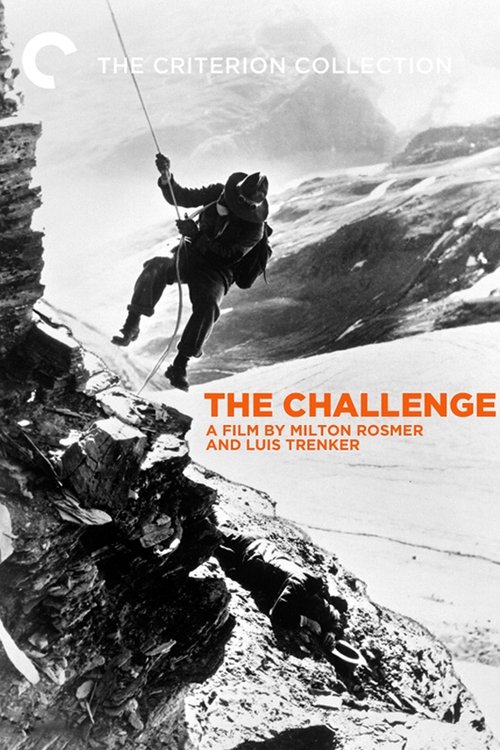
Dramatization of the first climbing of the Matterhorn in 1865.
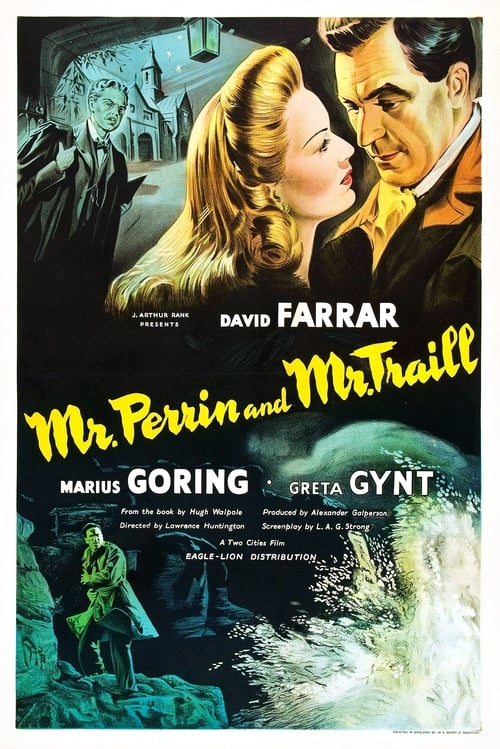
A handsome young master at a boys school incurs the jealousy of an embittered colleague. From the novel by Hugh Walpole.
A personal dispute between a union leader and a management leader causes chaos for workers at a troublesome tin mining company.
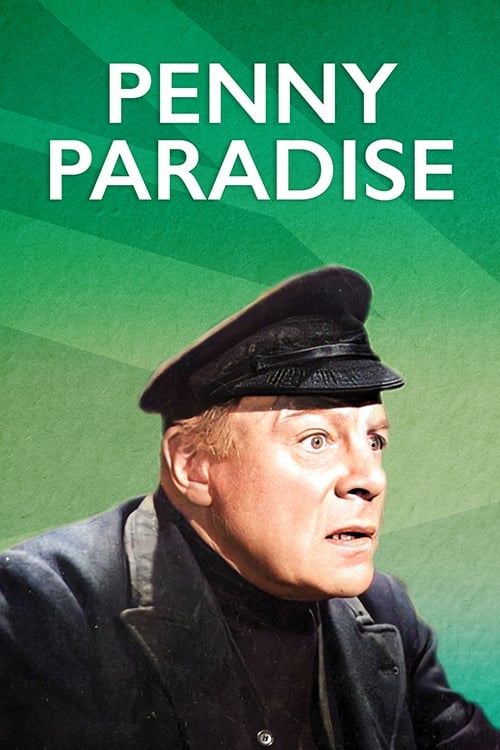
A Liverpool tug boat captain finds he's won a fortune on the penny pools and it changes his life. However, after giving up his job and throwing a large expensive party, he discovers that he may not really have won after all.
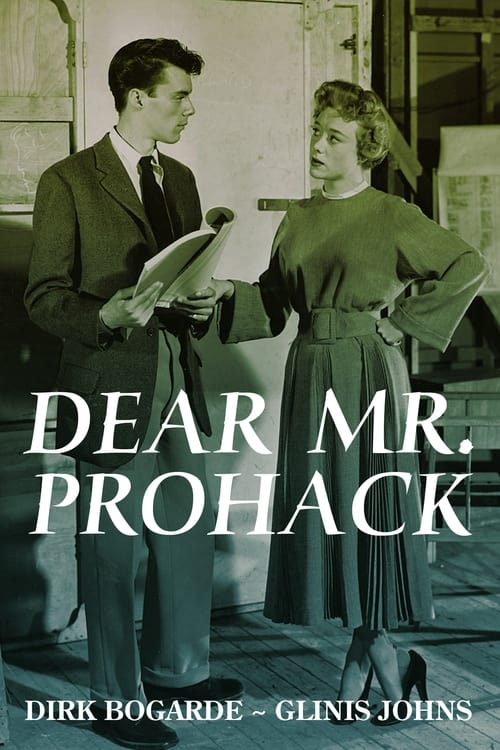
A modern-day retelling of Arnold Bennett's novel, in which a Treasury official with a reputation for fiscal prudence is left a great deal of money and has no idea how to cope with sudden personal wealth.
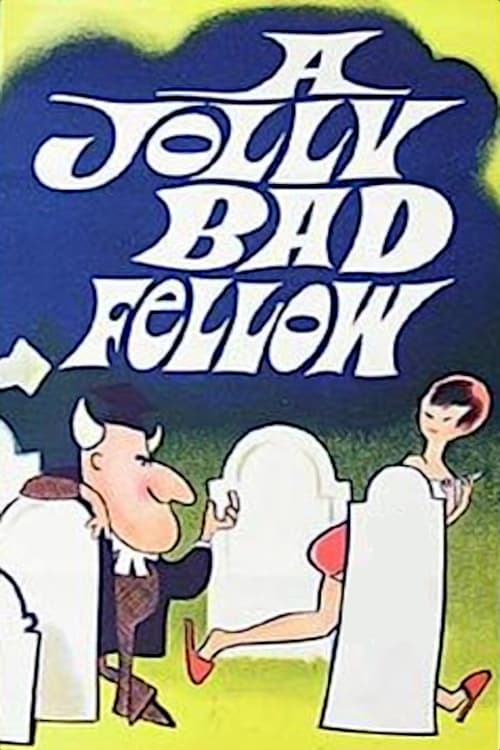
An English professor decides that there are too many useless people in the world and invents a gas that will kill them off. But first they'll at least have a good laugh.
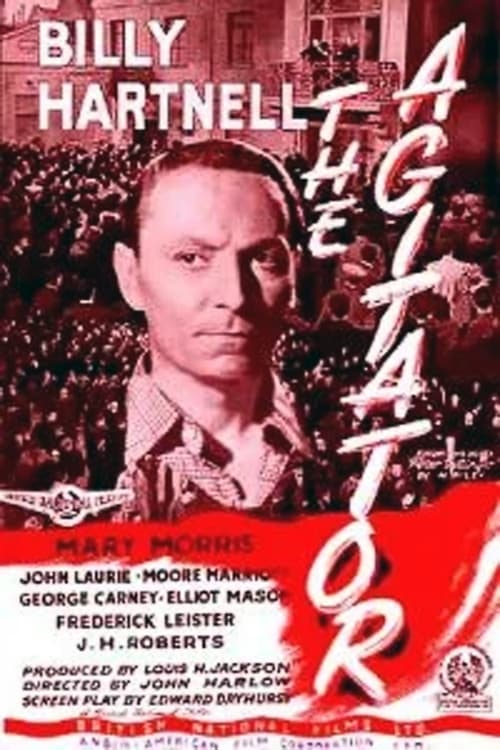
The Agitator is a 1945 British drama film directed by John Harlow and starring William Hartnell, Mary Morris and John Laurie. Its plot follows a young mechanic who unexpectedly inherits the large firm where he works and tries to run it according to his socialist political beliefs. It was based on the 1925 novel Peter Pettinger by William Riley.
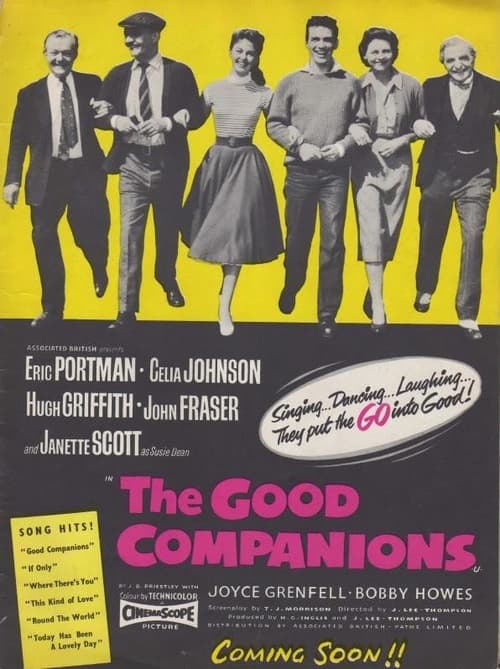
The story revolves around the Dinky Doos, a provincial musical troupe living from hand to mouth.