Althea Gibson
Acting
Known For
The Mike Douglas Show is an American daytime television talk show hosted by Mike Douglas that originally aired only in the Cleveland area during much of its first two years on the air. It then went into syndication in 1963 and remained on television until 1982. It was distributed by Westinghouse Broadcasting and for much of its run, originated from studios of two of the company's TV stations in Cleveland and Philadelphia.
The Mike Douglas Show
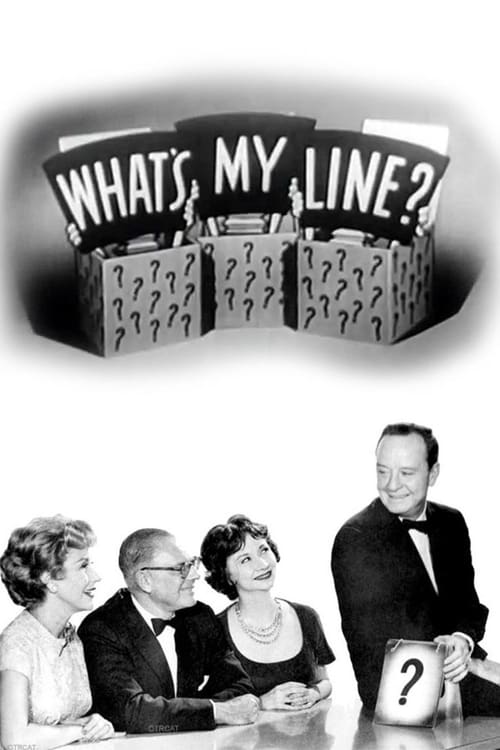
Four panelists must determine guests' occupations - and, in the case of famous guests, while blindfolded, their identity - by asking only "yes" or "no" questions.
What's My Line?

The Ed Sullivan Show is an American TV variety show that originally ran on CBS from Sunday June 20, 1948 to Sunday June 6, 1971, and was hosted by New York entertainment columnist Ed Sullivan. It was replaced in September 1971 by the CBS Sunday Night Movie, which ran only one season and was eventually replaced by other shows. In 2002, The Ed Sullivan Show was ranked #15 on TV Guide's 50 Greatest TV Shows of All Time.
The Ed Sullivan Show
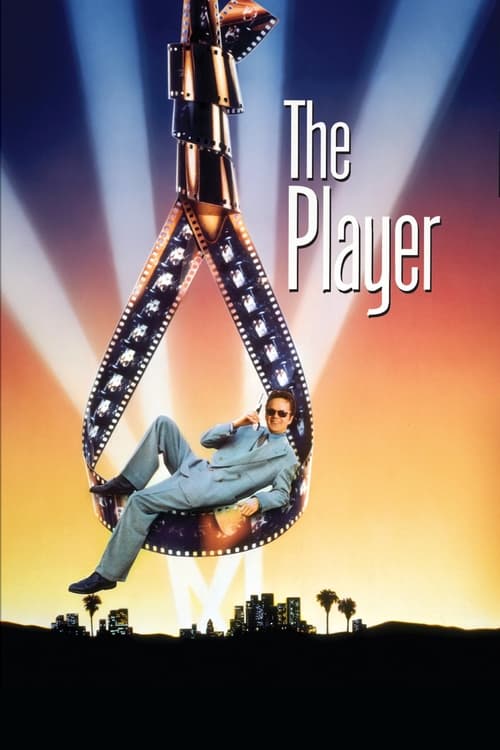
A Hollywood studio executive is being sent death threats by a writer whose script he rejected - but which one?
The Player
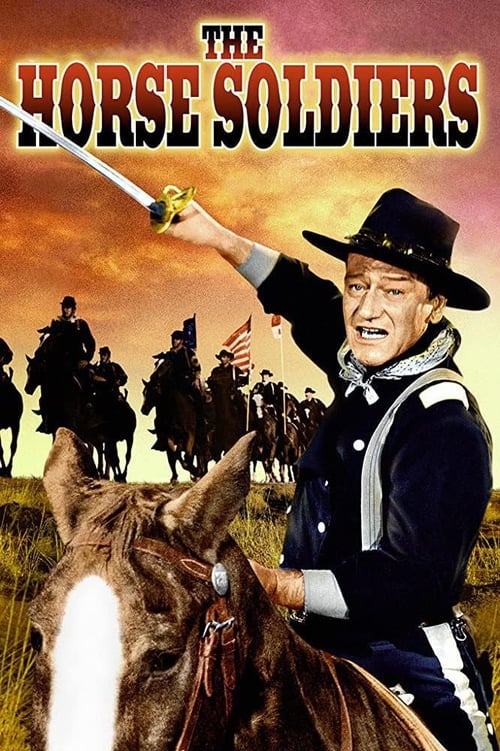
A Union Cavalry outfit is sent behind confederate lines in strength to destroy a rail supply center. Along with them is sent a doctor who causes instant antipathy between him and the commander. The secret plan for the mission is overheard by a southern belle who must be taken along to assure her silence.
The Horse Soldiers
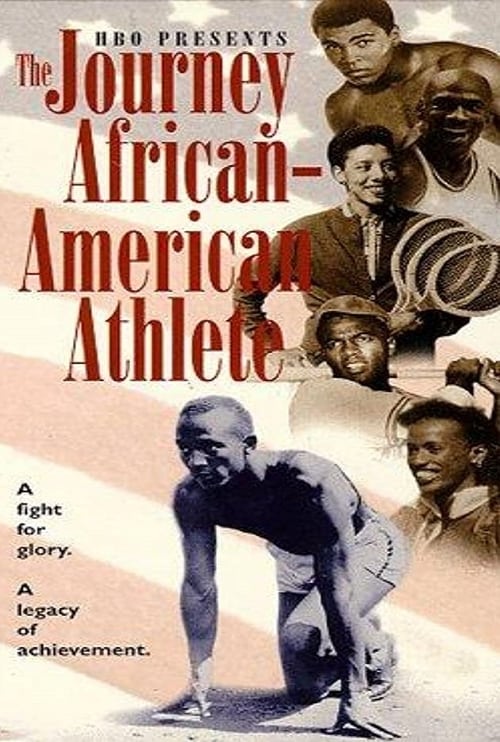
Documentary feature exploring the rise of African-Americans to positions of greatness in American sports. Stories are told of boxers, tennis players, runners, and basketball players, athletes who either suffered the indignities of racism, helped break down its walls, or enjoyed the opportunities afforded by past struggles.
The Journey of the African-American Athlete

Althea Gibson’s life and achievements transcend sports. A truant from the rough streets of Harlem, Althea emerged as a most unlikely queen of the highly segregated tennis world in the 1950s. Her roots as a sharecropper’s daughter, her family’s migration north to Harlem in the 1930s, mentoring from Sugar Ray Robinson, David Dinkins and others, and fame that thrust her unwillingly into the glare of the early Civil Rights movement, all bring her story into a much broader realm of the American story.