FEEL IT.STREAM
Nelson Pereira dos Santos

Nelson Pereira dos Santos

Directing

Biography

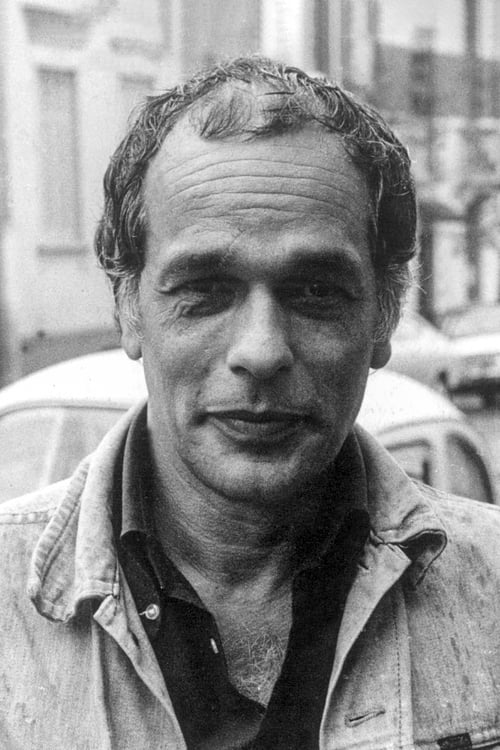
Nelson Pereira dos Santos ComRB • OMC (São Paulo, October 22, 1928 — Rio de Janeiro, April 21, 2018) was a Brazilian film director, producer and screenwriter. Having been one of the founders of the Cinema Novo movement, his production spans a period of 60 years in the history of Brazil. Considered one of the most important filmmakers in the country, he was strongly influenced by the works of the 1930s generation of Brazilian literary modernism, having adapted works by Graciliano Ramos and Jorge Amado for cinema. His film Vidas Secas, based on Graciliano's novel, is one of the most awarded Brazilian films of all time, being recognized as a masterpiece. In 2006, he was elected Immortal by the Brazilian Academy of Letters, a position he held until his death in 2018.
Known For

Cinema Novo
6.7

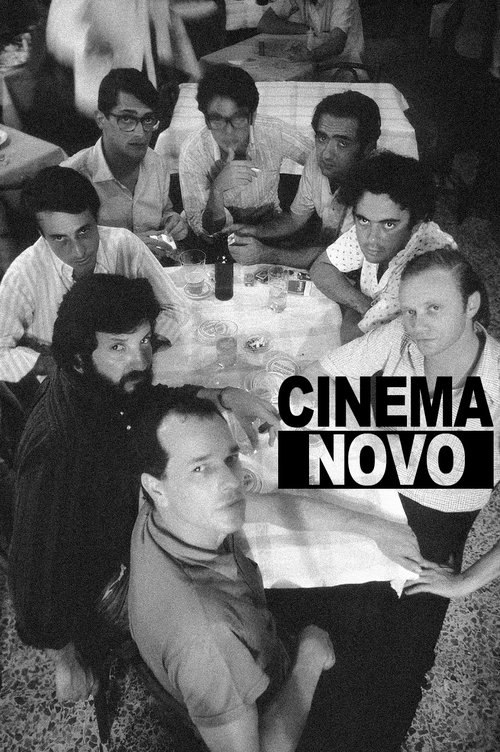
A deep investigation, in the way of a poetic essay, on one of the main Latin American movements in cinema, analyzed via the thoughts of its main authors, who invented, in the early 1960s, a new way of making movies in Brazil, with a political attitude, always near to people's problems, that combined art and revolution.

Cinema Novo

2016
Critic
7.9

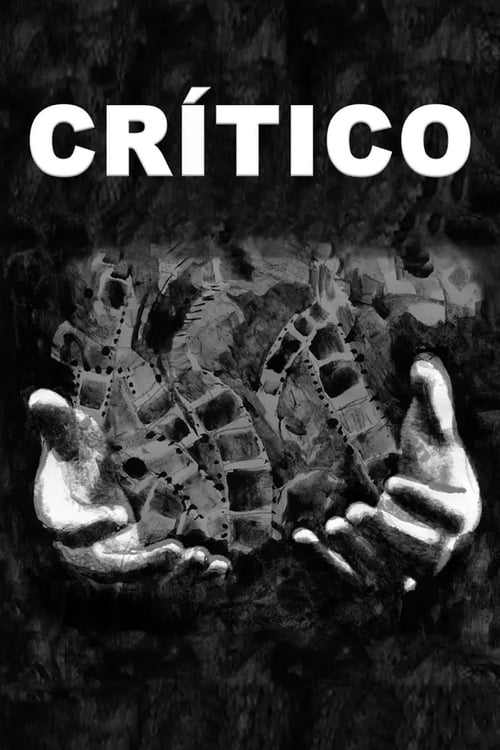
Seventy critics and filmmakers discuss cinema around the conflict between the artist and the observer, the creator and the critic. Between 1998 and 2007, Kléber Mendonça Filho recorded testimonies about this relationship in Brazil, the United States and Europe, based on his experience as a critic.

Critic

2008
Brazilian Cinema in the 20th Century
N/A

Two years of research and visits to collections, cinematheques and museums; almost seventy interviews that generated 30 hours of recorded material; more than two hundred scanned photos and more than one hundred films watched. In total, more than a thousand hours of work were needed to prepare Brazilian Cinema in the 20th Century. The work is a fascinating journey through all the cinematic cycles that Brazil lived, from the pioneering Belle Époque, through the great studios like Atlântica and Cinédia, Cinema Novo, the urban comedies of the 70's, until the resumption in the late 90's. The documentary is unique, it gives the floor to who really wrote and lived this story intensely.

Brazilian Cinema in the 20th Century

2017
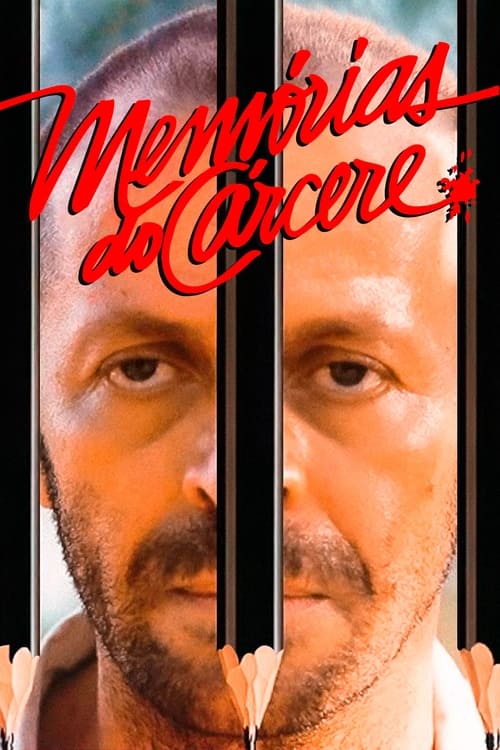
Memories of Prison
6.8

In the 1930s, novelist and politician Graciliano Ramos is accused of being a communist sympathizer. He is then arrested and sent to the Ilha Grande prison, where he experiences the disturbing treatment reserved for common prisoners.

Memories of Prison

1984
For All - O Trampolim da Vitória
5.6

1943, World War II. The northeastern coast of Brazil is an strategic region for the Allies. Giancarlo, an Italian immigrant married to a Brazilian woman, lives nearby the Parnamirin Field, the largest military base built by the USA outside of their territory. In this new base, Brazilian recruits who speak English suddenly find themselves reaching privileged positions.

For All - O Trampolim da Vitória

1998
The Music According to Tom Jobim
7.0

Half a century ago, Brazilian composer and musician Antonio Carlos "Tom" Jobim (1927-1994) introduced bossa nova to a worldwide audience with "The Girl from Ipanema." This relaxed, cool, sensuous music blended jazz and samba. After recording an album of songs by his friend Jobim, Frank Sinatra is reported to have said, "I haven't sung so quietly since I had laryngitis." Naturally, "The Girl from Ipanema" and Frank Sinatra are featured in this musical collage of countless seamlessly edited excerpts of concert footage that cover decades of events all over the world: from Rio de Janeiro to Lisbon, Paris, Copenhagen, Jerusalem, Tokyo, Montreal, New York and back to Rio.

The Music According to Tom Jobim

2012
Já que Ninguém me Tira Para Dançar
8.0

Conducted from interviews with personalities who lived with Leila Diniz (1945-1972), the documentary is a record of an era and, above all, it rescues the participation in Brazilian culture of the actress who opened the way for the sexual revolution during the dark years of the dictatorship.

Já que Ninguém me Tira Para Dançar

2021
Dib
8.0

Documentary that addresses, through the testimony of directors and actors, the work of Dib Lutfi, considered one of the greatest photographers of Brazilian cinema.

Dib

1997
Glauber Rocha - The Movie, Brazil's Labyrinth
6.3

Documentary about Brazilian filmmaker Glauber Rocha, one of the most important names in the Cinema Novo, with interviews with some of his friends and colleagues.

Glauber Rocha - The Movie, Brazil's Labyrinth

2003
Tent of Miracles
5.2

When a prominent U.S. Nobel Laureate arrives in Salvador, Bahia, the city with the largest black population in Brazil, he stirs emotions by championing a long-forgotten local writer named Pedro Archanjo, who believed that humanity would be improved only through miscegenation.

Tent of Miracles

1977
How Tasty Was My Little Frenchman
6.1

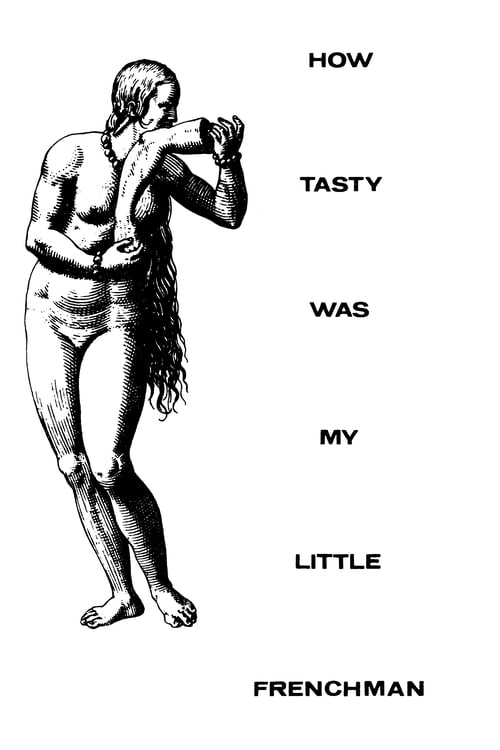
In 1594 Brazil, a frenchman becomes a prisoner of the Tupinambás. While waiting to be executed, the foreigner learns the habits of the indigenous people and joins a woman who tries to help him escape.

How Tasty Was My Little Frenchman

1971
Oscar Niemeyer: Life is a Breath of Air
6.9

A documentary made to coincide with Niemeyer's 100th birthday. The renowned architect talks about his long life, his inspirations, and his aspirations towards a just Brazil, and the ways he tried to help that along in his spectacular and beautiful buildings.

Oscar Niemeyer: Life is a Breath of Air

2007
Barren Lives
7.4

In vivid images, the documentary-like story of a drover and his family in the northern badlands of Brazil during the drought. A family in the search of new hope and destiny.

Barren Lives

1963
The Turning Wind
6.9

In Bahia, an educated black man returns to his home fishing village to try and free people from mysticism, in particular the Candomblé religion, which he considers a factor of political and social oppression, with tragic outcome.

The Turning Wind

1962
O Grande Momento
6.0

On the day of his wedding, young man from a family of immigrants faces some problems to get the money needed for the last arrangements. The family do what they can in order to honour the great event, selling personal belongings and buying enough supplies for a decent party.

O Grande Momento

1958
Candango: Memoirs from a Festival
5.0

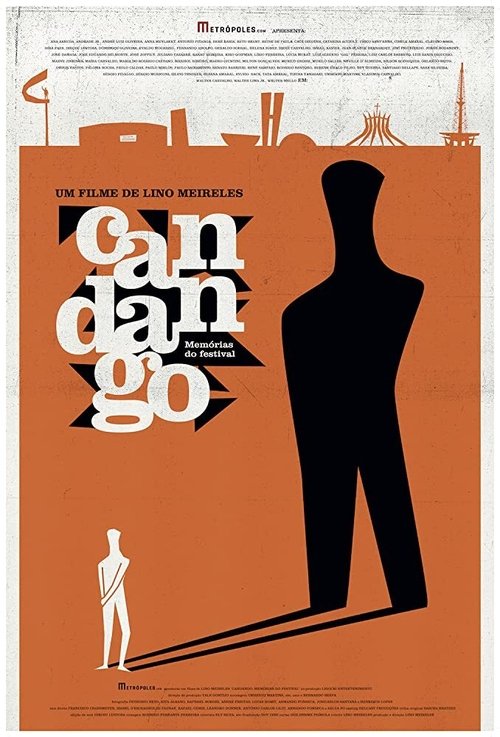
In 1965, a year after the military coup in Brazil, an oasis of freedom opened in the country's capital. The Brasília Film Festival: a landmark of cultural and political resistance. Its story is that of Brazilian cinema itself.

Candango: Memoirs from a Festival

2020
Rio, 100 Degrees F°
7.1

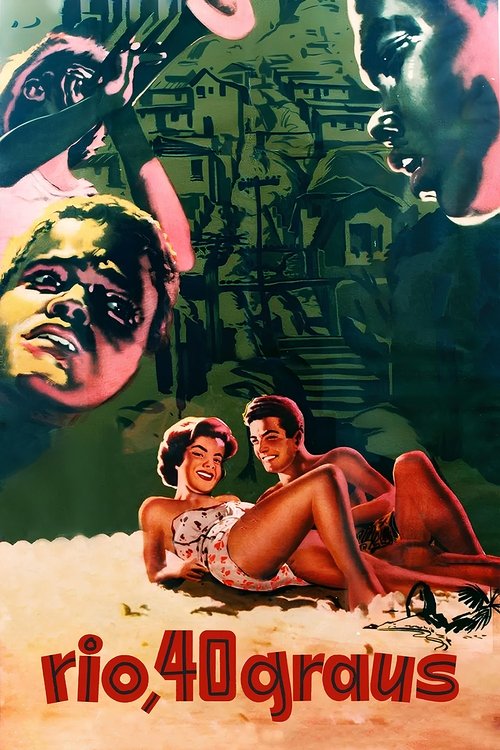
On a scorching summer day in Rio de Janeiro, five impoverished black boys venture out of their favela to peddle peanuts throughout the bustling city. As they navigate the various districts of Rio, they bear witness to a series of unfortunate events and encounters, unfolding a vivid tapestry of urban life in Rio de Janeiro during that period. These true misadventures shed light on the gritty reality of the city, unveiling its vibrant urban tapestry.

Rio, 100 Degrees F°

1955
Memórias do Grupo Opinião
N/A

Follows the story of Opinião, a theatre group created in 1964 during the early Brazilian dictatorship period to oppose the government through artistic performances. Considered the first left-wing response to the dictatorship, the group gathered now famous Brazilian artists such as Nara Leão, Maria Bethânia, João do Vale and Millôr Fernandes.

Memórias do Grupo Opinião

2019
Improvised and Purposeful: Cinema Novo
7.5

Originally produced for German TV, Improvised and Purposeful is a firsthand look at the "Cinema Novo" movement (otherwise known as the 'Brazilian New Wave'). Director Joaquim Pedro de Andrade focuses on six Cinema Novo filmmakers working in Rio in 1967.

Improvised and Purposeful: Cinema Novo

1967
Rio, Northern Zone
8.2

A talented songwriter of sambas is forced to face the social injustices of the city around him.

Rio, Northern Zone

1957