David Tranter
Sound
Known For
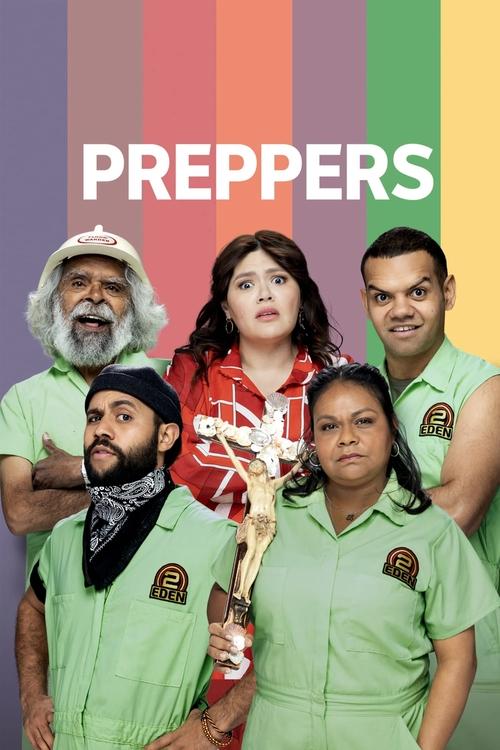
Escaping the fallout of a personal cataclysmic event, Charlie, a young Australian Aboriginal woman, finds herself at the centre of a mismatched community of doomsday preppers.
Preppers
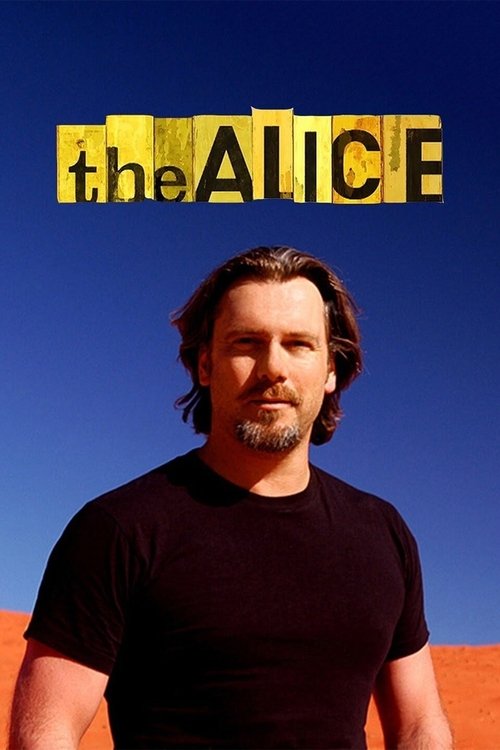
The Alice was an Australian drama television series created by Justin Monjo and Robyn Sinclair. It was set in the central outback city of Alice Springs. The program began as a successful TV movie, that later spun off a regular series. The series proved less popular and was cancelled by the Nine Network on 28 September 2005 after a sharp decline in its ratings. The entire series and original TV movie have since been released on DVD.
The Alice
1930s Australia, the colonial frontier: two swaggering outlaws roll into a mining town and unleash a wave of cruelty, leading three kids to break free from their white masters and set off across the 'sweet country' of central Australia in search of a safe home.
Wolfram
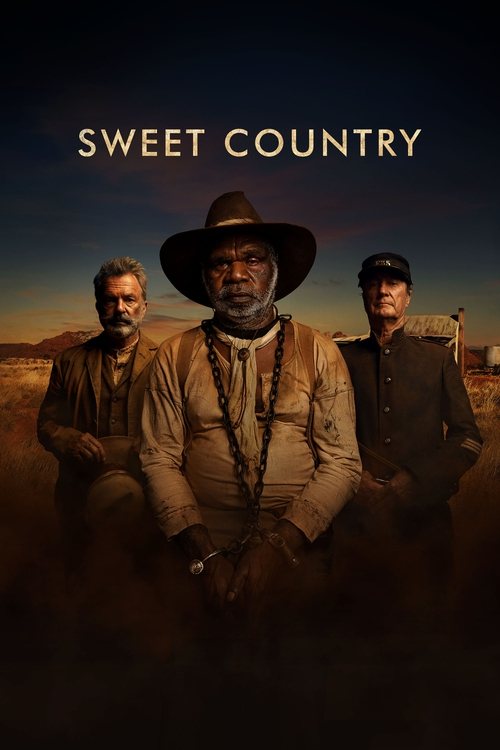
In 1929, an Australian Aboriginal stockman kills a white station owner in self-defense and goes on the lam, pursued by a posse.
Sweet Country
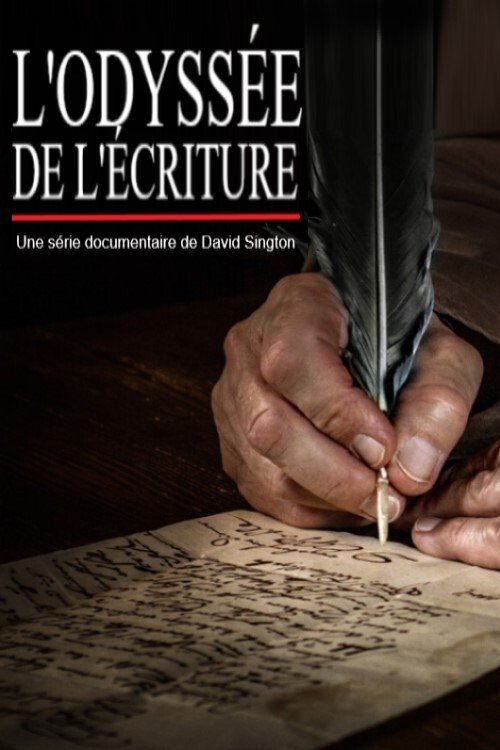
No description available.
L’Odyssée de l'écriture
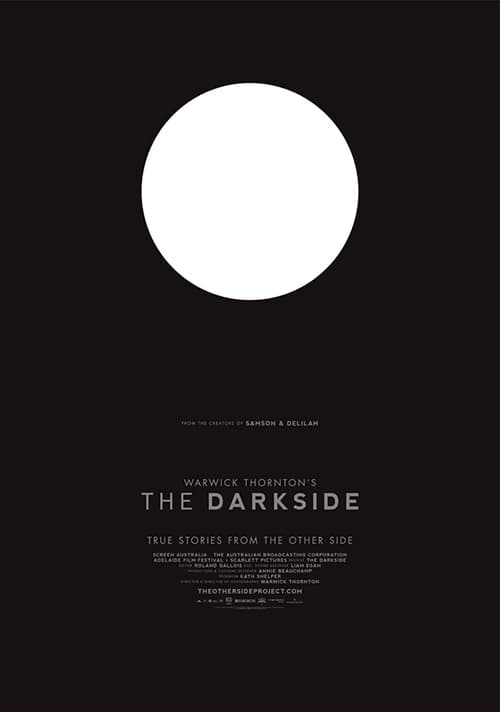
Writer and Director Warwick Thornton has assembled a collection of the most poignant, sad, funny and absurd ghost stories from around Australia. He will bring them to life with the help of some of Australia's most iconic actors as the storytellers.
The Darkside
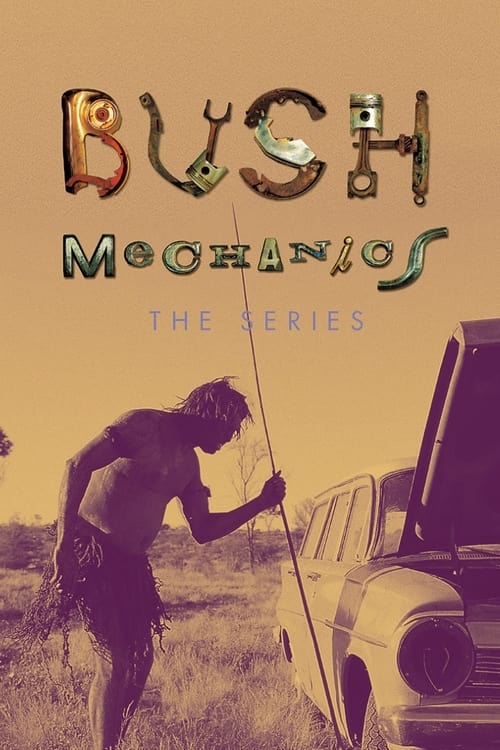
This off-beat series follows the exploits of the Bush Mechanics, a group of engaging Aboriginal characters, as they travel through central Australia. Combining adventure, magic, realism and a distinctive brand of humour, Bush Mechanics provides an insight into both contemporary and traditional Aboriginal culture.
Bush Mechanics
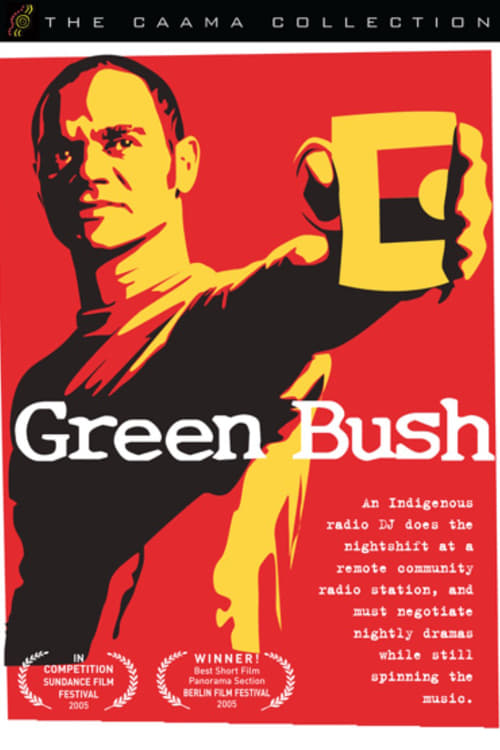
An Australian Aboriginal DJ realizes that his job at the country radio station is about more than just playing music.
Green Bush
Fresh out of the academy, White Cop experiences his first taste of Aboriginal community life, as Black Cop puts him to the test.
Nulla Nulla
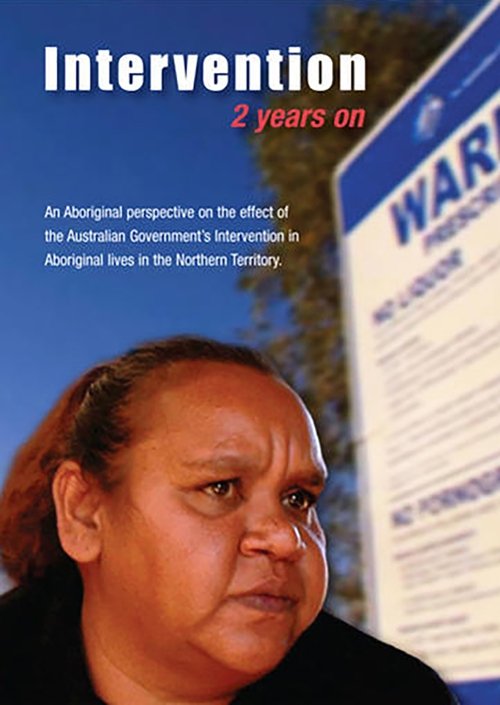
This impassioned documentary was rejected for broadcast by ABC TV as "biased" and lacking "balance". John Howard introduced the Intervention legislation in July 2007. Two years later, an official United Nations rapporteur on human rights, Professor James Anaya, described the policy as an "extraordinary measure which infringes on the rights and determinations of Indigenous People". In this film, two Aboriginal spokespersons - Barbara Shaw from the Mount Nancy Town Camp, Alice Springs, and Richard Downs from the Alyawarr Nation - give their views on the effect of the legislation over its first two years of operation. Their stories are accompanied by archival footage and news broadcasts of key moments in the history of the Intervention. Richard Downs speaks especially of the shame and humiliation that came with Howard's unsupported allegations of child abuse in Aboriginal communities, and of the disillusionment that came with the Rudd government's continuation of Howard's policies.
Intervention 2 Years On
No description available.
Willaberta Jack
Crook Hat and Camphoo are Alyawarra elders, from central Australia, who are concerned about the survival of traditional skills and culture. As Crook Hat says at the beginning of this outstanding film: "We are telling the old people's way. It's not just our way. We are trying to teach others what we have learnt."
Crook Hat & Camphoo
We meet Warumungu elder Leslie Foster, senior Traditional Owner of country around this famous phenomenon south of Tennant Creek in Central Australia. Leslie shares the dreaming stories of the Marbles' creation, speaks of his 28-year struggle to regain rights over this land, and celebrates recent transfer of title over the Devils Marbles to Traditional Owners for share...