John Elliot
Writing
Known For
Play for Today is a British television anthology drama series, produced by the BBC and transmitted on BBC1 from 1970 to 1984. During the run, more than three hundred programmes, featuring original television plays, and adaptations of stage plays and novels, were transmitted. The individual episodes were between fifty and a hundred minutes in duration.
Play for Today
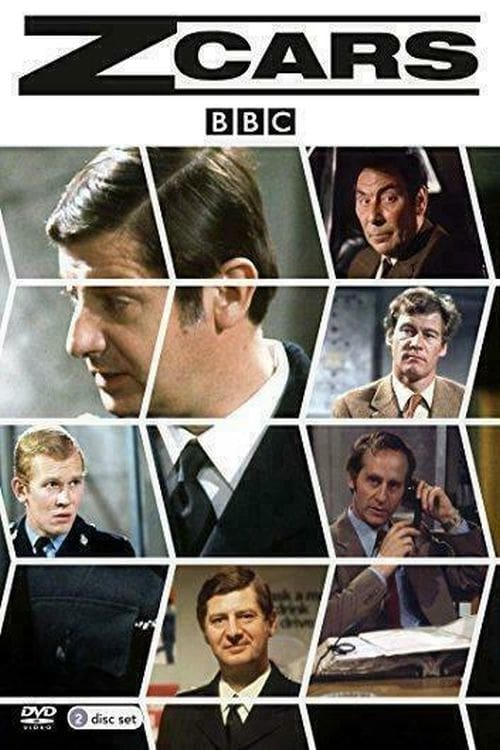
Z-Cars or Z Cars is a British television drama series centred on the work of mobile uniformed police in the fictional town of Newtown, based on Kirkby, Merseyside. Produced by the BBC, it debuted in January 1962 and ran until September 1978.
Z-Cars

A BBC television anthology series featuring productions of classic and contemporary stage plays usually broadcast on BBC1. Each production featured a different work, often using prominent British stage actors in the leading roles. The series was transmitted from October 1965 to September 1983.
BBC Play of the Month
ITV Playhouse is a British comedy-drama TV series that ran from 1967 to 1983, which featured contributions from playwrights such as Dennis Potter, Rhys Adrian and Alan Sharp. The series began in black and white, but was later shot in colour and was produced by various companies for the ITV network, a format that would inspire Dramarama. Actors appearing in the series included Leslie Anderson, Gwen Nelson, Ricky Alleyne, Pat Heywood, Michael Elphick, Ian Hendry, Edward Woodward, Margaret Lockwood, Jessie Matthews and Lloyd Peters.
ITV Playhouse
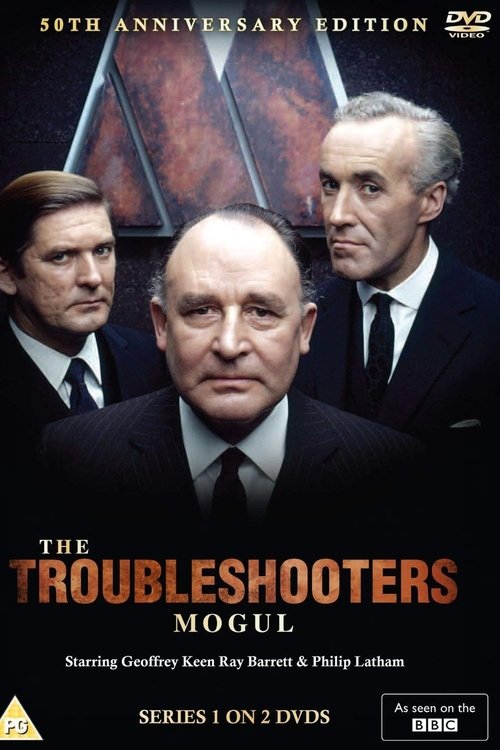
The Troubleshooters is a British television series made by the BBC between 1965 and 1972, created by John Elliot. During its run, the series made the transition from black and white to colour transmissions. The series was based around an international oil company – the "Mogul" of the title. The first series was mostly concerned with the internal politics within the Mogul organisation, with episodes revolving around industrial espionage, internal fraud and negligence almost leading to an accident on a North Sea oil rig.
The Troubleshooters
Anthology series of half hour plays produced in BBC's Television Centre's studios.
Centre Play
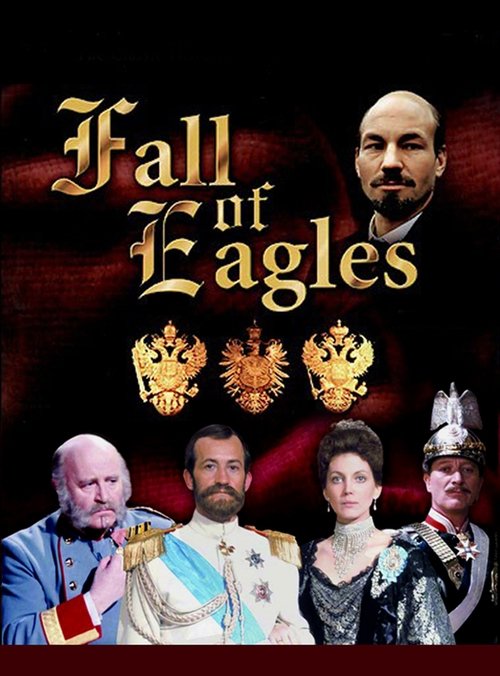
"Fall of Eagles" is a 13-part British television drama aired by the BBC in 1974. The series portrays historical events from 1848 to 1918, dealing with the collapse of the ruling dynasties of Austria-Hungary (the Habsburgs), Germany (the Hohenzollerns) and Russia (the Romanovs).
Fall of Eagles
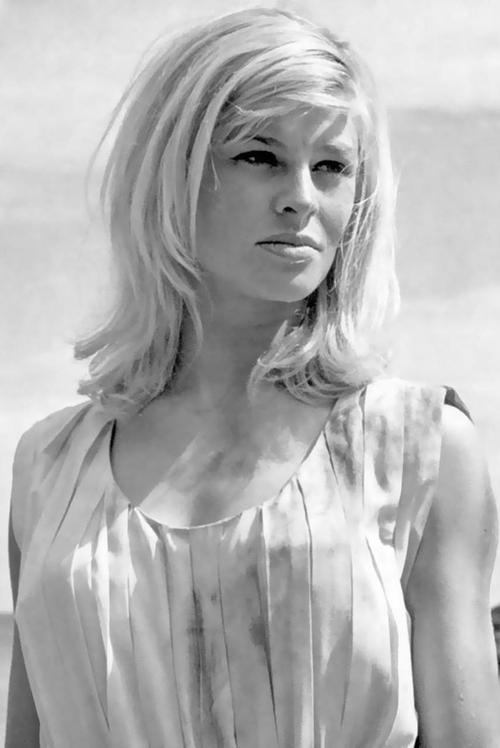
In the not-too-distant future of 1970, a mysterious signal from space arrives with instructions to build a powerful super-computer. Once completed, the evice's motives provokes discourse between scientists John Fleming and Madeleine Dawnay as further instructions are to create a living organism, which Dawnay develops. The entity compels lab assistant Christine to commit suicide, and, upon manifestation, adopts her form, now known as Andromeda.
A for Andromeda
A series of contemporary television dramas by new writers.
First Night
After an earthquake causes some damage to a nuclear power station, one of the chief nuclear physicists, Paul Brack, starts to investigate the safety procedures and policies of the station. He is dismayed to discover that there is a lack of real safety processes at the station, and quits his job in disgust. His disillusionment puts a strain on his relationship with his wife, Pat, a fellow researcher and academic. Through a mutual friend, Brack meets and begins to work for energy consultant Harold Harlan, with hopes that Harlan can highlight the issue of nuclear safety, and explore alternative energy sources. Unfortunately Harlan has his own plans for how he can use Brack.
The Brack Report
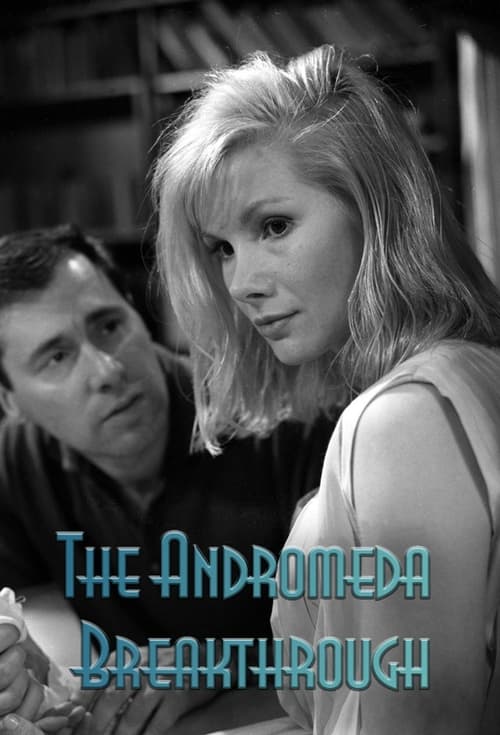
Kidnapped by Intel representative Kaufman, John Fleming—along with Professor Madeleine Dawnay and Andromeda, the artificially constructed female humanoid—are brought to Azaran, a small Middle Eastern country. Upon arrival, the group discover a duplicate of Fleming's machine has been built by Intel. After many dangers, Fleming finds both the reason for the original message having been sent and the means to bring the machine under human control.
The Andromeda Breakthrough
The story of John Steele, a black solicitor, and his personal and professional problems living and working in the multi-ethnic community of Birmingham.
Rainbow City
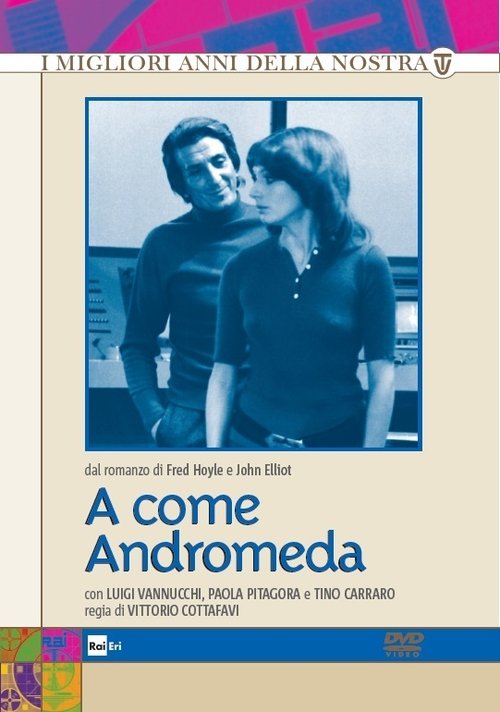
Set in 1973, a team of scientists decipher a mysterious signal from space and discover that it provides instructions to build a powerful super-computer. Once built, this computer provokes argument between two of leading team members, Fleming and Dawnay, over the machine's real intentions as it provides further instructions to create a living organism, which Dawnay starts to develop. Later it appears to compel lab assistant Christine to commit suicide, and when the organism is fully developed, it appears in the exact form of Christine, and named Andromeda. But what is the purpose of this "creature"?
A come Andromeda
Interesting fifteen episode miniseries broadcast weekly by BBC in 1954-1955. It covers different aspects of the air war during World War II. It also briefly contextualises the development of aircraft immediately before and after the war.
War in the Air
Anthology series of plays where various disparate characters meet in the city of London.
They Met in a City
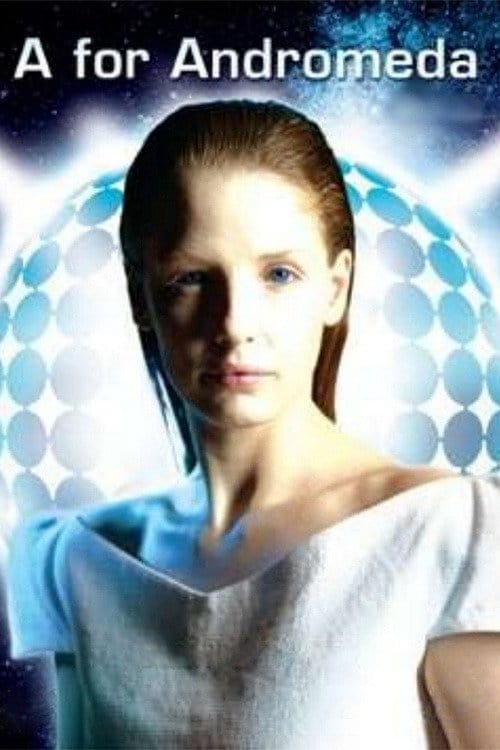
In the Yorkshire Dales, a mysterious signal from space arrives with instructions to build a powerful super-computer. Once completed, the evice's motives provokes discourse between scientists John Fleming and Madeleine Dawnay as further instructions are to create a living organism, which Dawnay develops. The entity compels lab assistant Christine to commit suicide, and, upon manifestation, adopts her form, now known as Andromeda.
A for Andromeda
A contemporary retelling of the Mary Shelley story, produced as a tribute to the poet Percy Bysshe Shelley on the 150th anniversary of his death.
Shelley
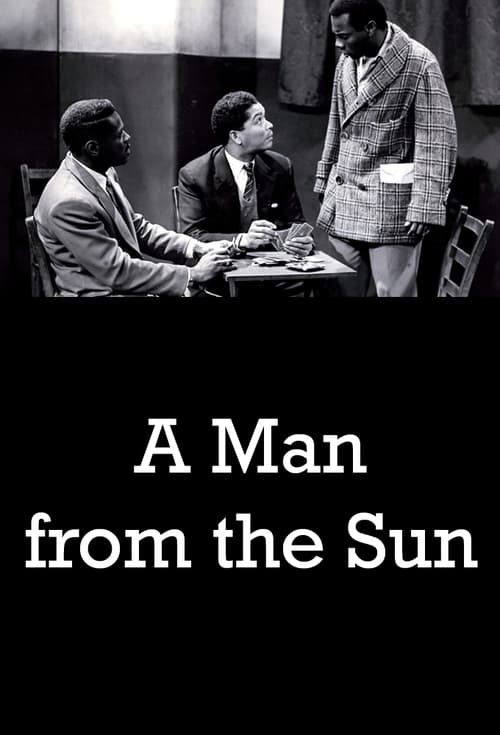
A mixed party of West Indian settlers arrives in London, where they encounter prejudice from the white population and integrate themselves into the existing West Indian community.
A Man from the Sun
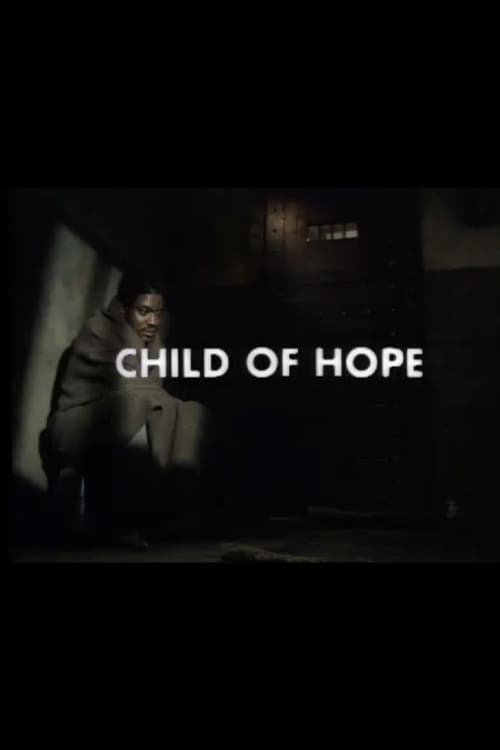
Thirty-seven men from the disputed territory of South West Africa are on trial for their lives in Pretoria, 1,000 miles from their home. They are to be tried under South Africa's Terrorism Act despite the UN ruling that South Africa must abandon its 'illegal administration' of their country.
Child of Hope
A dramatised documentary about the lives and work of the performers and administrators of a local orchestra. With the BBC Northern Symphony Orchestra.