Peter Kortner
Writing
Known For
Playhouse 90 is an American television anthology series that was telecast on CBS from 1956 to 1960 for a total of 133 episodes. It originated from CBS Television City in Los Angeles, California. Since live anthology drama series of the mid-1950s were usually hour-long shows, the title highlighted the network's intention to present something unusual, a weekly series of hour-and-a-half dramas rather than 60-minute plays. Playhouse 90 began as a pitch by Frank Stanton—the formidable, forward-thinking right-hand man to CBS chairman William S. Paley—during a brainstorming session for program ideas. The project was ultimately developed by Hubbell Robinson, a CBS vice president who received no screen credit on Playhouse 90 but is often described as its creator.
Playhouse 90
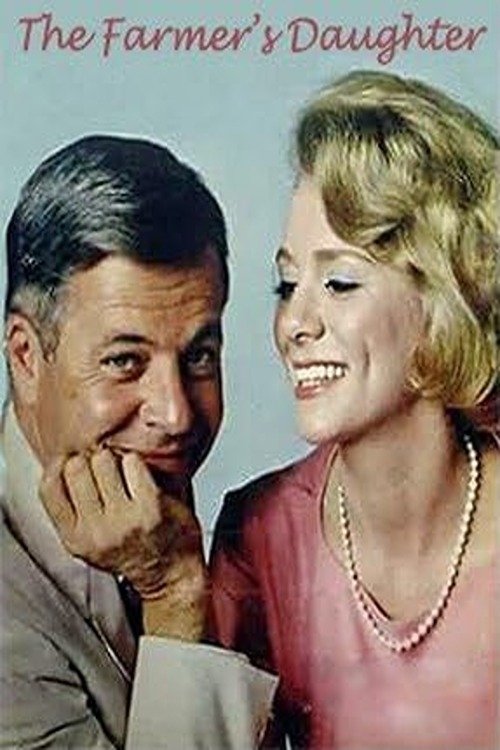
The Farmer's Daughter is an American situation comedy series that was produced by Screen Gems Television and aired on ABC from September 20, 1963 to April 22, 1966. It was sponsored by Liggett & Myers Tobacco and Clairol for whom the two leading stars often appeared at show's end promoting the products. It also enjoyed a brief run in syndication when it aired on CBN Cable in the 1980s.
The Farmer's Daughter
Long-running anthology program sponsored by Hallmark Cards. Beginning in 1951 and continuing into 2019, the series received 80 Emmy Awards, 24 Christopher Awards, 11 Peabody Awards, 9 Golden Globes, and 4 Humanitas Prizes. Early seasons were a weekly live drama, eventually transitioning to videotaped and then filmed productions broadcast as occasional specials.
Hallmark Hall of Fame

Based on extensive interviews, shot on 16mm in a series of static long takes, Filmemigration aus Nazideutschland, is one of the most fascinating examples of "Film history on film" ever produced. Straschek devoted years to researching the topic and accumulating both film and non-film materials. Apart from some radio features and articles, however, this 290-minute TV programme remains the only published trace of Straschek's lifelong work on the emigration of film personnel. He had intended to publish a three-volume book, encompassing all available data about 3,000 emigrants originating from the centre and peripheries of film production, but the book never materialised.
Film Emigration from Nazi Germany
Cameo Theatre was an American anthology series that aired on NBC during the Golden Age of Television, from 1950 to 1955.
Cameo Theatre
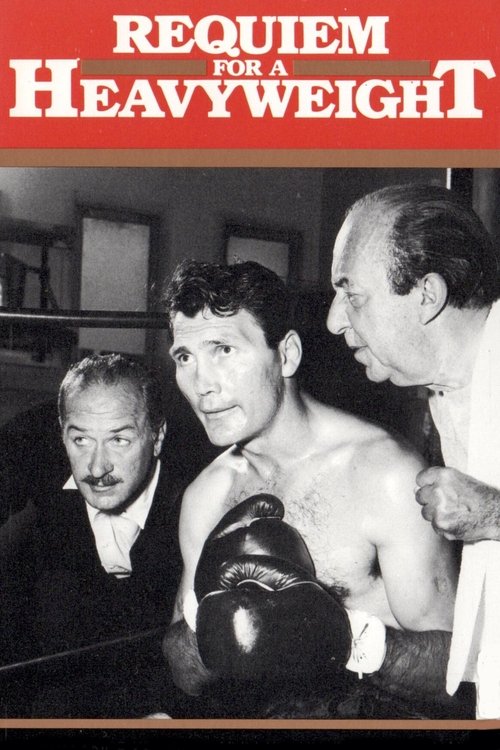
An over-the-hill heavyweight boxing champion who suffers from the ravages of years of head trauma is exploited by his manager, despite the efforts of a compassionate young woman who tries to help him recover his self-respect.
Requiem for a Heavyweight
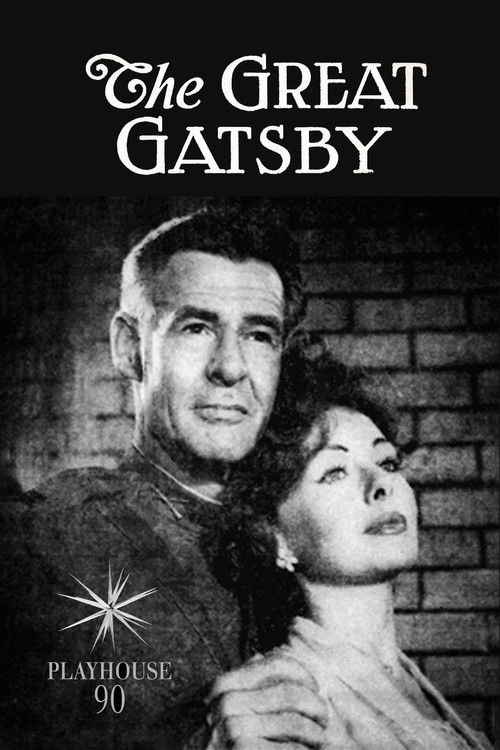
Adaptation of the 1925 novel by F. Scott Fitzgerald for "Playhouse 90." A Midwesterner becomes fascinated with his wealthy neighbor, who obsesses over his lost love.
The Great Gatsby
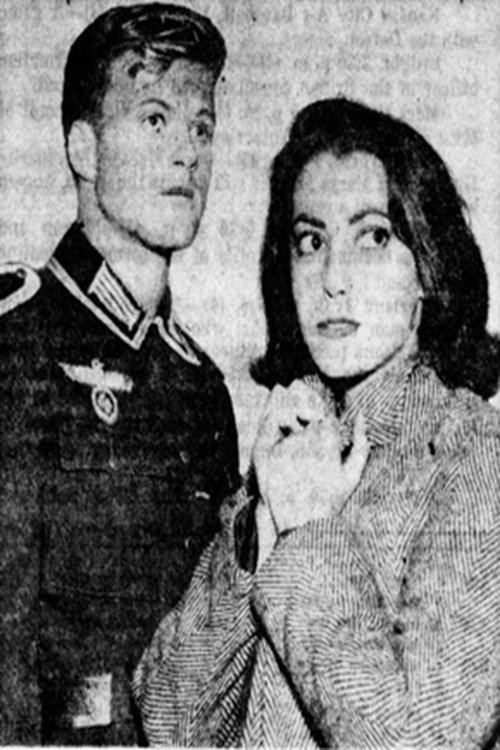
Rod Serling's teleplay depicting the struggles of Jews living in the Warsaw Ghetto in the months before the Warsaw Ghetto Uprising.
In the Presence of Mine Enemies
Morris Sizeman is a successful garment manufacturer in New York City. His son, Harold Sizeman, returns from the Korean War with new ideas about human rights, believing that the quest for wealth is the cause of the world's difficulties.
Sizeman and Son
Lord Fancourt Babberley is forced to disguise himself as a woman - his aunt from Brazil, "where the nuts come from".
Where's Charley?
Three siblings return home when their mother wins a "Mother of the Year" award from a magazine.
The Playroom
A mild-mannered schoolteacher gradually abandons all his principles - and finds the success which has always hitherto eluded him.
Topaze
A young security police officer in a future totalitarian state is assigned to suppress illegal intellectual activity, including executing book readers. He catches a librarian hiding a banned book and joins her in reading books.