Acting
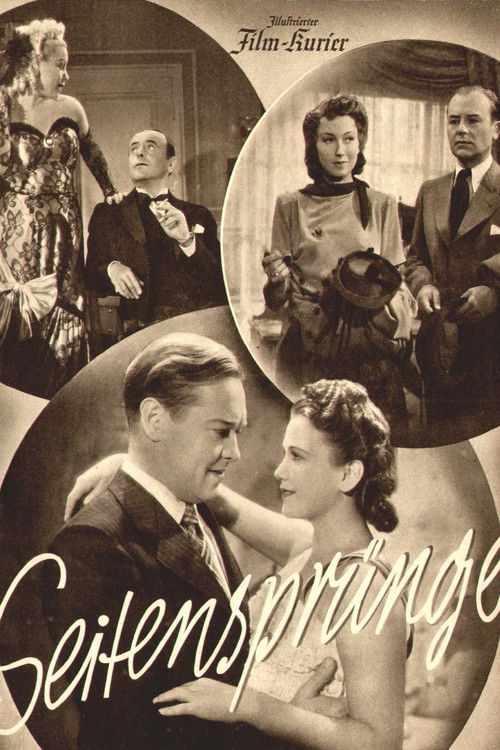
A diligent office worker and a cheeky sales representative are tasked by their boss with reserving a first-class hotel room with a bathroom for a visiting Hamburg exporter and his wife. A misunderstanding leads to non-stop confusion, because the office worker is spending his first wedding anniversary with his wife in the rented hotel room.
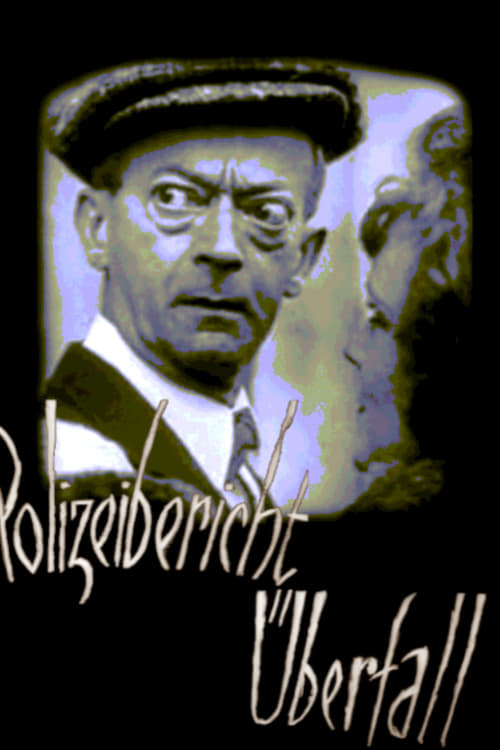
A tense vignette about the fate of an unlucky man in poverty-stricken Weimar-era Germany.
Ludwig Gruber, the director of a spa café, is a good man. Now and again, he makes little adventure-trips to Berlin to find business for his company. The women he is traveling with have an accident on the highway. Gruber is traveling incognito as “Mr. Rabbit” with Lotte, the leader of the group. Because of the accident, they’ll have to overnight together in a hotel. Since Mr. and Mrs. Rabbit are a “couple”, they’ll be getting a double-room, where they can … mmm … do what rabbits do. Since they both insist on climbing into bed with the lights out, it isn’t until the next morning that they notice they’ve been in the same bed the whole night. In the ensuing chaos, Grube loses his wedding ring, which is later sent to the address of Lotte’s mother, who now insists repeatedly, that he marry her daughter.
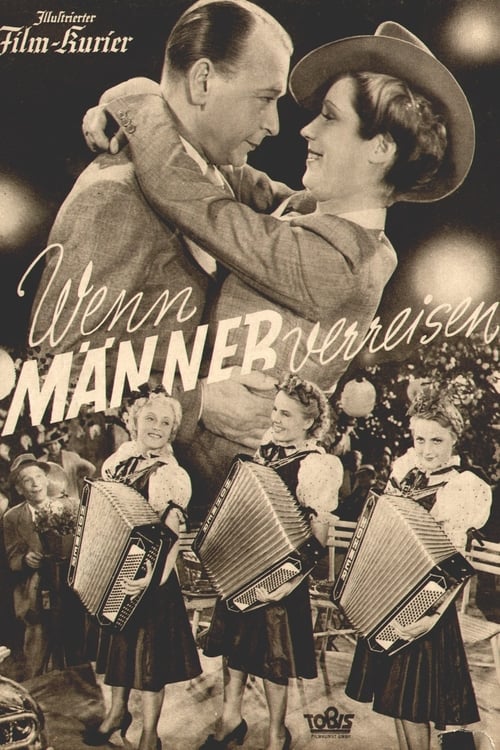
Women are being sent to an all male settlement. The marriages are planned in advance, but not everything goes according to plan.
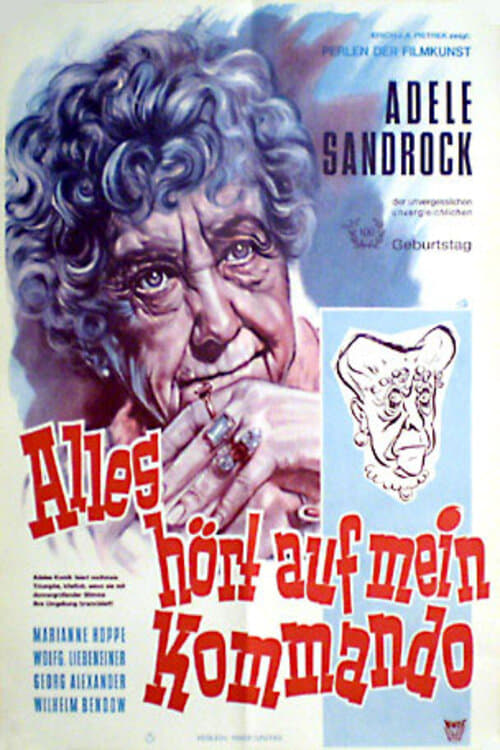
For more than 50 years, Pauline Neuber has directed the "Olympia" theatre, but lately, business has been bad. It appears that no one will be able to make it better either: the audience doesn't seem to like the plays; the press even less so; and the shareholders of the theatre want to sell their shares. In short, the "Olympia" has one foot in the grave. Erich, grandchild of Pauline and always underestimated by her, gets to know Hella Bergson, the daughter of the theatre critic Peter Bergson, and falls in love with her - but doesn't have an idea whose daughter she is. He plays her some melodies from the first operetta he's ever composed and Hella convinces him to have the operetta performed in the "Olympia". During rehearsal of the operetta, however, a fight breaks out between Erich and Hella over a stupid misunderstanding.
No description available.
Spanning the years between the Bolshevik Revolution and 1930, this Negri vehicle focuses on an exiled Russian noblewoman who has lost track of her daughter and of a young officer she pined for.Until she finds them both again and together.
Monika (German: Eine Mutter kämpft um ihr Kind, lit. 'A Mother Fights for Her Child') is a 1938 German melodrama film directed and written by Heinz Helbig. The story centers on a singer who relinquishes her illegitimate daughter to a German engineer in São Paulo to pursue her career, only to return eight years later as a celebrated film star and wife of a prominent surgeon, demanding custody after encountering the child on a film set.
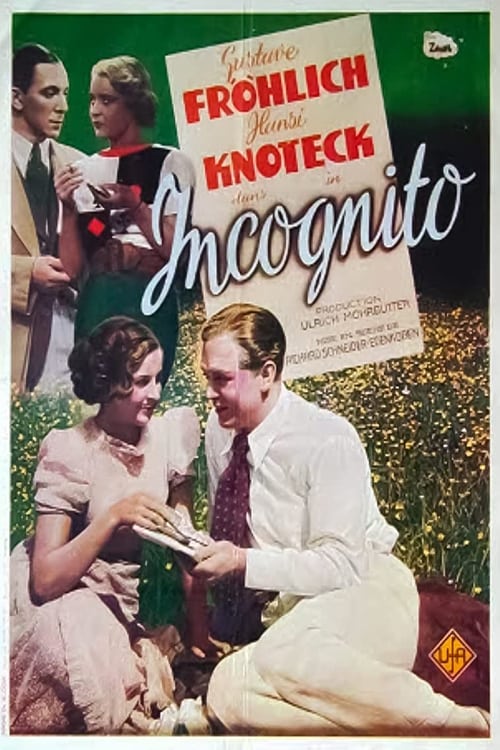
The bored heir to a soap factory is able through pure chance to work incognito in the 153rd branch of the business. While doing so, he falls in love with a beautiful customer, gets into a rivalry with a jealous worker and helps to expose a dishonest boss.
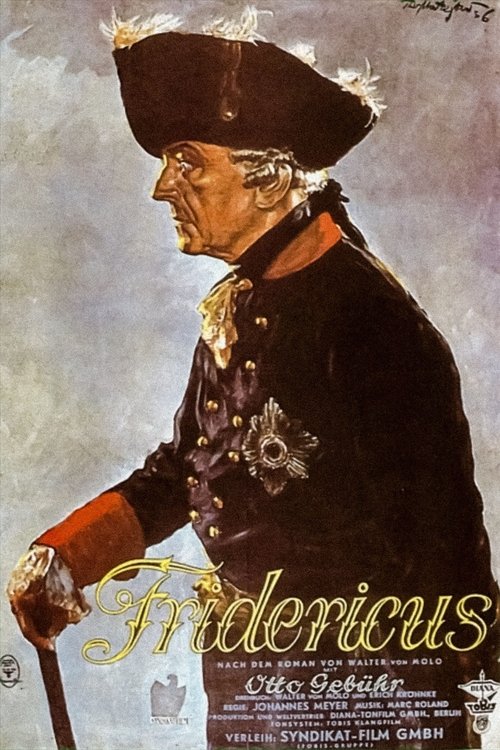
In 18th century Europe, King Friedrich II of Prussia leads his army through the seven-years-war with neighboring states, and after numerous near defeats, eventually brings a victorious army back to Berlin.
Three soldiers on very short home leave visit Berlin. One isn't from there and runs around with his guide book being perplexed by all the things that are different now. Another visits his wife and his baby. The third enters a romance due to a mistaken identity.
Peter, Paul, and Heinz have been best friends since early childhood; the first two are treated almost like Heinz's own children by his parents, Mr. and Mrs. Liebitz. One day, a terrible accident occurs during a regatta: Heinz falls into the water and drowns. Despite this horrific event, the bond between Mr. and Mrs. Liebitz and Paul and Peter only intensifies. The elder Liebitz owns a musical instrument manufacturing business, and since Heinz will no longer be able to take over the company as originally planned, Franz Liebitz comes up with the idea that Peter and Paul should run the business instead. The two young men receive training in instrument making, but they don't want to become dependent on him and decide to earn their living by repairing instruments and/or as music teachers.
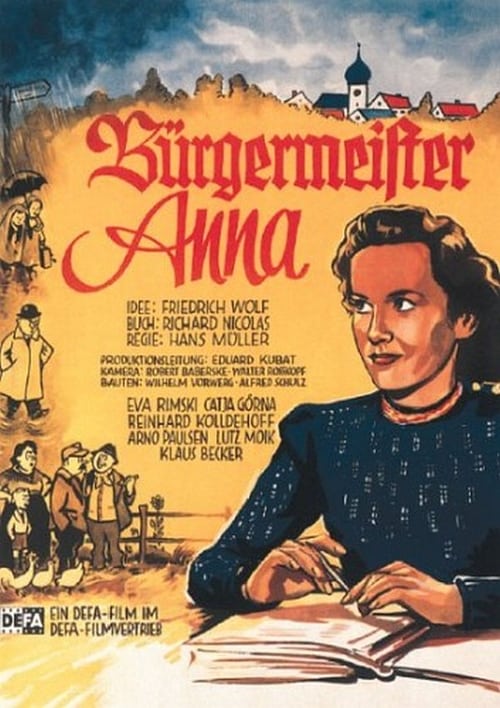
A novelty in German post-war history: a young woman becomes mayor in a village. She is efficient and enjoys respect, but soon enough two villagers disagree with her work. In her predecessor, a prominent farmer, she has a bitter enemy. But even her boyhood friend, who wants to marry her as he returns home from captivity, can not accept that his future wife holds such an office.
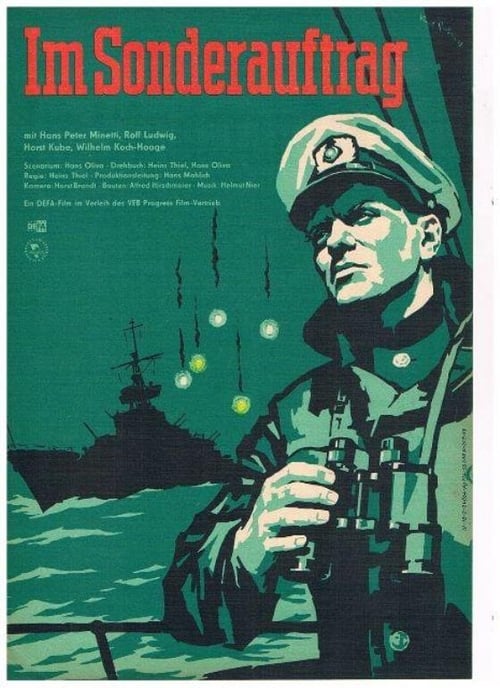
A warship returning from a training exercise was tasked with apprehending an unknown schooner that had violated GDR territorial waters. Although nothing illegal was found during the search of the ship, the ship's commander Fischer was suspicious of the owner of the schooner, Arendt, a former lieutenant of a Nazi coastal battery. Fischer's doubts were confirmed when a diver came aboard the schooner and photographed a military object underwater. The investigation showed that the detained schooner was on a sabotage mission, and the "activities" of Arendt, a former Gestapo Obersturmführer, were also revealed.
In this exotic adventure, unscrupulous gun runners threaten a captain, and a ship is in danger of sinking.
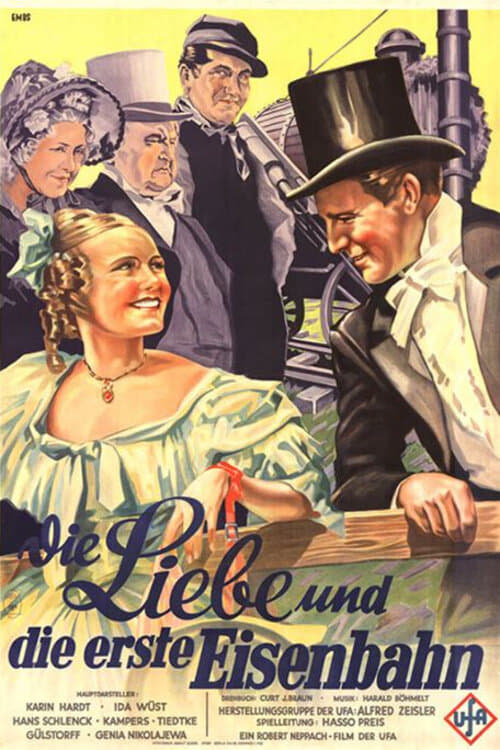
'Love and the First Railway' is what this movie's title would mean in English. This is one of those films that depicts fictional characters participating in an historic incident. The actual first railway was built in England, of course. But according to this movie, the first railway (in Germany, at least) was built from Berlin to Potsdam, in 1838. I haven't the faintest idea if that's correct, but the people who made this movie do seem to take a great deal of interest in historical accuracy, so I'll take their word for it. Anyway, a title at the beginning establishes that this movie is set in 1838.
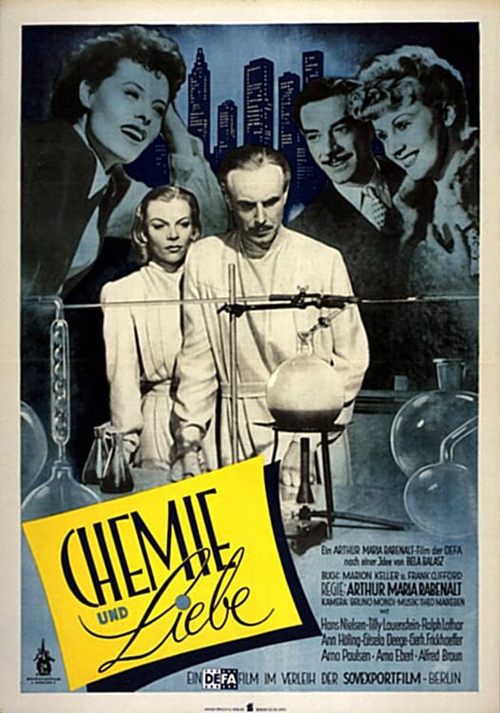
A chemist and his assistant make a groundbreaking discovery. They manage to make butter directly from pasture grass without having to deal with either the cow or the use of dairy products. An industrialist attempts to seize the invention.
F.P.1 is a huge airplane landing dock in the Atlantic where pilots making the transatlantic flight can stop. Yet a saboteur tries to sink the technical wonder in this classic German science fiction film from 1932. The film was also created with English and French speaking actors at the same time.
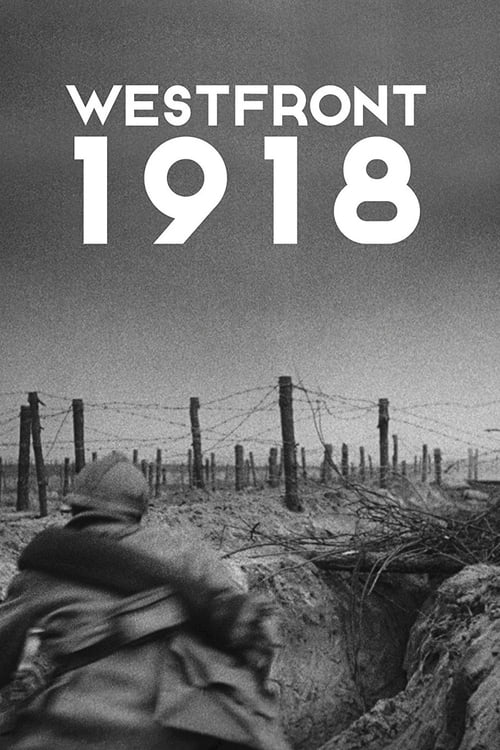
A group of German infantrymen of the First World War live out their lives in the trenches of France. They find brief entertainment and relief in a village behind the lines, but primarily terror fills their lives as the attacks on and from the French army ebb and flow. One of the men, Karl, goes home on leave only to discover the degradation forced on his family by wartime poverty. He returns to the lines in time to face an enormous attack by French tanks.