FEEL IT.STREAM
?

Ted Willis

Writing

Known For

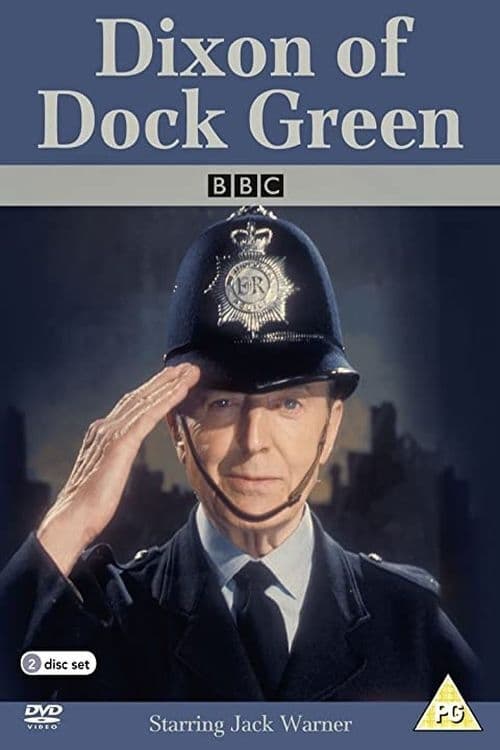
Dixon of Dock Green
6.0

Dixon of Dock Green was a BBC television series following the activities of police officers at a fictional Metropolitan Police station in the East End of London from 1955 to 1976. Some episodes were later remade as a BBC radio series in 2005 and 2006.

Dixon of Dock Green

1955
Alta comedia
6.0

No description available.

Alta comedia

1970
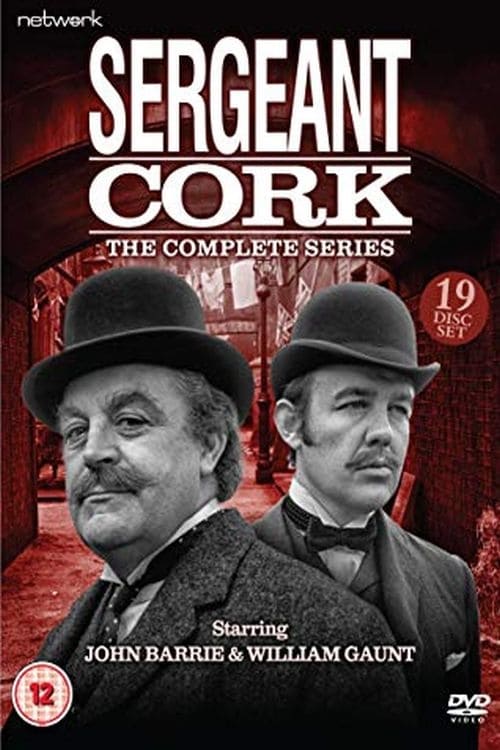
Sergeant Cork
7.3

Sergeant Cork is a British detective television series which first aired between 1963 and 1968 on ITV. It was a police procedural show that followed the efforts of two police officers and their battle against crime in Victorian London. In all 66 hour-long episodes were aired during the five-year run, although the last episode was not broadcast until January 1968, 16 months after the others. Journalist Tom Sutcliffe has credited it as a first example of the use of the Victorian-era policeman in a television crime series. A 1969 review in The Age opined that rather than suspense, the strengths of the series were its "excellent period settings and wonderfully thick pea-soupers" which "add up to splendid evocative stuff", as well as the performance of star John Barrie. At no time during the whole series is Sergeant Cork's first name given.

Sergeant Cork

1963
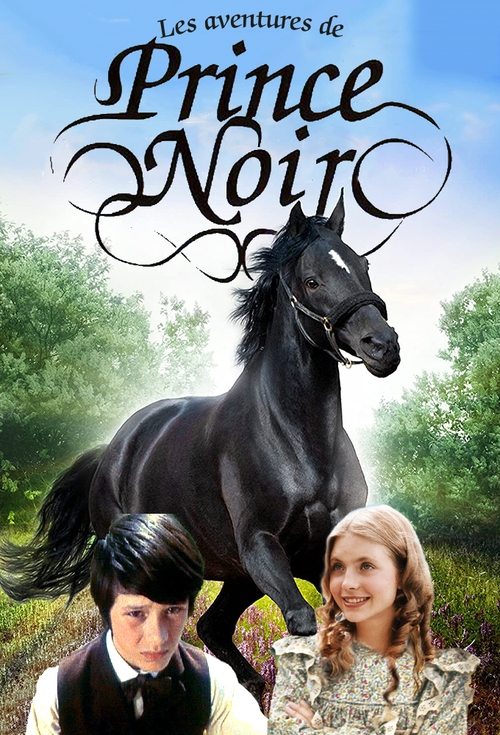
The Adventures of Black Beauty
6.2

The Adventures of Black Beauty is a British family adventure series broadcast on ITV1. Produced by London Weekend Television, the 52-episode series was inspired by Anna Sewell's novel but featured new characters, including Dr James Gordon and his children, who, in 19th century rural England, take in the horse Black Beauty.

The Adventures of Black Beauty

1972
Hunters Walk
N/A

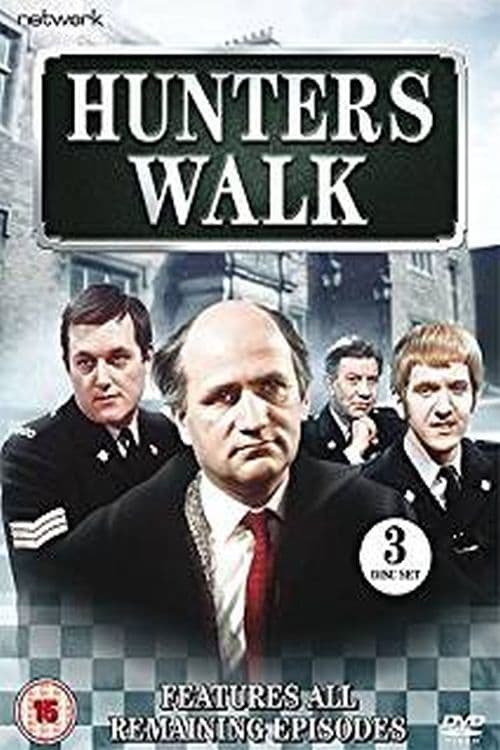
Hunters Walk – devised by Dixon of Dock Green creator Ted Willis – was about crime on a smaller – but no less dramatic – scale, and featured a police force in the fictional Midlands town of Broadstone (the series was actually filmed in Rushden, Northants). Sharing several similarities with the classic 1950s police drama, in particular a small-town settingband storylines encompassing the more human aspects of police work, Hunters Walk offered a contrasting alternative to the 1970s more hard-hitting, action-led urban crime dramas. The small, idiosyncratic team of officers faced a typically broad spectrum of cases, from neighbours’ disputes and hooliganism to suspected murder.

Hunters Walk

1973
No image
N/A

Jubilee 1977 is a thirteen-part 1977 BBC One television limited series produced by Pieter Rogers, an anthology centred around the Silver Jubilee of Elizabeth II marked the twenty-fifth anniversary of the accession on Elizabeth II on 6 February 1952. It was celebrated with large-scale parties and parades in the United Kingdom and the Commonwealth throughout 1977, culminating in June with the official 'Jubilee Days', held to coincide with the Queen's Official Birthday.

Jubilee 1977

1977
Boney
6.7

Boney is an Australian television series produced by Fauna Productions during 1971 and 1972, featuring James Laurenson in the title role of Detective Inspector Napoleon Bonaparte. Two series, each of thirteen episodes were filmed. The series is centred on Bonaparte, a half-Australian Aboriginal character, created by Arthur Upfield, who wrote twenty nine novels about him from 1929 until his death in 1964.

Boney

1972
Armchair Theatre
6.0

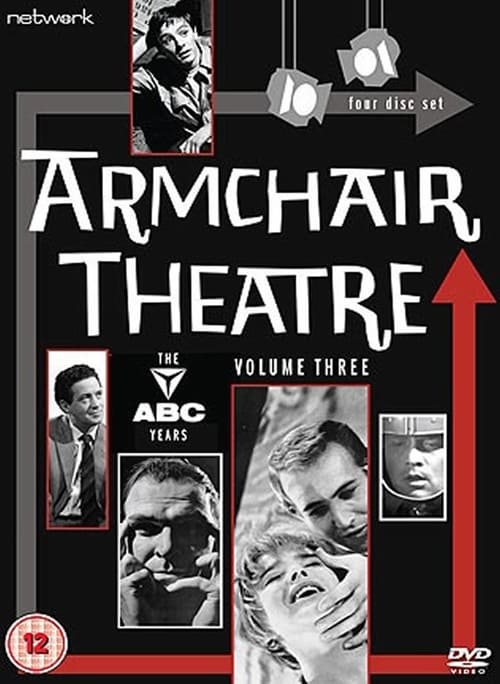
Armchair Theatre is a British television drama anthology series of single plays that ran on the ITV network from 1956 to 1974. It was originally produced by Associated British Corporation, and later by Thames Television from mid-1968.

Armchair Theatre

1956
No image
N/A

Coppers End is a police station where the policemen work very hard to avoid work. A crime would involve them filling in forms, making out reports and, heaven forbid, giving evidence in court.

Coppers End

1971
No image
9.0

Sidney James stars as a cabbie who takes Ray Brooks under his wing and helps him become a taxi driver. They become pals and share working a London black cab.

Taxi!

1963
No image
N/A

Taxi! is a BBC television comedy-drama series transmitted in 1963 and 1964. Created by Ted Willis, who had developed Dixon of Dock Green, he was well aware of taxicab drivers inclination to provide stories, and intended twelve individual plays for what became the first series. The series stars Sid James as Cab firm owner and driver Sid Stone. Similar to his role in the near contemporary film Carry On Cabby, this was more a drama with humour, Jack Rosenthal scripted a few episodes and Bill Owen appeared as the Cab firm's co-owner Fred Cudell with Ray Brooks as driver Terry Mills.

Taxi!

1963
The Blue Lamp
6.6

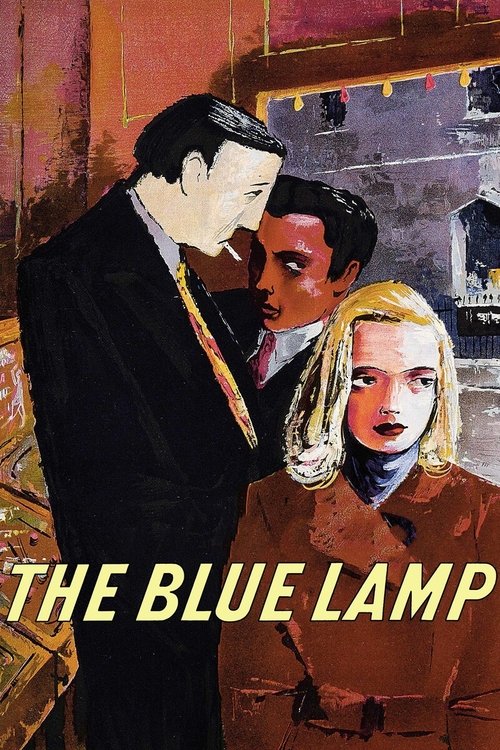
P.C. George Dixon is a long-serving traditional copper who is due to retire shortly. He takes a new recruit under his aegis and introduces him to the easy-going night beat. Dixon is a classic ordinary hero but also anachronistic, unprepared and unable to answer the violence of the 1950s.

The Blue Lamp

1950
Our Miss Fred
6.1

Danny La Rue stars in this 1970s drag comedy as Fred Wimbush, a Shakespearean actor who is drafted into WWII and is appearing in a camp show in France when the Nazis advance. Unless he continues in his female costume, Fred is certain to be shot as a spy. The risque gags and double entendres fly as he attempts to make his escape in the company of a troupe of Girl Guides.

Our Miss Fred

1972
Bitter Harvest
6.2

A pretty young woman will do anything to escape her deadly dull existence in the backlots of Wales. But when she reaches the bright lights of London is the price too high?

Bitter Harvest

1963
No image
N/A

Weekly drama about four brothers who are all lawyers, but specialise in different kinds of work, who discuss points of law and questions of ethics in terms accessible to the viewer.

The Sullavan Brothers

1964
The Young and the Guilty
6.2

Parents veto the romance of two high-school students, forcing them to meet in secret.

The Young and the Guilty

1958
One Good Turn
6.2

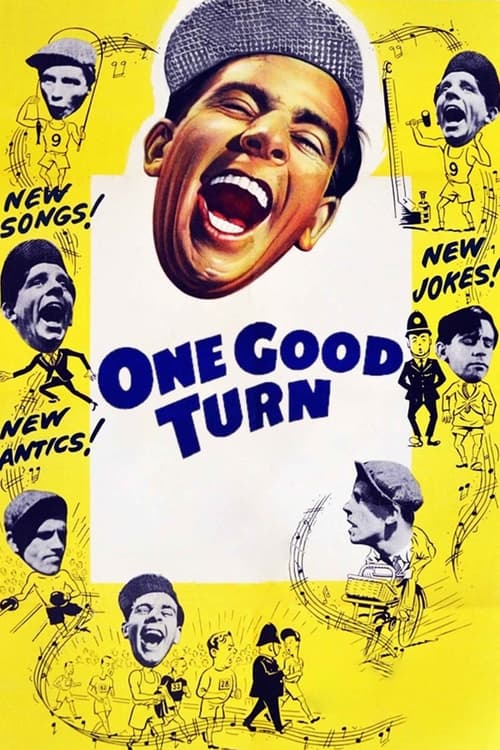
Norman is the oldest orphan at Greenwood Children's Home and now acts as their caretaker. All the orphans are very happy and well cared for. The adventures start when a nasty property developer who is also the chairman of the orphanage board wants to close the orphanage and build a factory on the site. The children are sent to Brighton for the day and Norman is very excited because he's "Never seen the Sea". When they get back they discover the plan to close the orphanage and have to decide what to do

One Good Turn

1955
No image
7.0

Aboard a BOAC plane departing an unnamed Iron Curtain country, a stowaway has convinced a flight attendant to conceal him so he can defect on arrival in London. However, a high-ranking secret police officer posing as a passenger informs her that the man she's protecting is not wanted for his politics; actually, he is a murderer.

The Scent of Fear

1959
Maneaters Are Loose!
10.0

Terror stalks a small California community when a broke and depressed animal owner and trainer is forced to abandon his tigers and let them fend for themselves in the nearby wilderness.

Maneaters Are Loose!

1978
Trouble in Store
6.1

Norman is working in the stock room of a large London department store, but he has ambition (doesn't he always !!), he wants to be a window dresser making up the public displays. Whilst trying to fulfill his ambition, he falls in love (doesn't he always !!), with one of the shopgirls. Together they discover a plot to rob the store and, somehow, manage to foil the robbers.

Trouble in Store

1953