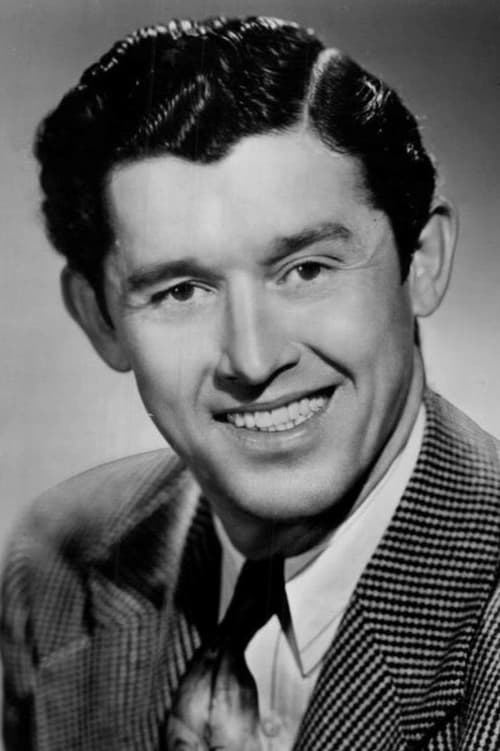
Roy Acuff
Acting
Biography
From Wikipedia Roy Claxton Acuff (September 15, 1903 – November 23, 1992) was an American country music singer, fiddler, and promoter. Known as the "King of Country Music," Acuff is often credited with moving the genre from its early string band and "hoedown" format to the star singer-based format that helped make it internationally successful. In 1952 Hank Williams told Ralph Gleason, "He's the biggest singer this music ever knew. You booked him and you didn't worry about crowds. For drawing power in the South, it was Roy Acuff, then God." Acuff began his music career in the 1930s, and gained regional fame as the singer and fiddler for his group, the Smoky Mountain Boys. He joined the Grand Ole Opry in 1938, and although his popularity as a musician waned in the late 1940s, he remained one of the Opry's key figures and promoters for nearly four decades. In 1942, Acuff co-founded the first major Nashville-based country music publishing company—Acuff-Rose Music—which signed acts such as Hank Williams, Roy Orbison, and The Everly Brothers. In 1962, Acuff became the first living inductee into the Country Music Hall of Fame.
Known For
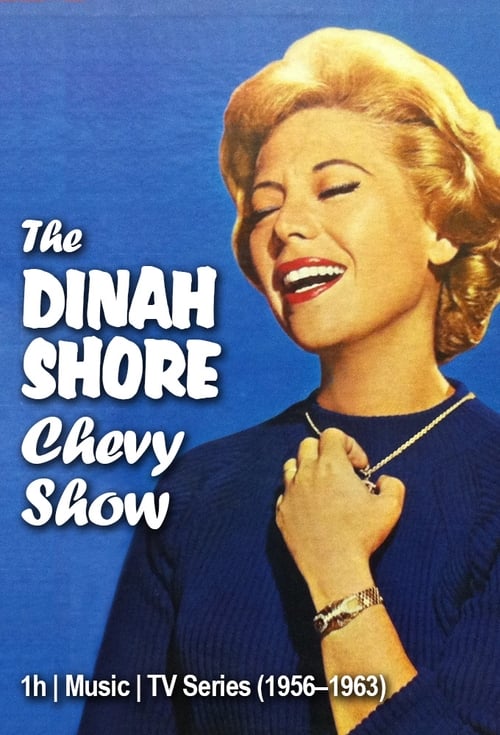
The Dinah Shore Chevy Show is an American variety series hosted by Dinah Shore, and broadcast on NBC from October 1956 to June 1963. The series was sponsored by the Chevrolet Motor Division of General Motors and its theme song, sung by Shore, was "See the U.S.A. in Your Chevrolet", which continued to be used in Chevrolet advertising for several more years after the cancellation of the show.
The Dinah Shore Chevy Show

Hee Haw was an American variety show featuring a mixture of country music and comedy skits. Co-hosted by Buck Owens and Roy Clark for most of the series, the show also guested well-established country music stars including Johnny Cash and Dolly Parton. Originally airing on CBS from 1969 to 1971, the show ran for over 20 years in syndication until 1993.
Hee Haw
The Kennedy Center Honors is an annual honor given to those in the performing arts for their lifetime of contributions to American culture.
The Kennedy Center Honors
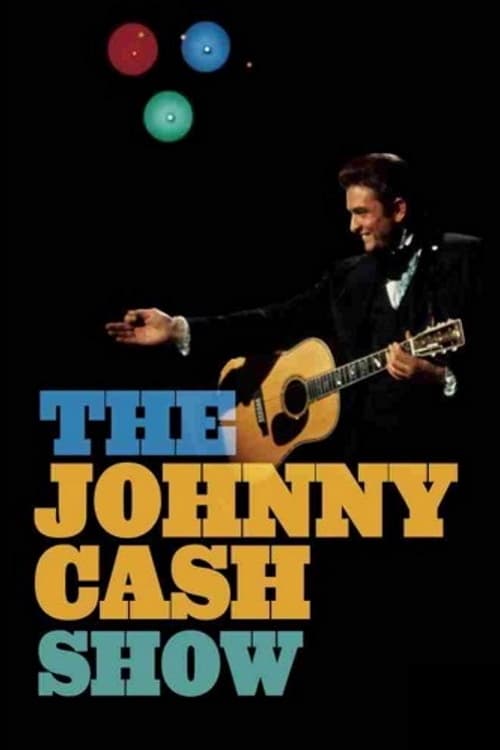
The Johnny Cash Show was an American television music variety show hosted by Johnny Cash. The Screen Gems 58-episode series ran from June 7, 1969 to March 31, 1971 on ABC; it was taped at the Ryman Auditorium in Nashville, Tennessee. The show reached No. 17 in the Nielsen ratings in 1970. Cash opened each show, and its regulars included members of his touring troupe, June Carter Cash and the Carter Family, The Statler Brothers, Carl Perkins, and The Tennessee Three, with Australian-born musical director-arranger-conductor Bill Walker. The Statler Brothers performed brief comic interludes. It featured many folk-country musicians, such as Joni Mitchell, Bob Dylan, Linda Ronstadt, Kris Kristofferson, Mickey Newbury, Neil Young, Gordon Lightfoot, Merle Haggard, James Taylor and Tammy Wynette. It also featured other musicians such as jazz great Louis Armstrong, who died eight months after appearing on the show.
The Johnny Cash Show
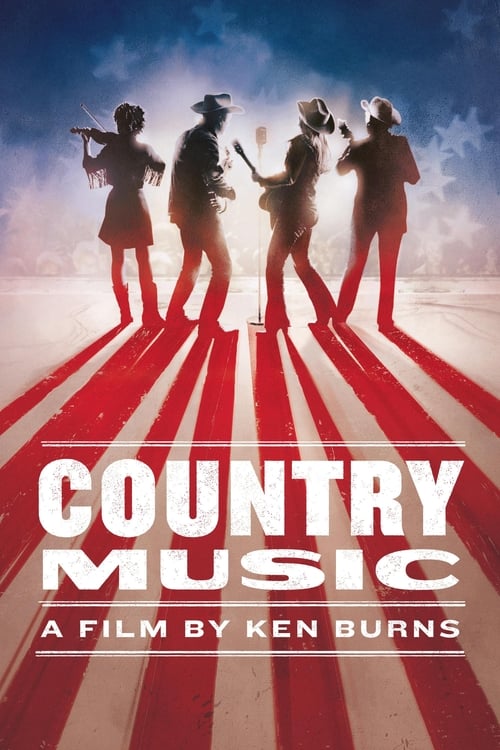
Explore the history of a uniquely American art form: country music. From its deep and tangled roots in ballads, blues and hymns performed in small settings, to its worldwide popularity, learn how country music evolved over the course of the 20th century, as it eventually emerged to become America’s music.
Country Music
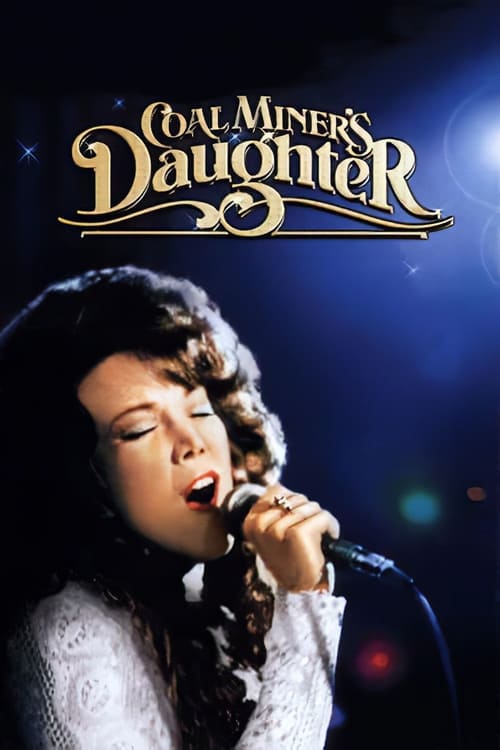
Biography of Loretta Lynn, a country and western singer that came from poverty to fame.
Coal Miner's Daughter

Two Montana saddletramps head to Nashville to open up a detective agency. At first, the agency begins on a lark but, soon, they get involved in a case involving a kidnapped singer and an intricate blackmail scheme.
Concrete Cowboys
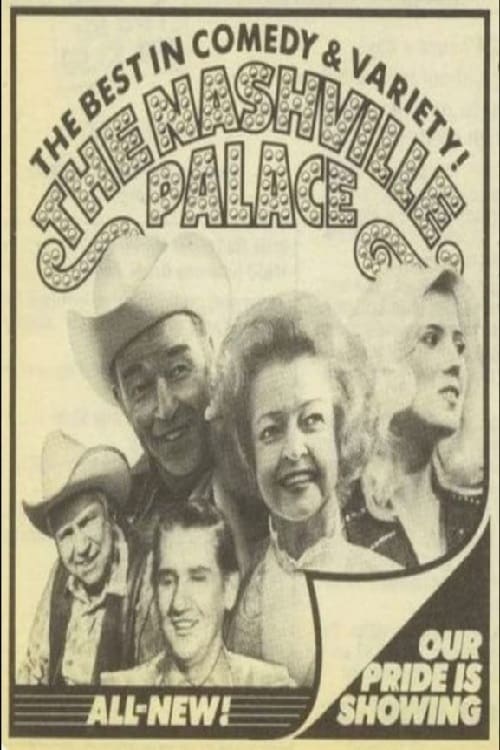
No description available.
The Nashville Palace
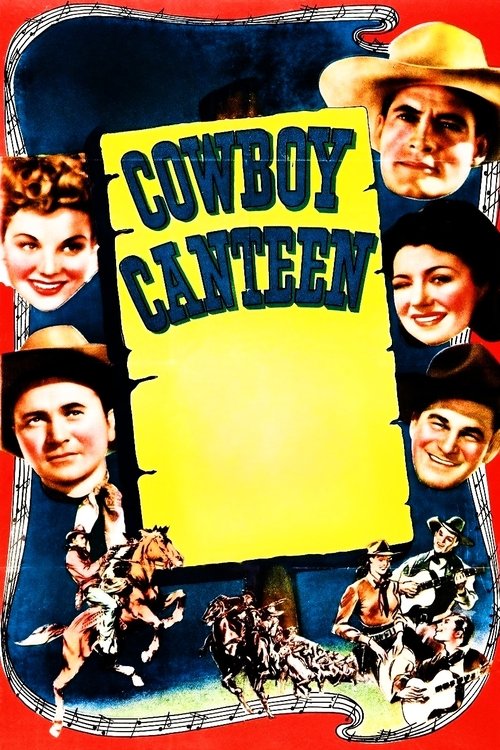
Song and comedy revue, featuring Western talents, along with a theatrical troupe taking their vacation on the Lazy B Ranch run by Steve Bradley. Steve is about to enter the army and he and Tex Coulter compete for the love of Connie Grey.
Cowboy Canteen
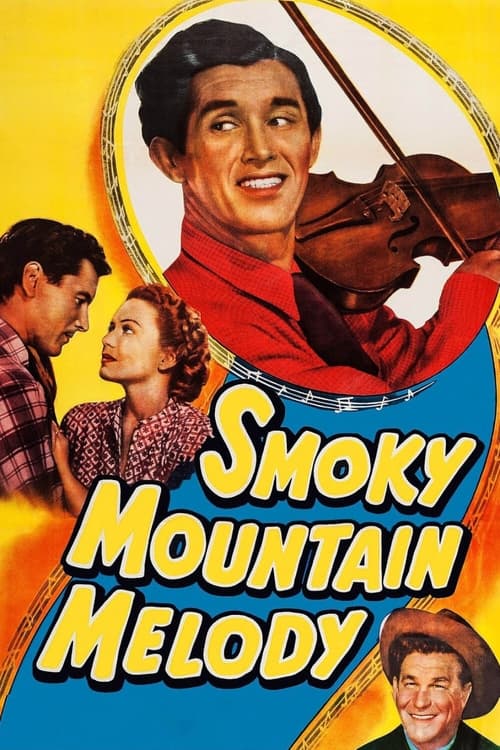
Country-western favorite Roy Acuff and his Smoky Mountain Boys star in the Columbia musical western Smoky Mountain Melody. Not much happens plotwise: Acuff, playing "himself," is a tenderfoot who somehow manages to come out on top when he heads westward. The villains (who aren't all that villainous) try to promote a phony stock deal, but Roy and his pals foils their plans. The comedy honors go to Guinn "Big Boy" Williams as a blowhard sheriff. Smoky Mountain Melody was scripted by Barry Shipman, the son of pioneering female filmmaker Nell Shipman.
Smoky Mountain Melody
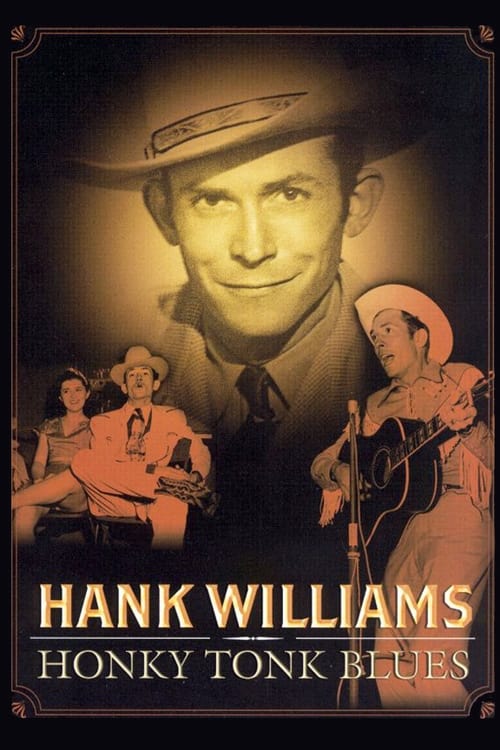
The authoritative documentary on Country Music's most influential figure.
Hank Williams: Honky Tonk Blues

No single figure in American music so dominated a genre as did Bill Monroe with bluegrass. BILL MONROE: FATHER OF BLUEGRASS MUSIC features performances by Bill Monroe & the Blue Grass Boys, Lester Flatt, Emmylou Harris, Paul McCartney, the Osborne Brothers, Dolly Parton, Ricky Skaggs, Marty Stuart, John Hartford and a once-in-a-lifetime Blue Grass Boys reunion featuring Del McCoury, Chubby Wise and Bill Keith. The film features archival footage and rare 1990s performances from Monroe's final years including many of the greatest songs from his six decades of recording.
Bill Monroe: Father of Bluegrass Music
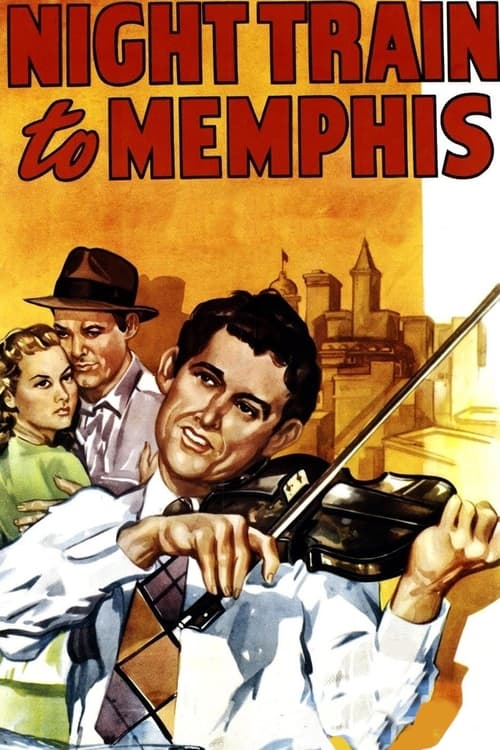
A mountain community is thrown into turmoil as the townspeople debate the advantages and disadvantages of having a railroad.
Night Train to Memphis
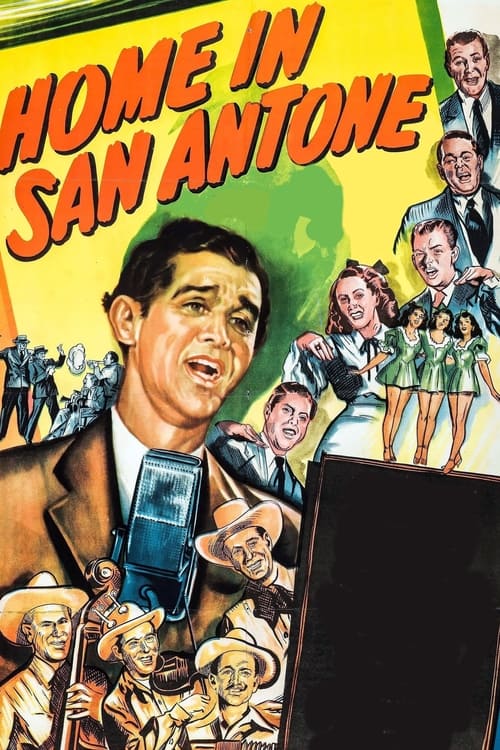
Posing as unemployed musicians, Roy Acuff and his Smoky Mountain Boys, are being helped by Ted Gibson owner of the Harmony Inn in San Antonio, Texas. Gibson is impoverished because he keeps buying his kleptomaniac Uncle Zeke out of trouble, supports his Ma, and Grandpa. He wants to marry Jean Wallace, and doesn't know that Acuff and his musicians are traveling incognito for the radio show "Who Am I Helping?" If he guesses their identity, he wins $100,000.
Home in San Antone
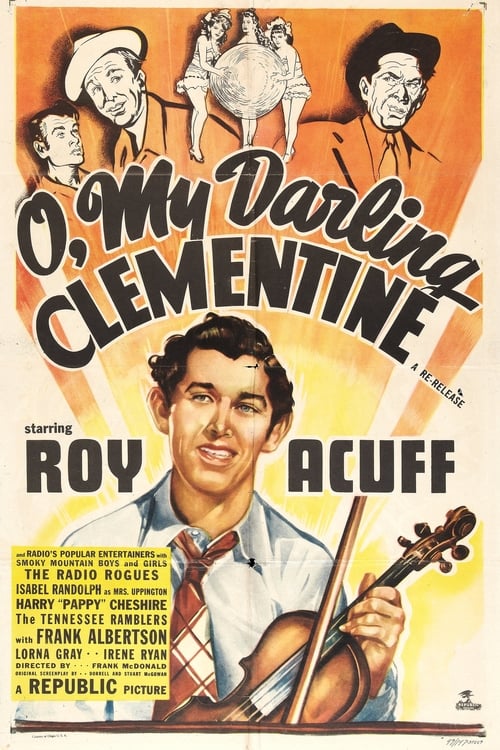
"Dapper Dan" Franklin and his small troupe of actors become stranded in the small town of Harmony, Tennessee. The town is shackled by Blue Laws imposed upon it by a City Council under the influence of their domineering wives. Harry Cheshire is under the thumb of his sister Abigail Uppington. One look at "Pappy's" daughter Clementine, and Dan decides to stay in Harmony...Blue Laws or no.
O, My Darling Clementine
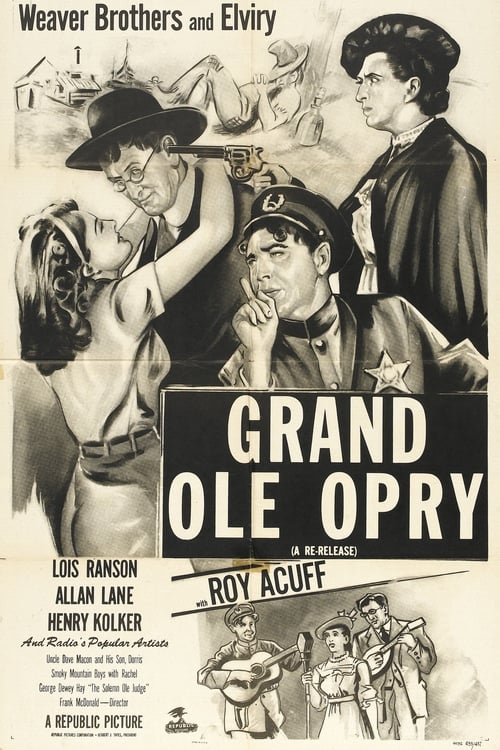
Aided by musicians at the Grand Ole Opry, a small-town mayor in the Ozarks takes on a group of crooked politicians.
Grand Ole Opry
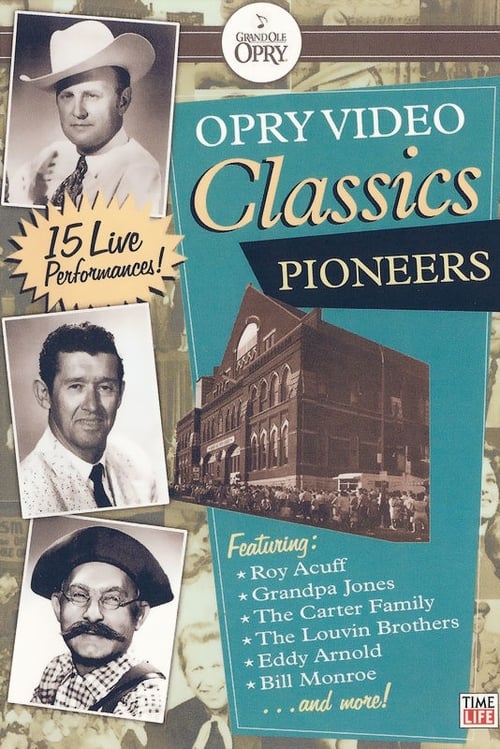
The Carter Family, Roy Acuff and the Sons of the Pioneers belong to a select group of the earliest and most successful country recording artists. Pioneers spotlights them all doing such signature songs as Keep On the Sunny Side, Wabash Cannonball and Tumbling Tumbleweeds, alongside the influential blue-grass bands of Bill Monroe and Flatt & Scruggs. And when Grandpa Jones stomps through Good Old Mountain Dew, you won't be able to sit down.
Opry Video Classics: Pioneers
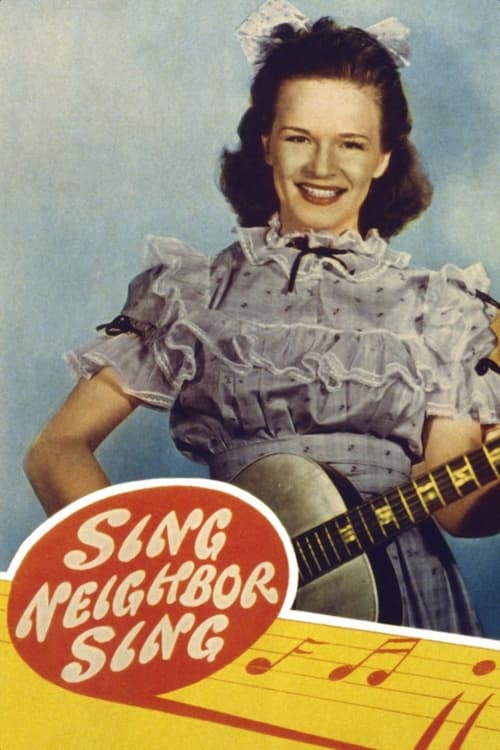
Country radio singers of the '40s appear in this tale about a lothario who poses as a professor to seduce coeds.
Sing, Neighbor, Sing
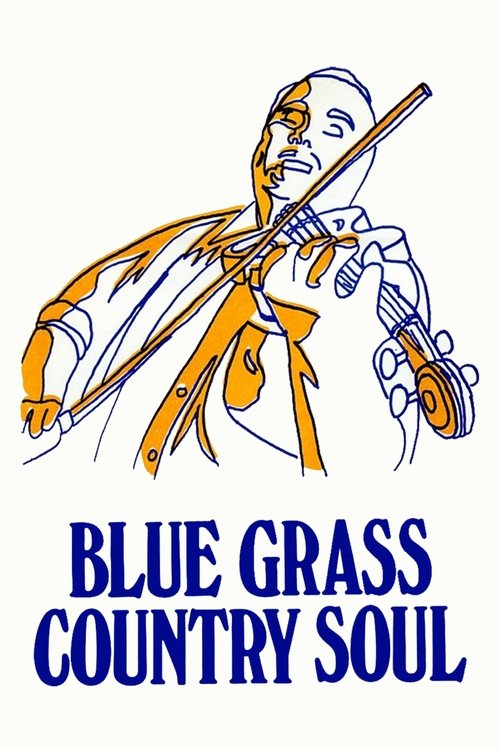
Capturing the sights, sounds, and magic of Carlton Haney’s 1971 Labor Day Festival in Camp Springs, North Carolina; a three-day outdoor festival—the first of its kind—featuring bluegrass veterans and future stars alike sharing the primitive wood and cinder block stage. More than just capturing one of the largest bluegrass festivals of that decade, this documentary is also an interesting mixture of live performances, interviews, impromptu jam sessions and crowd footage of live music set in a small town surrounded by the now long gone red clay and tobacco shacks of North Carolina.
Bluegrass Country Soul
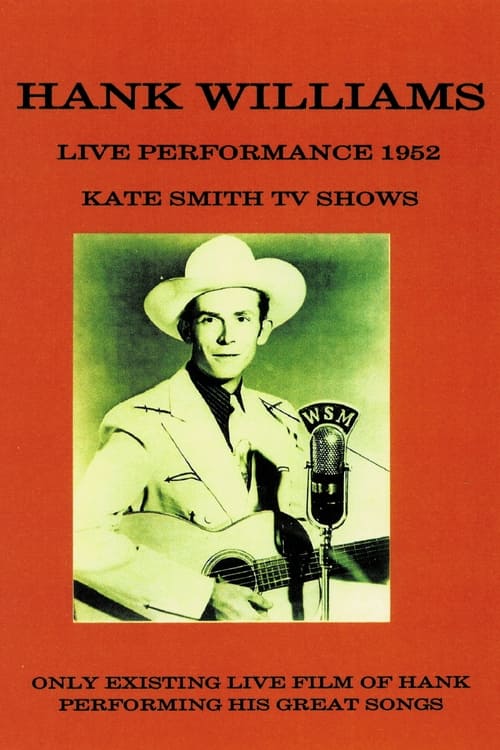
Hank Williams made two appearances on the Kate Smith TV Show in 1952, on 03/26/1952 and on 04/23/1952. The recordings from these two episodes provide us with with the only known available video of the legendary Hank Williams performing. Other guests on the show include Roy Acuff, June Carter and Anita Carter. Performances include Hey, Good Lookin', Cold Cold Heart, I Saw the Light, I Can't Help It (If I'm Still in Love With You) and Glory Bound Train.