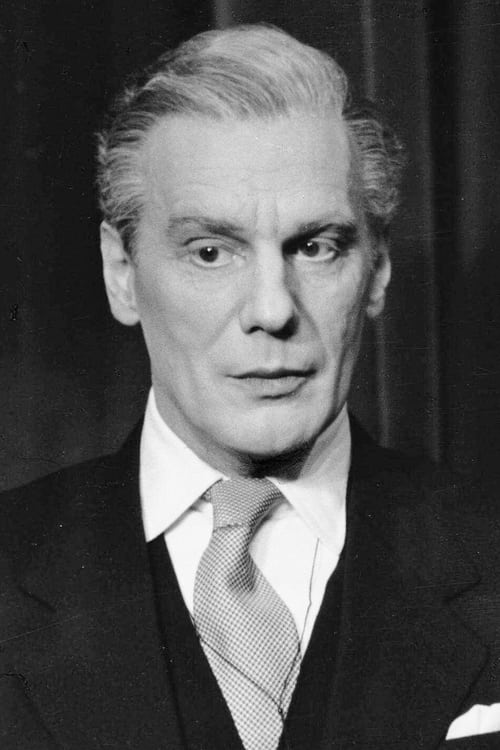
Gustaf Gründgens
Acting
Biography
Gustaf Gründgens (22 December 1899 – 7 October 1963), born Gustav Heinrich Arnold Gründgens, was one of Germany's most famous and influential actors of the 20th century, and artistic director of theatres in Berlin, Düsseldorf, and Hamburg. His career continued unimpeded through the years of the Nazi regime; the extent to which this can be considered as deliberate collaboration with the Nazis is hotly disputed. His best known roles were that of Mephistopheles in Goethe's Faust in 1956/57, and as "Der Schränker" (The Safecracker) who is the chief judge of the kangaroo court presiding over Peter Lorre in Fritz Lang's M.
Known For

A German television format in which Günter Gaus interviewed prominent members of German society, particularly politicians. More than 200 interviews were conducted over the course of 40 years.
Zur Person

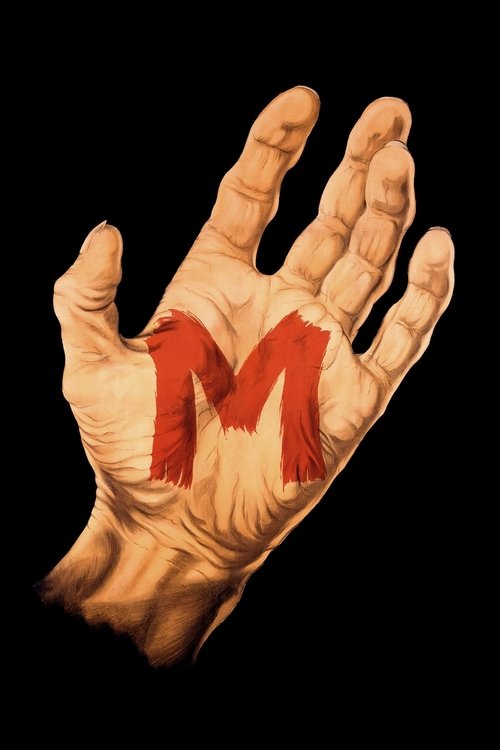
In this classic German thriller, Hans Beckert, a serial killer who preys on children, becomes the focus of a massive Berlin police manhunt. Beckert's heinous crimes are so repellant and disruptive to city life that he is even targeted by others in the seedy underworld network. With both cops and criminals in pursuit, the murderer soon realizes that people are on his trail, sending him into a tense, panicked attempt to escape justice.
M

"The Century of the Theater" - From the "birth of the director" to the "heroes of modernity" - an overview of the world of theater - illuminates the interaction with the history of the past hundred years is also shown.
Das Jahrhundert des Theaters

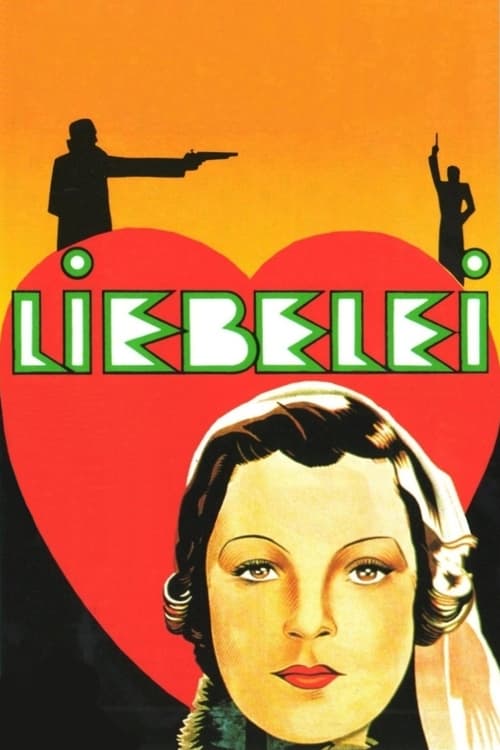
Vienna in the beginning of the twentieth century. Cavalry Lieutenant Fritz Lobheimer is about to end his affair with Baroness Eggerdorff when he meets the young Christine, the daughter of an opera violinist. Baron Eggerdorff however soon hears of his past misfortune...
Liebelei

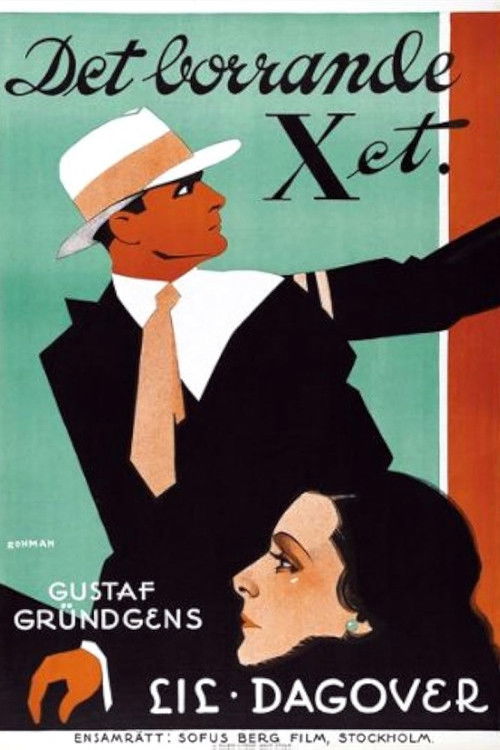
An engineer is hired to plan and oversee the construction of a undersea tunnel between Europe and the US. However, certain interests don't want to see the tunnel built and use every means at their disposal, including sabotage and murder, to stop its construction. French-language version of the 1933 German DER TUNNEL, q.v.
Le Tunnel

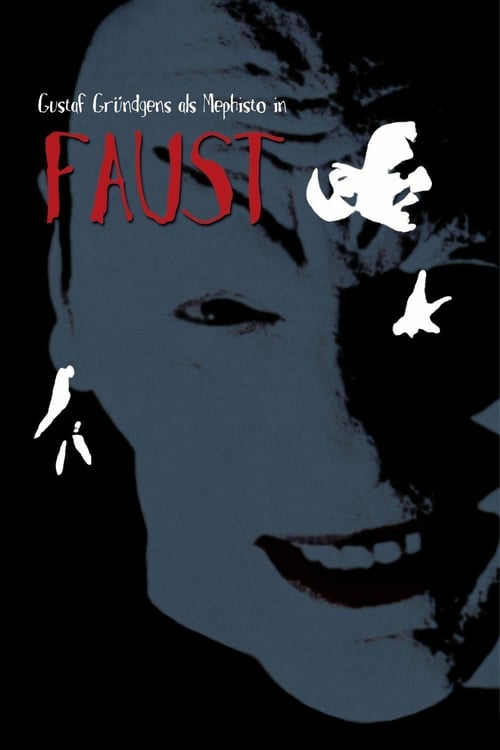
In 1957 Gustaf Gründgens staged a new production of Goethe's Faust in which he once again played Mephisto, a part he had played since 1932. The brilliant production was a huge success and ran for a couple of years. In 1959 Peter Gorski captured the performance on film in his directorial film debut. Basically it is a registration of the production, but Gorksi did manage to accentuate the details of the acting by using enough medium and close-up shots which give a view on the acting you normally would not able to see in a theater.
Faust

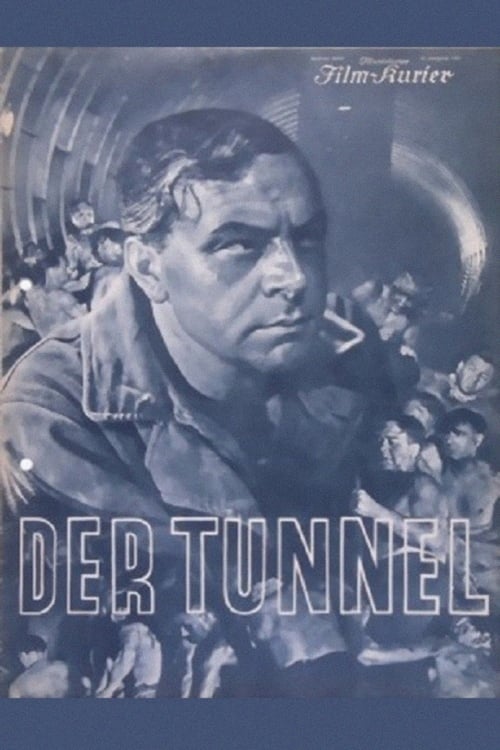
The engineer MacAllan designs a tunnel, which will join America and Europe together on the seabed. A group of American billionaires are financing the gigantic project, but the construction of the tunnel is proving to be as tedious as it is dangerous. MacAllan's worst enemy is the speculator Woolf, who had embezzled the money for the construction and who is attempting to cover up his crime by carrying out acts of sabotage. Also filmed in 1933 in a French-language version, LE TUNNEL, and remade in 1935 in England as TRANSATLATIC TUNNEL.
Der Tunnel

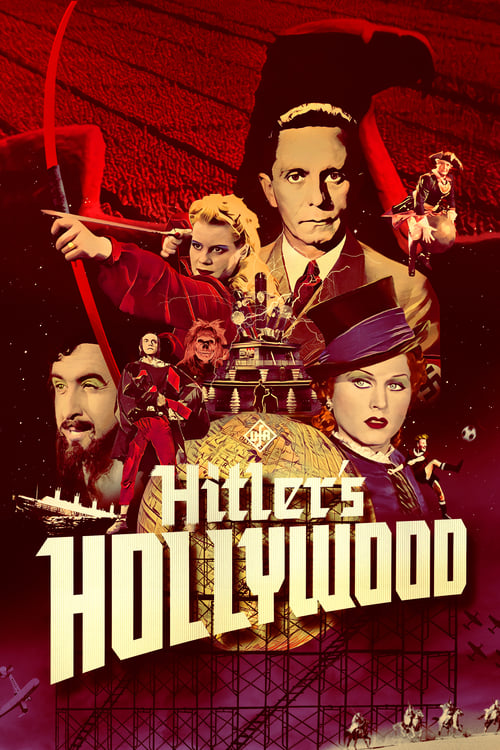
Film journalist and critic Rüdiger Suchsland examines German cinema from 1933, when the Nazis came into power, until 1945, when the Third Reich collapsed. (A sequel to From Caligari to Hitler, 2015.)
Hitler's Hollywood

The political advisor to the French emperor Napoleon, and the Austrian emperor Franz I, arrange a marriage between Napoleon and the Austrian archduchess Marie-Luise in order to prevent another war.
So Ended a Great Love

The two aspiring actresses Jeanette and Mimi are waiting for their big chance. But the real breakthrough is slow in coming. Jeanette especially desperately needs a big success, since her friend, the journalist Stephan, is about to lose his job. When the two have their chance to take a ride in a posh car during a shooting, Jeanette slams on the throttle and the two friends take off. Their aimless journey takes them to a fashionable winter sports’ hotel, where Jeanette reserves a name under “The Countess of Monte Christo”. Everything’s going dandy; no one suspects a thing. That is, until two impostors, Rumowski and “The Baron” take residence in the same hotel.
The Countess of Monte Cristo

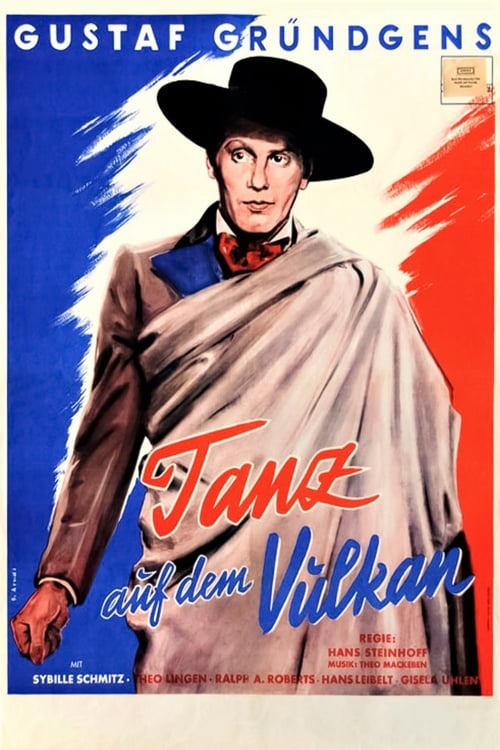
Paris, 1830: Jean-Gaspard Debureau performs on the stage and delights his audience with song, wit and charm. He is, however, very unpopular with King Charles X, who is the target of much of Debureau's scornful jests. That would be a somewhat tolerable situation if it weren't for the fact that Debureau has fallen for a countess, who happens to be the King's mistress.
Tanz auf dem Vulkan

Kitty Kellermann is set to appear in court on suspicion of murder. She is accused of killing her husband. Strangely enough, Peter Bille, who suddenly shows up, confesses to the crime of his own accord, but manages to escape shortly afterward. An adaptation of the play Hokuspokus by Curt Goetz.
Hokuspokus

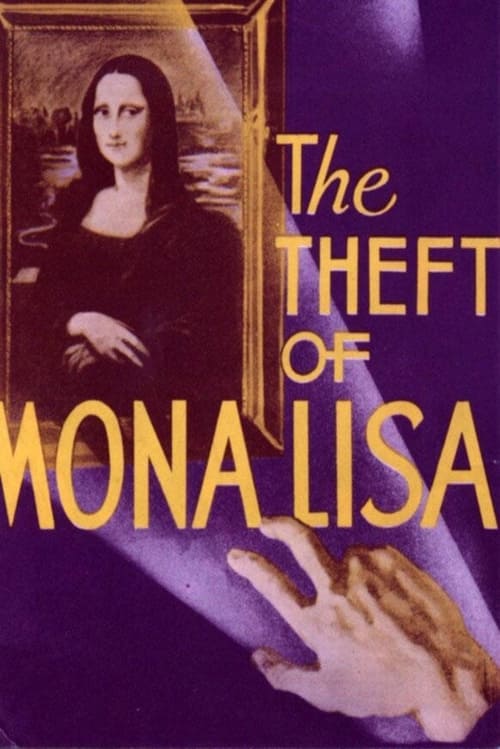
A painter working at the Louvre is struck by the Mona Lisa. When he meets a girl whom he believes bears a resemblance to the painting, and who wants him to become famous, he comes up with the idea of stealing the painting. Based on the real-life theft of 1911.
The Theft of the Mona Lisa

During a house concert, the Bach family gets a visit by their son Wilhelm Friedemann, who has just given up his position in Dresden because he no longer could endure the reprisals of his superiors.
Friedemann Bach

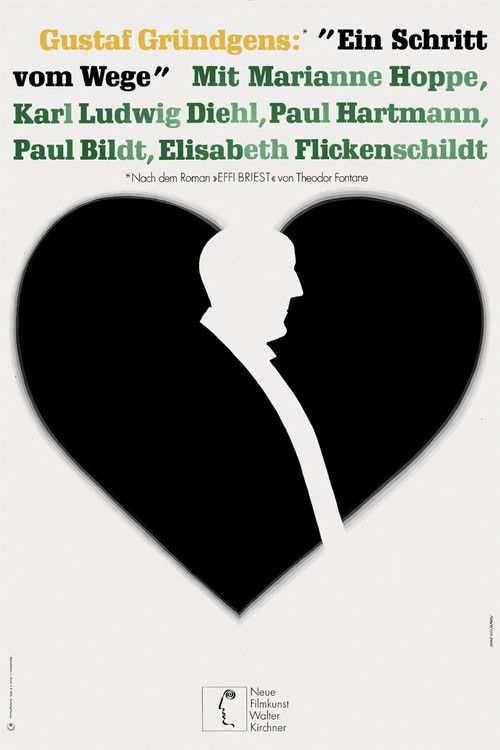
Theodor Fontane's novel about a young girl who as a teenager marries a stiff bureaucrat, has a love affair out of boredom and loneliness and has to suffer the consequences years later should be well known.
Der Schritt vom Wege

As a gang of classy jewel thieves hop from one European country to another, an engineer rescues a woman from their clutches.
Die schönen Tage von Aranjuez
No description available.
Don Gil von den grünen Hosen

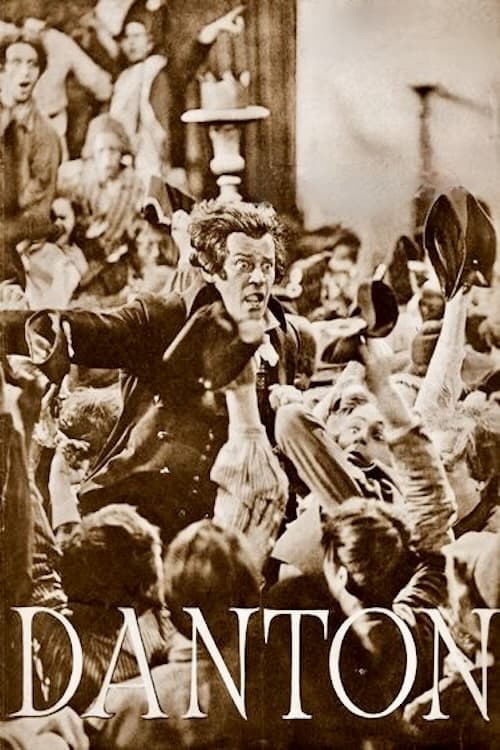
This pre-WW II German costume drama chronicles the French Revolution with a particular focus upon Danton, Robespierre, and Marat. It depicts the dramatic downfall and execution of Georges Danton in 1794 at the hands of Maximilien Robespierre. The film also presents an interesting, if not historically inaccurate, portrayal of Louis XVI.
Danton

Mabel is a successful pilot who hates sensational media, but falls in love with Jack, a womanizer journalist with conservative views on gender. When the two of them get married, they make a deal: Mabel will cease to fly as long as Jack doesn't interview any more women. But how long can they keep their pact?
Love in Stunt Flying

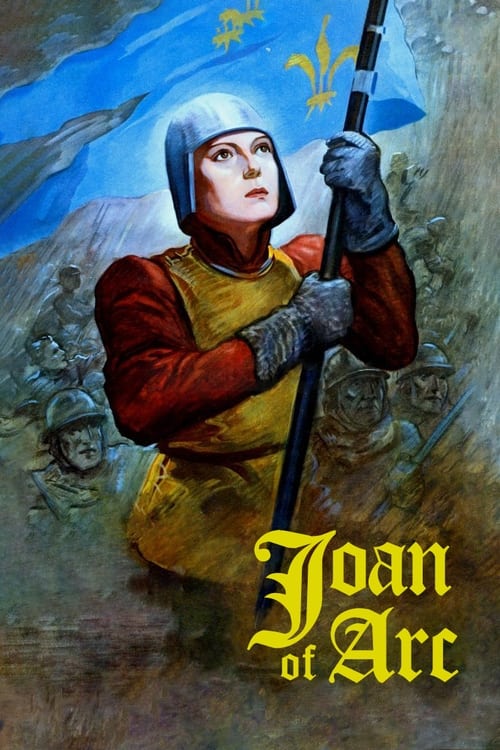
France in the 15th Century: The country is marked by the wars with England and internal power struggles. King Charles sees himself powerless against the state. As emerges from the people suddenly a young woman named Johanna, who claimed that the Archangel Gabriel to be appointed, to save France. First of all doubt the king in their words, but he remembers that the people through this "help of God" is gaining new courage. With the slogan "God and the Virgin!" pulls the revivified victorious army into battle against the English-Burgundian alliance. After Johanna King Charles is crowned at Reims, there breaks the plague over the country in. Now Johanna all the blame on the disaster: God would punish believe in the country for that a heretic; if Johanna were actual a holy, she would deal also with the plague. The waning faith weakens France, England is again on the rise. But Johanna is executed as a witch. Only years later annulled the verdict of the Holy and Johanna explained.