FEEL IT.STREAM
Paul Rotha

Paul Rotha

Directing

Biography

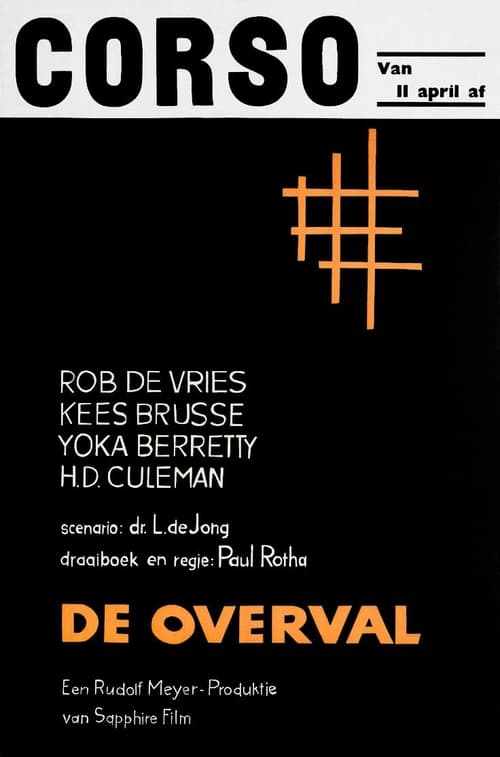
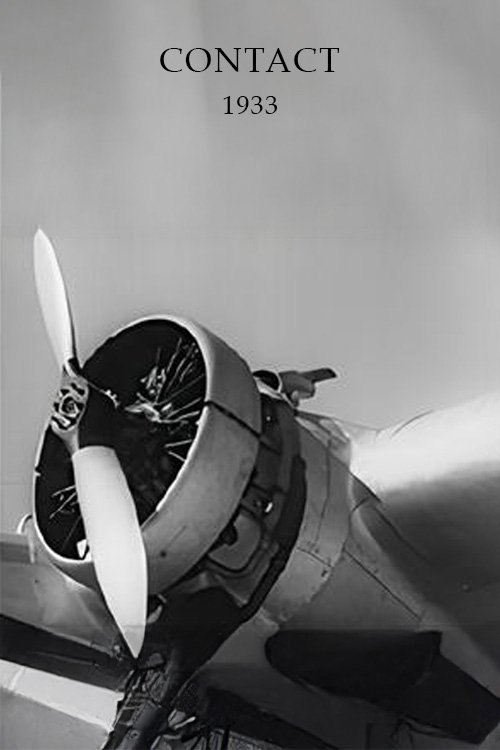
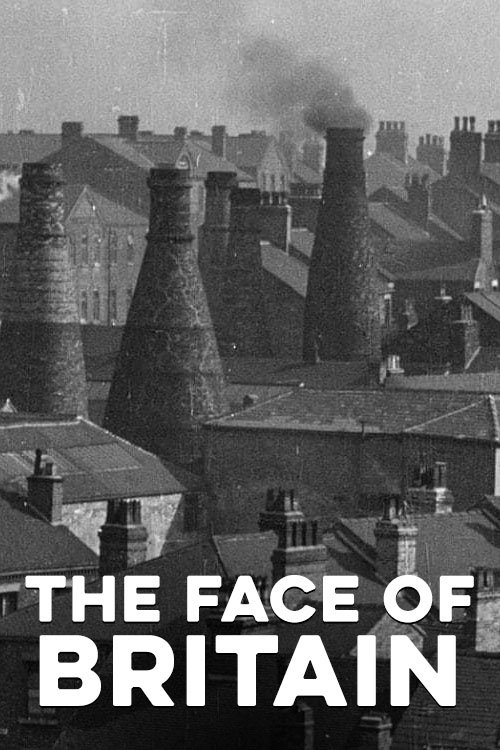
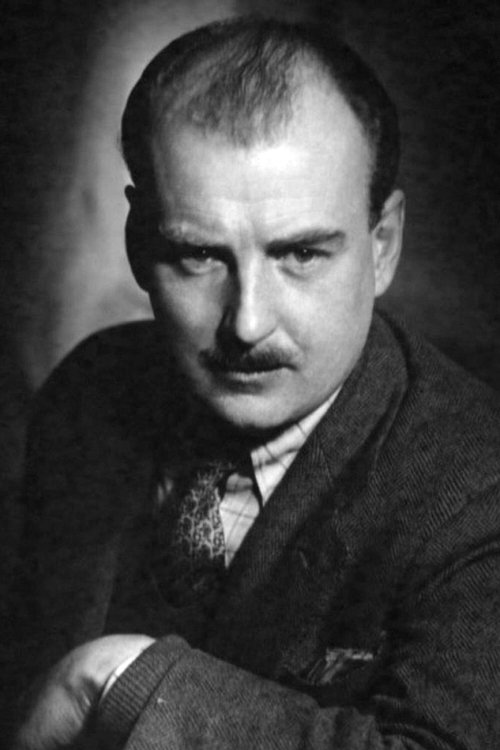
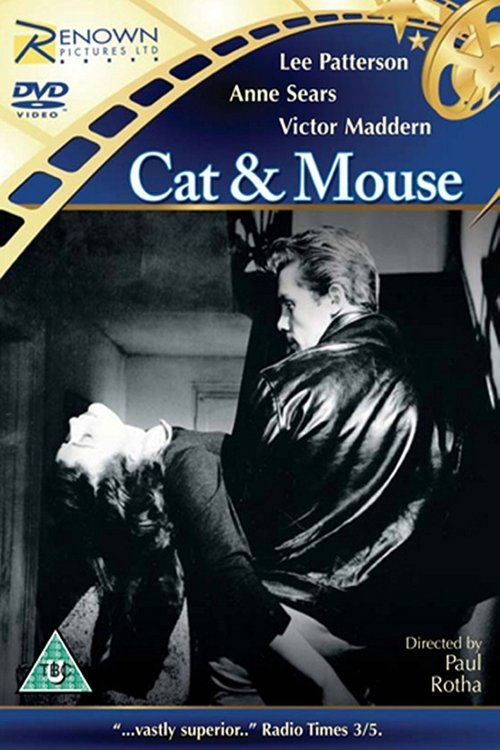
Paul Rotha (3 June 1907 – 7 March 1984) was an English documentary film-maker, film historian and critic. He was born Paul Thompson in London, and educated at Highgate School and at the Slade School of Fine Art. Rotha was a close collaborator of John Grierson, and Wolfgang Suschitzky was one of his cinematographers. He directed and produced dozens of documentaries including Contact (1933), Air Outpost (1937) The Face of Britain (1935), World of Plenty (1943), Land of Promise (1947), A City Speaks (1947) and many others. The World Is Rich (1947) and Cradle of Genius (1961), both of which were nominated for an Academy Award, and feature films including the BAFTA-nominated No Resting Place. Rotha was Head of BBC TV's Documentaries Department between May 1953 and May 1955. Rotha shared with Otto Neurath an interest in the techniques of visual communication, and the two men worked together on several films, where Neurath's ISOTYPE pictorial statistics were animated as an important component of the films' arguments. He was initially a major opponent of sound in movies, although he later developed the technique of multi-voice commentary, in which the argument of the film is conveyed via discussion between several distinct voices, a distinctive form of documentary exposition. Films using this technique include New Worlds for Old (1938), World of Plenty (1943), The World is Rich (1947) and Land of Promise (1946). Rotha wrote, produced and directed the 1958 crime drama Cat & Mouse, based on a novel by John Creasey and starring Lee Patterson and Ann Sears.

Known For

Cat & Mouse
6.3

A GI deserter frames a girl for killing a blackmailer, and holds her captive while seeking gems.

Cat & Mouse

1958
Land of Promise
8.0

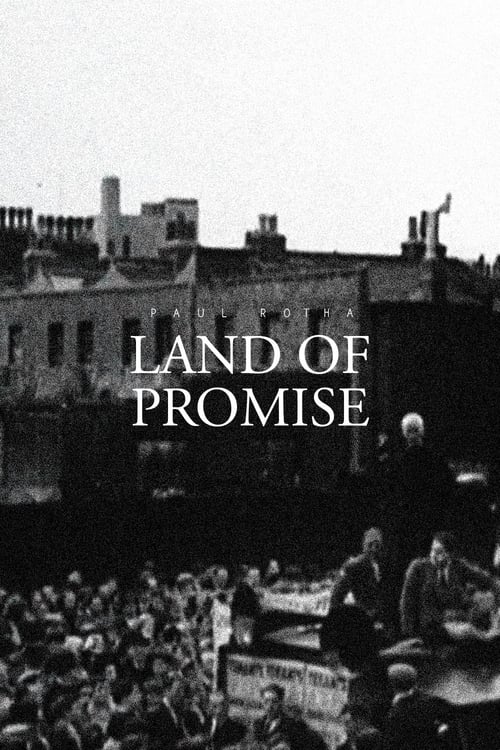
Described as a 'film argument' about homes and houses, this film is in three parts showing houses as they were, houses as they are and houses as they might be.

Land of Promise

1946
No image
8.5

Dunkirk to D-Day in 20 minutes flat: this gripping account of Britain's war effort compels us to sit up and pay attention. A 'total war' is one encompassing civilian as well as military life. Here we witness the might of the state mobilising technology, infrastructure, agriculture, industry and above all people. A rapid-fire onslaught of images and information palpably evokes the experience of total war.

Total War in Britain

1945
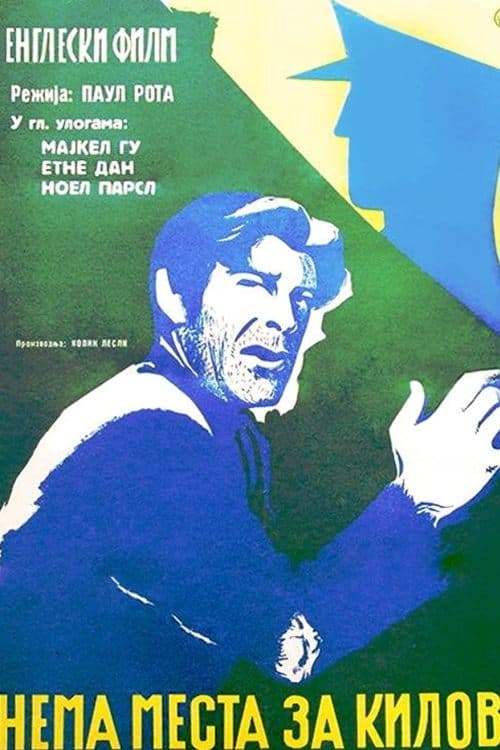
No Resting Place
6.3

The brilliant British documentary filmmaker Paul Rotha made his feature-film debut with 1950's No Resting Place. Filmed on location in Ireland, the film is a lightly fictionalized study of that country's itinerant workmen. Michael Gough plays tinker Alec Kyle, whose life is thrown into turmoil when he accidentally kills a man. Kyle spends the rest of the film evading Guard Mannigan (Noel Purcell), a civil servant who relies on instinct rather than scientific deduction to get his man. Without ever trying to elicit sympathy for his characters, director Rotha manages to compellingly detail the miserable living and working conditions of Ireland's nomad artisans.

No Resting Place

1951
No image
N/A

Urban utopia beckons in this idealistic vision of postwar Manchester - fascinating to revisit as Northern Powerhouses and city devolution return to the agenda. Sponsored by the city council, it's very ambitious for a local government film. Under the soaring, sweeping direction of Paul Rotha, it takes in themes of industry, energy, leisure and housing, present, past and future.

A City Speaks

1947
No image
7.4

Carefully chronicling in great detail the early years of Hitler's political life until his fall as the leader of Germany, this archive-footage documentary offers a sharply critical insight into the stealthy rise of the Nazi party and how it's racist vision of the world slowly took hold in a disillusioned Germany.

The Life of Adolf Hitler

1961
Today We Live
5.0

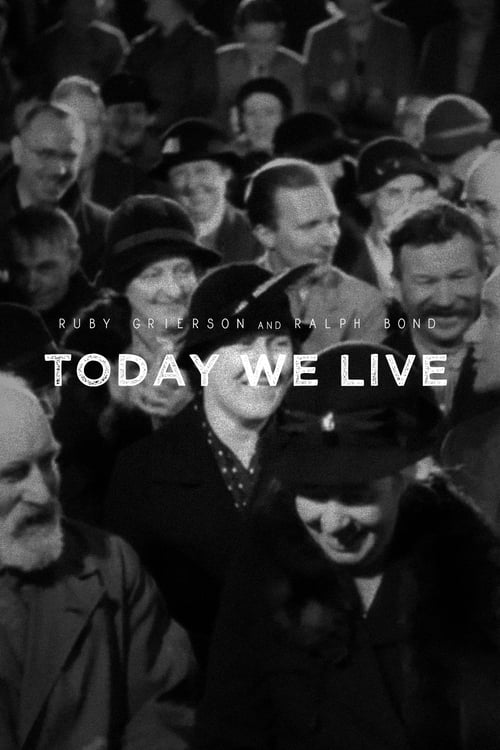
Two case studies highlighting the work of the National Council of Social Service: the conversion of a barn into a village hall in South Cerney, Gloucestershire, and the building of an occupational centre in the depressed mining village of Pentre in the Rhondda Valley, Wales.

Today We Live

1937
World of Plenty
N/A

An opening narration explaining that the film's purpose is to examine the "world strategy of food", in terms of its production, distribution and consumption. The film is then divided into three parts: "Food - As It Was", "Food - As It Is" and "Food - As It Might Be".

World of Plenty

1943
Shipyard
5.3

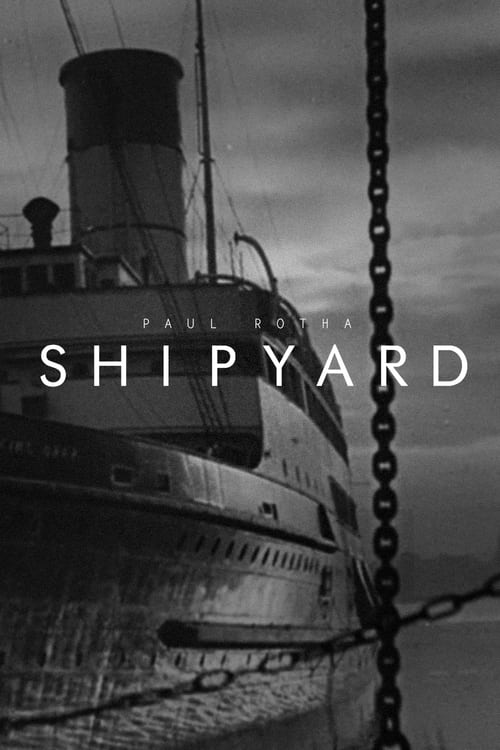
Documentary about the building of ships at Barrow-in-Furness.

Shipyard

1935
No image
N/A

The film sequences were represented by the premiere of the now thought lost short 'Cover To Cover' directed by Paul Rotha. This short film illustrated the production of a book. Added comments from such luminaries as Julian Huntley and TS. Eliot added class.

Cover to Cover

1936
Cradle of Genius
10.0

Longtime playwrights and performers of the Abbey Theatre share colourful reminiscences of the national institution founded by W.B. Yeats and Lady Gregory in 1904. Oscar Nominee: Best Documentary Short

Cradle of Genius

1960
The World Is Rich
7.0

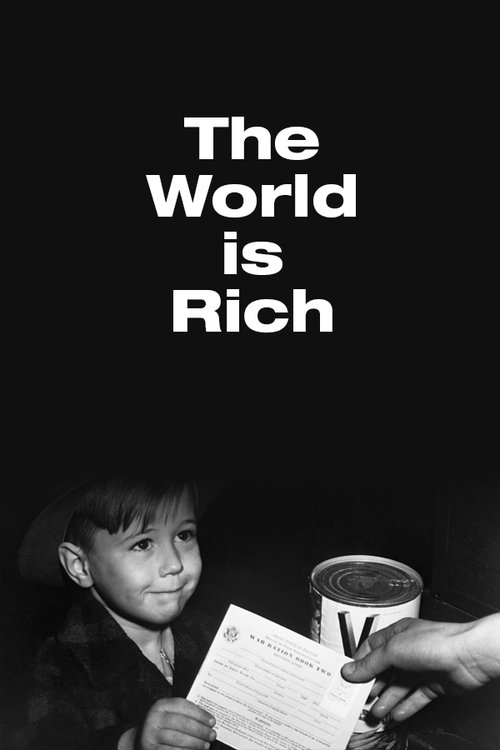
The World Is Rich is a 1947 British documentary film directed by Paul Rotha about food shortages after World War II, outlining steps underway to deal with the problems. It was nominated for an Academy Award for Best Documentary Feature.

The World Is Rich

1946
The Silent Raid
7.0

In 1944 Leeuwarden, the Netherlands, a band of Dutch resistance fighters plot to covertly rescue dozens of compatriots from the local Nazi prison.

The Silent Raid

1962
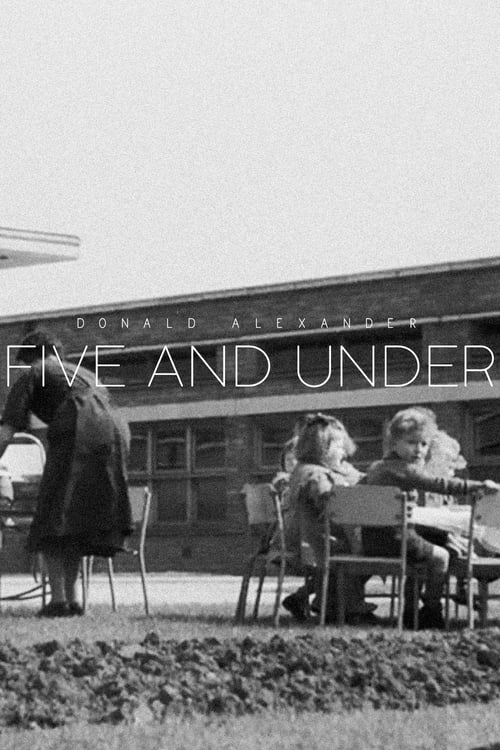
Five and Under
N/A

Childcare for working women during the Second World War.

Five and Under

1941
Bampton Shows the Way
N/A

Part of BFI boxset Ration Books and Rabbit Pies: Films from the Home Front.

Bampton Shows the Way

1941
No image
2.0

This one-reel film was produced during the middle of the Second World War. It purports to offer a portrait of the British people, in broad and in fine. It shows them as hard-working, serious people five and a half days a week; on Saturday afternoons and Sundays, they pursue their private interests, whether they be following a football team, spending time with the family or chatting amiably at the pub while the pretty barmaid draws a fresh beer.

Island People

1940
No image
N/A

Documentary short depicting night workers in an armament factory making tank components for the war effort, the commentary largely being supplied by the workers themselves.

Night Shift

1942
New Builders
8.0

Documentary on the young builders who'll rebuild Britain after the war.

New Builders

1944
The Balance
N/A

A documentary about how trading goods with the rest of the world works to help the UK economy after WWII.

The Balance

1947
No image
N/A

Sharjah airport in the 1930's showing the airport, town, Emirate and Imperial Airways staff. An early British documentary produced by many pioneers of the medium.

Air Outpost

1937