Writing
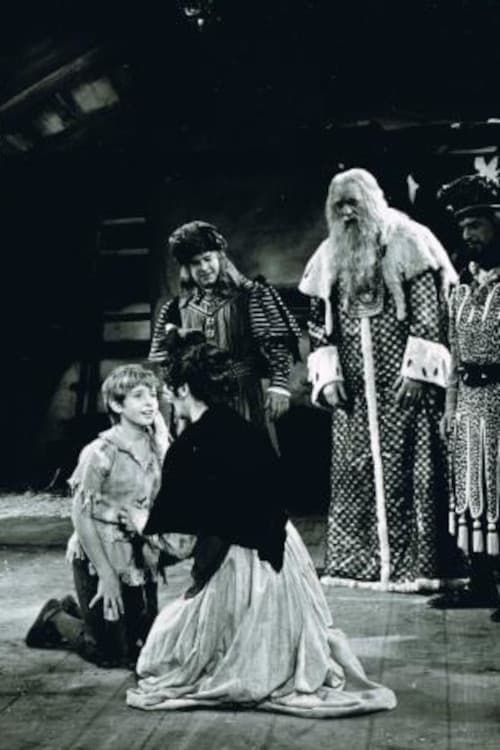
Matinee Theater is an American anthology series that aired on NBC during the Golden Age of Television, from 1955 to 1958. The series, which ran daily in the afternoon, was frequently live. It was produced by Albert McCleery, Darrell Ross, George Cahan and Frank Price with executive producer George Lowther. McCleery had previously produced the live series Cameo Theatre which introduced to television the concept of theater-in-the-round, TV plays staged with minimal sets. Jim Buckley of the Pewter Plough Playhouse recalled: When Al McCleery got back to the States, he originated a most ambitious theatrical TV series for NBC called Matinee Theater: to televise five different stage plays per week live, airing around noon in order to promote color TV to the American housewife as she labored over her ironing. Al was the producer. He hired five directors and five art directors. Richard Bennett, one of our first early presidents of the Pewter Plough Corporation, was one of the directors and I was one of the art directors and, as soon as we were through televising one play, we had lunch and then met to plan next week’s show. That was over 50 years ago, and I’m trying to think; I believe the TV art director is his own set decorator —yes, of course! It had to be, since one of McCleery’s chief claims to favor with the producers was his elimination of the setting per se and simply decorating the scene with a minimum of props. It took a bit of ingenuity.
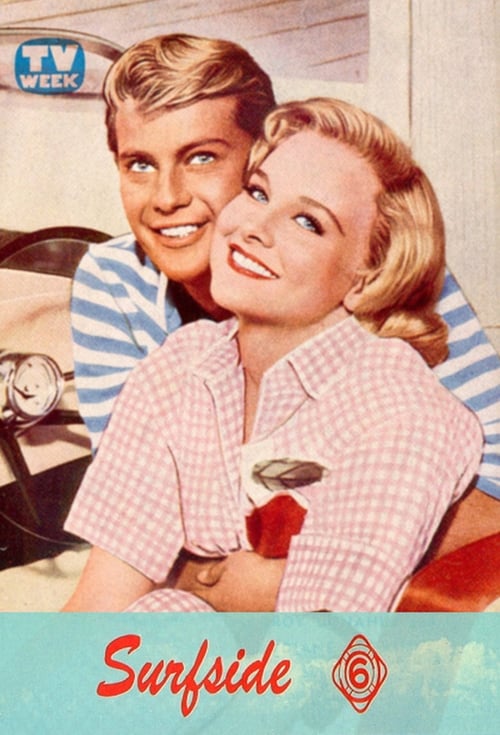
Surfside 6 was an ABC television series which aired from 1960 to 1962. The show centered on a Miami Beach detective agency set on a houseboat and featured Troy Donahue as Sandy Winfield II; Van Williams as Kenny Madison; and Lee Patterson as Dave Thorne. Diane McBain co-starred as socialite Daphne Dutton, whose yacht was berthed next to their houseboat. Margarita Sierra also had a supporting role as Cha Cha O'Brien, an entertainer who worked at The Boom Boom Room, a popular Miami Beach hangout at the Fontainebleau Hotel, directly across the street from Surfside 6. Surfside 6 was in fact a real address in Miami Beach, where an unrelated houseboat was moored at the time; it can also be seen in the sweeping aerial establishing shot of the Fontainebleu in 1964's Goldfinger.
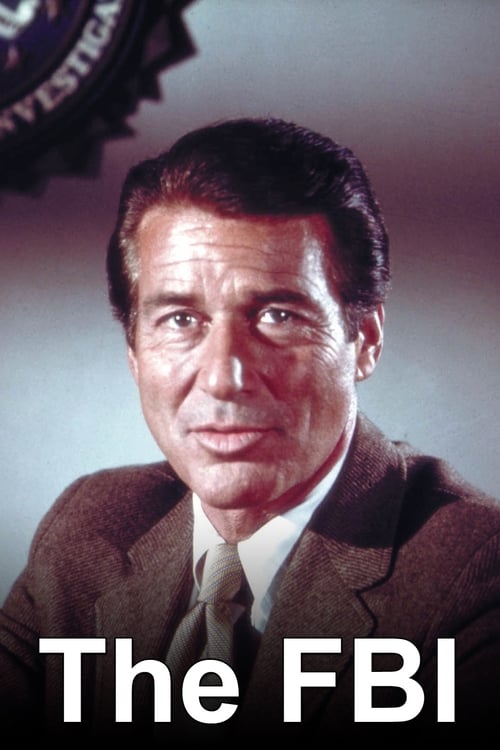
The F.B.I. is an American television series that was broadcast on ABC from 1965 to 1974. It was sponsored by the Ford Motor Company, and the characters almost always drove Ford vehicles in the series. Alcoa was co-sponsor of Season One only.
An annual American awards ceremony honoring cinematic achievements in the film industry. The various category winners are awarded a copy of a statuette, officially the Academy Award of Merit, that is better known by its nickname Oscar.
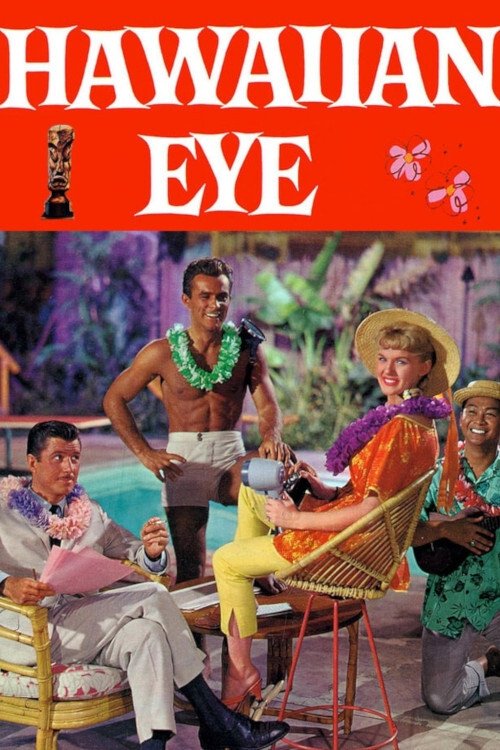
Private Eyes Tom Lopaka and Tracy Steele are based out of Hawaiian Village Resort where they work both hotel security and are hired by others to look into various matters. They're helped by their trusty right-hand man Kazuo Kim who runs a taxi company and is always eager to help them.
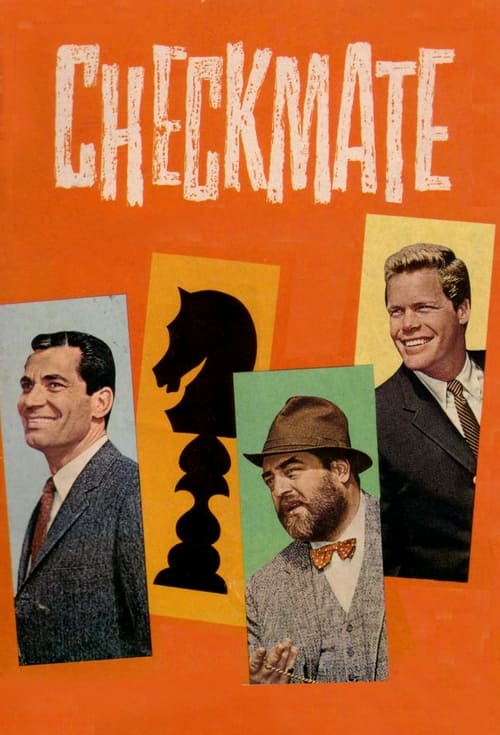
Checkmate is an American detective television series starring Anthony George, Sebastian Cabot, and Doug McClure. The show aired on CBS Television from 1960 to 1962 for a total of 70 episodes and was produced by Jack Benny's production company, "JaMco Productions" in co-operation with Revue Studios. Guest stars included Charles Laughton, Peter Lorre, and Lee Marvin, among many other commensurately prominent performers.
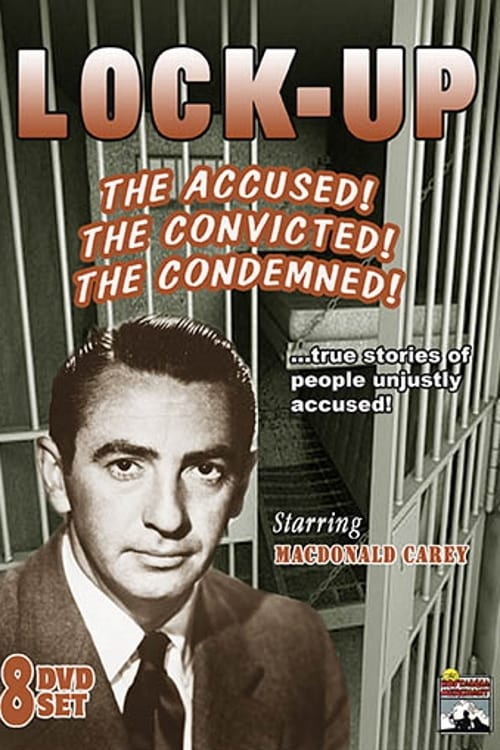
Lock-Up is an American legal drama series that premiered in syndication in September 1959 and concluded in June 1961. The half-hour episodes had little time for character development or subplots and presented a compact story without embellishment.
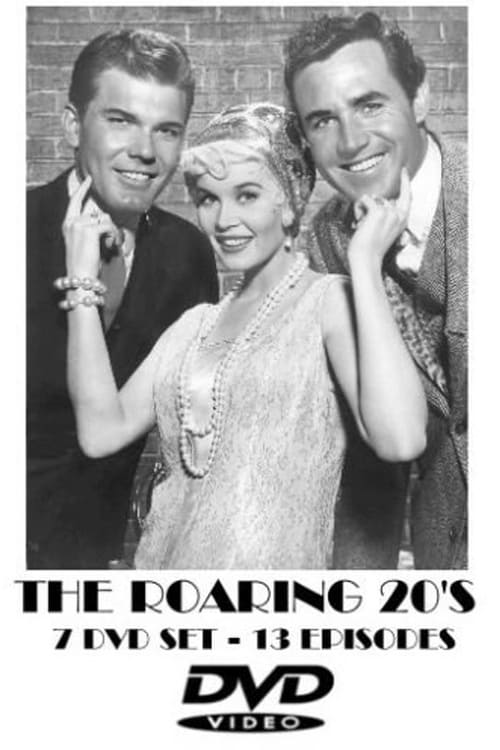
The adventures of a newspaper reporter covering the world of cops and gangsters in 1920s Chicago.
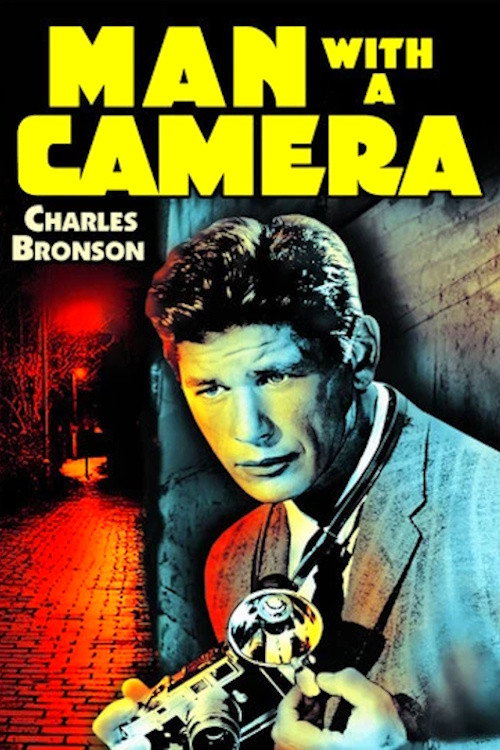
Man with a Camera is an American 1950s television crime drama starring Charles Bronson. Former combat cameraman Mike Kovac (Bronson) is now a freelance photographer in New York City, specializing in difficult and dangerous assignments where he can get the kinds of pictures that other photographers can't, or won't take. He sometimes gets help, often reluctantly, from his contact in the police department, Lt. Donovan, and advice from his immigrant father Anton. Throughout the 1950s, Bronson spent most of his early acting career performing in TV shows as well as small parts in films, until he landed the lead in this ABC series. This is the only series in which he played the lead role. He would go on to have supporting roles either as a guest star or a recurring character in dozens of TV shows after this series was cancelled.
The Long, Hot Summer is an American drama series that was broadcast on ABC-TV for one season from 1965-1966. Created by Dean Riesner, The Long, Hot Summer was based on the novel The Hamlet by William Faulkner, the short story "Barn Burning", and the 1958 film of the same name.
No description available.
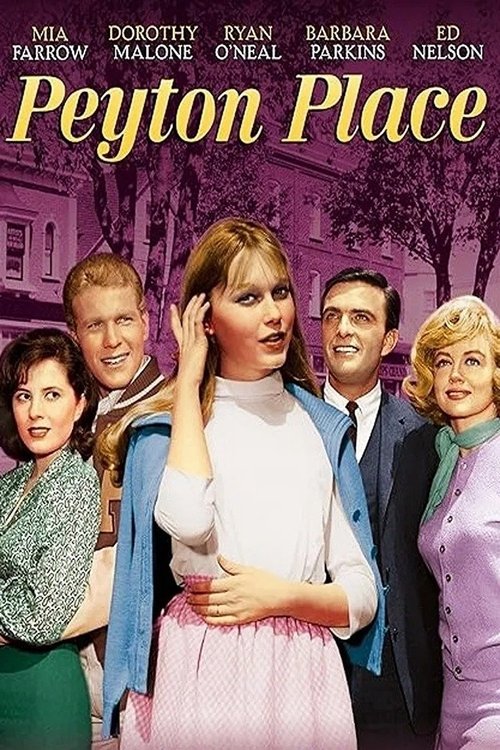
Like the novel and film of the same name, this nighttime soap opera is set in the small New England town of Peyton Place, whose quaint charm masks a complicated web of extramarital affairs, shady business deals, scandals, even murder.
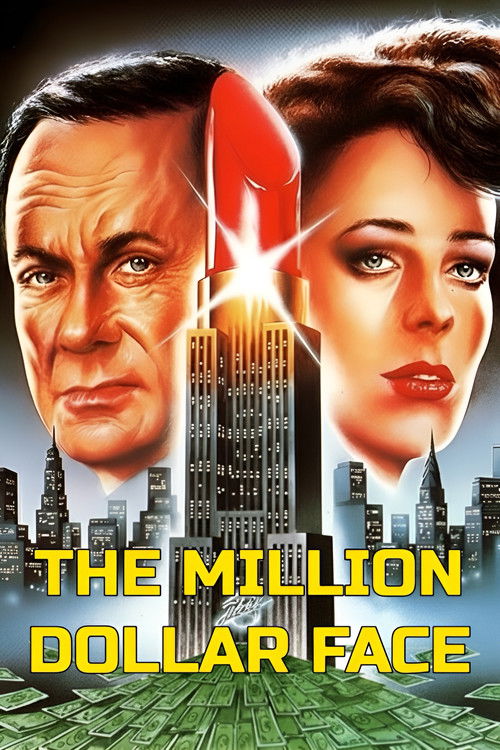
Tony Curtis is the ruthless head of a cosmetics firm, Kiss of Gold, locked in fierce competition with his arch-rival, Glamour, Inc., that happens to be run by his former lover (Lee Grant), and finds his company in the grip of a power struggle among his executives (one of whom, unbeknownst to him, is the son he'd never met) when he is severely injured in a helicopter accident. This pilot to a prospective primetime soap opera failed to generate network interest.
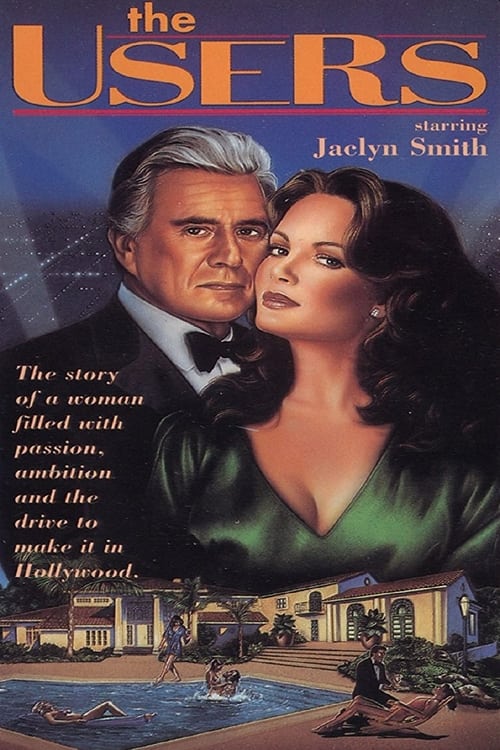
A beautiful girl from a small town with dreams of making it in Hollywood marries an actor whose career is fading, then schemes to get him back into the big time - and her with him.