Acting
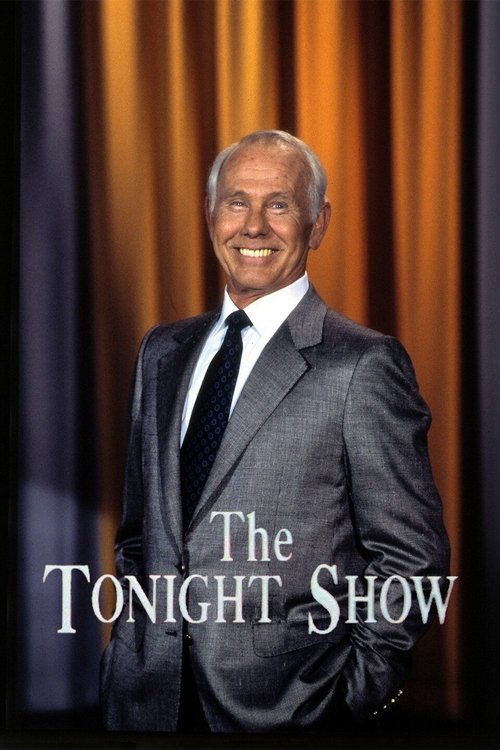
The Tonight Show Starring Johnny Carson is a talk show hosted by Johnny Carson under The Tonight Show franchise from 1962 to 1992. It originally aired during late-night. For its first ten years, Carson's Tonight Show was based in New York City with occasional trips to Burbank, California; in May 1972, the show moved permanently to Burbank, California. In 2002, The Tonight Show Starring Johnny Carson was ranked #12 on TV Guide's 50 Greatest TV Shows of All Time.
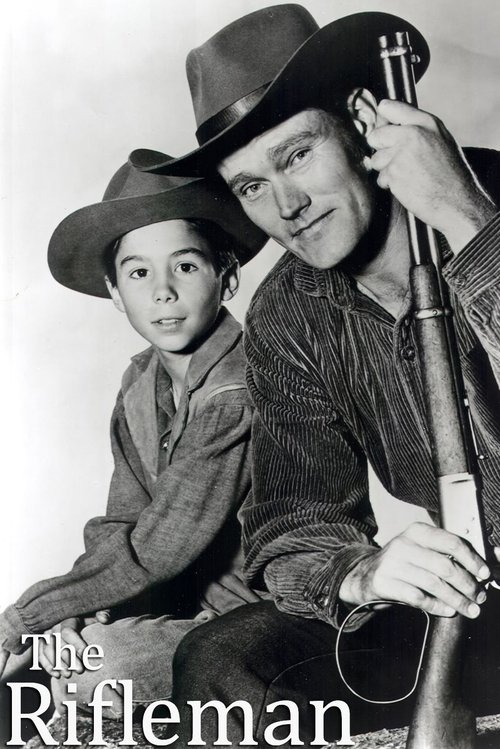
The Rifleman is an American Western television program starring Chuck Connors as rancher Lucas McCain and Johnny Crawford as his son, Mark McCain. It was set in the 1880s in the town of North Fork, New Mexico Territory. The show was filmed in black-and-white, half-hour episodes. "The Rifleman" aired on ABC from September 30, 1958 to April 8, 1963 as a production of Four Star Television. It was one of the first prime time series to have a widowed parent raise a child.
Revolves around typical family problems, such as firing a clumsy housekeeper, throwing a retirement bash for a colleague, and finding quality time away from the children.
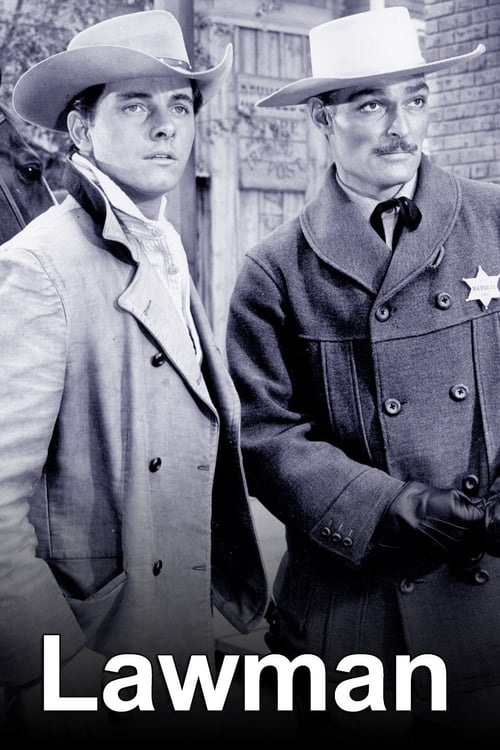
Lawman is an American western television series originally telecast on ABC from 1958 to 1962 starring John Russell as Marshal Dan Troop and featuring Peter Brown as Deputy Marshal Johnny McKay. The series was set in Laramie, Wyoming during 1879 and the 1880s. Warner Bros. already had several western series on the air at the time, having launched Cheyenne with Clint Walker as early as 1955. The studio continued the trend in 1957 with the additions of Maverick with James Garner and Jack Kelly, Colt .45 with Wayde Preston, and Sugarfoot with Will Hutchins. One year later, Warner Bros. added Lawman and Bronco with Ty Hardin. Prior to the beginning of production, Russell and Brown and producer Jules Schermer made a pact to maintain the quality of the series so that it would not be seen as "just another western." At the start of season two, Russell and Brown were joined by Peggie Castle as Lily Merrill, the owner of the Birdcage Saloon, and a love interest for Dan.
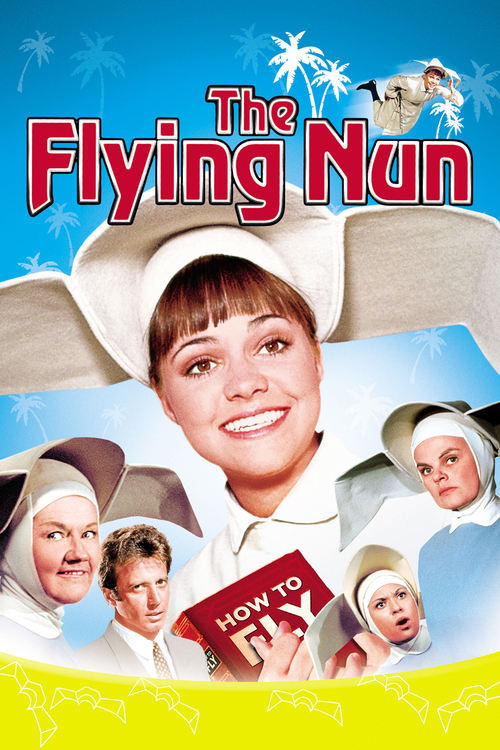
Young Sister Bertrille uses her ability to become airborne to help others, whether they want it or not. Although her aims are always benevolent, her means are often bemoaned by Mother Superior. The other Sisters must cope with their beloved Sister's aerodynamics and antics as she flies in and out of trouble.
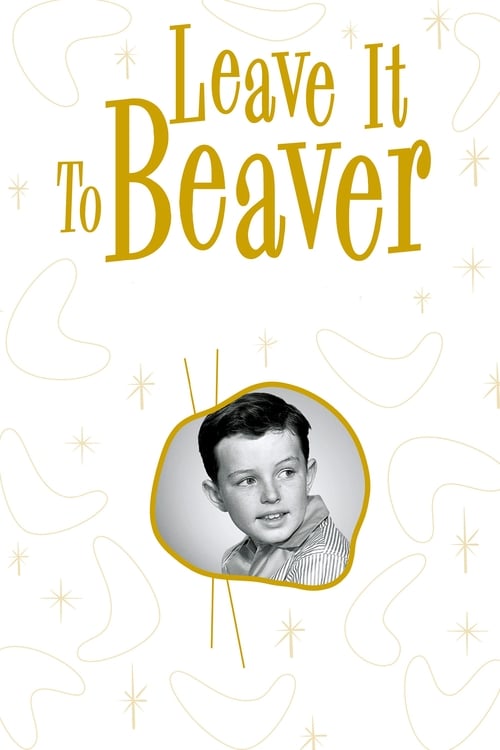
An inquisitive and often naïve boy, Theodore 'The Beaver' Cleaver, has adventures at home, in school, and around his suburban neighborhood. The show also starred Barbara Billingsley and Hugh Beaumont as Beaver's parents, June and Ward Cleaver, and Tony Dow as Beaver's brother Wally. The show has attained an iconic status in the US, with the Cleavers exemplifying the idealized suburban family of the mid-20th century.
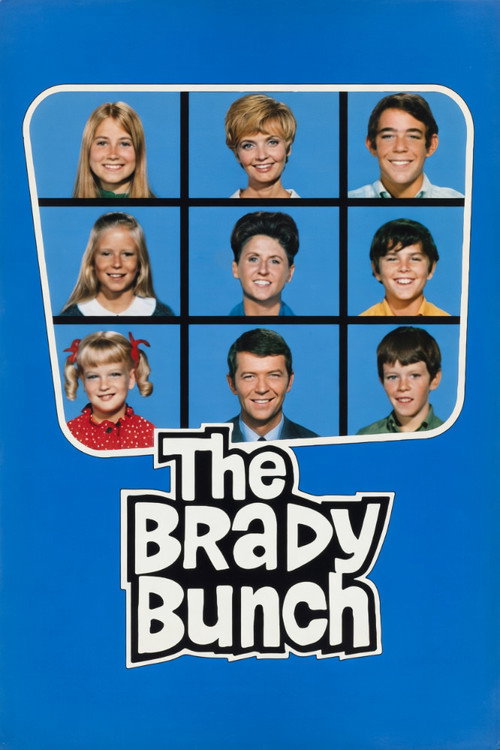
When widower Mike Brady marries a lovely lady widow Carol Ann, their two families become one. These are the misadventures of this new couple, their six children, a dog named Tiger, and quirky housekeeper Alice.
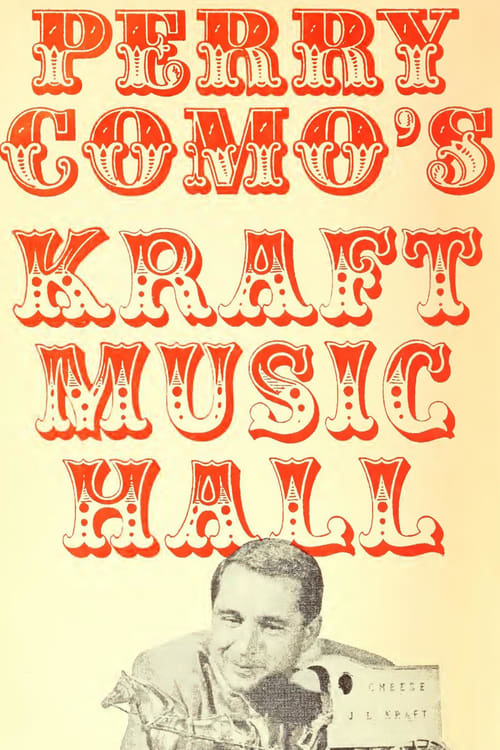
Kraft Music Hall is an umbrella title for several television series aired by NBC in the United States from the 1950s to the 1970s in the musical variety genre, sponsored by Kraft Foods, the producers of a well-known line of cheeses and related dairy products. Their commercials were usually announced by "The Voice of Kraft", Ed Herlihy.
An anthology series that explored the ways sudden and unexpected wealth changed life for better or for worse. It told the stories of people who were given one million dollars from a benefactor who insisted they never know him, with one exception.
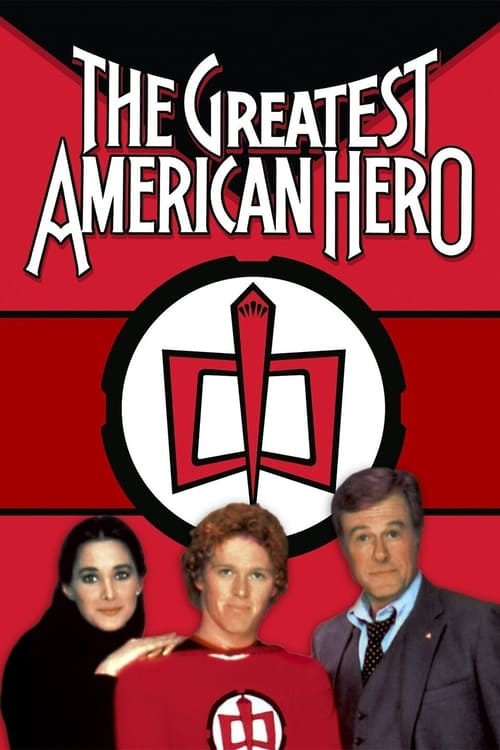
The chronicles of teacher Ralph Hinkley's adventures after a group of aliens gives him a red suit that gives him superhuman abilities. Unfortunately, Ralph, who hates wearing the suit, immediately loses its instruction booklet, and thus has to learn how to use its powers by trial and error, often with comical results.
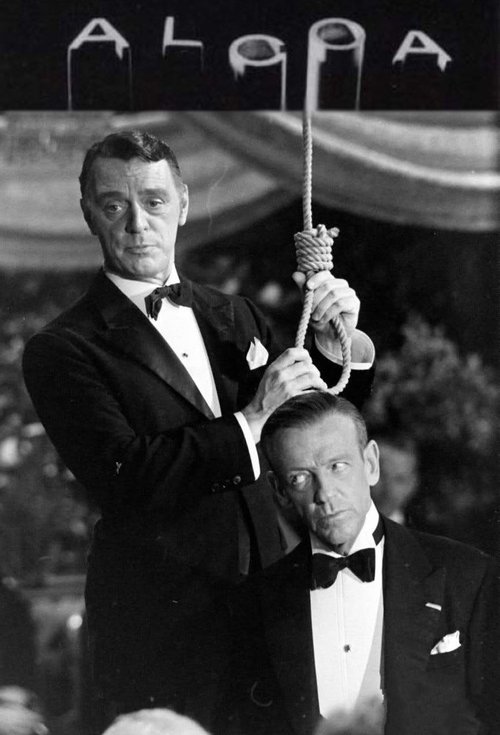
Alcoa Premiere is an American anthology drama series that aired from October 1961 to July 1963 on ABC. The series was hosted by Fred Astaire, directed by Norman Lloyd and executive produced by Alfred Hitchcock.
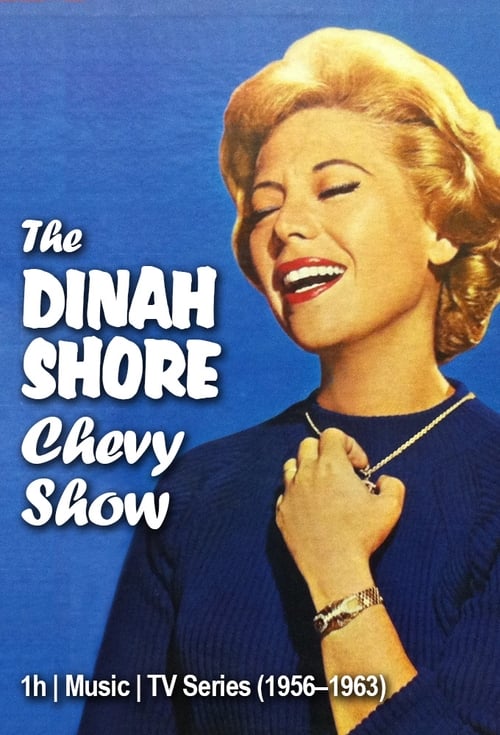
The Dinah Shore Chevy Show is an American variety series hosted by Dinah Shore, and broadcast on NBC from October 1956 to June 1963. The series was sponsored by the Chevrolet Motor Division of General Motors and its theme song, sung by Shore, was "See the U.S.A. in Your Chevrolet", which continued to be used in Chevrolet advertising for several more years after the cancellation of the show.
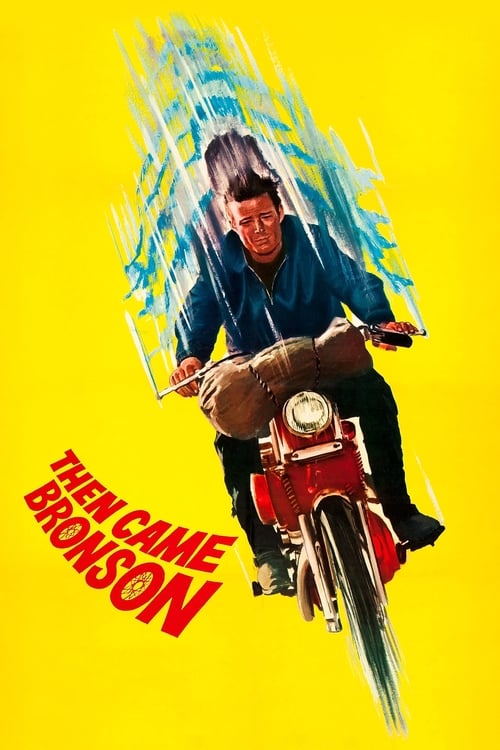
Then Came Bronson is an American adventure/drama television series produced by MGM Television and broadcast on NBC from 1969 to 1970. Created by Denne Bart Petitclerc, the series began with a feature-length pilot on March 24, 1969. It was greenlit for one year and began first run on September 17, 1969. Disillusioned reporter Jim Bronson quits his job and starts wandering the road on his Harley-Davidson motorcycle as a form of soul-searching. He meets various characters; some he helps, others he educates.
A man with an asthmatic voice telephones and assaults clerk Kelly Sherwood at home and coerces her into helping him steal a large sum from her bank.
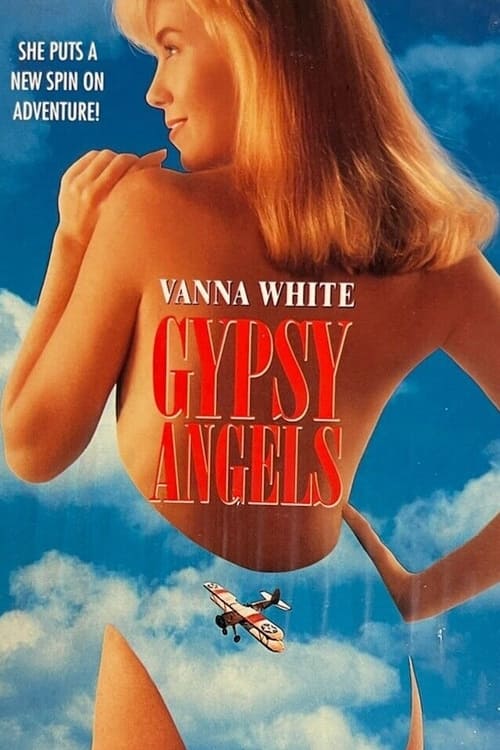
Vanna White is a stripper who falls for a stunt pilot who develops amnesia after a crash.
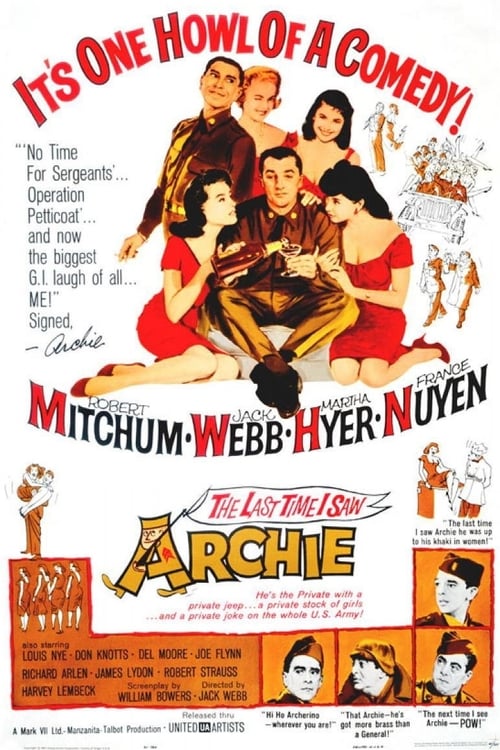
Two Air Force friends have fun during their enlistment.
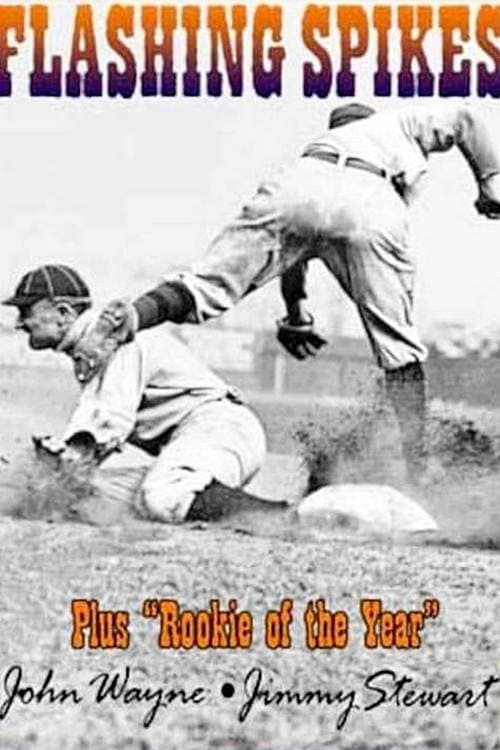
An old ballplayer, thrown out of baseball due to a bribery scandal, becomes friends with a young phenom. The younger player is at first tainted by his association with the oldtimer, but eventually the truth about the scandal is revealed.
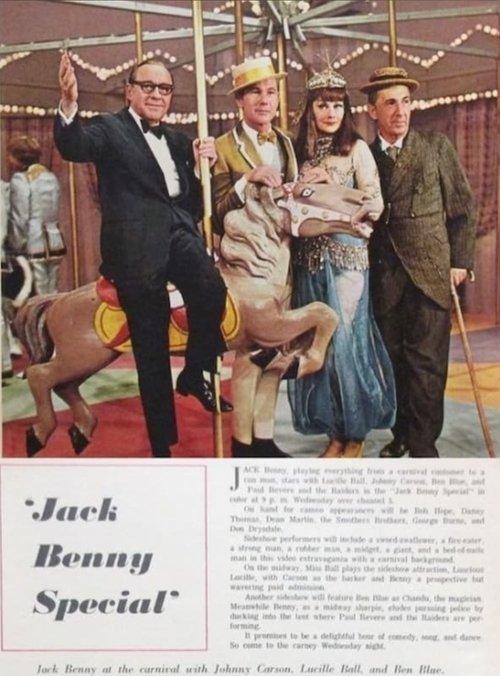
Jack Benny presents a variety hour with a carnival theme that stars Lucille Ball, Johnny Carson, Ben Blue, and Paul Revere and The Raiders. Cameos by The Smothers Brothers (as Joe-Joe, the two-headed boy), George Burns (as Martine, the Bearded Lady), and Dean Martin (as Rip Van Rinkle, the sleeping man). Songs include Lucille Ball singing "It's So Nice To Have a Man Around the House" and "Cleo" (to the tune of "Mame"), "Too Much Talk" and "Him or Me" sung by Paul Revere and The Raiders.
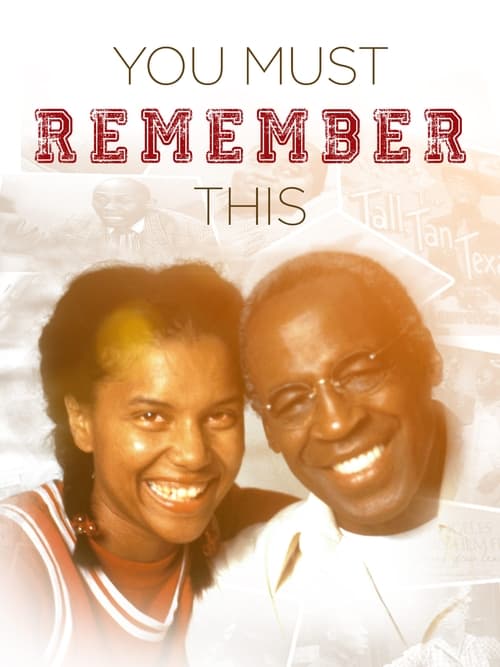
An independent filmmaker has left his profession and keeps it a secret. Years later, his niece finds his old films in a locked trunk and discovers his strong principles when it came to supporting his actors and his art overall.
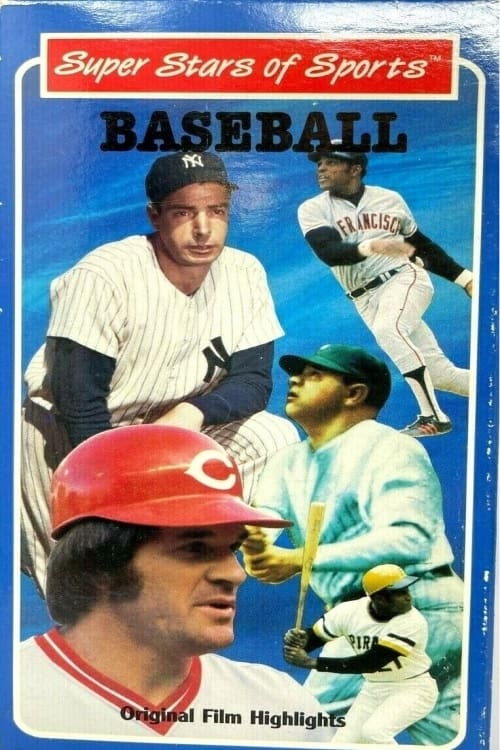
Made in 1990, this compilation video highlights the "Best of the Best" in Baseball.