FEEL IT.STREAM
Suzanne Malveaux

Suzanne Malveaux

Acting

Biography

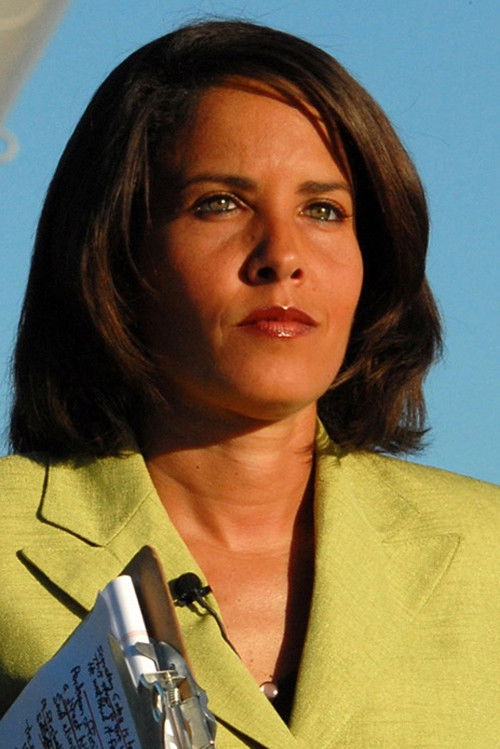
Suzanne Maria Malveaux (born December 4, 1966) is an American broadcast journalist. After joining CNN from NBC News in 2002, she co-anchored the CNN international news program Around the World and editions of CNN Newsroom and also served as the network's White House correspondent and as primary substitute to Wolf Blitzer on The Situation Room. She departed the network in 2023.


Known For

Anderson Cooper 360°
5.4

Anderson Cooper goes beyond the headlines to tell stories from many points of view, so you can make up your own mind about the news.

Anderson Cooper 360°

2003
The Situation Room with Wolf Blitzer
3.8

The command center for breaking news, politics and extraordinary reports from around the world. Patterned after the concept of the White House Situation Room, CNN's lead political anchor Wolf Blitzer hosts newsmakers and experts to discuss and analyze the stories that are driving today's news.

The Situation Room with Wolf Blitzer

2005
Finding Your Roots
6.2

Noted Harvard scholar Henry Louis Gates, Jr. has been helping people discover long-lost relatives hidden for generations within the branches of their family trees. Professor Gates utilizes a team of genealogists to reconstruct the paper trail left behind by our ancestors and the world’s leading geneticists to decode our DNA and help us travel thousands of years into the past to discover the origins of our earliest forebears.

Finding Your Roots

2012
At This Hour with Kate Bolduan
5.0

Weekday news and discussion airing at 11am Eastern.

At This Hour with Kate Bolduan

2014
Erin Burnett OutFront
N/A

Designed to showcase Erin's unique style--casual, smart, and confident--OutFront stays ahead of the headlines, delivering a show that's in-depth and informative.

Erin Burnett OutFront

2011
Echolalia
N/A

Echolalia is the meaningless repetition of words or phrases associated with forms of dementia and aphasia. In the build-up to the war in Iraq certain phrases were endlessly repeated to the point where these empty rhetorical phrases were confused with concrete facts. I tried to record as many instances of people repeating the phrase “weapons of mass destruction” as I could stand and represent these statements in a way that draws attention to the deadening effect of their repetition, however emphatically they are expressed.

Echolalia

2003