Mary Ridge
Directing
Known For
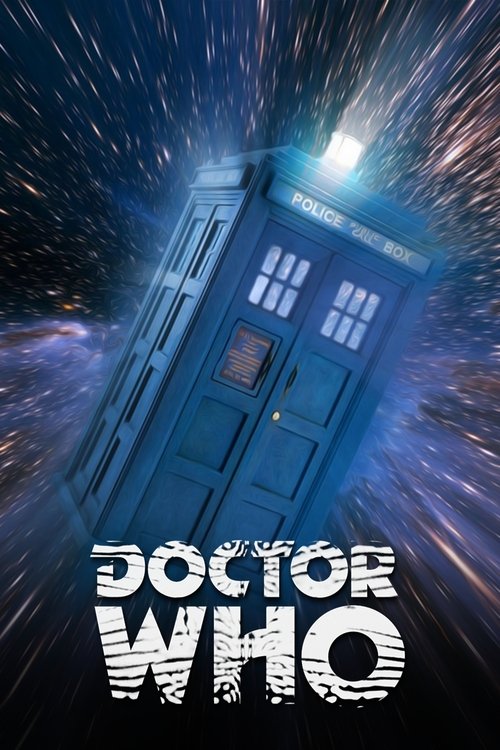
The adventures of The Doctor, a time-traveling humanoid alien known as a Time Lord. He explores the universe in his TARDIS, a sentient time-traveling spaceship. Its exterior appears as a blue British police box, which was a common sight in Britain in 1963 when the series first aired. Along with a succession of companions, The Doctor faces a variety of foes while working to save civilizations, help ordinary people, and right many wrongs.
Doctor Who
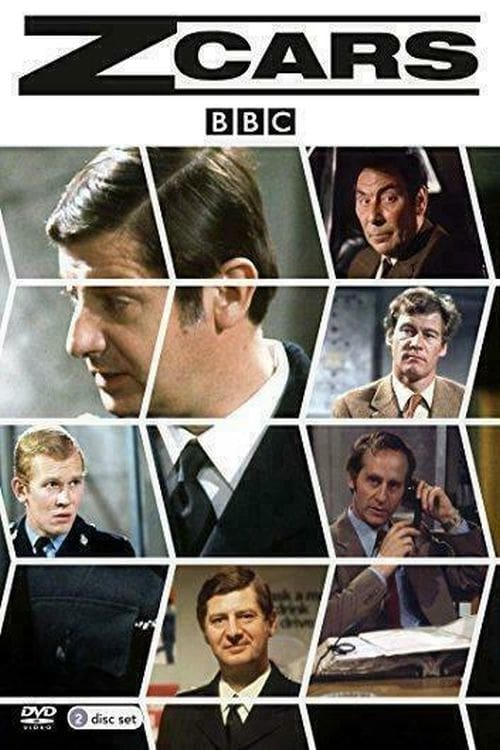
Z-Cars or Z Cars is a British television drama series centred on the work of mobile uniformed police in the fictional town of Newtown, based on Kirkby, Merseyside. Produced by the BBC, it debuted in January 1962 and ran until September 1978.
Z-Cars
An anthology series of television plays which aired on BBC1 from October 1964 to May 1970. The plays were usually written for television, although adaptations from other sources also featured.
The Wednesday Play

Theatre 625 is a British television drama anthology series, produced by the BBC and transmitted on BBC2 from 1964 to 1968. It was one of the first regular programmes in the line-up of the channel, and the title referred to its production and transmission being in the higher-definition 625-line format, which only BBC2 used at the time.
Theatre 625

A group of convicts and outcasts fight a guerrilla war against the totalitarian Terran Federation from a highly advanced alien spaceship.
Blake's 7
An anthology of short plays shown on BBC Television between 1965 and 1973, used in part at least as a training ground for new writers, on account of its short length, and which therefore attracted many writers who later became well known.
Thirty-Minute Theatre
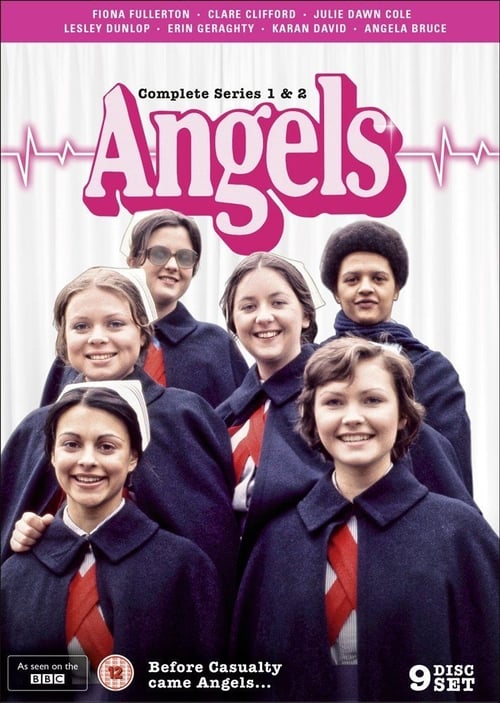
Angels is a BBC medical soap-opera which launched on 1st September 1975 and was the blue print for such medical soaps as Casualty, Holby City, plus daytime soap, Doctors. The medical soap focuses on different departments within Heath Green Hospital and was a highly successful continuing drama.
Angels
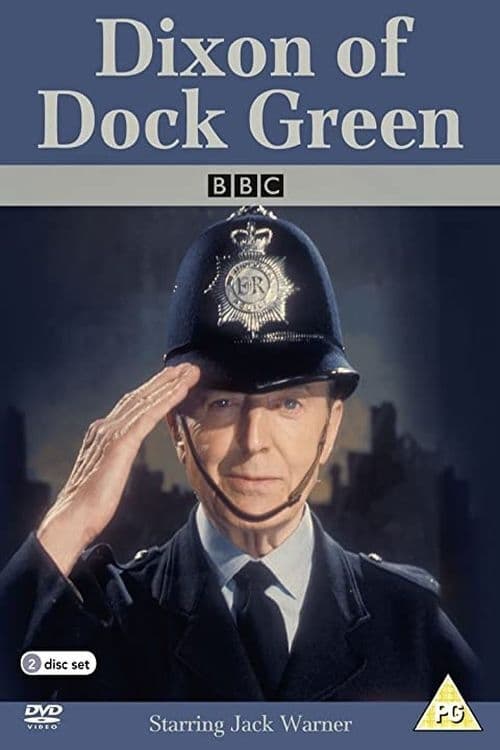
Dixon of Dock Green was a BBC television series following the activities of police officers at a fictional Metropolitan Police station in the East End of London from 1955 to 1976. Some episodes were later remade as a BBC radio series in 2005 and 2006.
Dixon of Dock Green
Anthology series of half hour plays produced in BBC's Television Centre's studios.
Centre Play

London itself takes the starring role in this series of plays from the BBC – a role which varies between hero and villain, enchantress and harpy. The series features extensive location filming, ranging from Soho to the Law Courts, Wembley to the docks. Of the twelve episodes, eleven are believed to be lost.
Londoners

Sir Arthur Conan Doyle's non-Sherlock Holmes stories embodying the author's interest in boxing, the supernatural, and medical matters.
Sir Arthur Conan Doyle
Thursday Theatre is a UK television anthology series produced by and airing on the British Broadcasting Corporation (BBC) from 1964–1965. There were twenty-three episodes which included adaptations of the play, The Cocktail Party, by T. S. Eliot, and the novel, The Wings of the Dove, by Henry James. The productions ranged in duration from 75 to 95 minutes. Out of the twenty-three episodes, thirteen are believed to be lost, and one episode is incomplete.
Thursday Theatre
A collection of one-off thrillers, each ending with a disturbing twist.
The Wednesday Thriller

"By local custom, a man may turn from a wife who cannot give him more than one son. But Charles assures Maria that he is a 'modern educated man'. When war drives them back to their village, events force Maria to re-think their marriage." - Radio Times, 1976
A Kind of Marriage
Newlyweds Chris and Sally are young and attractive, with successful careers and a beautiful home. Their future is rosy. However, trying to make marriage work is not easy.
The Bond
A man confronts his stalker. An unusual relationship then develops between the two, involving a mysterious third person
Only Looking

The TARDIS attaches itself to a space liner after Turlough, still under the Black Guardian's influence, damages its controls. The Doctor and Nyssa meet two space pirates, Kari and Olvir, who have come on board the liner in search of plunder, while Tegan and Turlough get lost in the infrastructure. The liner docks with what appears to be a hulk floating in space. This is Terminus, which claims to offer a cure for Lazar's disease. It is crewed by armoured slave workers, the Vanir. The cure is administered by a huge, dog-like creature known as the Garm. Nyssa, who has contracted the disease from sufferers transported aboard the liner, discovers that the cure - involving exposure to radiation - does actually work.
Doctor Who: Terminus
British soldiers are captured and interrogated in post-World War 2 Palestine.