Johnny Logan
Acting
Biography
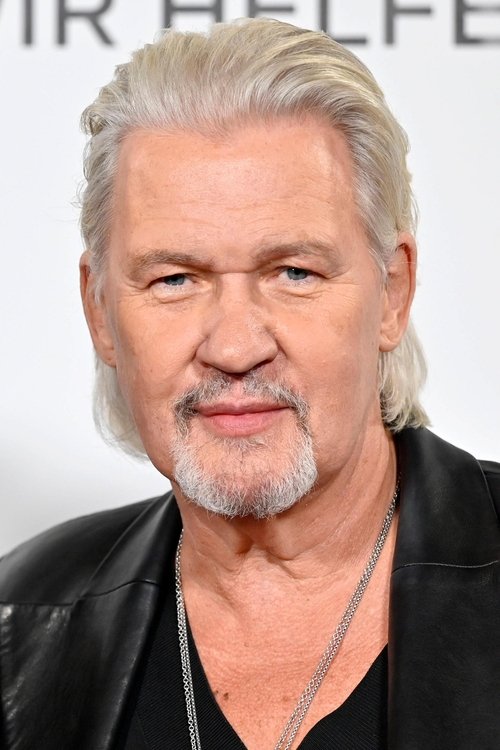
Seán Patrick Michael Sherrard known professionally as Johnny Logan, is an Irish singer and musician. He is best known for being the first performer to win the Eurovision Song Contest as a lead singer twice.
Known For
No description available.
Volle Kanne

No description available.
Leute heute

The Berliner Abendschau is the news magazine for Berlin.
Abendschau

No description available.
MDR um 4

No description available.
Riverboat

The Eurovision Song Contest is an international song competition, organised annually by the European Broadcasting Union (EBU) and featuring participants representing primarily European countries. Each participating country submits an original song to be performed on live television and radio, transmitted to national broadcasters via the EBU's Eurovision and Euroradio networks, with competing countries then casting votes for the other countries' songs to determine the winner.
Eurovision Song Contest

Midi Première is a French variety show presented by Danièle Gilbert, directed by Jacques Pierre and broadcast from January 6, 1975 until January 1, 1982 on TF1. The program was generally broadcast between 12:15 p.m. and 12:55 p.m., then giving way to the 1:00 p.m. TV news. However, the broadcast schedule could change, depending on the guests, and the setting where the recording of the program was shot. Certain performances by artists who have become cult like the one where Ringo jostles with a demonstrator in interpretation (1977), that of Dalida with the title There is always a song with the soundtrack that does not start, twice, at the right speed (1978), Claude François and his Clodettes, who, in the provinces, are unable to join "the set" in order to interpret his song, the latter being taken by the crowd of delirious fans (summer 1977) . The group Supertramp performed there with the title "Dreamer" on March 8, 1975.
Midi Première

Never Mind the Buzzcocks is a comedy panel game show with a pop and rock music theme. The show is infamous for its dry, sarcastic humour and scathing, provocative attacks on the pop industry.
Never Mind the Buzzcocks

No description available.
ZDF-Fernsehgarten
No description available.
Die ultimative Chartshow
The ZDF-Hitparade, or Hitparade for short was one of the most popular and most well-known music television series presenting mostly German Schlager.
Die ZDF-Hitparade

No description available.
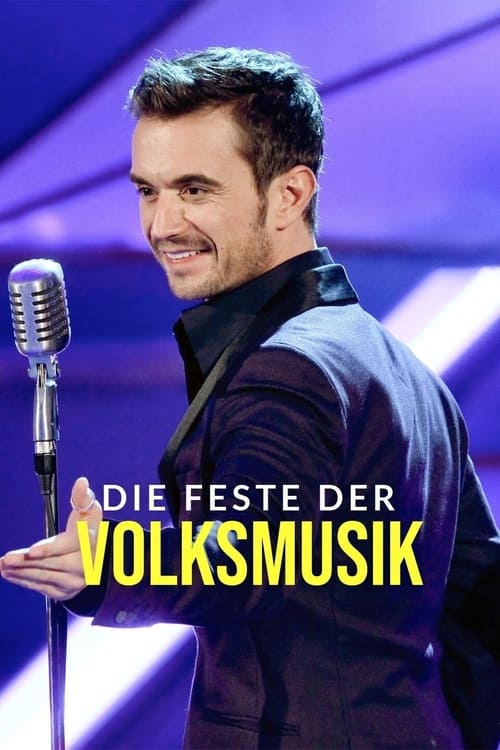
Die Feste mit Florian Silbereisen

Disco was a pop music program that aired in Germany on the ZDF network from 1971 to 1982. It generally aired on the first Saturday of each month at 7:30PM, each show running 45 minutes. 133 shows were produced. The show was hosted by German actor and comedian Ilja Richter. Its lesser known predecessor on ZDF, 4-3-2-1 Hot & Sweet was aired between 1966 and 1970, presenters included Ilja Richter and Suzanne Doucet. Disco generally served a younger pop-oriented audience compared to ZDF's Hitparade, and until 1972, its main competitor was Beat-Club, followed by Musikladen, both on ARD. Repeats of Disco have been aired since 1984 on ZDF Musikkanal, after its closedown in 1989 on 3sat. Since 2004, the digital ZDF Theaterkanal aired repeats of the entire series. In 2007, ZDF Dokukanal began to air reruns, starting with episodes from 1975 and also multiple repeats of the series have been shown on hit24 in 2008. The show focussed on chart hits current at the time of airing, giving about equal airtime to international pop music and German Schlager. Despite its name, it did not particularly focus on disco music although it featured many disco hits as long as they were chart relevant..
Disco

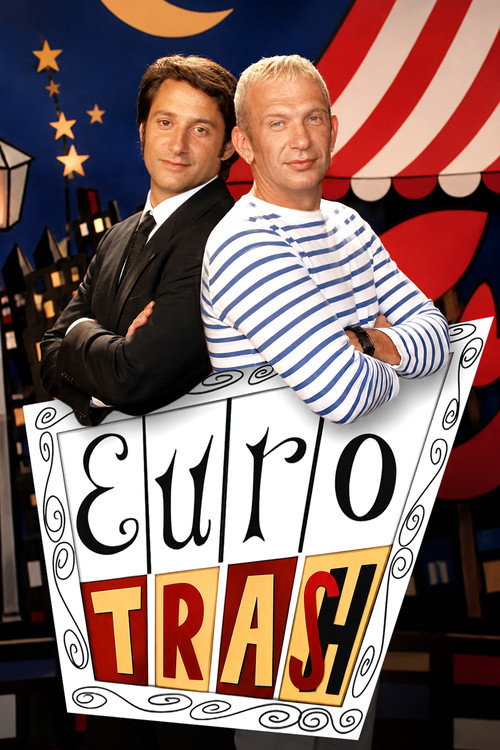
The likes of Antoine de Caunes, Jean Paul Gaultier, Davina McCall, and Lolo Ferrari are your guides to the weird and wonderful in Europe and beyond. How else would you learn about pubic hairdressers, the Penis Olympics, or the latest Japanese sex toys?
Eurotrash
No description available.
Willkommen bei Carmen Nebel
The show was meant to compete with those on West German television. To this end it was fairly successful even attracting a following in parts of West Germany which could receive Eastern TV. Its production values were high. Apart from song and dance numbers and appearances from East German celebrities, almost every broadcast featured well-known stars from the west, often after their popularity had peaked in their home countries.
Ein Kessel Buntes

Dansk Melodi Grand Prix is an annual music competition organised by Danish public broadcaster Danmarks Radio, which determines the country's representative for the Eurovision Song Contest. The festival has produced three Eurovision winners and thirteen top-five placings.
Dansk Melodi Grand Prix
No description available.
Schlager-Spaß
No description available.
Das Sonntagskonzert

No description available.