Writing
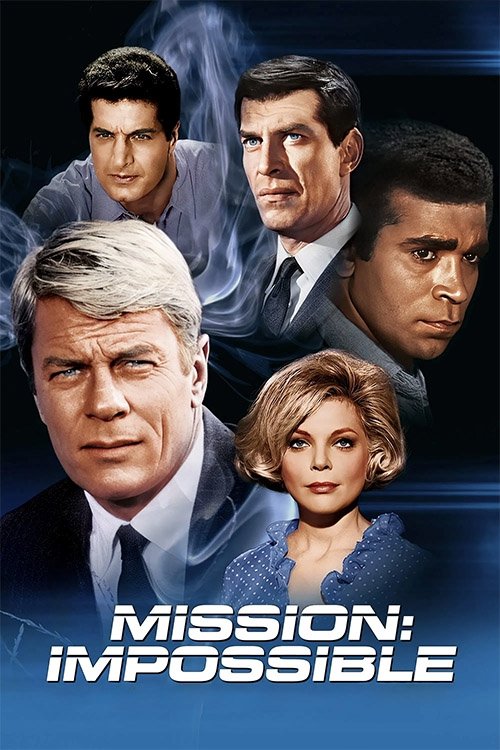
Pour le compte du gouvernement américain, Jim Phelps et son équipe d'espions et de spécialistes sont chargés d'effectuer des missions qui pour d'autres seraient… impossibles !
Aucune description disponible.
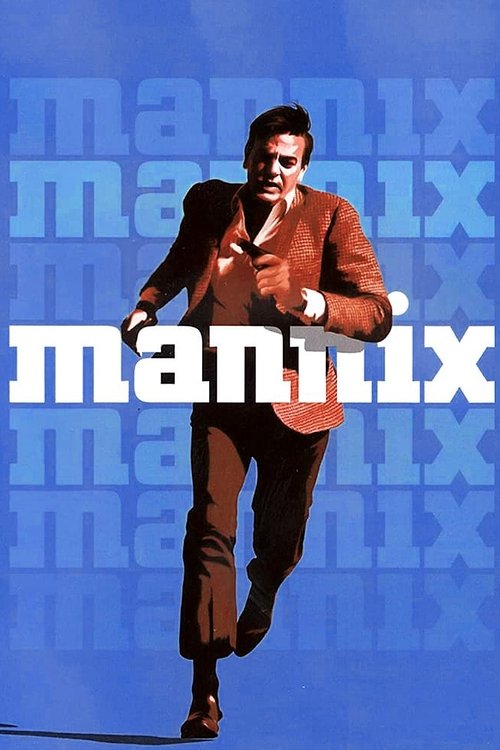
Joe Mannix est un enquêteur au service de la société Intersect. Dirigée par Lew Wickersham, cette agence peut toujours compter sur ses ordinateurs super puissants pour gérer les crises et obtenir des informations. Pourtant, Mannix, son meilleur agent, privilégie le terrain. Retrouver des personnes disparues, rechercher des objets volés ou démêler des affaires de corruption sont dans ses cordes. En raison de ses méthodes de vraie tête brûlée trop solitaire, le justicier au brushing impeccable entre très souvent en conflit avec son supérieur, dont la vision d’une affaire n’est jamais la même.
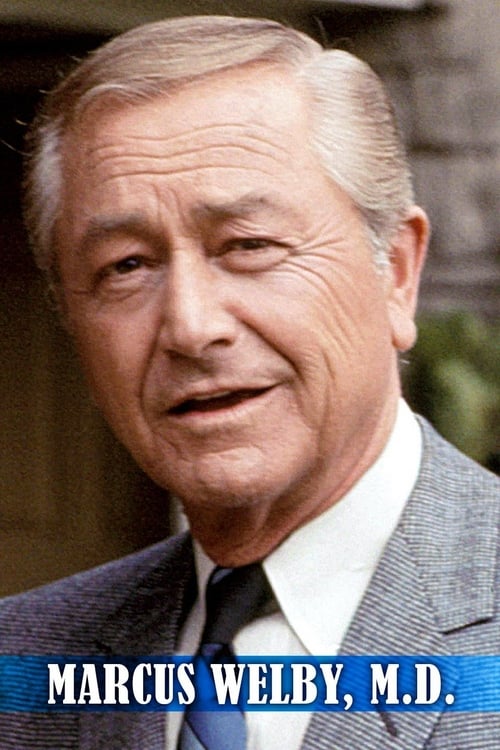
L'émission parle des docteurs Marcus Welby, un médecin généraliste et de Steven Kiley, le jeune assistant de Welby. Les deux essaient de traiter les gens comme des individus à l'ère de la médecine spécialisée et des médecins indifférents.
"Ce n'est pas une défaillance de votre téléviseur ! N'essayez pas de régler l'image ! Nous maîtrisons à présent toutes les retransmissions. Nous contrôlons les horizontales et les verticales. Nous pouvons vous noyer sous un millier de chaînes ou dilater une simple image jusqu'à lui donner la clarté du cristal, et même au-delà. Nous pouvons modeler votre vision pour lui fournir tout ce que votre imagination peut concevoir. Nous contrôlerons tout ce que vous allez voir et entendre. Nous partagerons les angoisses et les mystères qui gisent dans les plus profonds abysses avec Au-delà du réel !". Épisode après épisode, monstres et autres créatures terrifiantes prennent possession de votre téléviseur pour une incroyable aventure mêlant suspense et fantastique.
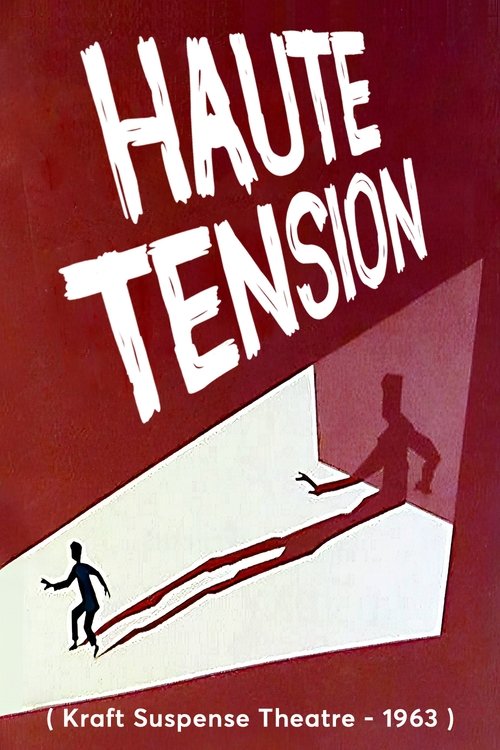
Haute tension (Kraft Suspense Theatre) est une série télévisée américaine en 59 épisodes de 50 minutes, en couleurs, et diffusée entre le 10 octobre 1963 et le 1er juillet 1965 sur le réseau NBC. En France, à partir du 7 janvier 1970 sur la première chaîne de l'ORTF. D'autres épisodes furent programmés en septembre-octobre 1971 sur la deuxième chaîne de l'ORTF, puis en juin-juillet 1973 à nouveau sur première chaîne de l'ORTF. Cette anthologie avait débuté sur la chaîne NBC aux Etats-Unis le 7 mai 1947 sous le titre Kraft Television Theatre[1] et dura onze saisons et 587 épisodes jusqu'en 1958 où elle fut remplacée par Kraft Mystery Theatre[2] de 1961 à 1963 (47 épisodes). Le thème musical du générique a été composé par John Williams sous le nom de Johnny Williams[3]. NBC rediffusa la série en syndication (sur les chaînes régionales) sous le titre Crisis.
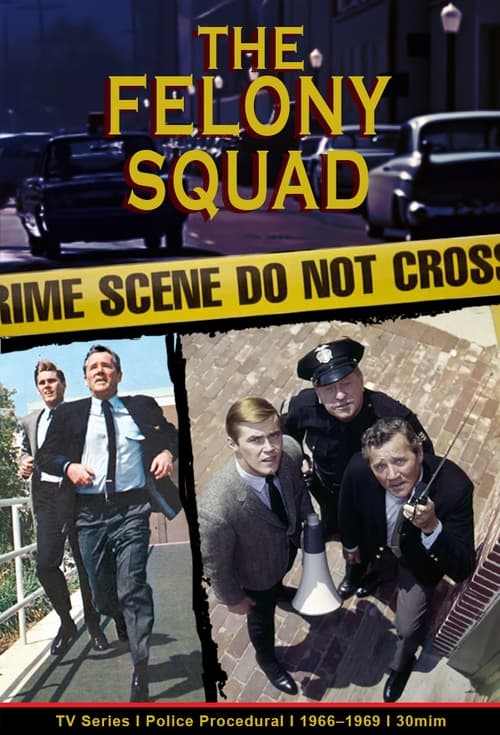
Le lieutenant Sam Stone, policier vétéran fait équipe avec son jeune partenaire, le détective Jim Briggs lors d'enquêtes criminelles dans une grande métropole de la côte ouest. Ils ont un appui logistique de la part du sergent Dan Briggs, le père de Jim.
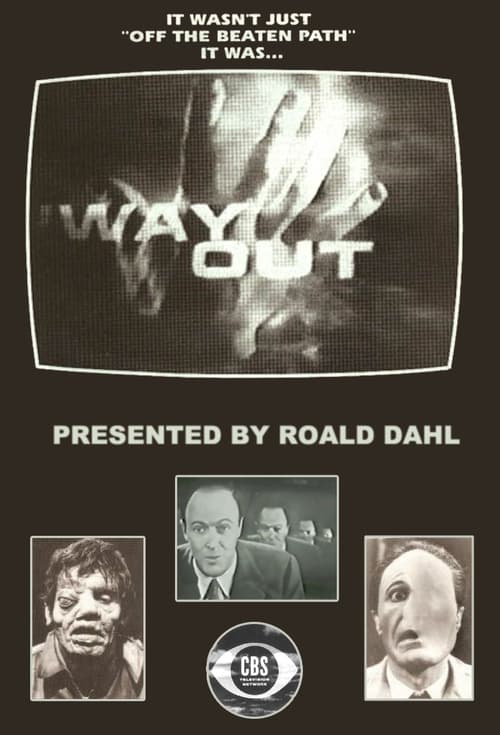
' Way Out est une série d' anthologies télévisées d'horreur, de fantasy et de science - fiction américaine de 1961animée par l' écrivain Roald Dahl. Les spectacles macabres en noir et blanc de 25 minutes ont été introduits par Dahl, son visage projeté dans un effet de salle des miroirs déconcertant, livrant sèchement un bref monologue d'introduction, exposant des sujets aussi inhabituels que les croque-morts ou les grenouilles ou le meurtre d'un romantique rivaliser avec les moustaches du tigre broyé.