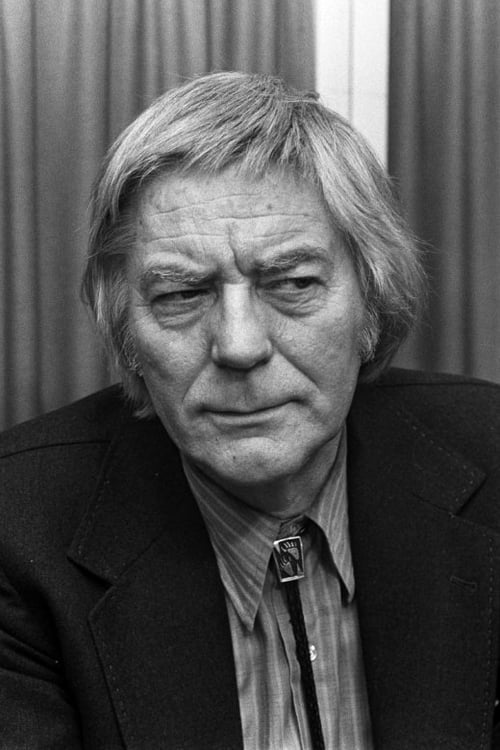
Bert Haanstra
Directing
Biography
Albert 'Bert' Haanstra was a Dutch film director of films and documentaries. His documentary Glass (1958) won the Academy Award for Documentary Short Subject in 1959. His feature film Fanfare (1958) was the most visited Dutch film at the time, and has since only been surpassed by Turkish Delight (1973).
Known For

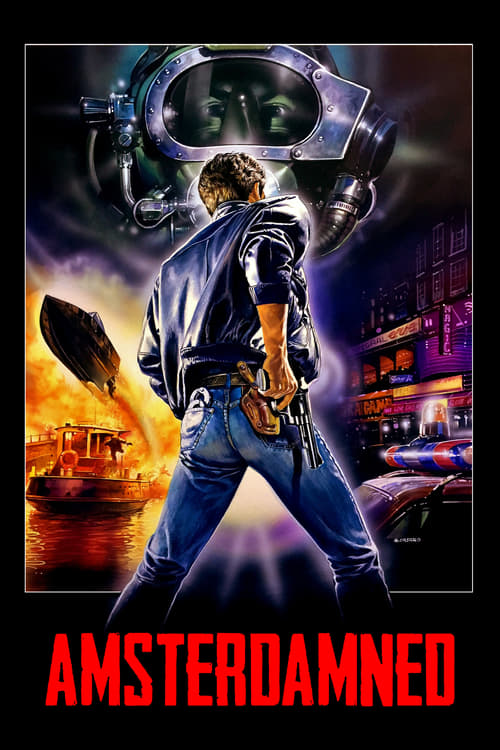
A mysterious diver hiding in Amsterdam's canal system embarks on a rampage of gruesome murders, terrifying city officials and leaving few clues for the city's best detective, who doesn't suspect that both his new girlfriend and twelve-year-old daughter may be closer than he is to finding the killer.
Amsterdamned

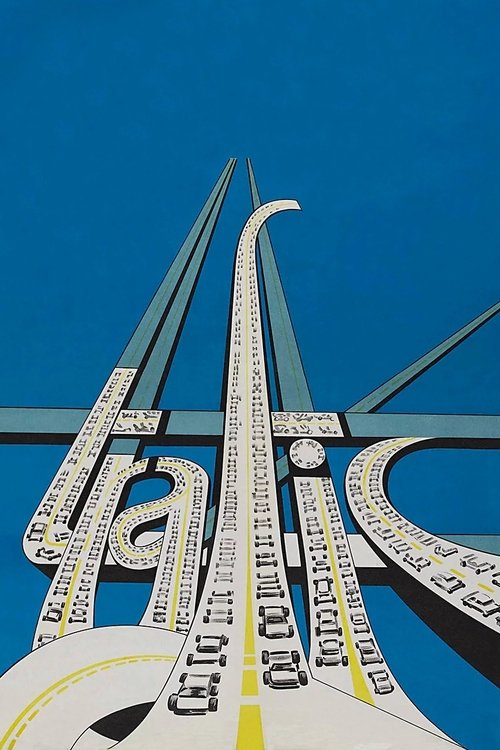
Mr. Hulot is the head designer of the Altra Automotive Co. His latest invention is a newfangled camper car loaded with outrageous extra features. Along with the company's manager and publicity model, Hulot sets out from Paris with the intention of debuting the car at the annual auto show in Amsterdam. The going isn't easy, however, and the group encounters an increasingly bizarre series of hurdles and setbacks en route.
Trafic

Documentary exploring why Belgian television doesn't invest more money in Belgian cinema as is the case in e.g. the netherlands.
De droomproducenten

In this short film Bert Haanstra gives his vision - from the water – of a tranquil Holland. During filming he held the camera upside down and afterwards put the images ‘up right’ again in the film. By doing this, we see the ‘usual’ waterfront, but transformed by the rippling of the water. In this way Mirror of Holland became a modern looking experimental film. However this did not devalue the Dutch sentiment regarding waterfronts that are so trusted to so many.
Mirror of Holland

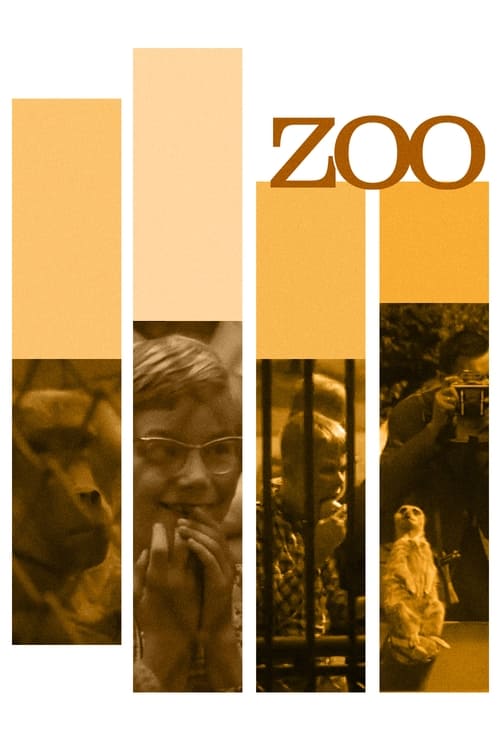
A perfect, fast and hilarious montage. Using images from Artis (Amsterdam Zoo), Bert Haanstra shows that a couple of similarities can be discovered between human and animal. Particularly the manner in which human and ape are confronted with each other, is significant. The images speak for themselves, human voices or commentary is absent. The ironic music of Pim Jacobs does add an extra dimension to the whole. With regards to human and animal Haanstra limits himself for the time being to this short film, recorded with a hidden camera. Later on, in several big films, he would return to this subject.
Zoo

In the small Dutch village of Lagerheide, two members of the local brass band get into a fight, forcing the band to be split in two. The two hotheads and their followers are doing their utmost to sabotage each other’s attempts at becoming the band who will represent the village at the upcoming brass band competition.
Fanfare

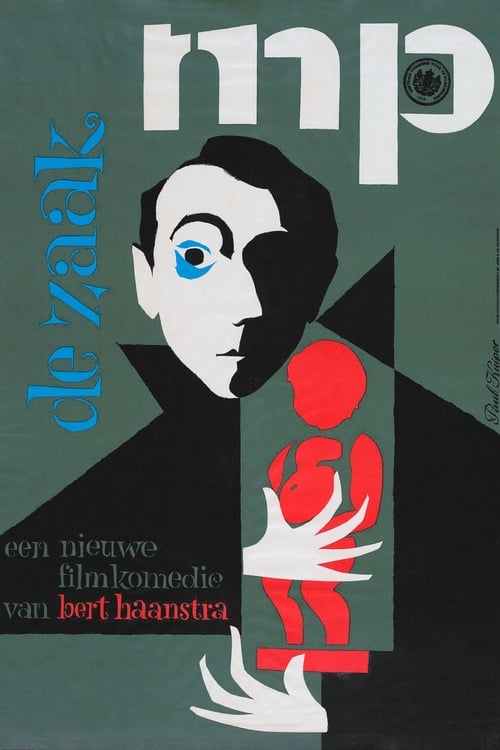
Kamiel steals the famous Brussels statue of Manneken Pis to impress his girlfriend Denise, the daughter of the man who is supposed to guard it. The Belgians, however, wrongly accuse the Dutch of having stolen their statue and hit back by stealing the statue of Hansje Brink.
The Manneken Pis Case

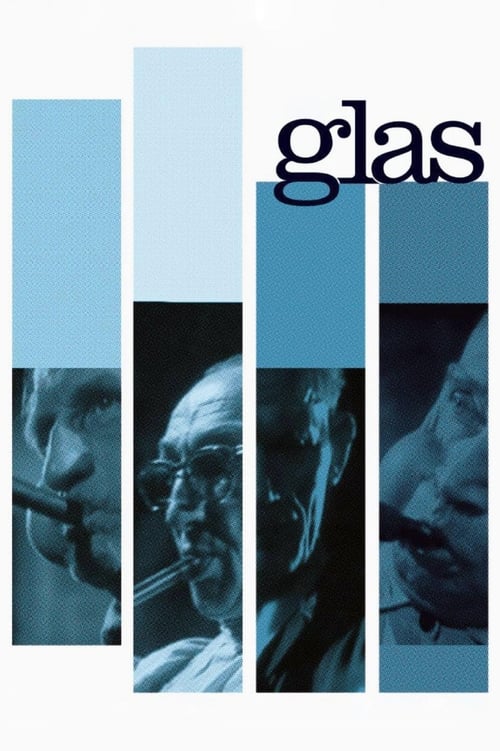
This short documentary, shot in the glass factories of Leerdam and Schiedam, demonstrates how glass blowers do their work. But thanks to the superbly edited ballet of working hands and the sequence of mechanical motions of the engines, is it especially a cinematic tour de force. That the industry can’t do without man’s involvement is shown in the scene where we hear the voice of Haanstra himself counting the bottles on the conveyor belt, until one bottle breaks…
Glass

Hein Slotter, unpopular director of a pram factory, reluctantly agrees to celebrate his 25th anniversary. His only wish is that his successor and mentor, Slieps, gives a speech. Unfortunately Slieps is quite senile and only occasionally has a bright moment. Meanwhile, the party committee learns of a rumor concerning Slotter's younger days and plans to embarrass him during this festive occasion.
Mr. Slotter's Jubilee

Eight newspaper-columns by Dutch writer Simon Carmiggelt were turned into a film in honor of his 70st birthday.
The World of Simon Carmiggelt

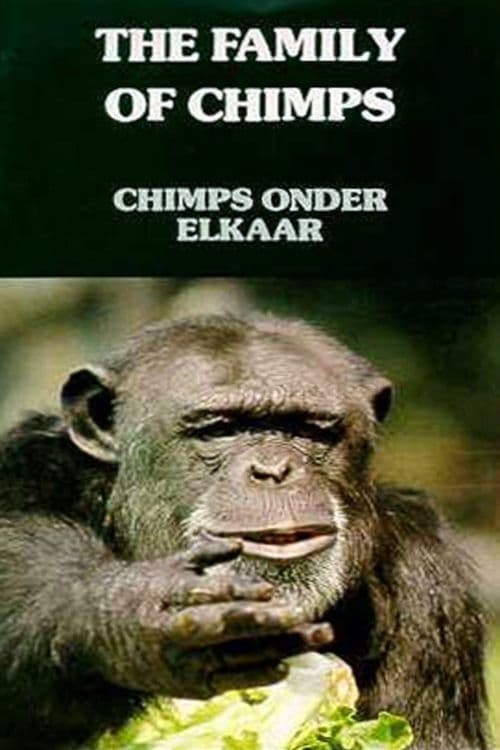
A subtle account of the chimpanzees' behaviour in Burgers Dierenpark in Arnhem, on the occasion of the publication of the book Chimpansee Politiek by ethologist Dr. Frans de Waal. A unique experiment shows us how complex the social strategies in the community of this fascinating anthropoid ape are. Haanstra managed to capture almost all aspects of chimpanzee behaviour: display of skill, teasing and pestering, grooming, resting, playing, motherly behaviour, submission, sex and violence. Eventually, the film was also screened to the apes.
The Family of Chimps

Documentary about the current state of German cinema. Produced for German television.
...Geist und ein wenig Glück

Documentary about Ajax Amsterdam in 1968.
Retour Madrid

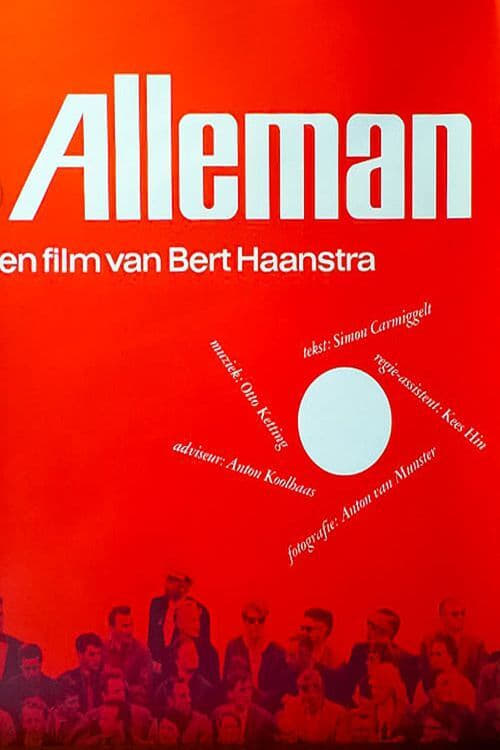
Bert Haanstra paints a portrait of The Netherlands and the Dutch, in his own unparalleled manner. Partly with the aid of a hidden camera he observes people in the most diverse situations. He shows the unusual in the usual and the usual in the unusual. The harsh years of the post war era of reconstruction have passed and for most people life is better than before.
Everyman

In 1952, Haanstra made Panta Rhei , another view of Holland through the eyes of a painter and filmmaker. Its poetic images of water, skies and clouds reflect Haanstra's own moods.
Panta Rhei

The Netherlands and water, they are inseparable from one another. Water in its soothing form, as a place of work and pleasure and as a source of threat and misery. Bert Haanstra thought it a great subject for a big cinema documentary and made The Voice of the Water. At the start, while the credits are still running, it is already apparent how remarkable and original he portrays the beauty of the landscape of the Dutch coastline. In the following ninety minutes we see numerous people that live, work and recreate on, by and in the water. Often they are being observed in a gentle humorous way that reminds us of The Human Dutch. Some people prefer to stay far away from all the wetness: the little boy having a swimming lesson, but who doesn’t dare to put his head under water, is forever imprinted on the memory of many of the viewers.
The Voice of the Water
No description available.
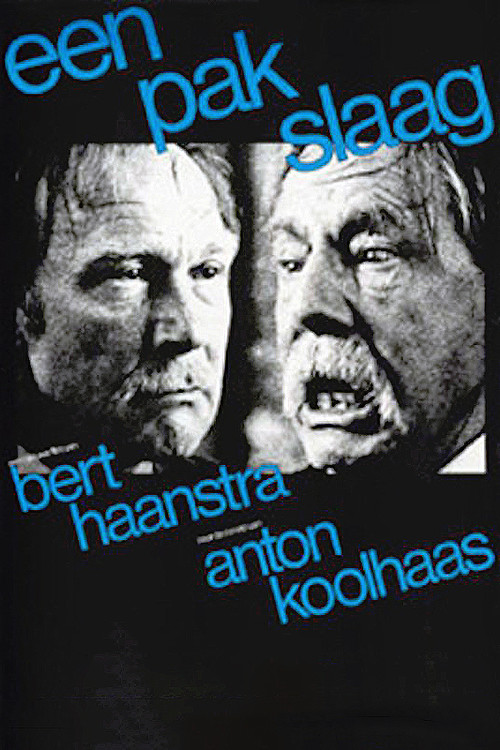
Boer Pieterse schoot in de roos

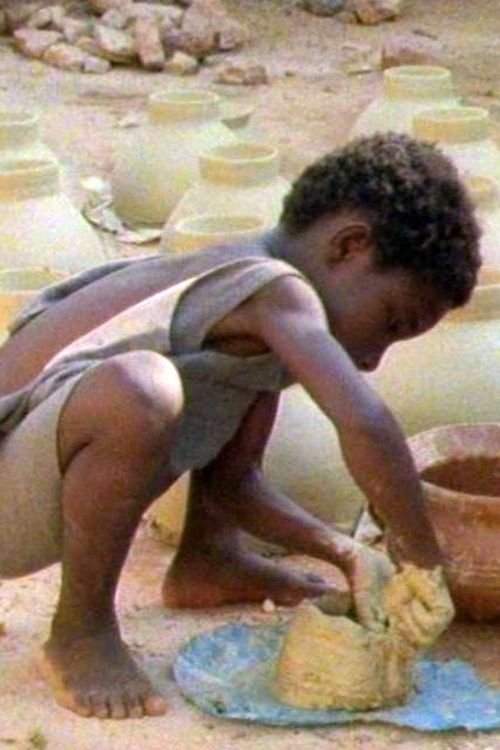
No description available.
Children of Ghana

Short film in which Dutch author Simon Carmiggelt visits the hairdresser.
The Hairdresser

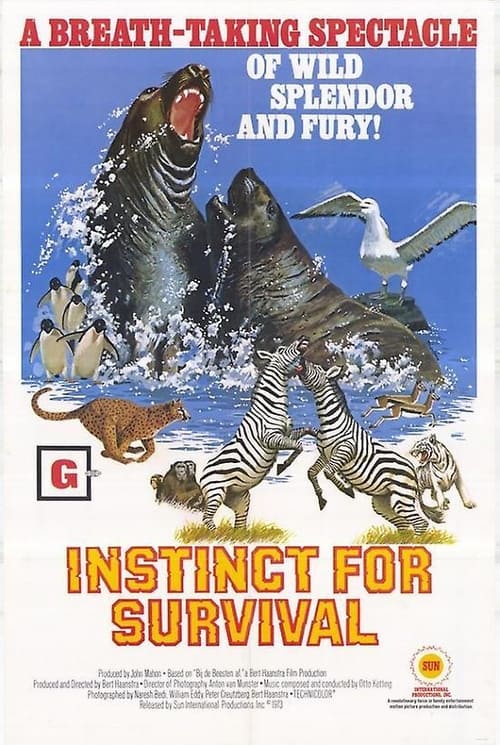
The film is a study of the differences and similarities between human and animal behaviour. The first part of the movie focuses on the behaviour of various animal species. The second half is about humans. In the original Dutch version writer Anton Koolhaas, who also wrote the script, provided the voice-over.