FEEL IT.STREAM
Kiri Te Kanawa

Kiri Te Kanawa

Acting

Biography

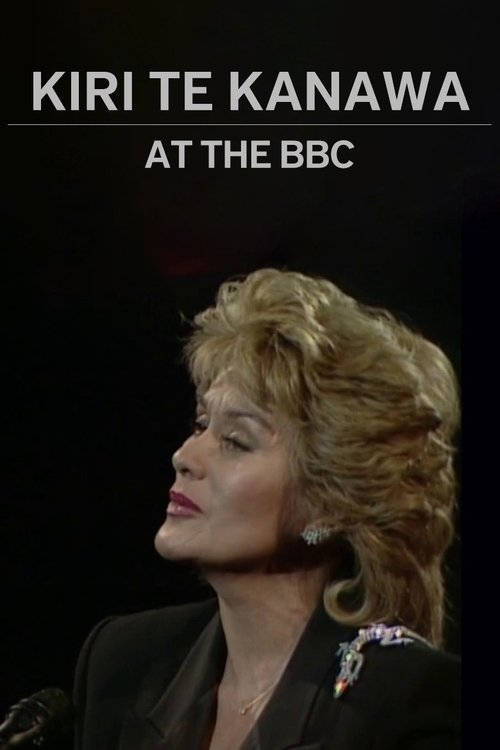
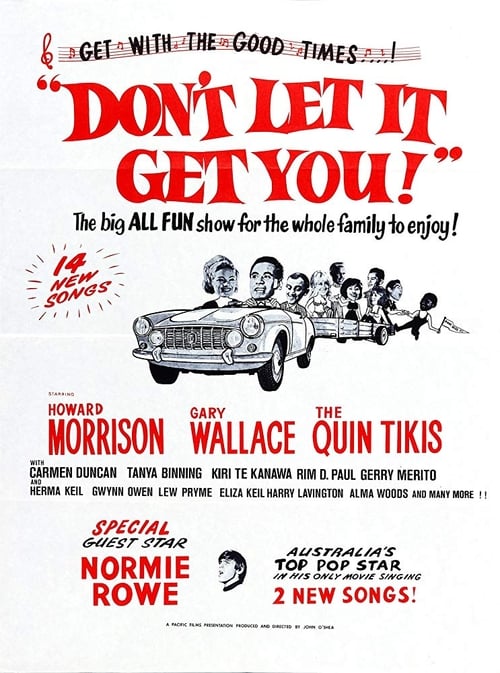
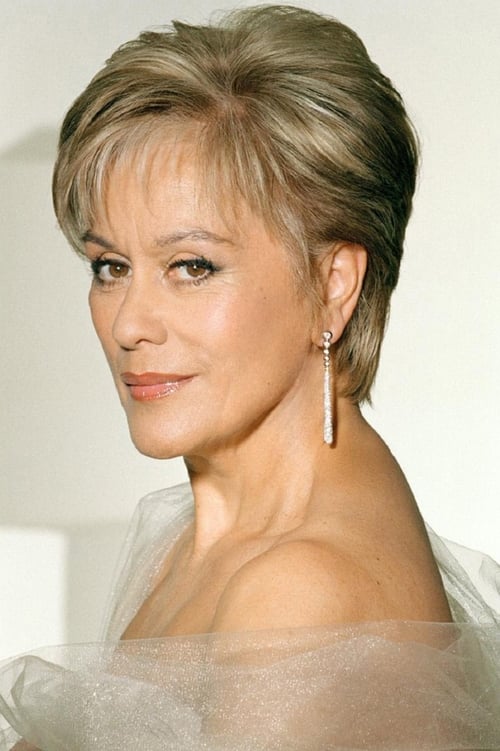
Dame Kiri Jeanette Claire Te Kanawa ONZ, CH, DBE, AC (/ˈkɪri təˈkɑːnəwə/; born Claire Mary Teresa Rawstron, 6 March 1944) is a retired New Zealand opera singer. She had a full lyric soprano voice, which has been described as "mellow yet vibrant, warm, ample and unforced". Te Kanawa had three top 40 albums in Australia in the mid-1980s. Te Kanawa has received accolades in many countries, singing a wide array of works in many languages dating from the 17th to the 20th centuries. She is particularly associated with the works of Mozart, Strauss, Verdi, Handel and Puccini, and found considerable success in portraying princesses, nobility, and other similar characters on stage. Though she rarely sang opera later in her career, Te Kanawa frequently performed in concert and recital, gave masterclasses, and supported young opera singers in launching their careers. Her final performance was in Ballarat, Australia, in October 2016, but she did not reveal her retirement until September 2017. Te Kanawa was born Claire Mary Teresa Rawstron in Gisborne, New Zealand, to Māori butcher Tieki "Jack" Wawatai and to Mary Noeleen Rawstron, who was the daughter of Irish emigrants. Wawatai was already married to Apo, the daughter of the Rev. Poihipi Kohere. Poihipi Kohere was the brother of both the community leader Rēweti Kōhere and the soldier and farmer Henare Mokena Kohere. Mary Noeleen Rawstron's mother insisted the baby be given up for adoption. Te Kanawa was adopted as an infant by Thomas Te Kanawa, the owner of a successful trucking business, and his wife Nell. She was educated at St Mary's College, Auckland, and formally trained in operatic singing by Sister Mary Leo Niccol. Te Kanawa began her singing career as a mezzo-soprano but developed into a soprano. Her recording of the "Nuns' Chorus" from the Strauss operetta Casanova was the first gold record produced in New Zealand. Te Kanawa met Desmond Park on a blind date in London in August 1967, and they married six weeks later at St Patrick's Cathedral, Auckland. They adopted two children, Antonia (born 1976) and Thomas (born 1979). The couple divorced in 1997. Te Kanawa never made an attempt to contact her biological parents, but her half-brother Jim Rawstron contacted her. Initially, she was unwilling to meet him, but agreed to do so in 1997. The episode ended bitterly, when a newspaper ran a story on their meeting; despite Rawstron denying contact with the newspaper, she has since reaffirmed her decision to have nothing to do with her birth family. In her teens and early 20s, Te Kanawa was a pop star and entertainer at clubs in New Zealand,[failed verification] and regularly appeared in newspapers and magazines. In 1963, she was runner-up to Malvina Major in the Mobil Song Quest with her performance of "Vissi d'arte" from Tosca, and in 1965 she won the same competition. As winner, she received a grant to study in London. She appeared and sang in the 1966 musical comedy film Don't Let It Get You. In 1966, she won the Melbourne Sun-Aria contest, which Major had also won the previous year. Both singers had been taught by Sister Mary Leo. ... Source: Article "Kiri Te Kanawa" from Wikipedia in English, licensed under CC-BY-SA 3.0.
Known For

Going Live!
8.0

Going Live! was a Saturday morning magazine show, broadcast on BBC1 between 1987 and 1993. It was presented by Phillip Schofield and Sarah Greene. Other presenters included Trevor and Simon, Peter Simon, Emma Forbes, and puppet Gordon the Gopher. The show was broadcast during the autumn to spring seasons, with other shows such as the 8:15 from Manchester and Parallel 9 taking over during the summer months. It was preceded by Saturday Superstore, and succeeded by Live & Kicking. In 1988, when the second series started, Greene was hurt in a helicopter crash with her then boyfriend, Mike Smith. Guest presenters stood in for her including T'Pau's Carol Decker. Similarly, in 1992-93 during the final series, Schofield was starring in Joseph and the Amazing Technicolor Dreamcoat and was unable to present the show. A third presenter took his place. Originally, Neighbours actor Kristian Schmid took the role but soon left after problems with his work permit. Various other celebrities to stand in included Shane Richie and Robbie Williams during his Take That days.

Going Live!

1987Series
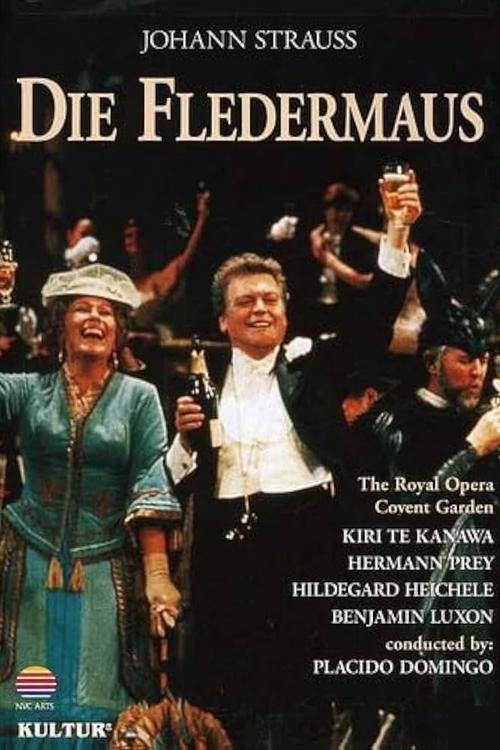
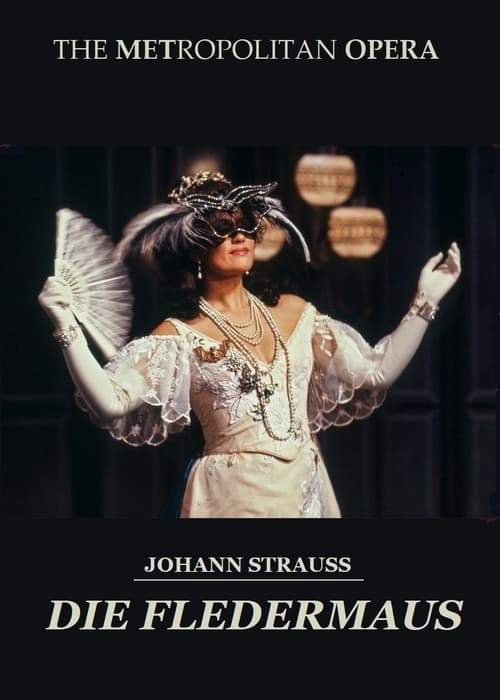
Die Fledermaus
8.2

Most opera houses ring in the New Year with Johann Strauss Jr.'s most popular operetta--the festiveness of which is appropriate for the occasion--and this December 31, 1983, Covent Garden performance follows suit. An exceptional cast--led by Hermann Prey and Kiri Te Kanawa as the couple whose marriage survives the comic indiscretions of three long acts--obviously has as much fun as the audience. Plácido Domingo leads the Orchestra of the Royal Opera House through its paces with panache. Prince Orlofsky's Act II party is always a splendid opportunity to pull out all the stops with surprise "guests," and this performance makes the most of its chance: entering the proceedings to sing one of his tailor-made chansons, "She," is French crooner Charles Aznavour, who is followed by dancers Merle Park and Wayne Eagling, their delightful pas de deux flashily choreographed by Sir Frederick Ashton.

Die Fledermaus

1984Movie
No image

Noel's Saturday Roadshow is a BBC television light entertainment show which was broadcast live on Saturday evenings from 3 September 1988 to 15 December 1990. It was presented by Noel Edmonds, his first major TV project since the demise of The Late, Late Breakfast Show in 1986. The programme contained several elements which had been found in its predecessor, such as phone-in quizzes, celebrity interviews and bands performing in the studio. The premise for the new show was that unlike The Late Late Breakfast Show, which had been broadcast from the BBC's studios each week, the Roadshow would come from a new, different and exotic location each week. These 'locations' were in fact elaborate studio sets dressed to resemble each week's location, such as the North Pole, a space station, Hollywood, or Niagara Falls. The irony of this was not lost on Edmonds, whose self-deprecating presentation style frequently made light of the low budget production values. The programme was a slow-burning success, and following the third series in 1990, Edmonds' popularity and reputation were sufficiently re-established with the public for Edmonds to pitch Noel's House Party to the BBC. The show also introduced regular features such as the Gunge Tank, the "Gotcha Oscars" and "Wait 'Till I Get You Home", which would all be carried across and subsequently developed in Noel's House Party. Another item was "Clown Court", where a guest actor from a TV series would be on trial for all the bloopers made during the shooting of that show, such as Sylvester McCoy in the title role of Doctor Who, and Tony Robinson as his character of Baldrick in Blackadder the Third.

Noel's Saturday Roadshow

1988Series