FEEL IT.STREAM
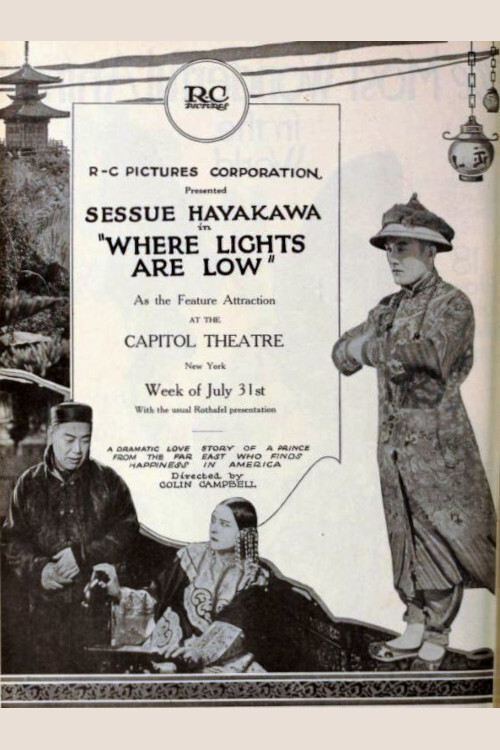
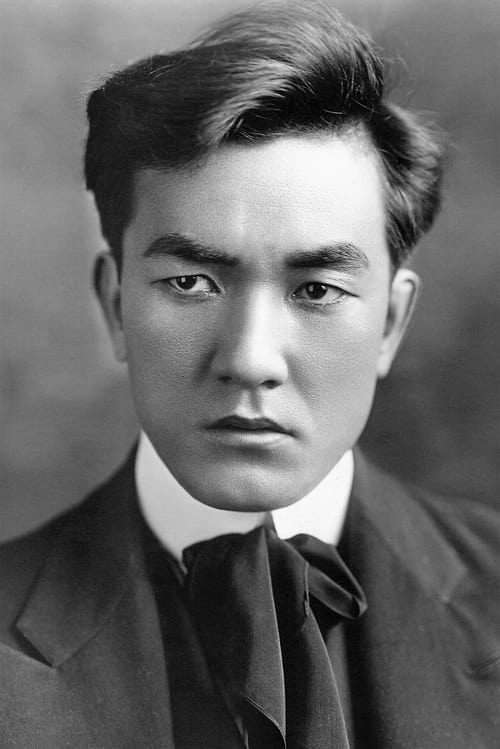
Sessue Hayakawa

Sessue Hayakawa

Acting

Biography

Sessue Hayakawa (June 10, 1889 – November 23, 1973) was a Japanese and American Issei (Japanese immigrant) actor who starred in American, Japanese, French, German, and British films. Hayakawa was the first and one of the few Asian actors to find stardom in the United States as well as Europe. Between the mid-1910s and the late 1920s, he was as well known as actors Charlie Chaplin and Douglas Fairbanks. He was one of the highest paid stars of his time; making $5,000 a week in 1915, and $2 million a year via his own production company during the 1920s. He starred in over 80 movies and has two films in the U.S. National Film Registry. His international stardom transitioned both silent films and talkies. Of his English-language films, Hayakawa is probably best known for his role as Colonel Saito in the film The Bridge on the River Kwai, for which he received a nomination for Academy Award Best Supporting Actor in 1957. He also appeared as the pirate leader in Disney's Swiss Family Robinson in 1960. In addition to his film acting career, Hayakawa was a theatre actor, film and theatre producer, film director, screenwriter, novelist, martial artist, and an ordained Zen master.   Description above from the Wikipedia article Sessue Hayakawa, licensed under CC-BY-SA, full list of contributors on Wikipedia.
Known For

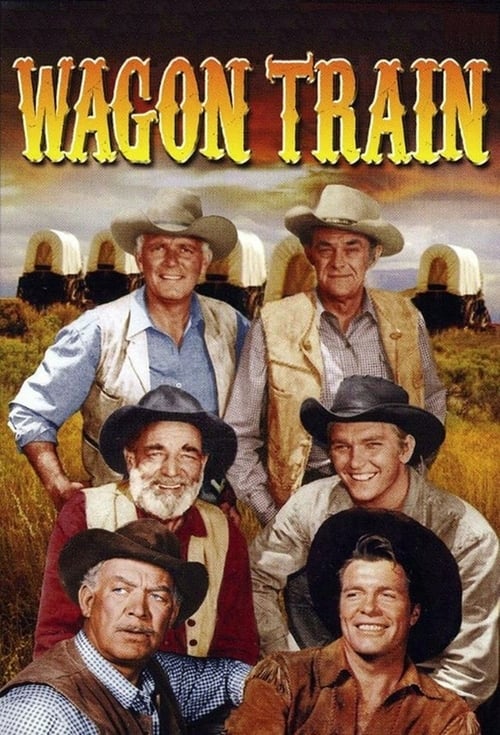
Wagon Train
6.6

The series initially starred veteran movie supporting actor Ward Bond as the wagon master, later replaced upon his death by John McIntire, and Robert Horton as the scout, subsequently replaced by lookalike Robert Fuller a year after Horton had decided to leave the series. The series was inspired by the 1950 film Wagon Master directed by John Ford and starring Ben Johnson, Harry Carey Jr. and Ward Bond, and harkens back to the early widescreen wagon train epic The Big Trail starring John Wayne and featuring Bond in his first major screen appearance playing a supporting role. Horton's buckskin outfit as the scout in the first season of the television series resembles Wayne's, who also played the wagon train's scout in the earlier film.

Wagon Train

1957
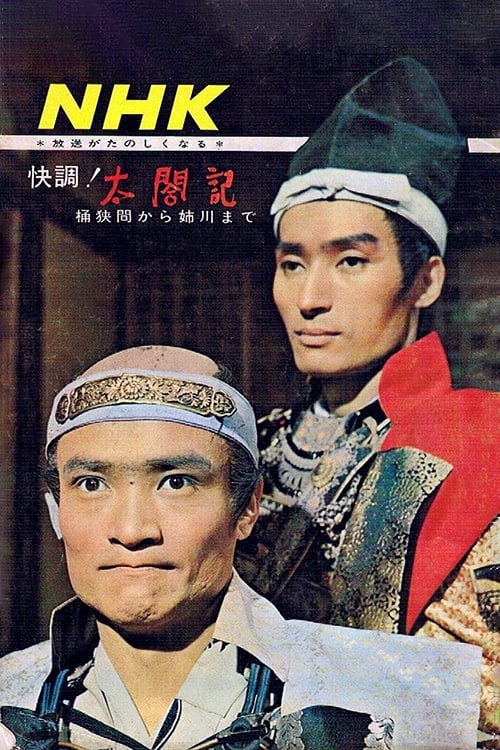
Taikouki
N/A

Based on the life of Hideyoshi Toyotomi (February 2, 1537 – September 18, 1598) a Sengoku period daimyo who unified Japan.

Taikouki

1965
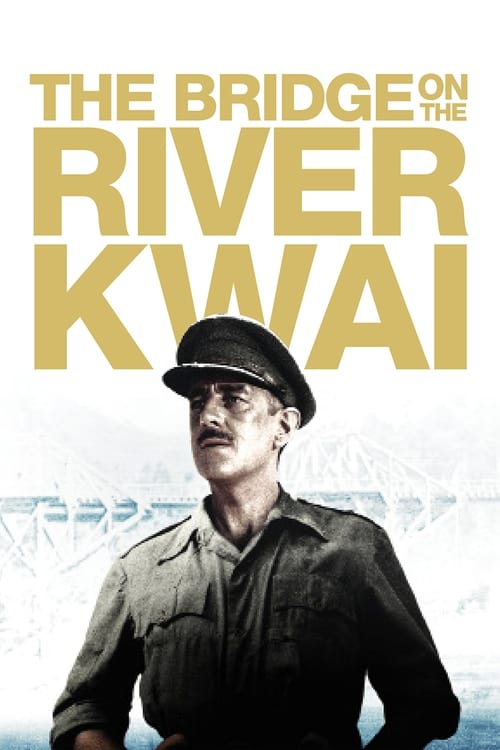
The Bridge on the River Kwai
7.8

The classic story of English POWs in Burma forced to build a bridge to aid the war effort of their Japanese captors. British and American intelligence officers conspire to blow up the structure, but Col. Nicholson, the commander who supervised the bridge's construction, has acquired a sense of pride in his creation and tries to foil their plans.

The Bridge on the River Kwai

1957
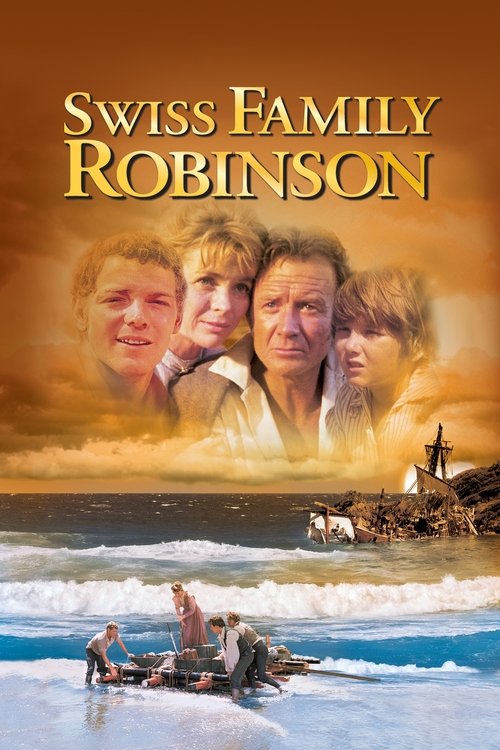
Swiss Family Robinson
6.9

After being shipwrecked, the Robinson family is marooned on an island inhabited only by an impressive array of wildlife. In true pioneer spirit, they quickly make themselves at home but soon face a danger even greater than nature: dastardly pirates.

Swiss Family Robinson

1960
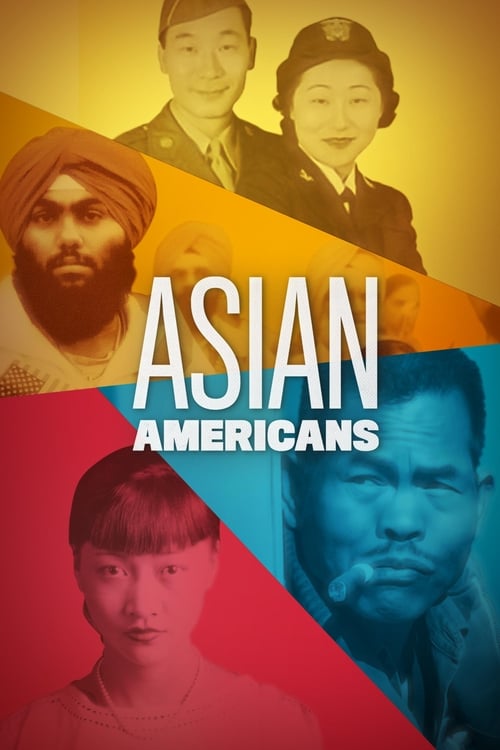
Asian Americans
10.0

This five-part series traces the story of Asian Americans, spanning 150 years of immigration, racial politics, international relations, and cultural innovation. It is a timely, clear-eyed look at the vital role that Asian Americans have played in defining who we are as a nation. Their stories are a celebration of the grit and resilience of a people that reflects the experience of all Americans.

Asian Americans

2020
Green Mansions
5.7

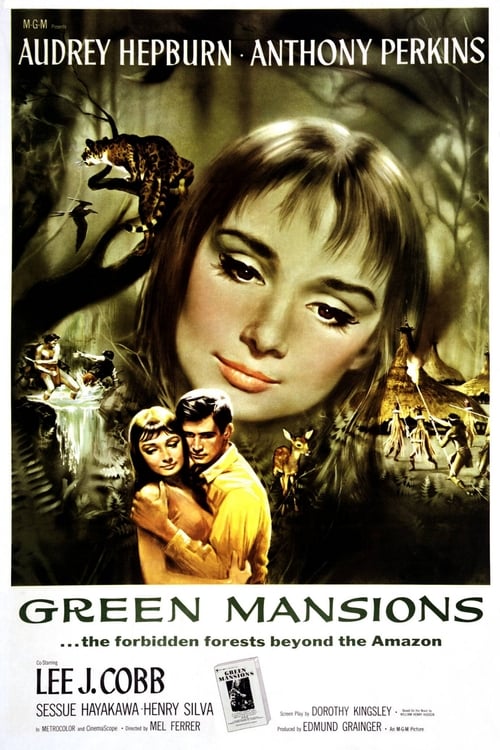
A young Venezuelan idealist flees his native land to escape a revolution. Hoping to find peace, he goes to the mountains and the forests of the Amazon. There he encounters Rima, the Bird Girl, an orphan living a life of nature, who is feared by a local jungle tribe.

Green Mansions

1959
The Swamp
8.0

Mary and her son Buster live in a single room in the slums of the city, having been deserted by their husband and father, wealthy Spencer Wellington. While selling newspapers, Buster meets Wang.

The Swamp

1921
Tokyo Joe
6.1

An American veteran returns to Tokyo to try to pick up the threads of his pre-World War II life there, but finds himself squeezed between criminals and the authorities.

Tokyo Joe

1949
Yellowface: Asian Whitewashing and Racism in Hollywood
5.7

A history of anti-Asian racism and yellowface in Hollywood after the 1941 Pearl Harbor attack.

Yellowface: Asian Whitewashing and Racism in Hollywood

2019
The Cheat
6.0

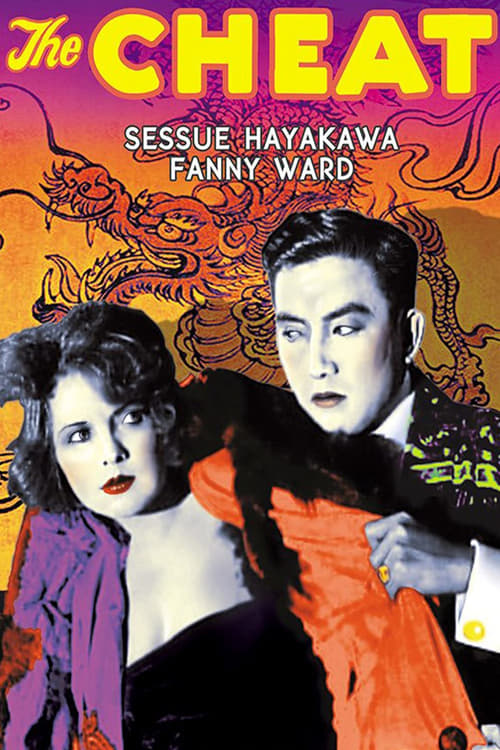
A venal, spoiled stockbroker's wife impulsively embezzles $10,000 from the charity she chairs and desperately turns to a Burmese ivory trader to replace the stolen money.

The Cheat

1915
The Geisha Boy
6.3

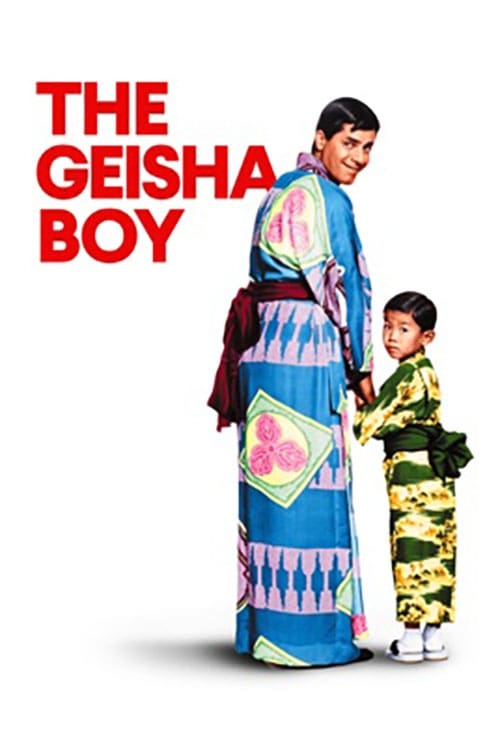
Gilbert Wooley is a second-rate magician who is sent to entertain the troops in the pacific. During his time in Japan he becomes attached to a little orphan boy.

The Geisha Boy

1958
Hidden Pearls
N/A

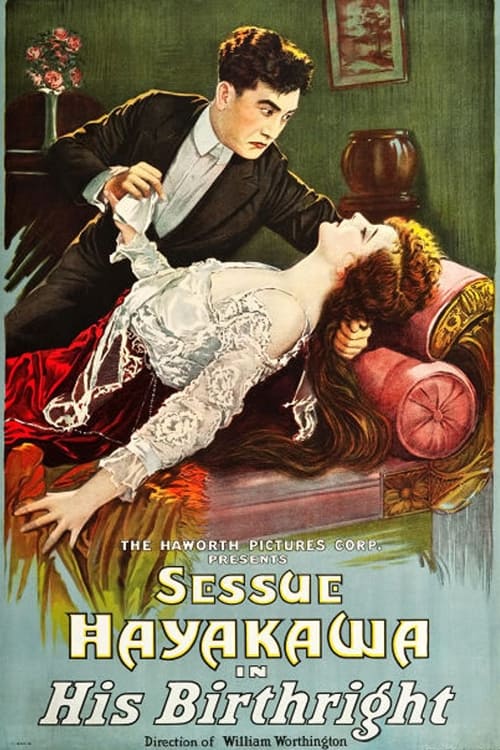
Hawaiian prince Tom Garvin (Sessue Hayakawa) receives an American college education and falls in love with Enid Benton (Florence Vidor).

Hidden Pearls

1918
House of Bamboo
6.2

Eddie Kenner is given a special assignment by the Army to get the inside story on Sandy Dawson, a former GI who has formed a gang of fellow servicemen and Japanese locals.

House of Bamboo

1955
The First Born
7.0

Loey Tsing, the first love of Chan Wang, is sold into slavery by her father. Although Chan marries another, he still loves Loey; only the birth of a son relieves his unhappiness. He adores little Chan Toy even though he finds nothing to like about his wife.

The First Born

1921
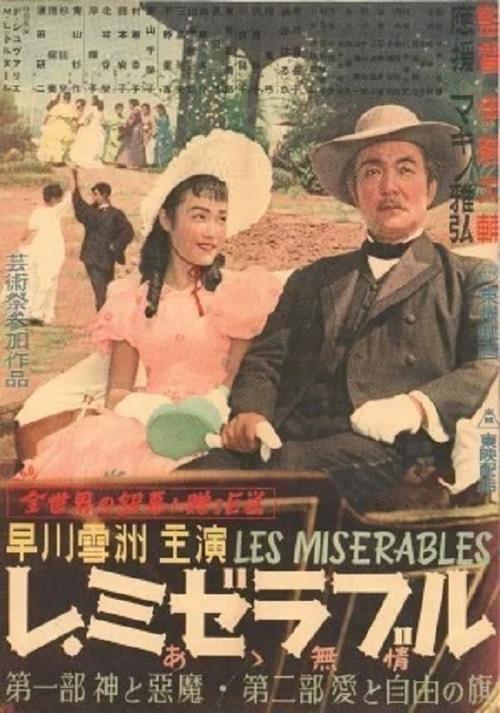
Les Miserables II: Banner of Love and Freedom
7.0

No description available.

Les Miserables II: Banner of Love and Freedom

1950
Why Be Good?: Sexuality & Censorship in Early Cinema
4.3

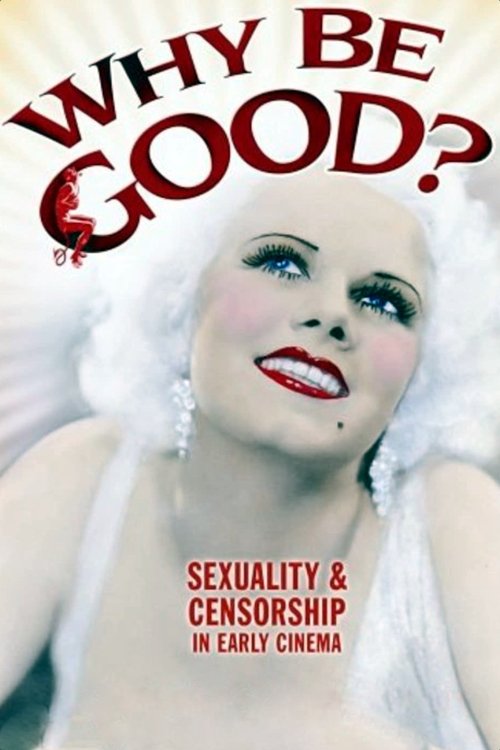
Before the G, PG and R ratings system there was the Production Code, and before that there was, well, nothing. This eye-opening documentary examines the rampant sexuality of early Hollywood through movie clips and reminiscences by stars of the era. Gloria Swanson, Mary Pickford, Marlene Dietrich and others relate tales of the artistic freedom that led to the draconian Production Code, which governed content from 1934 to 1968. Diane Lane narrates.

Why Be Good?: Sexuality & Censorship in Early Cinema

2007
Hell to Eternity
6.4

Based on the story about Guy Gabaldon, a Los Angeles Hispanic boy raised in the 1930s by a Japanese-American foster family. After Pearl Harbor, his foster family is interned at the Manzanar camp for Japanese Americans, while he enlists in the Marines, where his ability to speak Japanese becomes a vital asset. During the Battle of Saipan, he convinces 800 Japanese to surrender after their general commits suicide.

Hell to Eternity

1960
Les Miserables I: God and the Devil
9.0

No description available.

Les Miserables I: God and the Devil

1950
The Daydreamer
5.1

A young Hans Christian Andersen goes in search of knowledge in the Garden of Paradise in order to make his studies easier. Each time he falls asleep, he experiences in his dreams the different characters he would later write about in fairy tales including The Little Mermaid, Thumbelina, and The Emperor's New Clothes.

The Daydreamer

1966
Lover's Duet
N/A

A melodrama about a talented singer who finally makes her debut. A remake of the 1939 film of the same name.

Lover's Duet

1967