Margaret Drain
Production
Known For

TV's most-watched history series brings to life the compelling stories from our past that inform our understanding of the world today.
American Experience

Henry Lee Lucas rose to infamy when he confessed to hundreds of unsolved murders. This docuseries examines the truth -- and horrifying consequences.
The Confession Killer

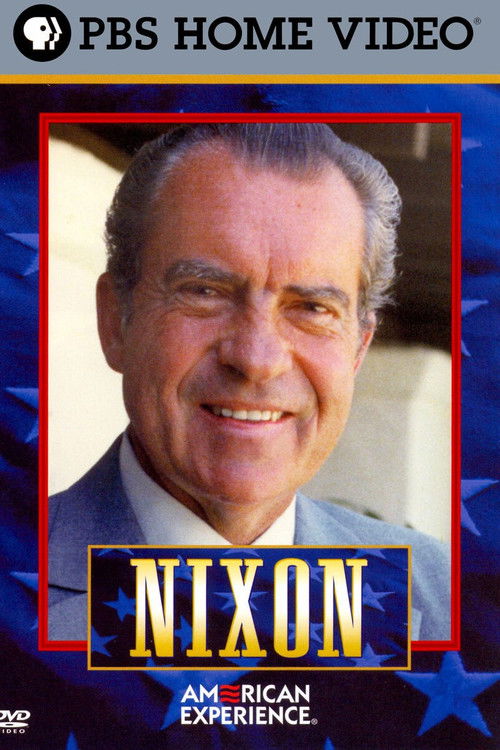
The enigmatic nature of the Nixon presidency combined comparatively progressive legislative initiatives with a flagrant abuse of presidential power and the public trust. His achievements in expanding peaceful relations with China and the Soviet Union stand in stark contrast with his continuation of the war in Vietnam. Finally brought down by scandal and duplicity, his administration did much to erode the citizenry's faith in government.
Nixon

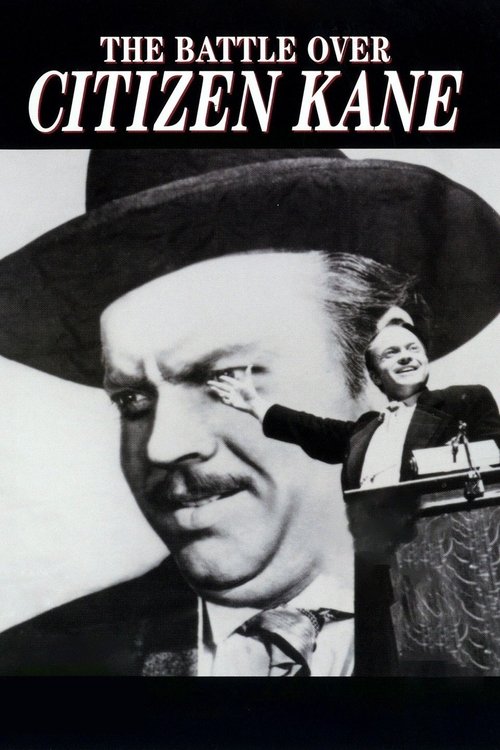
Documentary about the battle between Orson Welles and William Randolph Hearst over Welles' Citizen Kane (1941). Features interviews with Welles' and Hearst's co-workers also acts as a relatively complete biograph of Hearst's career.
The Battle Over Citizen Kane

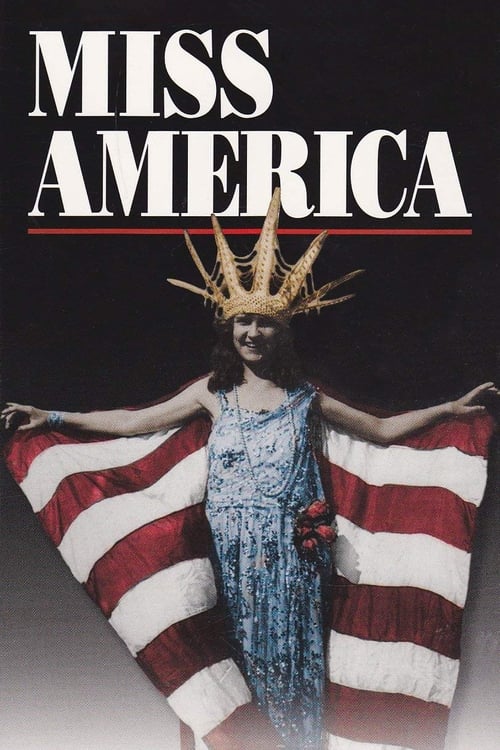
Tracking the country’s oldest beauty contest—from its inception in 1921 as a local seaside pageant to its heyday as one of the country’s most popular events—Miss America paints a vivid picture of an institution that has come to reveal much about a changing nation. The pageant is about commercialism and sexual politics, about big business and small towns. But beyond the symbolism lies a human story—at once moving, inspiring, infuriating, funny, and poignant. Combining rare archival footage, with a host of intimate interviews with distinguished commentators including Gloria Steinem, Margaret Cho, Isaac Mizrahi, former contestants and behind–the–scenes footage and photographs, the film reveals why some women took part in the fledgling event and why others briefly rejected it - how the pageant became a battle ground and a barometer for the changing position of women in society.
Miss America

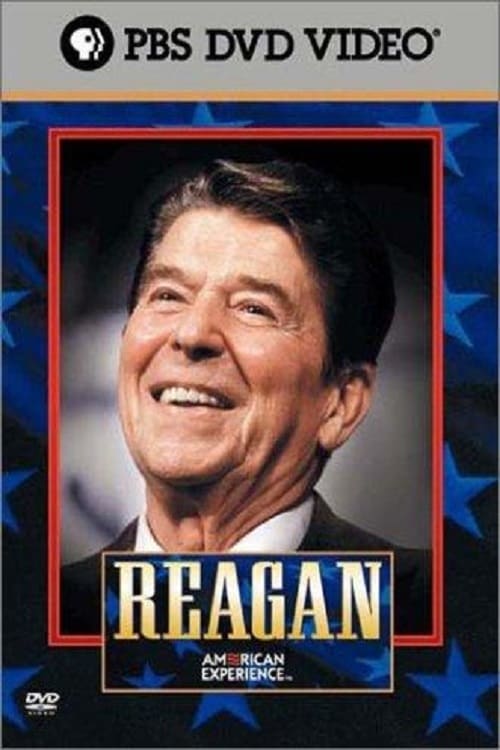
In 1988, after two terms in office, Ronald Reagan left the White House one of the most popular presidents of the twentieth century -- and one of the most controversial. A failed actor, Reagan became a passionate ideologue who preached a simple gospel of lower taxes, less government, and anti-communism.
Reagan

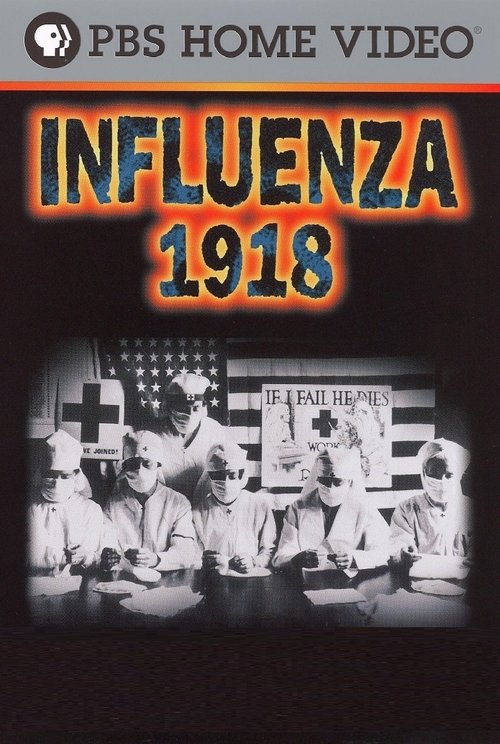
Influenza 1918 is the story of the worst epidemic the United States has ever known. Before it was over, the flu would kill more than 600,000 Americans - more than all the combat deaths of this century combined.
Influenza 1918
American Experience looks at the 1968 Democratic National Convention in Chicago where Vice President Hubert Humphrey won his party's nomination for president amid massive civil unrest and violence perpetrated by Chicago Police and anti-Vietnam War protesters.
Chicago 1968

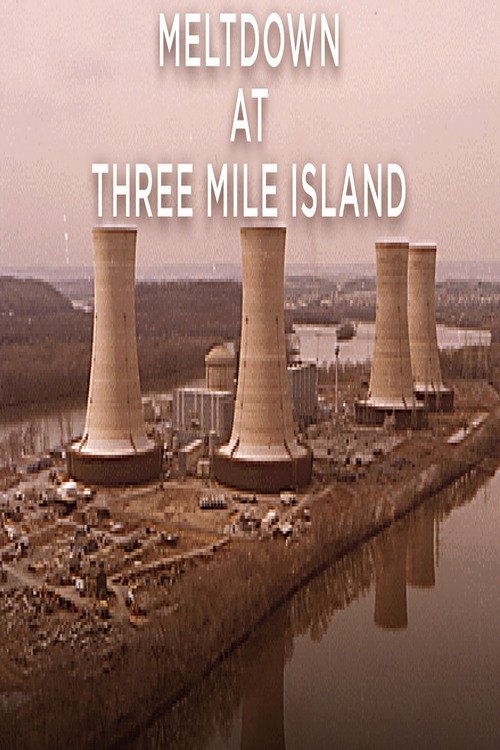
In the predawn hours of March 28, 1979, a reactor of the Three Mile Island nuclear power plant near Harrisburg, Pennsylvania, began to overheat. The lives of half a million people soon hung in the balance, as human error and mechanical failure combined to create the worst nuclear accident in American history.
Meltdown at Three Mile Island

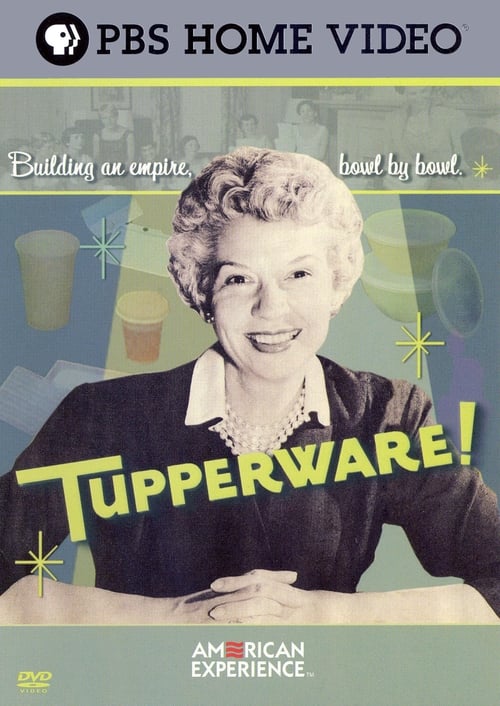
The remarkable story of Earl Silas Tupper, an ambitious but reclusive small-town inventor, and Brownie Wise, the self-taught sales-woman who built him an empire out of bowls that burped. Brownie was an intuitive marketing genius who trained a small army of Tupperware Ladies to put on Tupperware parties in living rooms across America in the 1950s. She rewarded her sales force with minks and modern appliances at extravagant annual jubilees which the company filmed. her saleswomen earned thousands, even millions, selling Tupperware. And the experience changed their lives.
Tupperware!

Part II of PBS' American Experience: Reagan
American Experience: Reagan: Part II

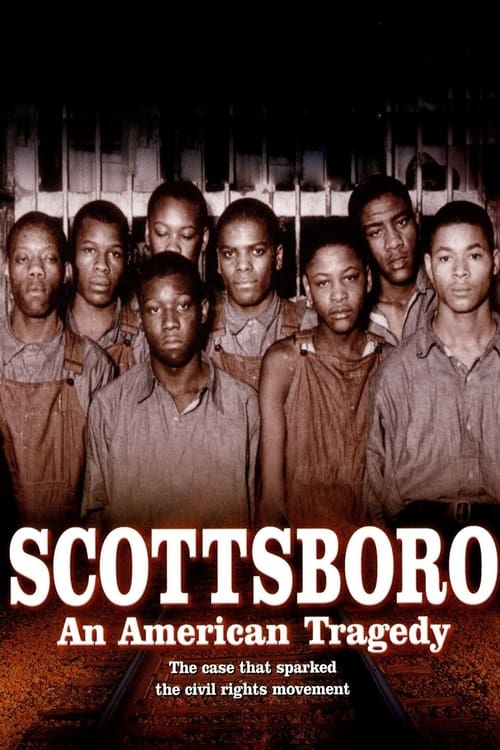
A look at the infamous "Scottsboro Boys" case that occurred in Alabama in 1931, in which nine young black men were arrested, tried and quickly convicted in the rape of two white women, despite overwhelming evidence that showed their accusers had falsely accused them and the fact that one of the women later admitted that no rape had in fact occurred (although both had had sexual relations with their boyfriends on the day prior to the "rape"). The case was one of the first that shined a spotlight on what many called the "legal lynchings" that occurred in the South whenever blacks were accused of crimes, especially against whites and most especially against white women.
Scottsboro: An American Tragedy

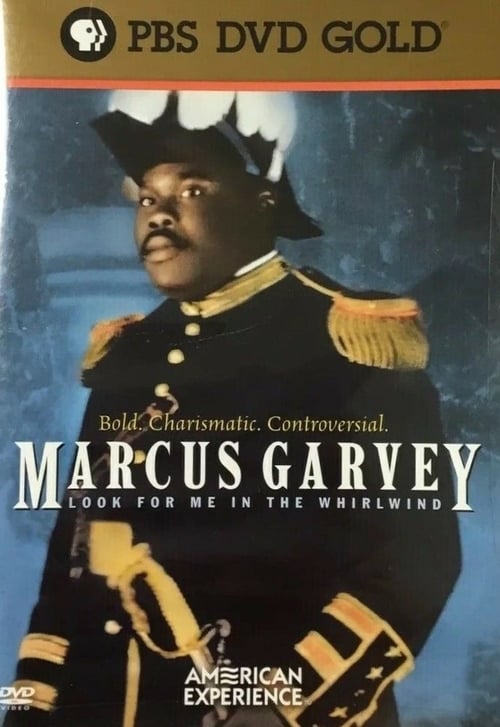
Marcus Garvey: Look for me in the Whirlwind uses a wealth of archival film, photographs and documents to uncover the story of this Jamaican immigrant, who between 1916 and 1921 built the largest black mass movement in world history. It explores Garvey’s dramatic successes and failures before his fall into obscurity. Among the film’s most powerful sequences are interviews with people who were part of the Garvey movement decades ago. These interviews communicate the appeal of Garvey’s revolutionary ideas to a generation of African Americans, and reveal how he invested hundreds and thousands of black men and women with a newfound sense of pride.