Mark Samels
Production
Biography
Mark Samels is an American documentary producer native of Wisconsin. He is executive producer of American Experience, PBS's longest-running history series.
Known For

TV's most-watched history series brings to life the compelling stories from our past that inform our understanding of the world today.
American Experience

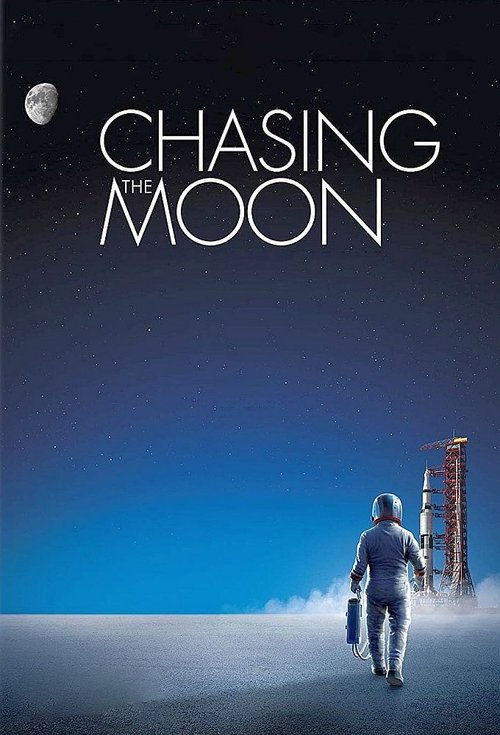
An unprecedented look at the decade-long odyssey to land a man on the moon. This documentary pulls back the curtain on the familiar narrative of the moonshot, revealing a fascinating stew of scientific innovation, political calculation, media spectacle, visionary impulses and personal drama.
Chasing the Moon

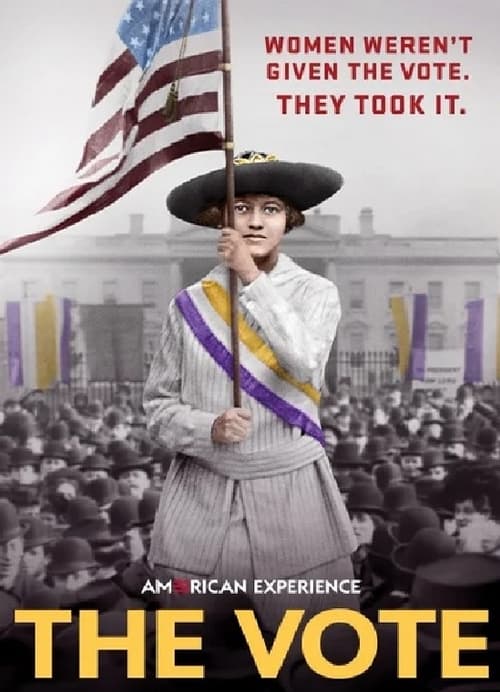
One hundred years after the passage of the 19th Amendment, The Vote tells the dramatic culmination story of the hard-fought campaign waged by American women for the right to vote — a transformative cultural and political movement that resulted in the largest expansion of voting rights in U.S. history.
The Vote

Drawing on unpublished diaries, memoirs and letters, The Great War tells the rich and complex story of World War I through the voices of nurses, journalists, aviators and the American troops who came to be known as “doughboys".
The Great War

Two-part documentary series about the life and legacy of Walt Disney, featuring archival footage only recently released from the Disney vaults, alongside scenes from some of his greatest films.
Walt Disney

50 years after the legendary fest, Barak Goodman’s electric retelling of Woodstock, from the point of view of those who were on the ground, evokes the freedom, passion, community, and joy the three-day music festival created.
Woodstock: Three Days That Defined a Generation

In 1988, after two terms in office, Ronald Reagan left the White House one of the most popular presidents of the twentieth century -- and one of the most controversial. A failed actor, Reagan became a passionate ideologue who preached a simple gospel of lower taxes, less government, and anti-communism.
Reagan

HENRY FORD paints a fascinating portrait of a farm boy who rose from obscurity to become the most influential American innovator of the 20th century.
Henry Ford

In 1931 the rains stopped and the "black blizzards" began. Powerful dust storms carrying millions of tons of stinging, blinding black dirt swept across the Southern Plains — the panhandles of Texas and Oklahoma, western Kansas, and the eastern portions of Colorado and New Mexico. Topsoil that had taken a thousand years per inch to build suddenly blew away in only minutes. One journalist traveling through the devastated region dubbed it the "Dust Bowl." This American Experience film presents the remarkable story of the determined people who clung to their homes and way of life, enduring drought, dust, disease — even death — for nearly a decade. Less well-known than those who sought refuge in California, typified by the Joad family in John Steinbeck's "The Grapes of Wrath," the Dust Bowlers who stayed overcame an almost unbelievable series of calamities and disasters.
Surviving the Dust Bowl

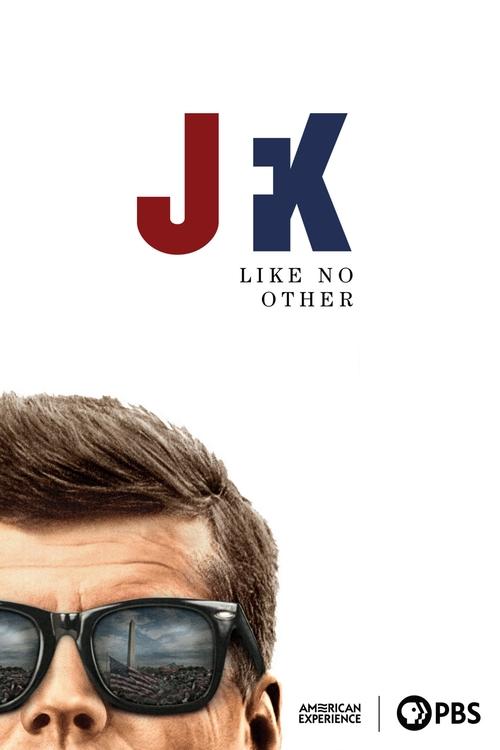
Forever enshrined in myth by an assassin's bullet, Kennedy's presidency long defied objective appraisal. Recent assessments have revealed an administration long on promise and vigor, and somewhat lacking in tangible accomplishment. His proposals for a tax cut and civil rights legislation, however, promised significant gains in the months before his assassination. While maturation, as evidenced in the handling of the Cuban missile crisis, was apparent, the potential legacy of the New Frontier will forever be left to speculation.
JFK

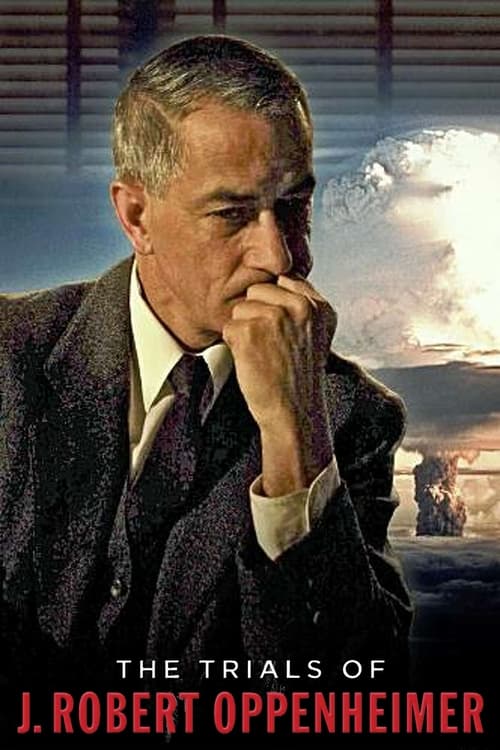
J. Robert Oppenheimer was a national hero, the brilliant scientist who during WWII led the scientific team that created the atomic bomb. But after the bomb brought the war to an end, in spite of his renown and his enormous achievement, America turned on him - humiliated and cast him aside. The question the film asks is, "Why?"
The Trials of J. Robert Oppenheimer

Tracking the country’s oldest beauty contest—from its inception in 1921 as a local seaside pageant to its heyday as one of the country’s most popular events—Miss America paints a vivid picture of an institution that has come to reveal much about a changing nation. The pageant is about commercialism and sexual politics, about big business and small towns. But beyond the symbolism lies a human story—at once moving, inspiring, infuriating, funny, and poignant. Combining rare archival footage, with a host of intimate interviews with distinguished commentators including Gloria Steinem, Margaret Cho, Isaac Mizrahi, former contestants and behind–the–scenes footage and photographs, the film reveals why some women took part in the fledgling event and why others briefly rejected it - how the pageant became a battle ground and a barometer for the changing position of women in society.
Miss America

Meteorologist Tetsuya Theodore "Ted" Fujita spent ten months studying The Super Outbreak of 1974, which was the most intense tornado outbreak on record. Mr. Tornado is the remarkable story of the man whose groundbreaking work in research and applied science saved thousands of lives and helped Americans prepare for and respond to dangerous weather phenomena.
Mr. Tornado

The enigmatic nature of the Nixon presidency combined comparatively progressive legislative initiatives with a flagrant abuse of presidential power and the public trust. His achievements in expanding peaceful relations with China and the Soviet Union stand in stark contrast with his continuation of the war in Vietnam. Finally brought down by scandal and duplicity, his administration did much to erode the citizenry's faith in government.
Nixon

In the waning days of summer 1931, Honolulu's tropical tranquility was shattered when a young Navy wife made a drastic allegation of rape against five nonwhite islanders. What unfolded in the following days and weeks was a racially-charged murder case that would make headlines across the nation, enrage Hawai'i's native population, and galvanize the island's law enforcers and the nation's social elite.
The Massie Affair

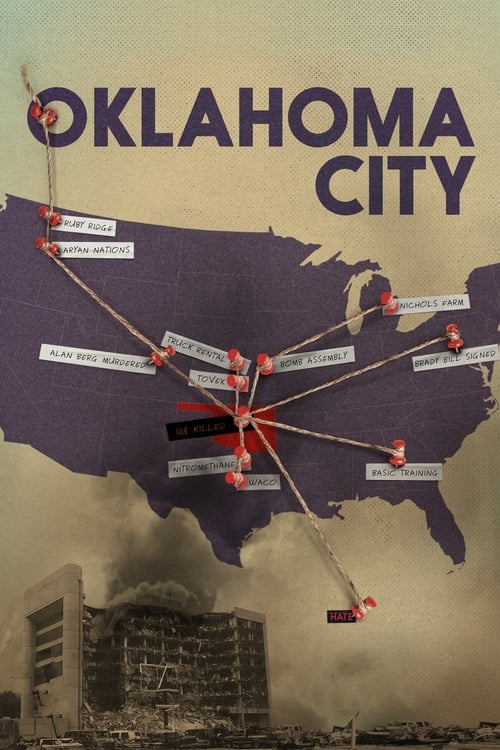
The bombing of the Alfred P. Murrah Federal Building in Oklahoma City in April 1995 is the worst act of domestic terrorism in American history. This documentary explores how a series of deadly encounters between American citizens and federal law enforcement—including the standoffs at Ruby Ridge and Waco—led to it.
Oklahoma City

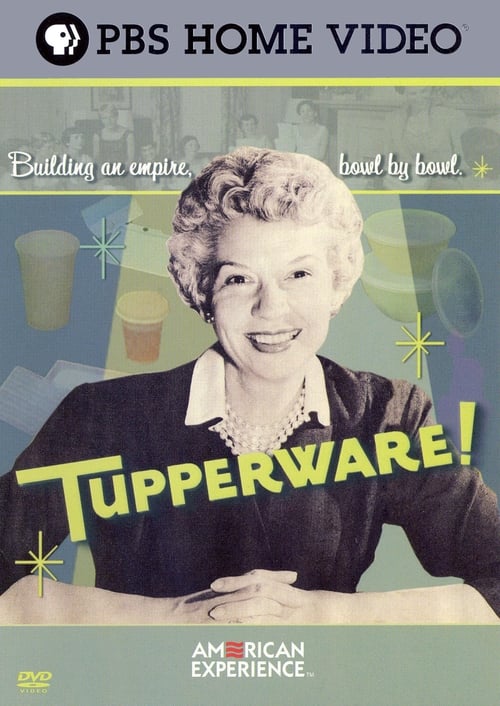
The remarkable story of Earl Silas Tupper, an ambitious but reclusive small-town inventor, and Brownie Wise, the self-taught sales-woman who built him an empire out of bowls that burped. Brownie was an intuitive marketing genius who trained a small army of Tupperware Ladies to put on Tupperware parties in living rooms across America in the 1950s. She rewarded her sales force with minks and modern appliances at extravagant annual jubilees which the company filmed. her saleswomen earned thousands, even millions, selling Tupperware. And the experience changed their lives.
Tupperware!

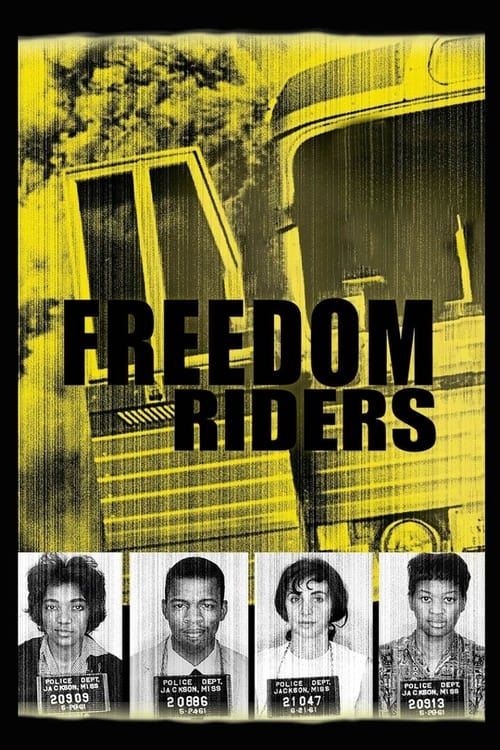
This is the story of more than four hundred Americans who participated in a bold and dangerous experiment designed to awaken the conscience of a complacent nation. These self-proclaimed, 'Freedom Riders' challenged the mores of a racially segregated society by performing a disarmingly simple act.
Freedom Riders

Just days after the Civil War ended, President Abraham Lincoln was assassinated at Ford's Theatre. As a fractured nation mourned, a manhunt closed in on his assassin, the twenty-six-year-old actor, John Wilkes Booth. The Assassination of Abraham Lincoln tracks the converging paths of the president and his killer, then tracks and draws connections between their last journeys, in the forms of Lincoln's funeral train route and Booth's desperate efforts to escape.
The Assassination of Abraham Lincoln

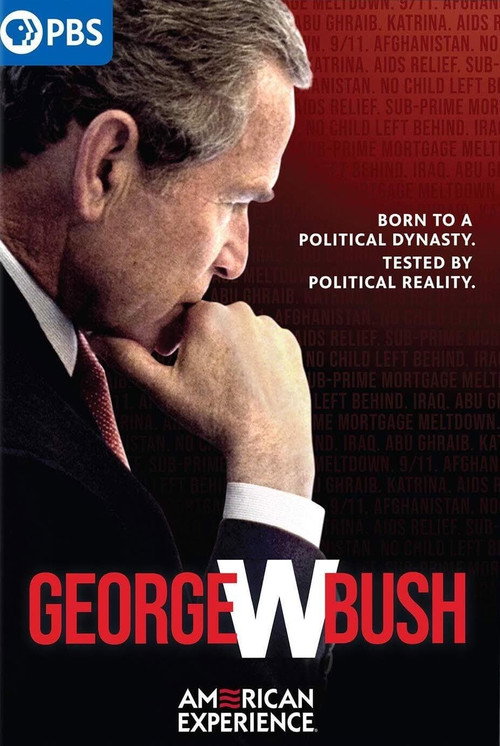
This two-part, four-hour look at the life and presidency of George W. Bush features interviews with historians, journalists and several members of the president’s inner circle. Part One chronicles Bush’s unorthodox road to the White House. The once wild son of a political dynasty, few expected Bush to ascend to the presidency. Yet 36 days after the November 2000 election, Bush emerged the victor of the most hotly contested race in the nation's history. Little in the new president’s past could have prepared him for the events that unfolded on September 11, 2001. Thrust into the role of war president, Bush's response to the deadly terrorist attack would come to define a new era in American foreign policy. Part Two opens with the ensuing war in Iraq and continues through Bush’s second term, as the president confronts the devastating impact of Hurricane Katrina and the most serious financial crisis since the Great Depression.