Production
TV's most-watched history series brings to life the compelling stories from our past that inform our understanding of the world today.
America 1900 presents a comprehensive picture of what life was like in the United States at the turn of the century. Both the program and the site offer compelling images, information, and documents about American life. Students will be able to grasp historical concepts and issues through the stories of ordinary people across the country. Diverse voices and faces will help expand students' knowledge and understanding of the time period and how it relates to our lives today. The program also explores key themes such as the impact of technology, the rise of racism, immigration and the search for a national identity, and the rise of America as a world power. A film by David Grubin Productions, Inc. Produced and directed by David Grubin. Written by Judy Crichton and David Grubin.
In 1970, right after the triumphant premiere of Stephen Sondheim’s groundbreaking concept musical Company, the renowned composer and lyricist, his director Harold Prince, the show’s stars, and a large pit orchestra all went into a Manhattan recording studio as part of a time-honored Broadway tradition: the making of the original cast album. What ensued was a marathon session in which all involved pushed themselves to the limit.
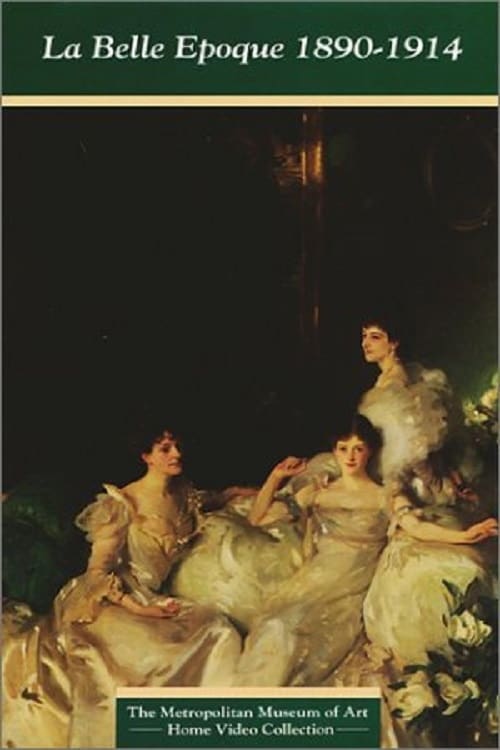
Featuring Douglas Fairbanks Jr. and Diana Vreeland, La Belle Epoque evokes "the beautiful era" of 1890-1914, a time in which the wealthy upper classes of the Western world gave themselves over to a life of elegance and taste-making, their eyes closed to the increasing social and political turmoil fermenting beneath the surface of polite society. The program uses period motion pictures, photographs, and sound recordings, as well as the arts and fashions of the period to supplement the spoken memories of the participating interviewees who actually lived... La Belle Epoque.
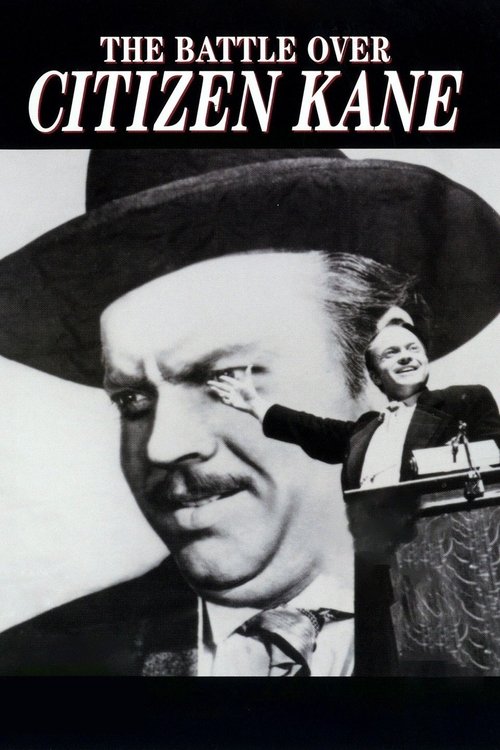
Documentary about the battle between Orson Welles and William Randolph Hearst over Welles' Citizen Kane (1941). Features interviews with Welles' and Hearst's co-workers also acts as a relatively complete biograph of Hearst's career.
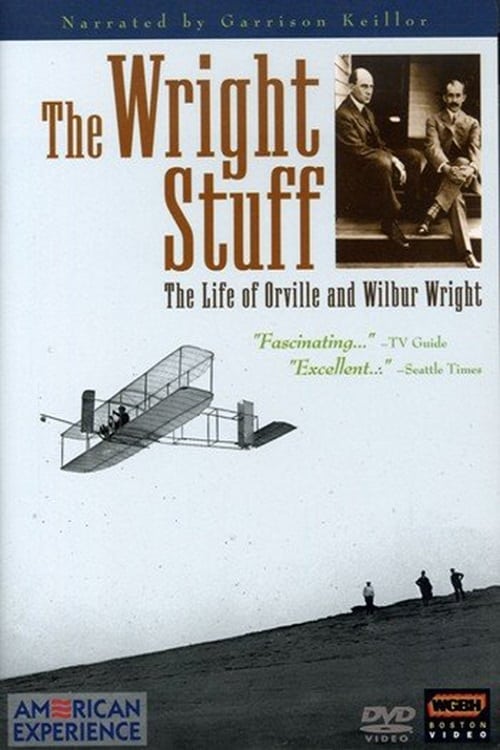
On August 8, 1908, at a racetrack outside Paris, Wilbur Wright executed what was, for him, a routine flight: a smooth take-off banking into a couple of tight circles, ending in a perfect landing. The flight took less than two minutes, but it left spectators awestruck. While the combined talents of Wilbur and Orville Wright had produced the first plane capable of controlled flight , their distrust of others had almost cost them the credit for their invention. Now, having proved to the public that they had mastered the sky, the reserved brothers from the small town of Dayton, Ohio, became world celebrities.
American Experience looks at the 1968 Democratic National Convention in Chicago where Vice President Hubert Humphrey won his party's nomination for president amid massive civil unrest and violence perpetrated by Chicago Police and anti-Vietnam War protesters.
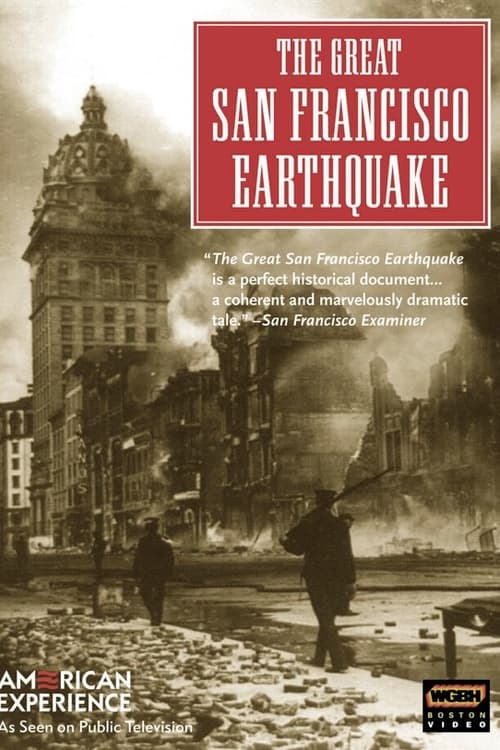
An account of the devastating 1906 San Francisco earthquake and the subsequent effort to rebuild.
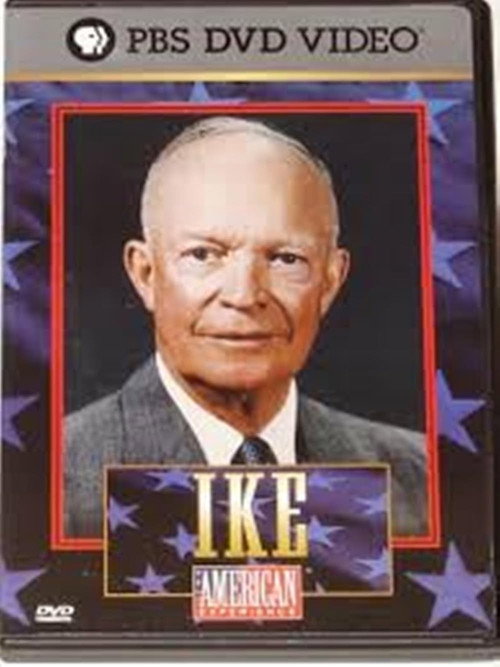
He went off to war an unknown soldier and returned a beloved national hero. Often dismissed as a "do-nothing" president and a good-natured bumbler, Dwight D. Eisenhower -- the last American president to be born in the 19th century -- was actually a skillful politician, a tough Cold War warrior, and one of America's most misunderstood and unappreciated presidents. Two-part documentary from American Experience.
This program examines Cuban exile terrorists living in Miami. These terrorists were secretly trained and employed by the U.S. government in the early 1960s to fight Fidel Castro. Now, without U.S. support, terrorist activities continue in Miami and Latin America. The program reviews secret U.S. policies toward Cuba in the 1960s and includes interviews with Castro and former top CIA officials. Members of this group, formerly secretly trained and employed by U.S. Government until 1967, have been active in Watergate crimes and anti-Castro terrorism including bomb explosion on Cuban Airline killing seventy-three. Includes interviews with Castro, E. Howard Hunt, Bernard Barker, and Rolando Martinez.' - The Paley Center For Media