Production
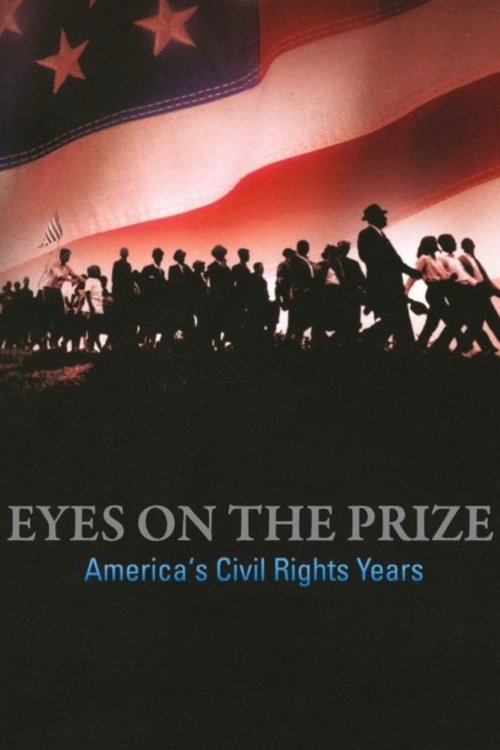
The definitive story of the Civil Rights era from the point of view of the ordinary men and women whose extraordinary actions launched a movement that changed the fabric of American life, and embodied a struggle whose reverberation continue to be felt today.
A 7-part series telling dramatic and diverse stories of struggle and survival during the worst economic crisis in U.S. history. From the producers of Eyes on the Prize, this series was met with critical acclaim and won both an Emmy Award for writing and a duPont-Columbia Award.
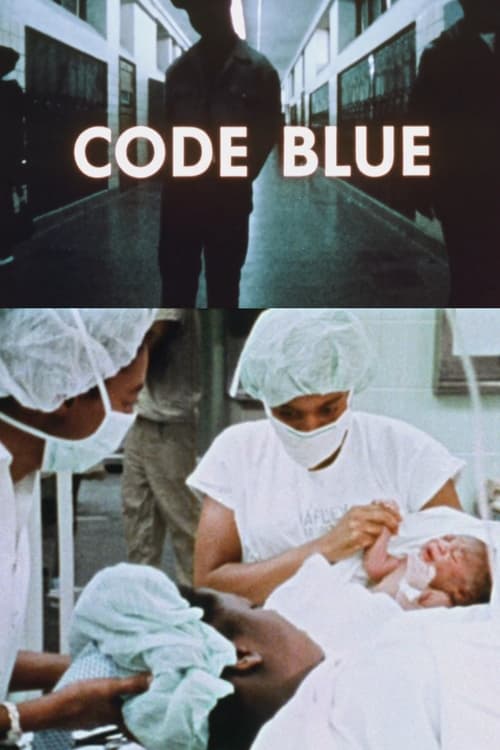
Code Blue is one of the earliest existing films created by Henry Hampton’s Boston-based documentary company Blackside Inc., which produced the Emmy Award-winning civil rights series Eyes on the Prize. Blackside became the largest African American-owned film production company of its time and was home to many filmmakers from diverse backgrounds, including African Americans, immigrants, and women.
In the midst of unprecedented national prosperity in the 1960s, poverty was "rediscovered" by American policy makers, media and the public. This series examines how the poor fared during these years and the resultant evolution of foundation and public sector programs addressing the challenges of poverty.
Narrated by actress Alfre Woodard, this trenchant, eye-opening doc traces the radical civil rights leader’s life from his tumultuous childhood, through his rise in the ranks of the Nation of Islam, to his 1965 assassination.
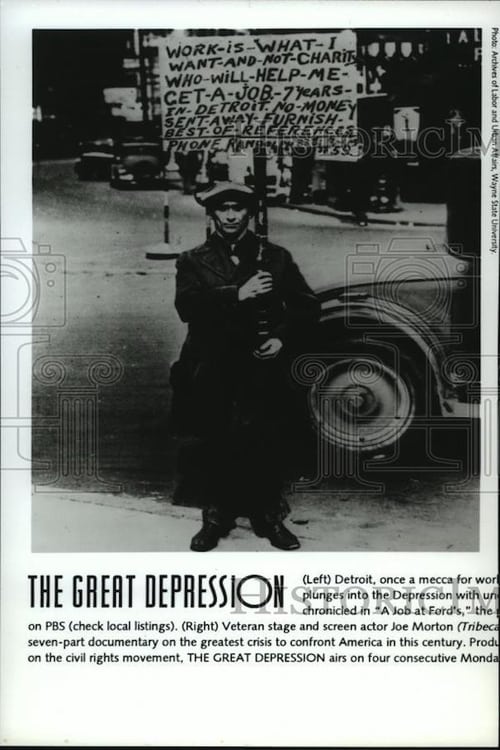
Just before the advent of the Great Depression, Henry Ford controlled the most important company in the most important industry in the booming American economy. His offer of high wages in exchange for hard work attracted workers to Detroit, but it began to come apart when Ford hired a private police force to speed up production and spy on employees. After the depression hit in 1929, these workers faced a new, grim reality as unemployment skyrocketed.