Guy Lombardo
Acting
Biography
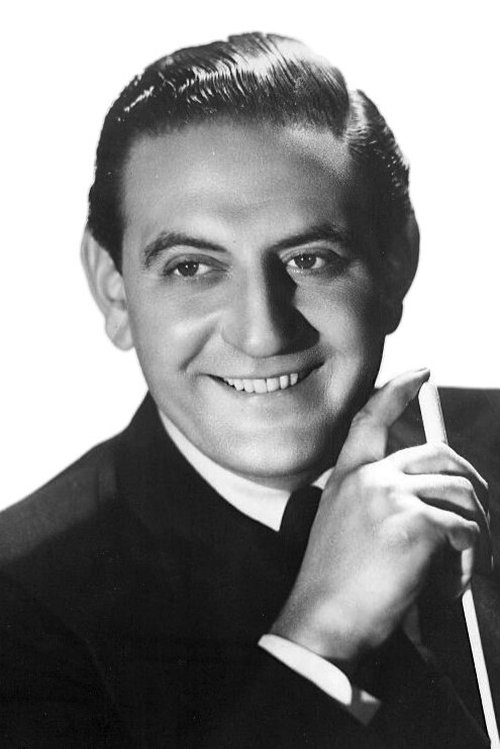
Gaetano Alberto "Guy" Lombardo was a Canadian-American bandleader and violinist. Lombardo formed the Royal Canadians in 1924 with his brothers Carmen, Lebert and Victor, and other musicians from his hometown. They billed themselves as creating "the sweetest music this side of Heaven." The Lombardos are believed to have sold between 100 and 300 million records during their lifetimes, many featuring the band's lead singer, Kenny Gardner. Lombardo was born in London, Ontario, to Italian immigrants Gaetano Alberto and Angelina Lombardo. His father was an amateur singer with a baritone voice, and had four of his five sons learn to play instruments so they could accompany him. Lombardo and his brothers formed their first orchestra while still in grammar school and rehearsed in the back of their father's tailor shop. Lombardo first performed in public with his brother Carmen at a church lawn party in London in 1914. Lombardo became a naturalized citizen of the United States. Although Lombardo's "sweet" big-band music was viewed by some in the jazz and big-band community of the day as "boring, mainstream pap," trumpeter Louis Armstrong regularly named Lombardo's band his favorite orchestra. Lombardo is remembered for almost a half-century of New Year's Eve big band remotes, first on radio, then on television. His orchestra played at the Roosevelt Grill in the Roosevelt Hotel in New York City from 1929 ("radio's first nationwide New Year's Eve broadcast") to 1959, and from then until 1976 at the Waldorf Astoria Hotel. Live broadcasts (and later telecasts) of their performances were a large part of New Year's celebrations across North America; millions of people watched the show with friends at house parties. Because of this popularity, Lombardo was called "Mr. New Year's Eve". The band's first New Year's Eve radio broadcast was in 1928; within a few years, they were heard live on the CBS Radio Network before midnight Eastern Time, then on the NBC Radio Network after midnight. On December 31, 1956, the Lombardo band did their first New Year's TV special on CBS; the program (and Lombardo's 20 subsequent New Year's Eve TV shows) included a live segment from Times Square. Although CBS carried most of the Lombardo New Year's specials, there were a few years in the late 1960s and early 1970s when the special was syndicated live to individual TV stations instead of broadcast on a network. By the middle 1970s, the Lombardo TV show was facing competition, especially for younger viewers, from Dick Clark's New Year's Rockin' Eve, but Lombardo remained famous among viewers, especially older ones. Even after Lombardo's death, the band's New Year's specials continued for two more years on CBS. The Royal Canadians' recording of the traditional song "Auld Lang Syne" still plays as the first song of the new year in Times Square followed by "New York, New York" by Frank Sinatra, "America the Beautiful" by Ray Charles, "What a Wonderful World" by Louis Armstrong, and "Over the Rainbow " by IZ. Lombardo and his orchestra were part of the 1934 film Many Happy Returns, and clips of his own show appeared in the 1977 film Looking for Mr. Goodbar, starring Diane Keaton. On November 5, 1977, Lombardo died of a heart attack. He has three stars on the Hollywood Walk of Fame in Los Angeles.
Known For
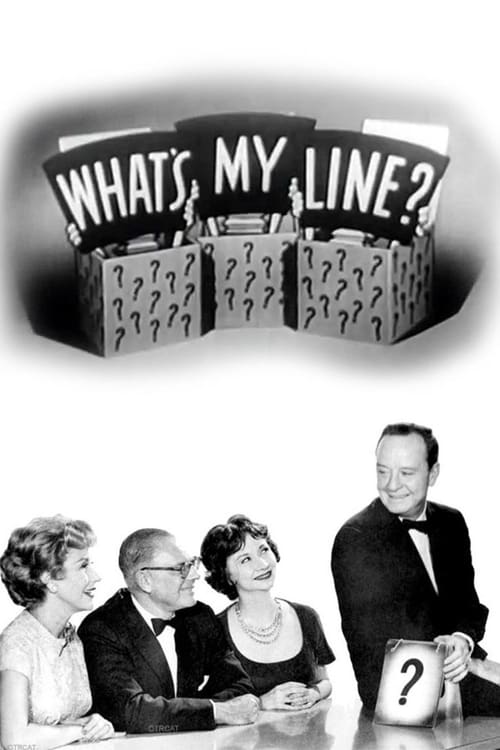
Four panelists must determine guests' occupations - and, in the case of famous guests, while blindfolded, their identity - by asking only "yes" or "no" questions.
What's My Line?
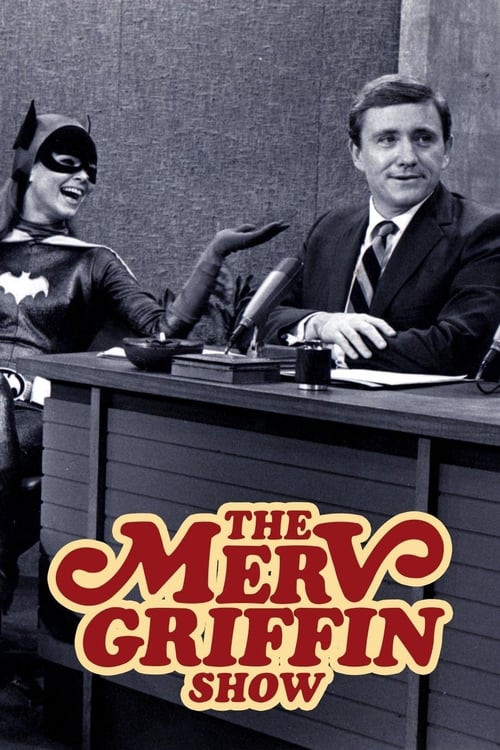
No description available.
The Merv Griffin Show
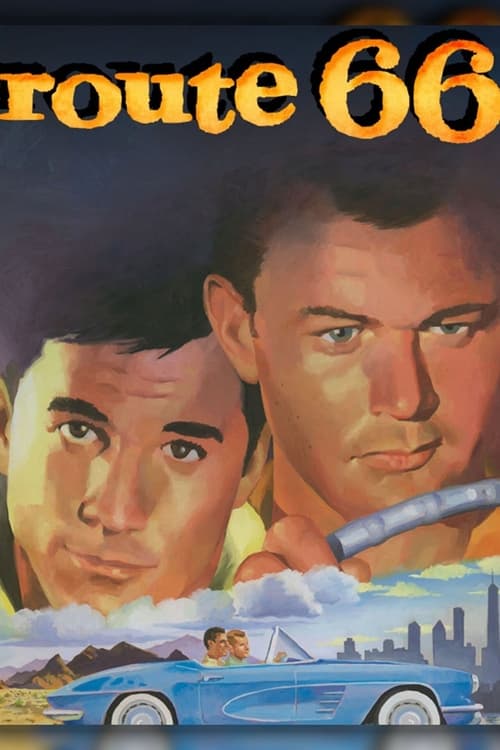
After discovering that his late father has gone through most of the family fortune, Tod Stiles hits the title trans-America highway in his Corvette in search of adventure with friend Buz Murdock, a survivor of New York's mean streets. The two work odd jobs as they meet and interact with colorful characters and find themselves plunged into one situation after another, some of them romantic, some of them very dangerous. Later, Linc Case, a Vietnam war hero trying to find himself, takes over as Tod's travel companion.
Route 66

The Ed Sullivan Show is an American TV variety show that originally ran on CBS from Sunday June 20, 1948 to Sunday June 6, 1971, and was hosted by New York entertainment columnist Ed Sullivan. It was replaced in September 1971 by the CBS Sunday Night Movie, which ran only one season and was eventually replaced by other shows. In 2002, The Ed Sullivan Show was ranked #15 on TV Guide's 50 Greatest TV Shows of All Time.
The Ed Sullivan Show
The Colgate Comedy Hour is an American comedy-musical variety series that aired live on the NBC network from 1950 to 1955. The show starred many notable comedians and entertainers of the era, including Eddie Cantor, Dean Martin and Jerry Lewis, Fred Allen, Donald O'Connor, Bud Abbott and Lou Costello, Bob Hope, Jimmy Durante, Ray Bolger, Gordon MacRae, Ben Blue, Robert Paige, Tony Curtis, Burt Lancaster, Broadway dancer Wayne Lamb and Spike Jones and His City Slickers.
The Colgate Comedy Hour
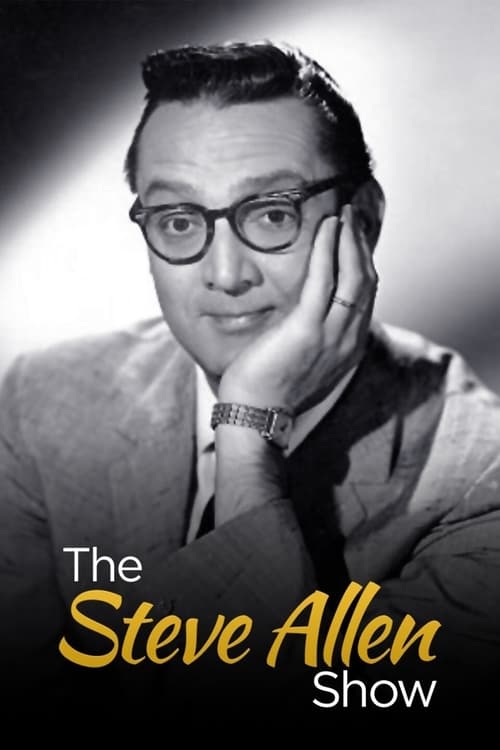
No description available.
The Steve Allen Show
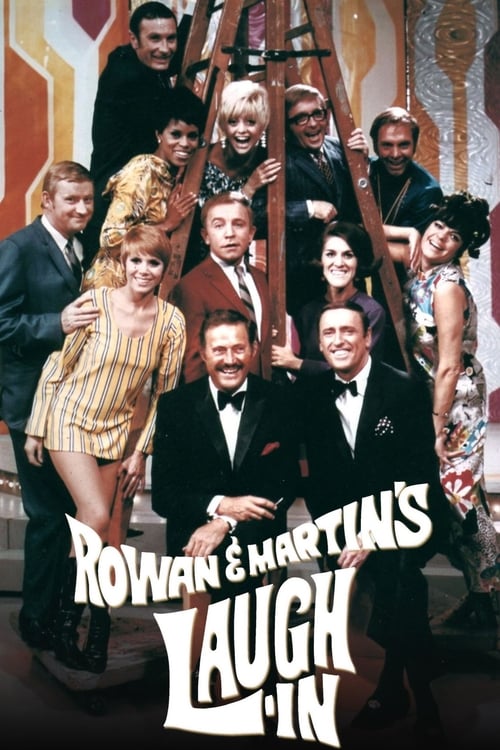
An American sketch comedy television program hosted by comedians Dan Rowan and Dick Martin.
Rowan & Martin's Laugh-In
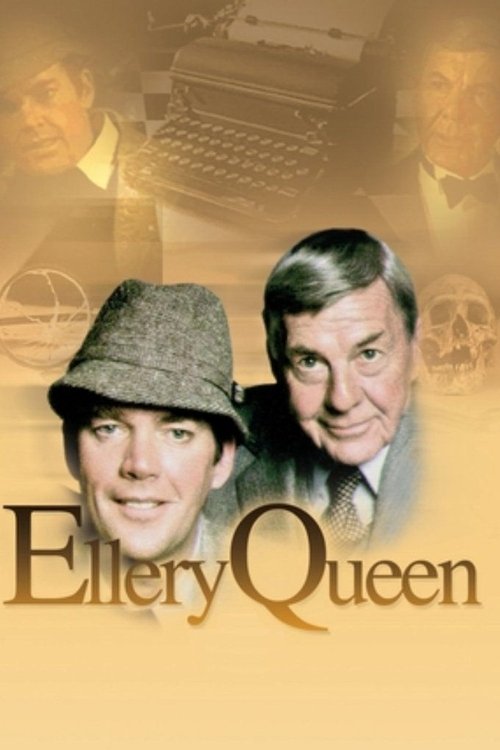
Ellery Queen is an American television detective mystery series based on the fictional character Ellery Queen. It aired on NBC during the 1975-76 television season and stars Jim Hutton as Ellery Queen, David Wayne as his father, Inspector Richard Queen, and Tom Reese as Sgt. Velie. Created by the writing/producing team of Richard Levinson and William Link, the title character "breaks" the fourth wall to ask the audience to consider their solution.
Ellery Queen
Startime, an anthology of drama, comedy and variety, was one of the first American television shows broadcast in color.
Startime
“The Bell Telephone Hour” was a musical variety show that aired on “NBC” TV from 12 January 1959 to 14 June 1968 that showcased the best in Broadway, Classical, Concert, Jazz and Popular music each week. The series had its’ own house band appropriately named the “Bell Telephone Orchestra”. The show also had its’ own theme song being the “Bell Waltz” composed by “Donald Voorhees” who was also the show's Orchestra conductor. Some of the greatest violinists of the 1960’s performed on this show that aired in the old “Black & White” format. Some of these great violinists included “Erica Mornin”, “Isaac Stern", "Michael Rabin", "Ruggiero Ricci", "Yehudi Menuhin" and "Zino Francesacatti". From time to time some of the great singers and bandleaders of the 1960’s would perform on the show as well. Some of these were “Bing Crosby”, “Gordon MacRae”, “John Gary”, “Leslie Uggams”, “Mary Martin”, “Nelson Eddy”, “Patti Page” and “Roy Rogers”. The TV show followed on the heels of its’ predecessor with the same name on “NBC” radio that aired from 29 April 1940 to 1958 on Monday nights at 8 PM. The name of the show was derived from its’ Major sponsor “Bell Telephone Laboratories”. The TV version began airing on Friday nights at 8:30 PM once a month. It later was given it’s same time slot now airing every other week alternating with another show on the other weeks such as News shows and specials. The show time slot changed quite often over the years. In September 1960 it aired at 9 PM and in September 1961 it moved to 9:30 PM. In October 1963 it moved to Tuesday nights at 10 PM, September 1965 it moved to Sunday night at 6:30 PM and in September 1967 it made its' final move back to Friday night at 10 PM.
The Bell Telephone Hour
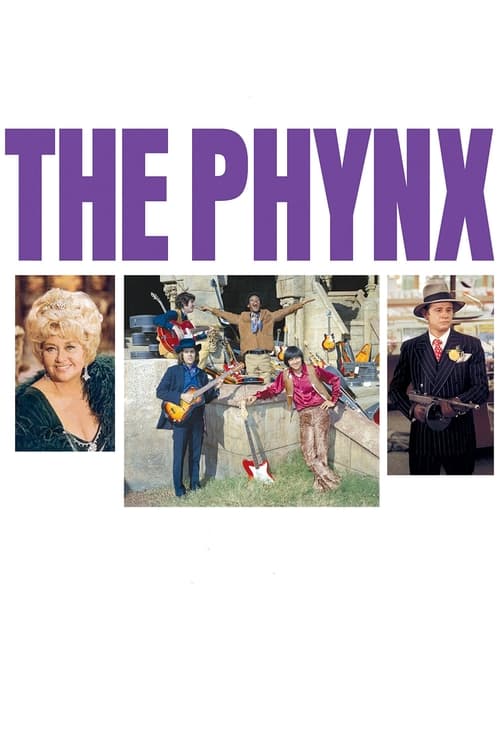
A rock band is invented by the government as a cover to find hostages in a remote castle in Albania held by communist enemies of the USA.
The Phynx
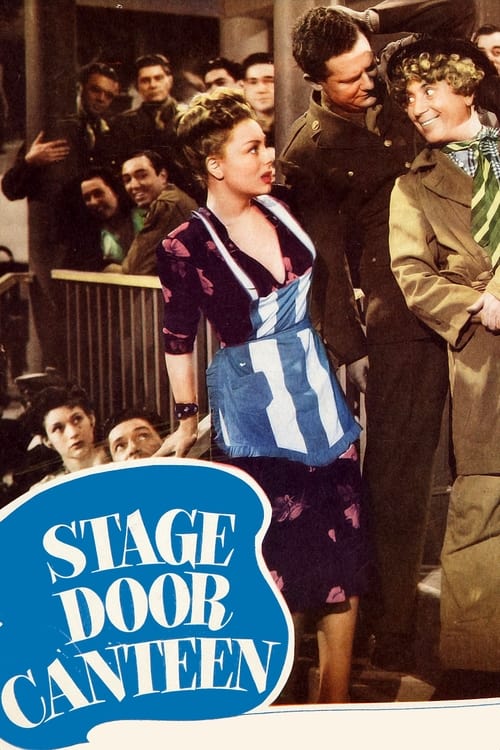
A young soldier on a pass in New York City visits the famed Stage Door Canteen, where famous stars of theatre and film appear and host a recreational center for servicemen during the war. The soldier meets a pretty young hostess and they enjoy the many entertainers and a growing romance.
Stage Door Canteen
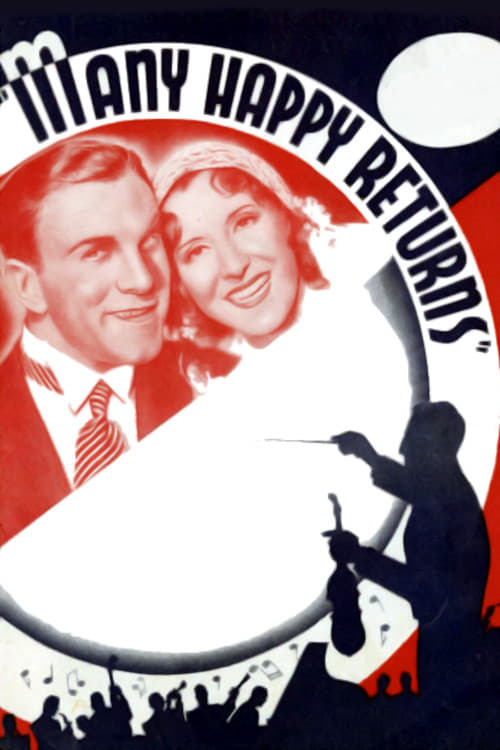
Gracie Allen assumes the "management" of the shop owned by her papa Horatio Allen, turning it into a radio station and then an aviary---with the usual Gracie Allen logic---while distracted Papa is trying to get younger daughter, beauty contest winner Florence, married before she can head to Hollywood and get into the movies.
Many Happy Returns
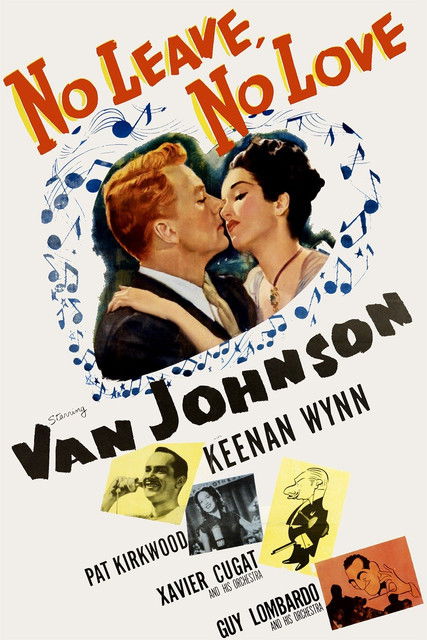
A soldier returns with his pal from fighting in the Pacific during World War II only to discover his fiancee has married someone else. However, he falls in love with a woman at the hotel at which he is staying.
No Leave, No Love
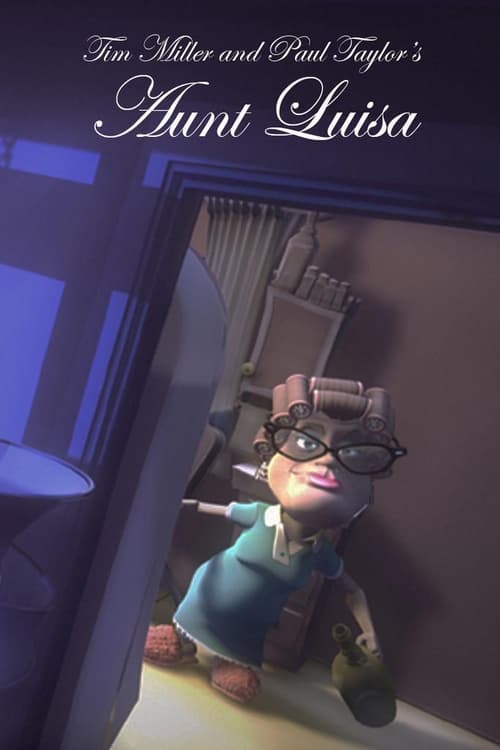
An old woman thinks that Guy Lombardo and the Royal Canadians are performing in her house.