FEEL IT.STREAM
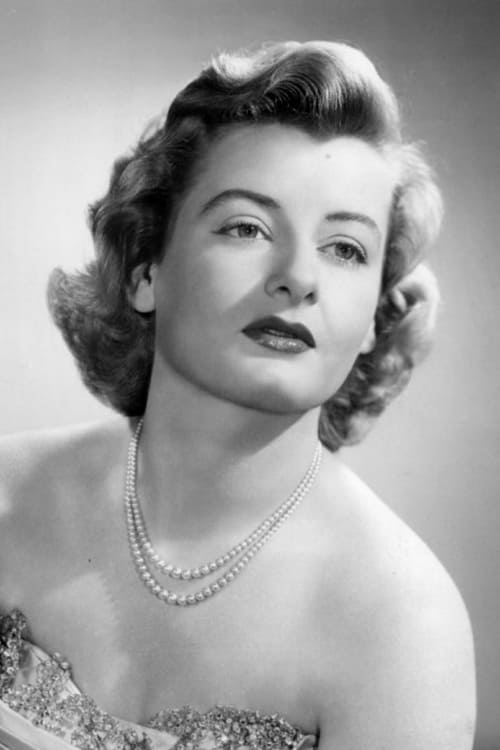
Constance Ford

Constance Ford

Acting

Biography

Constance Ford (July 1, 1923 – February 26, 1993) was an American actress and model. She began her career in television in the 1950s, performing in live television dramas on "Studio One in Hollywood" (1948),"Armstrong Circle Theatre" (1950), "Goodyear Playhouse" (1951), and other acclaimed series, and playing recurring characters in four afternoon serials; "Rose Peabody" in "Search for Tomorrow" (1951), "Lynn Sherwood" in "Woman with a Past" (1954), "Eve Morris" in "The Edge of Night"(1956) and "Ada Davis Downs Hobson" in "Another World" (1964). Ford's assertive style made her a favorite of TV casting directors, and she was often featured in episodes of "Ponds Theater" (1953), "Bat Masterson" (1958), "Rawhide" (1959), "Gunsmoke" (1955), "Alfred Hitchcock Presents" (1955), "Twilight Zone" (1959), and other series, as tough but sensible career women.
Known For

Matinee Theater
5.3

Matinee Theater is an American anthology series that aired on NBC during the Golden Age of Television, from 1955 to 1958. The series, which ran daily in the afternoon, was frequently live. It was produced by Albert McCleery, Darrell Ross, George Cahan and Frank Price with executive producer George Lowther. McCleery had previously produced the live series Cameo Theatre which introduced to television the concept of theater-in-the-round, TV plays staged with minimal sets. Jim Buckley of the Pewter Plough Playhouse recalled: When Al McCleery got back to the States, he originated a most ambitious theatrical TV series for NBC called Matinee Theater: to televise five different stage plays per week live, airing around noon in order to promote color TV to the American housewife as she labored over her ironing. Al was the producer. He hired five directors and five art directors. Richard Bennett, one of our first early presidents of the Pewter Plough Corporation, was one of the directors and I was one of the art directors and, as soon as we were through televising one play, we had lunch and then met to plan next week’s show. That was over 50 years ago, and I’m trying to think; I believe the TV art director is his own set decorator —yes, of course! It had to be, since one of McCleery’s chief claims to favor with the producers was his elimination of the setting per se and simply decorating the scene with a minimum of props. It took a bit of ingenuity.

Matinee Theater

1955Series
Have Gun, Will Travel
7.3

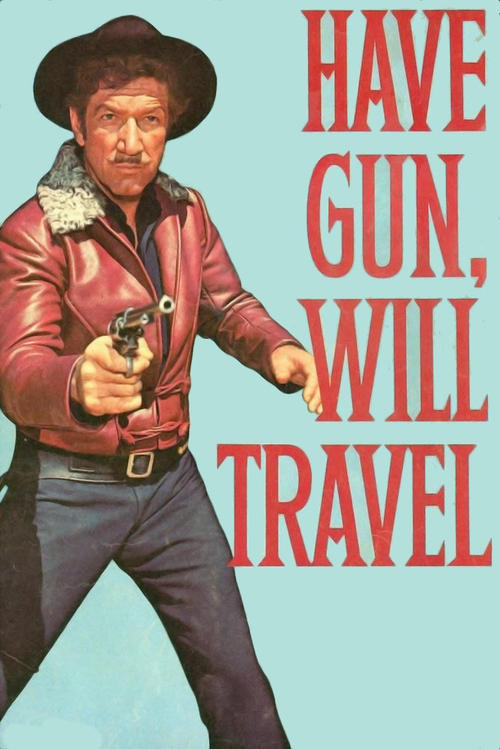
Have Gun – Will Travel is an American Western television series that aired on CBS from 1957 through 1963. It was rated number three or number four in the Nielsen ratings every year of its first four seasons. It was one of the few television shows to spawn a successful radio version. The radio series debuted November 23, 1958. The television show is presently shown on the Encore-Western channel. Have Gun – Will Travel was created by Sam Rolfe and Herb Meadow and produced by Frank Pierson, Don Ingalls, Robert Sparks, and Julian Claman. There were 225 episodes of the TV series, 24 written by Gene Roddenberry. Other contributors included Bruce Geller, Harry Julian Fink, Don Brinkley and Irving Wallace. Andrew McLaglen directed 101 episodes and 19 were directed by series star Richard Boone.

Have Gun, Will Travel

1957Series
Surfside 6
6.3

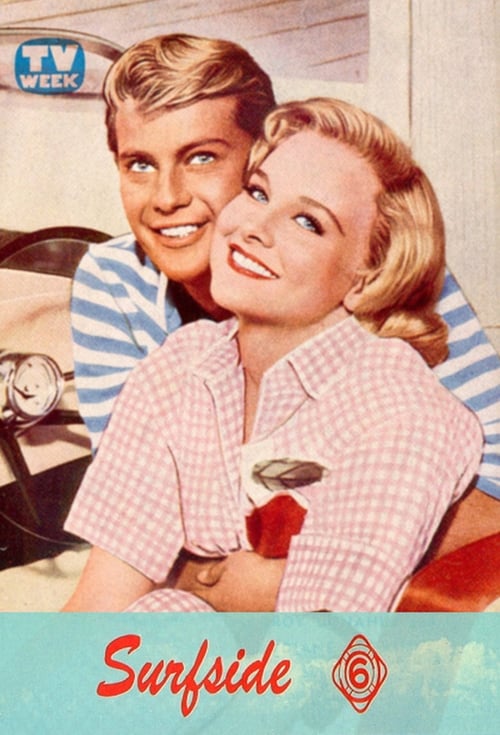
Surfside 6 was an ABC television series which aired from 1960 to 1962. The show centered on a Miami Beach detective agency set on a houseboat and featured Troy Donahue as Sandy Winfield II; Van Williams as Kenny Madison; and Lee Patterson as Dave Thorne. Diane McBain co-starred as socialite Daphne Dutton, whose yacht was berthed next to their houseboat. Margarita Sierra also had a supporting role as Cha Cha O'Brien, an entertainer who worked at The Boom Boom Room, a popular Miami Beach hangout at the Fontainebleau Hotel, directly across the street from Surfside 6. Surfside 6 was in fact a real address in Miami Beach, where an unrelated houseboat was moored at the time; it can also be seen in the sweeping aerial establishing shot of the Fontainebleu in 1964's Goldfinger.

Surfside 6

1960Series
Lights Out
6.0

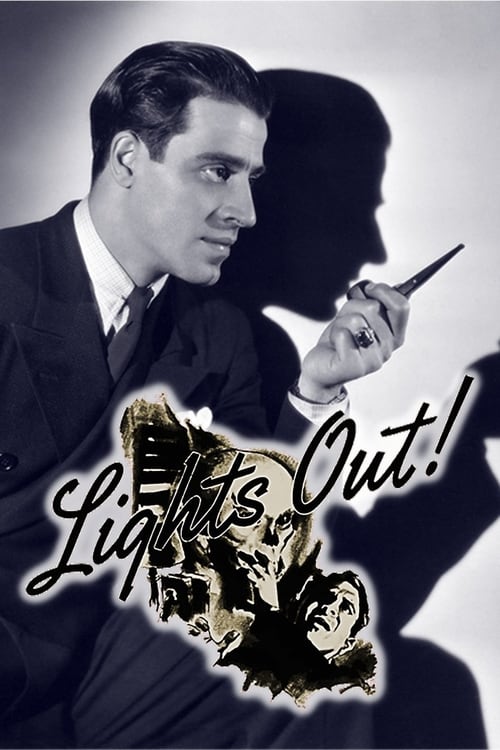
Lights Out was an extremely popular American old-time radio program, an early example of a network series devoted mostly to horror and the supernatural, predating Suspense and Inner Sanctum. Versions of Lights Out aired on different networks, at various times, from January 1934 to the summer of 1947 and the series eventually made the transition to television. In 1946, NBC Television brought Lights Out to TV in a series of four specials, broadcast live and produced by Fred Coe, who also contributed three of the scripts. NBC asked Cooper to write the script for the premiere, "First Person Singular", which is told entirely from the point of view of an unseen murderer who kills his obnoxious wife and winds up being executed. Variety gave this first episode a rave review ("undoubtedly one of the best dramatic shows yet seen on a television screen"), but Lights Out did not become a regular NBC-TV series until 1949.

Lights Out

1949Series