Acting
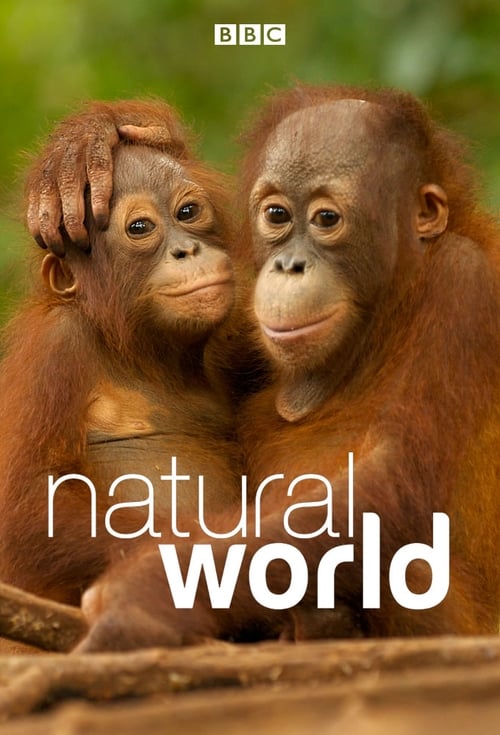
Natural World is a nature documentary television series broadcast annually on BBC Two and regarded by the BBC as its flagship natural history brand. It is currently the longest-running series in its genre on British television, with more than 400 episodes broadcast since its inception in 1983. Natural World is produced by the BBC Natural History Unit in Bristol, but individual programmes can be in-house productions, collaborative productions with other broadcasters or films made and distributed by independent production companies and purchased by the BBC. Natural World programmes are often broadcast as PBS Nature episodes in the USA. Since 2008, most Natural World programmes have been shot and broadcast in high definition.
No description available.
The clock is ticking as contestants compete in games of lexical dexterity and numerical agility.
Mockumentary comedy series following the life of scottish police officers from different areas of the force in a fly on the wall style.
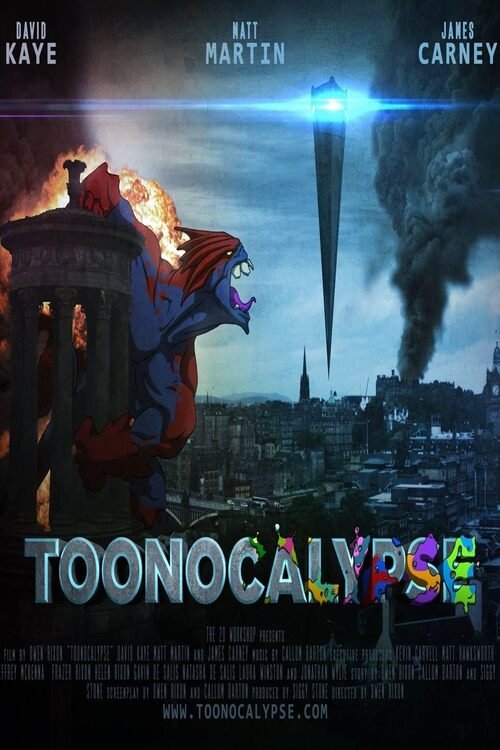
Two students document the arrival of cute, cartoon aliens in Edinburgh, but after a year on Earth, the pair discover the true intention of the aliens visit.
The story of how the introduction of breakfast television to the UK in 1983 led to a fierce battle for viewers between the BBC and ITV.
The railway between Aberdeen and Inverness was built by the Great North of Scotland Railway, the Inverness and Aberdeen Junction and the Inverness and Nairn, the former two companies meeting end on at Keith. Of the 50 stations that have come and gone over the years, ten remain open. In little over a hundred miles we encounter 16 existing, or former, rail junctions - on average one every seven miles - a remarkable testament to the commercial rivalry and duplicity of lines between the Highland and GNSR companies in the latter half of the 19th Century. Today the route is operated by First Scotrail class 158 "Express Sprinters". The route is mostly of single line and features tokenless block and electric key token sections controlled from manual signal boxes with semaphore signals. This scenic route was filmed in sunny or good weather from the cab, from the trackside and from the air. Much of the fascinating history is to be found in the narration, expertly delivered by Sally Magnusson.
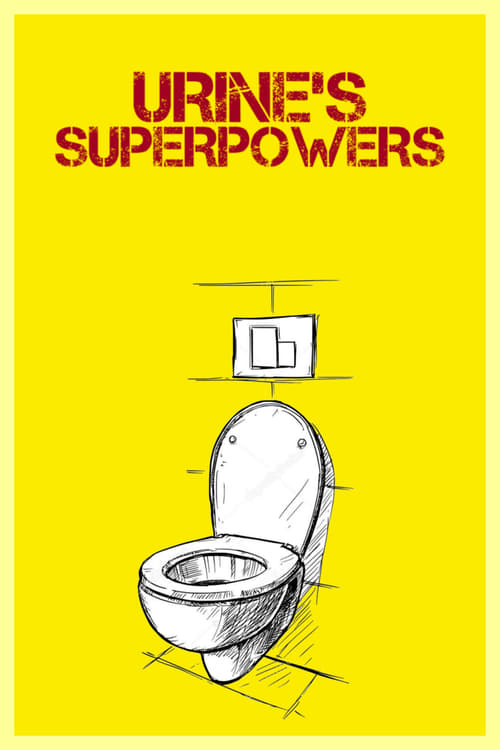
That smelly, pale yellow liquid that people flush down the toilet every day is an industrial fertilizer, a diagnostic tool, a medicine, a renewable energy resource; it is an inexhaustible substance that is produced daily in huge quantities. This is the golden story of urine.