Writing
Revolves around typical family problems, such as firing a clumsy housekeeper, throwing a retirement bash for a colleague, and finding quality time away from the children.
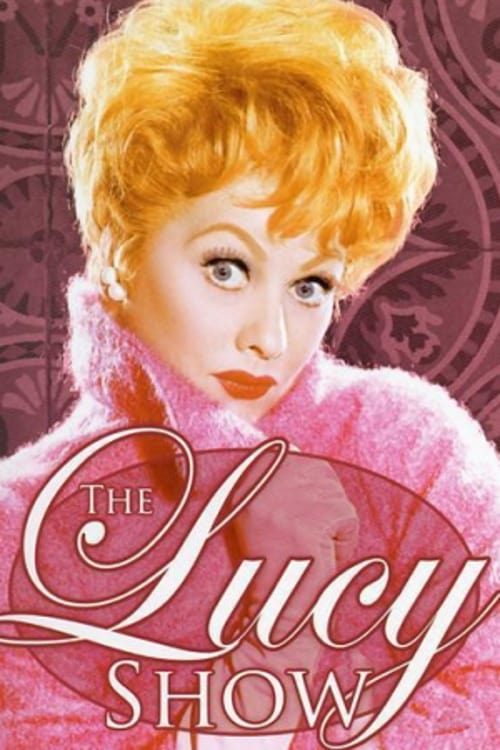
The Lucy Show is an American sitcom that aired on CBS from 1962–68. It was Lucille Ball's follow-up to I Love Lucy. A significant change in cast and premise for the 1965–66 season divides the program into two distinct eras; aside from Ball, only Gale Gordon, who joined the program for its second season, remained. For the first three seasons, Vivian Vance was the co-star. The earliest scripts were entitled The Lucille Ball Show, but when this title was declined, producers thought of calling the show This Is Lucy or The New Adventures of Lucy, before deciding on the title The Lucy Show. Ball won consecutive Emmy Awards as Outstanding Lead Actress in a Comedy Series for the series' final two seasons, 1966–67 and 1967–68.
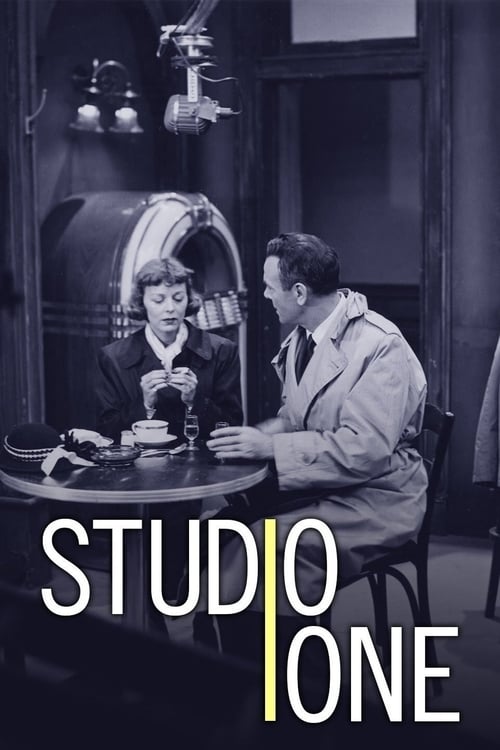
An American radio–television anthology series, created in 1947 by Canadian director Fletcher Markle, who came to CBS from the CBC. Studio One, presented by Westinghouse, was one of the first of the anthology TV programs. The episodes were often abridged remakes of movies from years gone by and many future well-known television and movie actors appeared in the productions.
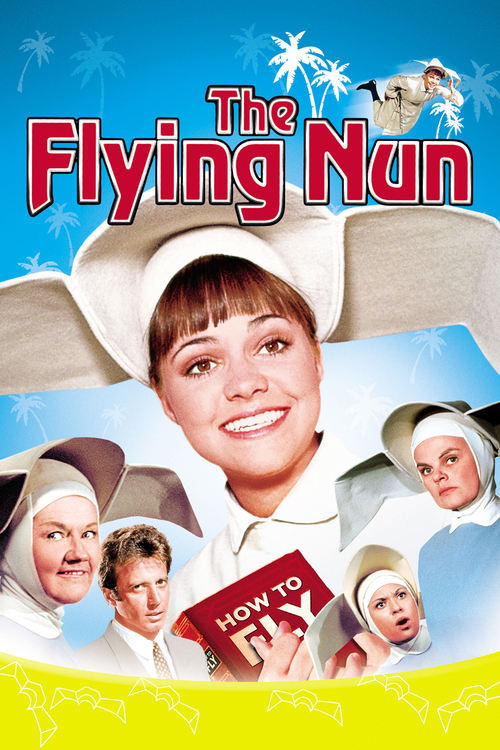
Young Sister Bertrille uses her ability to become airborne to help others, whether they want it or not. Although her aims are always benevolent, her means are often bemoaned by Mother Superior. The other Sisters must cope with their beloved Sister's aerodynamics and antics as she flies in and out of trouble.
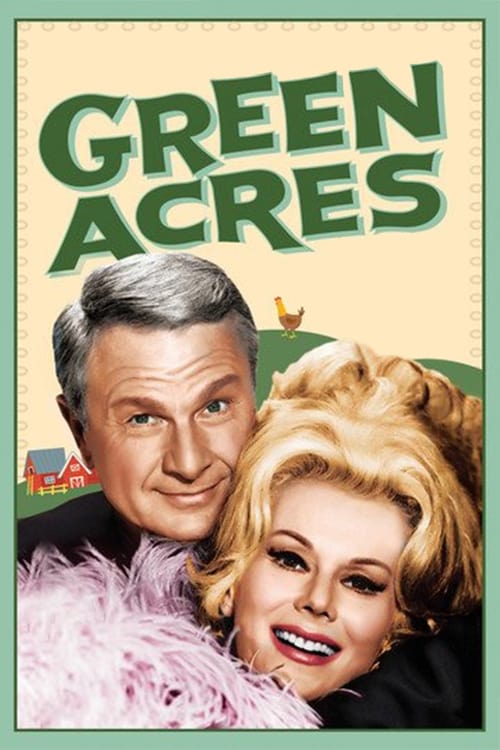
Green Acres is an American sitcom starring Eddie Albert and Eva Gabor as a couple who move from New York City to a rural country farm. Produced by Filmways as a sister show to Petticoat Junction, the series was first broadcast on CBS, from September 15, 1965 to April 27, 1971. Receiving solid ratings during its six-year run, Green Acres was cancelled in 1971 as part of the "rural purge" by CBS. The sitcom has been in syndication and is available in DVD and VHS releases. In 1997, the two-part episode "A Star Named Arnold is Born" was ranked #59 on TV Guide's 100 Greatest Episodes of All Time.
Archie Bunker, a working class bigot, constantly squabbles with his family over the important issues of the day.
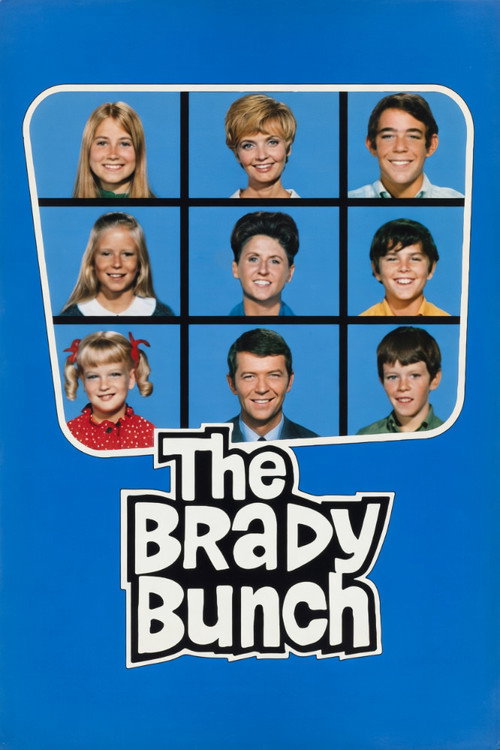
When widower Mike Brady marries a lovely lady widow Carol Ann, their two families become one. These are the misadventures of this new couple, their six children, a dog named Tiger, and quirky housekeeper Alice.
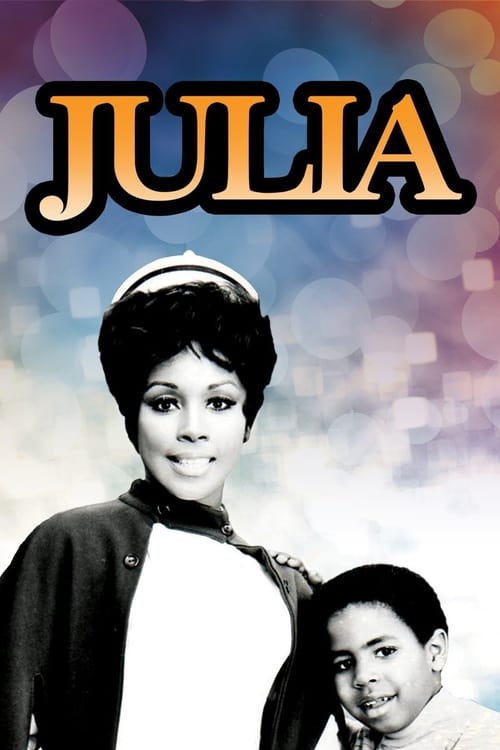
Julia is an American sitcom notable for being one of the first weekly series to depict an African American woman in a non-stereotypical role. Previous television series featured African American lead characters, but the characters were usually servants. The show stars actress and singer Diahann Carroll, and ran for 86 episodes on NBC from September 17, 1968 to March 23, 1971. The series was produced by Savannah Productions, Inc., Hanncar Productions, Inc., and 20th Century-Fox Television. During pre-production, the proposed series title was Mama's Man. The series was also unique in that it was among the few situation comedies in the late 1960s that did not use a laugh track; however, 20th Century-Fox Television added them when the series was reissued for syndication and cable rebroadcasts in the late 1980s.
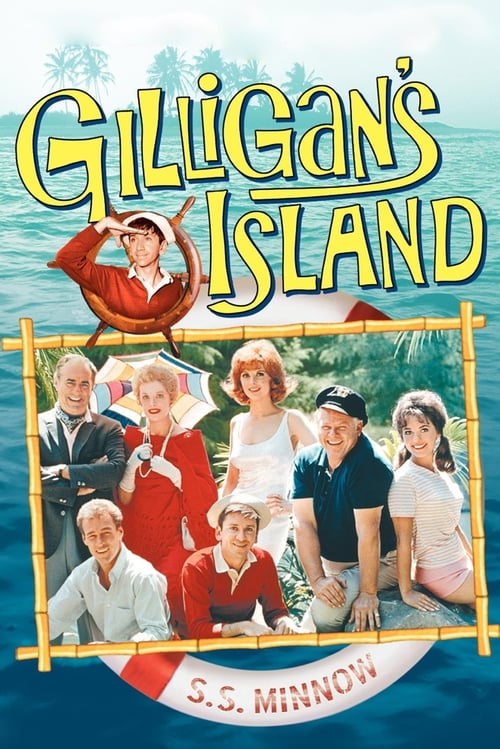
The slapstick adventures of hapless Gilligan, long-suffering Skipper and their gang of mismatched castaways, all stranded on an uncharted desert isle after their tiny ship hit stormy weather.
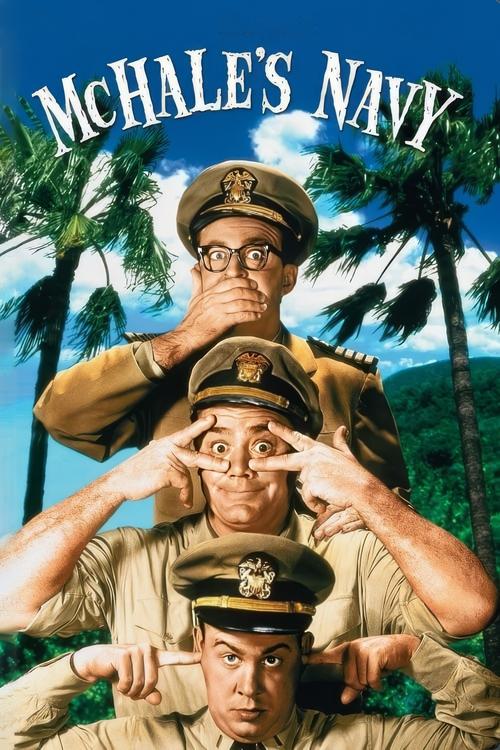
An experienced South Pacific Sea Dog by the name of Quinton McHale, was commissioned as a Lieutenant Commander into the U.S. Navy Reserve at the start of World War II. McHale was made the Skipper of the Torpedo Patrol (PT) Boat #73 stationed at the U.S. Naval Installation on the island of Taratupa in the Southwest Pacific. The 73 'Family' included, among others, a con man and amateur Magician, a womanizing hunk, a dedicated Family man, a guitar-playing, moonshine-making Tennessee good ol' boy, and even a deserter from the Japanese Navy, who was an excellent cook.
Mayberry R.F.D. is an American television series produced as a spin-off and direct continuation of The Andy Griffith Show. When star Andy Griffith decided to leave his series, most of the supporting characters returned for the new program, which ran for three seasons on the CBS Television Network from 1968–1971. During the final season of The Andy Griffith Show, widower farmer Sam Jones and his young son Mike are introduced and gradually become the show's focus. Sheriff Andy Taylor takes a backseat in the storylines, establishing the sequel series. The show's first episode, "Andy and Helen's Wedding", had the highest ratings in recorded television history. Sheriff Taylor and newlywed wife Helen make guest appearances on RFD until late 1969, and then relocate with Opie. Mayberry R.F.D. was popular throughout its entire run, but was canceled after its third season in CBS's infamous "rural purge" of 1971. R.F.D. stands for "Rural Free Delivery", a quaint postal depiction of the rural Mayberry community.
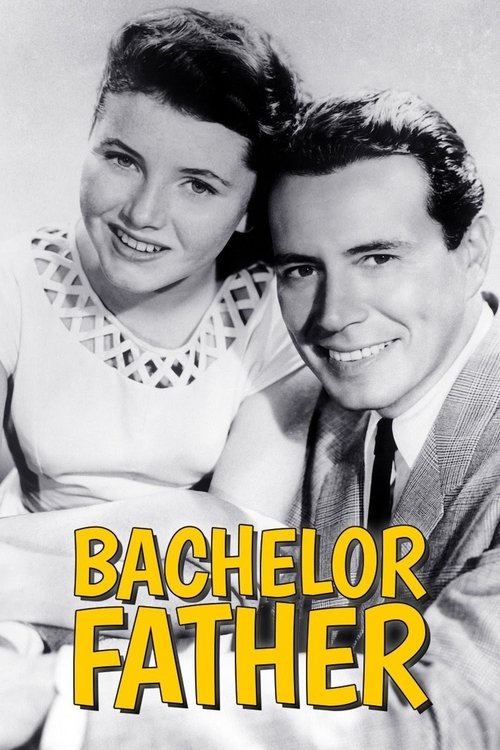
Bachelor Father is an American sitcom starring John Forsythe, Noreen Corcoran, and Sammee Tong. The series first premiered on CBS in September 1957 before moving to NBC for the third season in 1959. The series' fifth and final season aired on ABC from 1961 to 1962. A total of 157 episodes were aired. The series was based on "A New Girl in His Life", which aired on General Electric Theater on May 26, 1957. Bachelor Father is the only primetime series ever to run in consecutive years on the three major televisions networks.
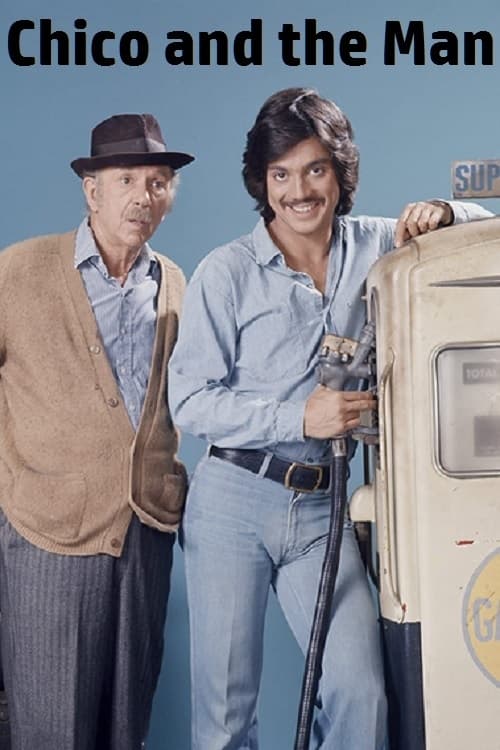
Chico and the Man is an American sitcom which ran on NBC for four seasons, from September 13, 1974, to July 21, 1978. It stars Jack Albertson as Ed Brown, the cantankerous owner of a run down garage in an East Los Angeles barrio, and Freddie Prinze as Chico Rodriguez, an upbeat, optimistic Chicano young man who comes in looking for a job. It was the first U.S. television series set in a Mexican-American neighborhood.
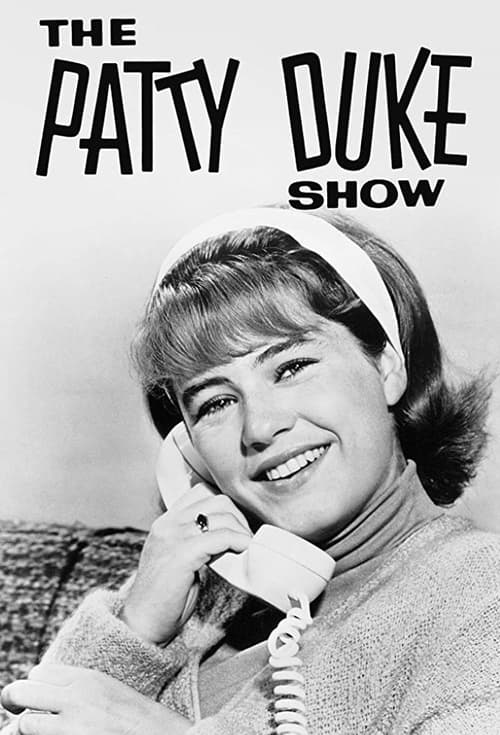
The Patty Duke Show is an American sitcom which ran on ABC from September 18, 1963 to April 27, 1966, with reruns airing through August 31, 1966. The show was created as a vehicle for rising star Patty Duke. A total of 104 episodes were produced, most written by Sidney Sheldon.
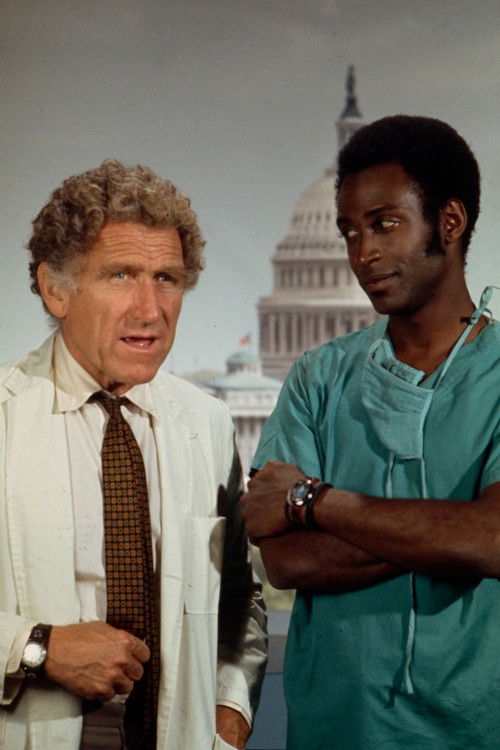
Temperatures Rising is an American television sitcom that ran from September 12, 1972 to August 29, 1974 on the ABC network. The network had a good deal of faith in the low-rated series, which went through three cast changes, two different formats, and two time slots during its run.
Devlin is an animated television series produced by Hanna-Barbera for ABC in 1974.
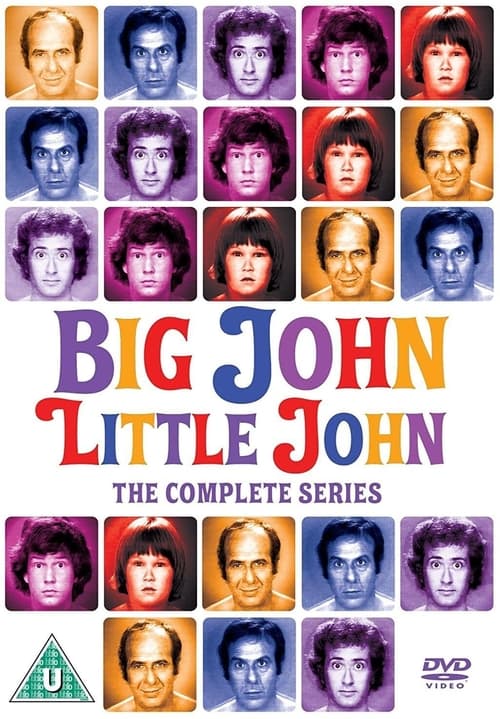
A middle-aged schoolteacher transforms into a 12-year-old boy at inopportune moments.
William Thompson, an American intelligence agent, goes on missions deep behind enemy lines to gather information about threats to American security and protect American diplomats abroad.
The girls of Alpha Beta need to raise $10,000 in two weeks to save the sorority house. Among their schemes to raise the funds are a beauty contest, a newspaper puzzle, and a baking contest. But when three guys hit the beach with love on their minds, bragging that they know the Beatles, the girls plan a concert with the Fab Four as the main attraction.
An African-American family in Georgia works to save money for a power saw. Includes depictions of timber harvest techniques and process. Film made in 1952 by the United States Information Service and intended for foreign audiences.