Directing
Play for Today is a British television anthology drama series, produced by the BBC and transmitted on BBC1 from 1970 to 1984. During the run, more than three hundred programmes, featuring original television plays, and adaptations of stage plays and novels, were transmitted. The individual episodes were between fifty and a hundred minutes in duration.
A BBC television anthology series featuring productions of classic and contemporary stage plays usually broadcast on BBC1. Each production featured a different work, often using prominent British stage actors in the leading roles. The series was transmitted from October 1965 to September 1983.
An anthology series of television plays which aired on BBC1 from October 1964 to May 1970. The plays were usually written for television, although adaptations from other sources also featured.
The daily lives of the men and women at Sun Hill Police Station as they fight crime on the streets of London. From bomb threats to armed robbery and drug raids to the routine demands of policing this ground-breaking series focuses as much on crime as it does on the personal lives of its characters.
Anthology series of dramatic works.
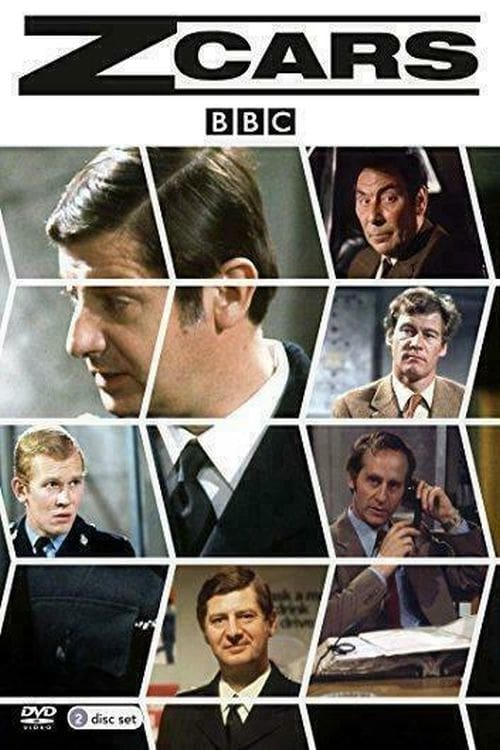
Z-Cars or Z Cars is a British television drama series centred on the work of mobile uniformed police in the fictional town of Newtown, based on Kirkby, Merseyside. Produced by the BBC, it debuted in January 1962 and ran until September 1978.
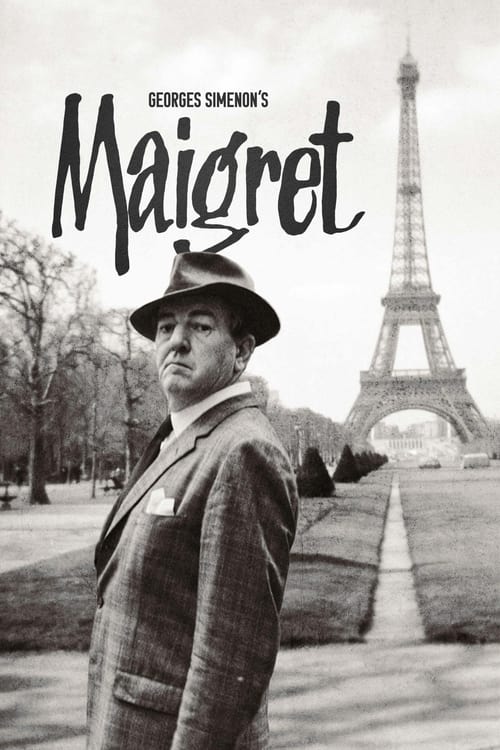
BBC series based on the novels by Georges Simenon which starred Rupert Davies as Inspector Maigret, a French police detective who preferred to watch and listen in order to solve crimes. The series ran from 1960-63 on British television.
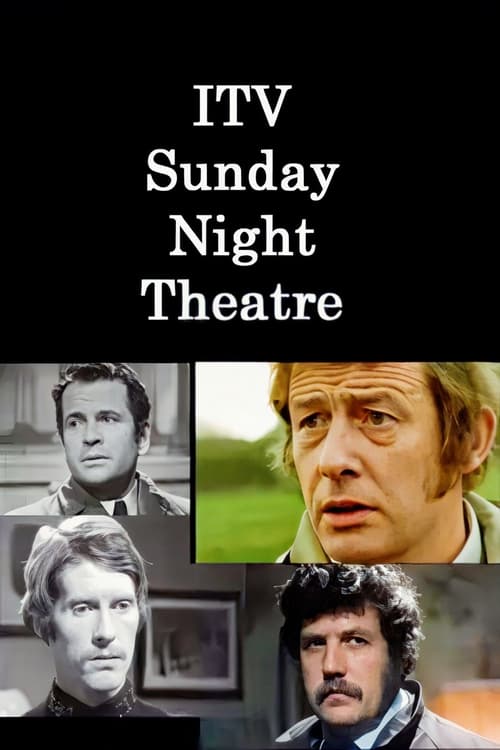
ITV Playhouse is a British comedy-drama TV series that ran from 1967 to 1983, which featured contributions from playwrights such as Dennis Potter, Rhys Adrian and Alan Sharp. The series began in black and white, but was later shot in colour and was produced by various companies for the ITV network, a format that would inspire Dramarama. Actors appearing in the series included Leslie Anderson, Gwen Nelson, Ricky Alleyne, Pat Heywood, Michael Elphick, Ian Hendry, Edward Woodward, Margaret Lockwood, Jessie Matthews and Lloyd Peters.
A British television anthology of stories, often with sinister and wryly comedic undertones, and a twist at the end. With early episodes written and presented by Roald Dahl, the series featured a plethora of big name guest stars.
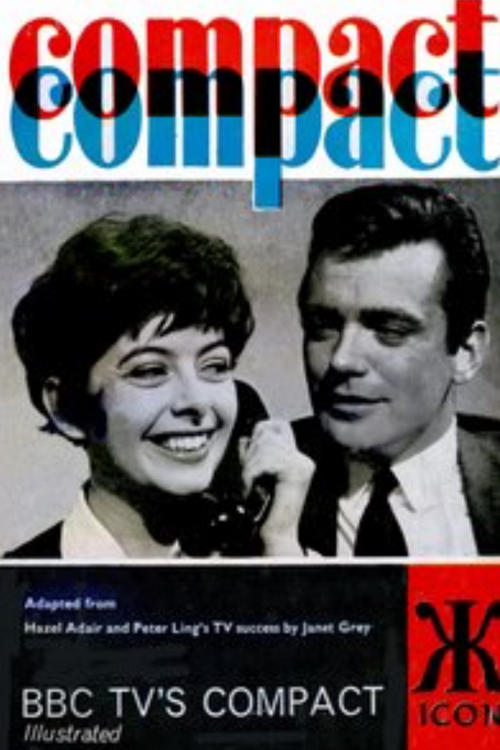
Compact was a British television soap opera shown by the BBC between 1962 and 1965. The series was created by Hazel Adair and Peter Ling, who together went on to devise Crossroads. In contrast to the kitchen sink realism of Coronation Street, Compact was a distinctly middle-class serial, set in the more "sophisticated" arena of magazine publishing. An early "avarice" soap, it took the viewer into the business workplace, and aligned the professional lives of the characters with more personal storylines. The show was scheduled for broadcast on Tuesdays and Thursdays, thus avoiding a clash with ITV's Coronation Street on Mondays and Wednesdays. When Compact began, the editor was a woman, Joanne Minster, yet it was not long before she was replaced by Ian Harmon, the son of the magazine's owner. Despite being largely criticised by reviewers, Compact was popular with the general public, and in 1964 a regular omnibus edition was introduced, broadcast on Sundays. Morris Barry, a some-time actor and BBC director – he directed several Doctor Who stories in the 1960s – took over as producer and was given a brief to spice the series up in view of the criticism it had received from the national press. But the BBC, never comfortable with the concept of soap opera, quietly dropped the series in 1965.
An anthology of short plays shown on BBC Television between 1965 and 1973, used in part at least as a training ground for new writers, on account of its short length, and which therefore attracted many writers who later became well known.
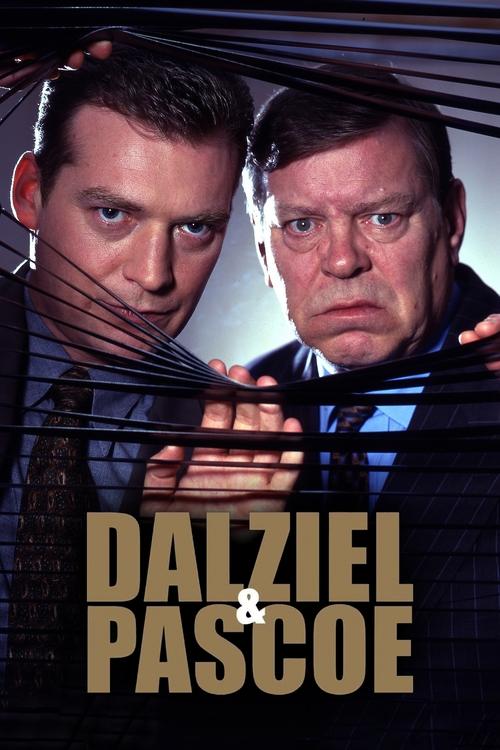
In the fictional Yorkshire town of Wetherton, the unlikely duo of politically incorrect elephant-in-a-China-shop-copper DS Andrew Dalziel (pronounced Dee-ell) and his more sensitive and university educated sidekick DS, later DI, Peter Pascoe is always on hand to solve the classic murder mystery, while maintaining down-to-Earth wit and humour.
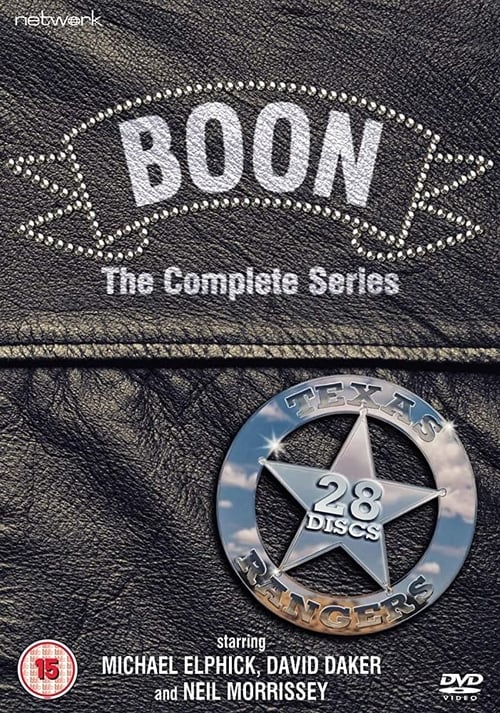
Boon is a British television drama and modern-day western series starring Michael Elphick, David Daker, and later Neil Morrissey. It was created by Jim Hill and Bill Stair and filmed by Central Television for ITV. It revolved around the life of a modern-day Lone Ranger and ex-firefighter, Ken Boon.
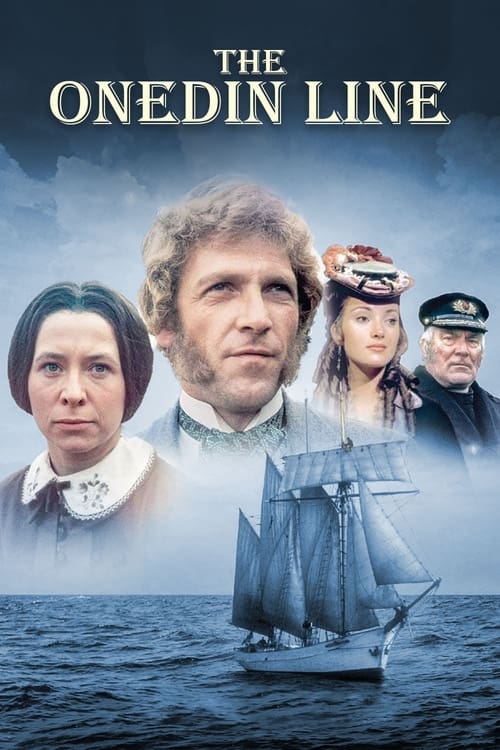
The Onedin Line is a BBC television drama series which ran from 1971 to 1980. The series was created by Cyril Abraham. The series is set in Liverpool from 1860 to 1886 and deals with the rise of a shipping line, the Onedin Line, named after its owner James Onedin. Around this central theme are the lives of his family, most notably his brother and partner, shop owner Robert, and his sister Elizabeth, giving insight into the lifestyle and customs at the time, not only at sea, but also ashore. The series also illustrates some of the changes in business and shipping, such as from wooden to steel ships and from sailing ships to steam ships. It shows the role that ships played in affairs like international politics, uprisings and the slave trade.
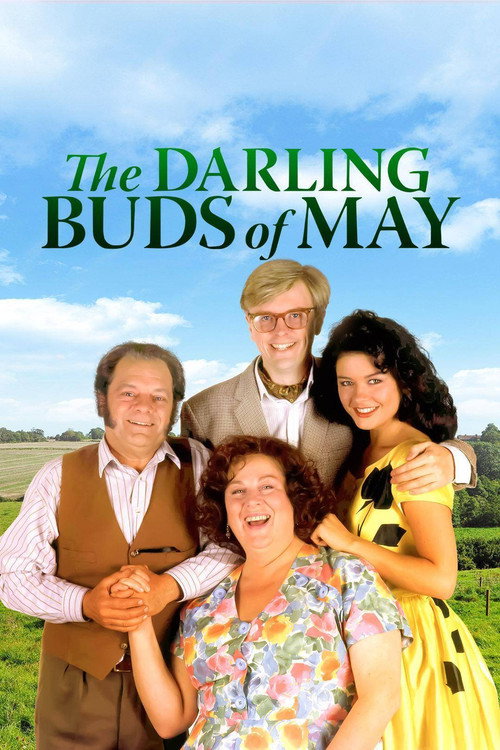
An idyllic picture of 1950's rural England as seen through the lives of the Larkins, a farm family living in Kent. The show revolves around Pa Larkin, a man of a kind and mischievous nature with a penchant for getting into scrapes and talking his way out of them with equal equanimity; and his daughters, as they deal with growing up and discovering the joys and sorrows of young love.
Anthology series of half hour plays produced in BBC's Television Centre's studios.
A series of television plays, some original, some based on pre-existing plays or novels.
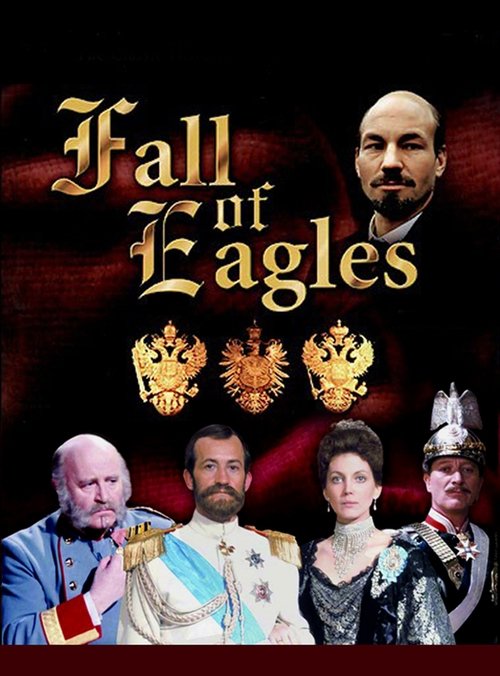
"Fall of Eagles" is a 13-part British television drama aired by the BBC in 1974. The series portrays historical events from 1848 to 1918, dealing with the collapse of the ruling dynasties of Austria-Hungary (the Habsburgs), Germany (the Hohenzollerns) and Russia (the Romanovs).
Highly regarded anthology from the 1980s presenting a diverse range of high-quality single dramas that would serve as pilots for possible future series.
Story Parade specialized in adaptations of modern novels. It was broadcast on June 5, 1964 and repeated on August 28, 1964. The teleplay was by Terry Nation (who invented "Blake's 7" and the Daleks in Dr. Who), and Elijah Baley was played by the late Peter Cushing. It also starred John Carson John Carson as R. Daneel Olivaw and Kenneth J. Warren. The master tapes of the program were erased, however a few clips from the production have turned up in various documentaries about Isaac Asimov's work.