Acting
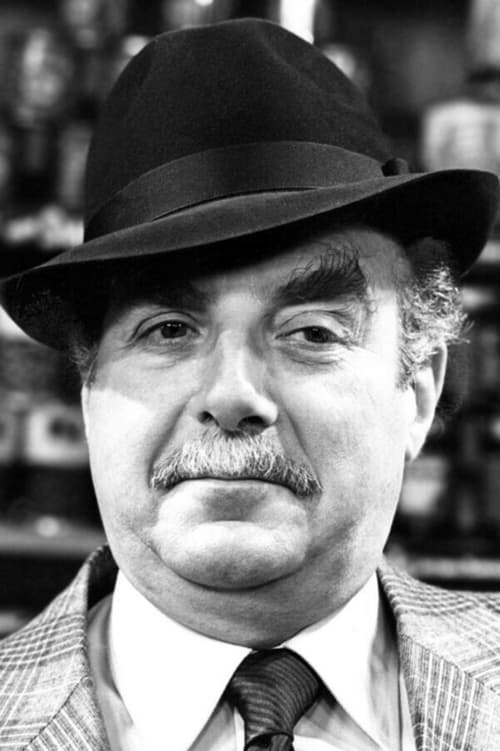
Reginald Marsh was an English character actor who had a long career in both film and television.
The residents of Coronation Street are ordinary, working-class people, and the show follows them through regular social and family interactions at home, in the workplace, and in their local pub, the Rovers Return Inn. Britain's longest-running soap.
A quirky spy show of the adventures of eccentrically suave British Agent John Steed and his predominantly female partners. Jonathan Steed - an urbane, proper gentleman spy - teams with various assistants throughout the series' run, including Dr. David Keel, Cathy Gale, Emma Peel and Tara King, to repeatedly save the world from diabolical schemes plotted by equally diabolical evil-doers (among them robots and man-eating monsters).
Crown Court is an afternoon television courtroom drama produced by Granada Television for the ITV network that ran from 1972, when the Crown Court system replaced Assize courts and Quarter sessions in the legal system of England and Wales, to 1984.
Simon Templar is The Saint, a handsome, sophisticated, debonair, modern-day Robin Hood who recovers ill-gotten wealth and redistributes it to those in need.
Roguish comedy drama following the misadventures of small-time crook Arthur Daley.
An anthology series of television plays which aired on BBC1 from October 1964 to May 1970. The plays were usually written for television, although adaptations from other sources also featured.
Jim Bergerac is a detective sergeant in The Foreigners Office who likes to do things his own way. While dealing with his own personal demons Bergerac has a knack of finding trouble, and sometimes causing it.
Anthology series of dramatic works.
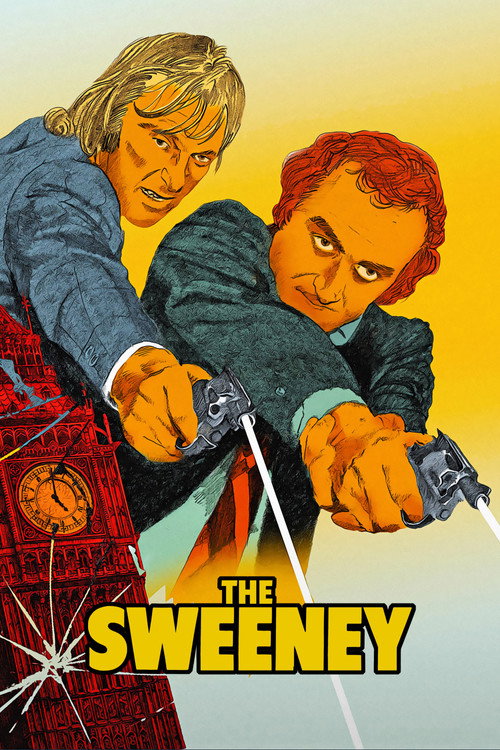
Jack Regan, an unethical officer of the Flying Squad, uses unorthodox methods to pursue criminals with the help of his partner, George Carter.
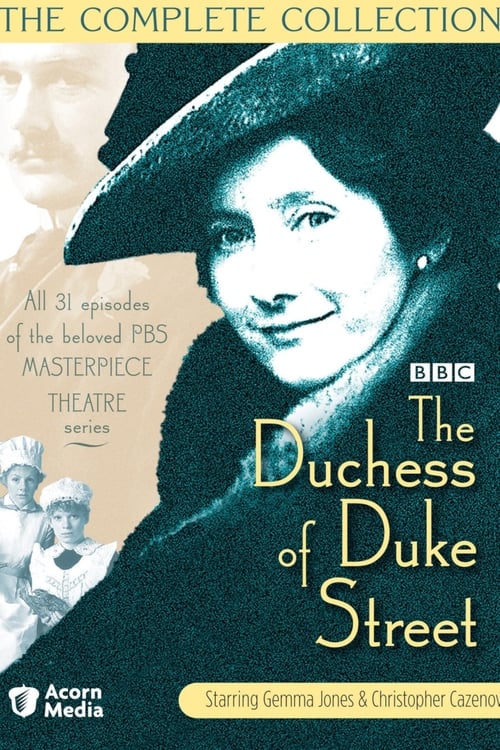
In Victorian London, Louisa Leyton works her way up from servant to renowned cook to proprietress of the upper-class Bentinck Hotel in Duke Street, St James's.
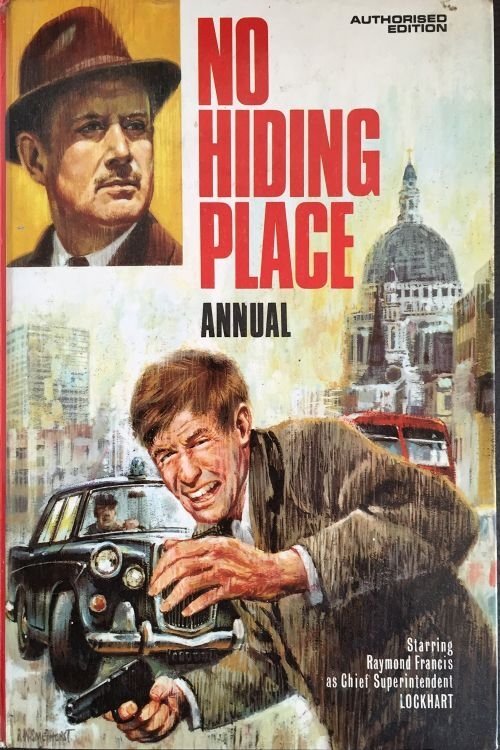
No Hiding Place is a British television series that was produced at Wembley Studios by Associated-Rediffusion for the ITV network between 16 September 1959 and 22 June 1967. It was the sequel to the series Murder Bag and Crime Sheet, all starring Raymond Francis as Detective Superintendent, later Detective Chief Superintendent Tom Lockhart.
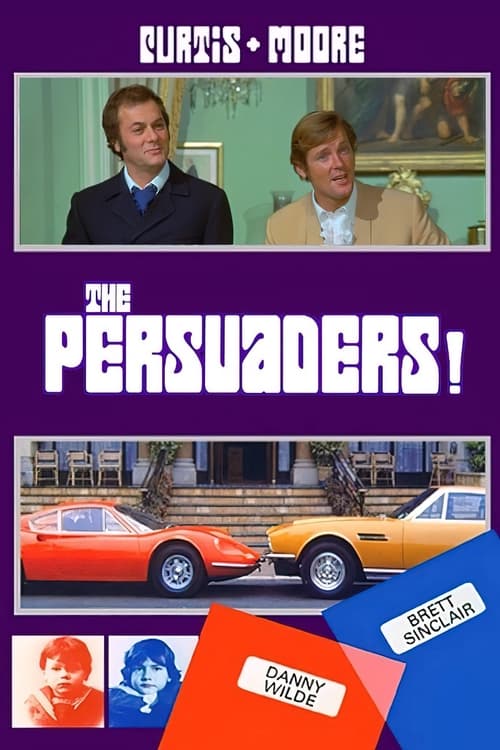
An English aristocrat and an American millionaire come together to tackle crime.
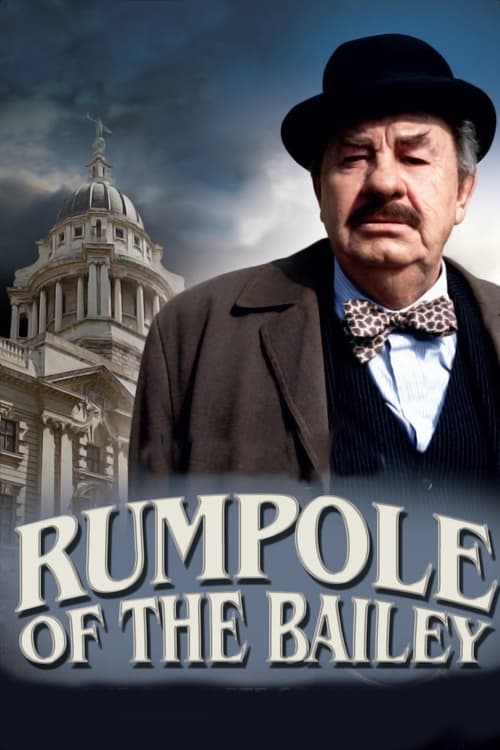
Rumpole of the Bailey is a British television series created and written by the British writer and barrister John Mortimer. It stars Leo McKern as Horace Rumpole, an aging London barrister who defends any and all clients, and has been spun off into a series of short stories, novels, and radio programmes.
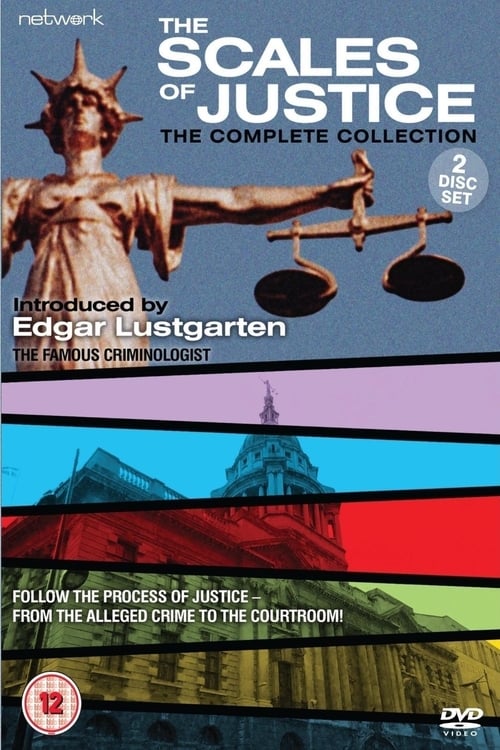
The Scales of Justice is a series of thirteen British cinema featurettes produced from 1962 to 1967 for Anglo-Amalgamated at Merton Park Studios in London. The first nine were made in black and white, and the last four in colour. The finale, Payment in Kind, was Merton Park's final production. Episodes were based on criminal cases, and each film was introduced by criminologist Edgar Lustgarten. The series derives its title from the symbolic scales held by the statue of Justice, situated above the dome of London's Central Criminal Court, The Old Bailey. The opening narration describes her as having "in her right hand, the Sword of Power and Retribution, and in her left – The Scales of Justice".
BBC anthology drama series that ran over four seasons and replaced the previous BBC Sunday Night Theatre series.
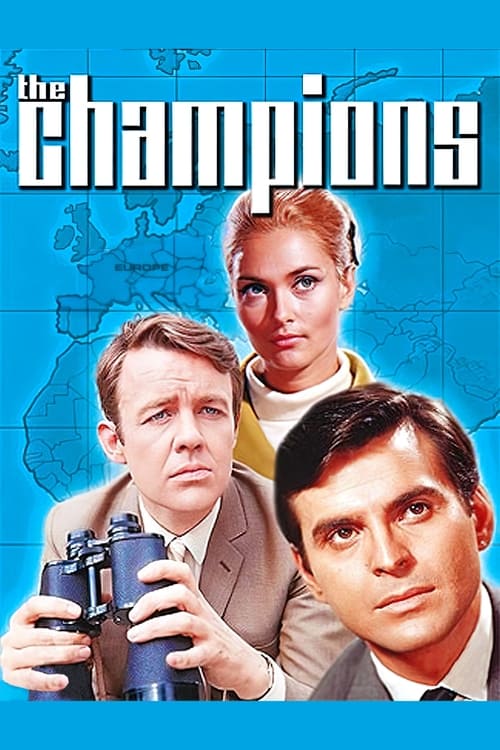
After a plane carrying three Agents crashes in the Himalayas, they are rescued by an advanced civilisation secretly living in Tibet who grant them enhanced versions of the ordinary five senses, and intellectual and physical abilities.
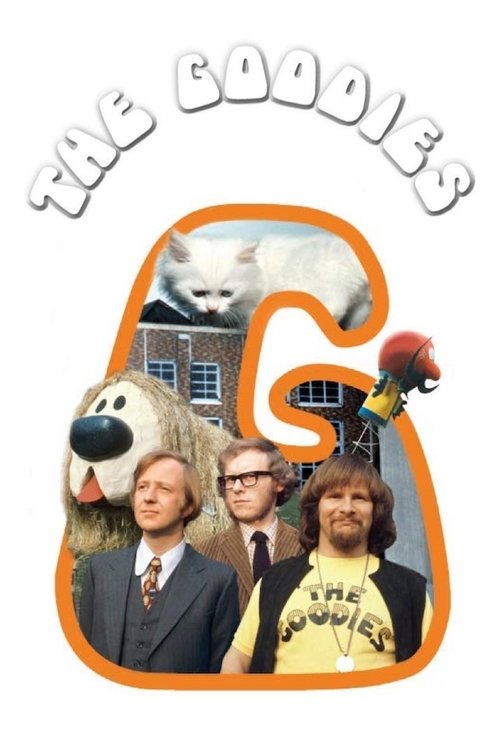
A British television comedy series of the 1970s and early 1980s, combining surreal sketches and situation comedy.
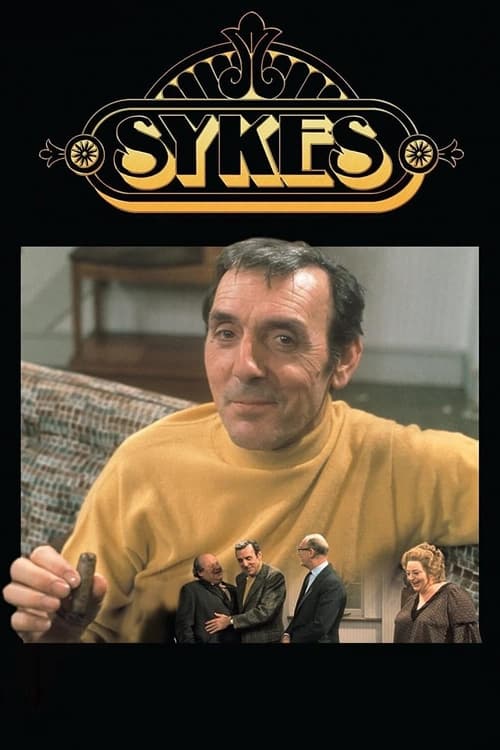
Classic sitcom starring Eric Sykes and Hattie Jacques as brother and sister twins who have to tackle the trials and tribulations of suburban life.
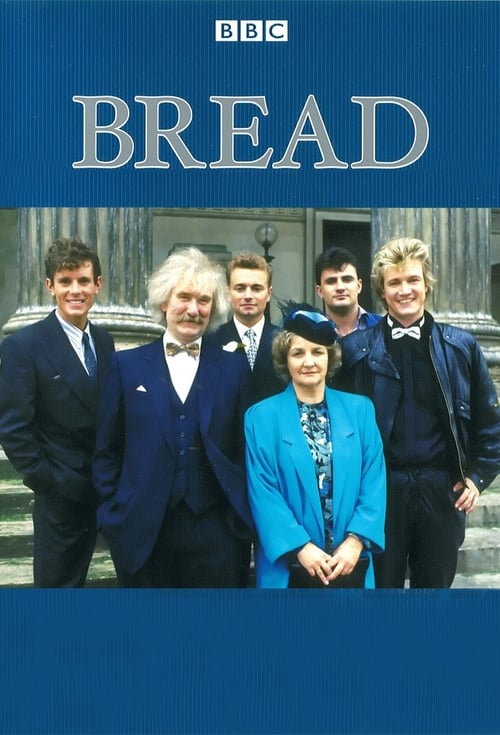
Bread is a British television sitcom, written by Carla Lane, produced by the BBC and screened on BBC1 from 1 May 1986 to 3 November 1991. The series focused on the devoutly-Catholic and extended Boswell family of Liverpool, in the district of Dingle, led by its matriarch Nellie through a number of ups and downs as they tried to make their way through life in Thatcher's Britain with no visible means of support. The street shown at the start of each programme is Elswick Street. A family called Boswell had also featured in Lane's earlier sitcom The Liver Birds and Lane admitted in interviews that the two families were probably related. Nellie's feckless and estranged husband, Freddie, left her for another woman known as 'Lilo Lill'. Her children Joey, Jack, Adrian, Aveline and Billy continued to live in the family home in Kelsall Street and contributed money to the central family fund, largely through benefit fraud and the sale of stolen goods.
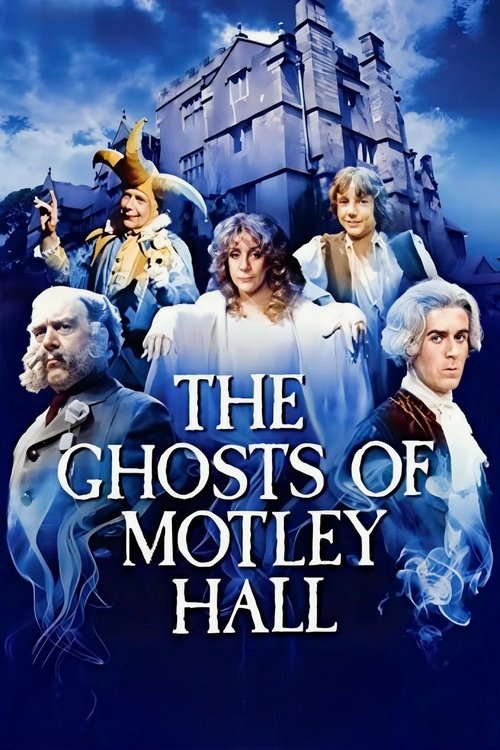
Five ghosts occupy the titular Motley Hall. Each hails from a different era and all—save for newly deceased Matt—are unable to leave the confines of the building.