Samuel Y. Gibbon Jr.
Production
Known For
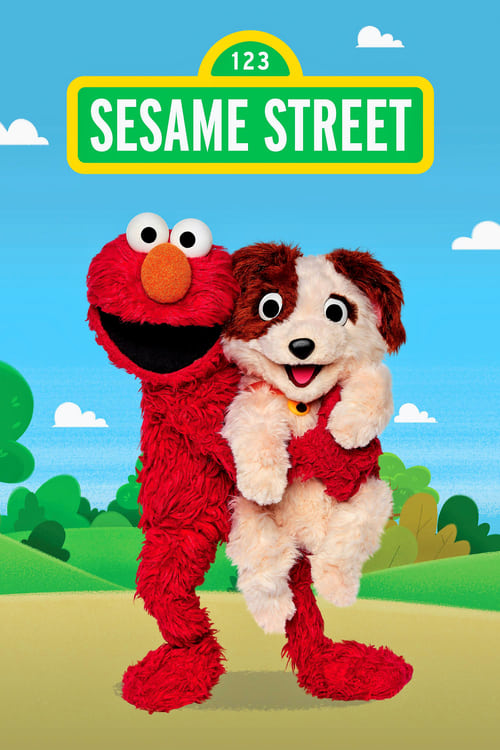
On a special inner city street, the inhabitants—human and muppet—teach preschoolers basic educational and social concepts using comedy, cartoons, games, and songs.
Sesame Street
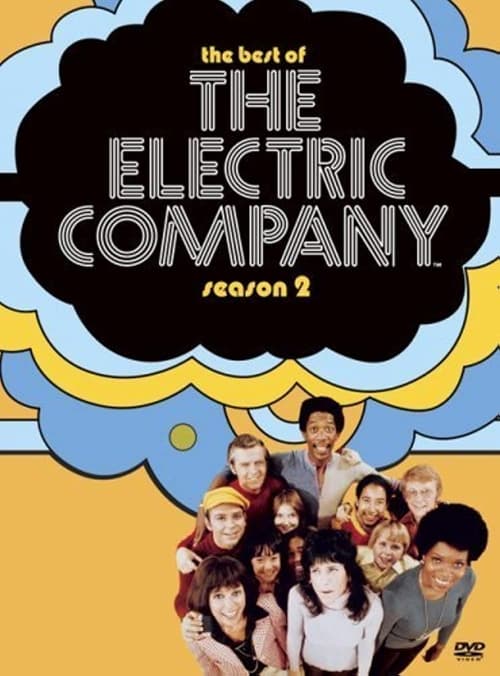
The Electric Company is an educational American children's television series that was produced by the Children's Television Workshop for PBS in the United States. PBS broadcast 780 episodes over the course of its six seasons from October 25, 1971 to April 15, 1977. After it ceased production that year, the program continued in reruns from 1977 to 1985, the result of a decision made in 1975 to produce two final seasons for perpetual use. CTW produced the show at Teletape Studios Second Stage in Manhattan, the first home of Sesame Street. The Electric Company employed sketch comedy and other devices to provide an entertaining program to help elementary school children develop their grammar and reading skills. It was intended for children who had graduated from CTW's flagship program, Sesame Street. Appropriately, the humor was more mature than what was seen there.
The Electric Company
3-2-1 Contact Extra is a collection of documentary‑style specials produced by the Children’s Television Workshop as an extension of the science series 3‑2‑1 Contact. Aired between 1989 and 1992, the specials were designed for older children and teenagers, tackling real‑world issues through science, personal stories, and expert insight. Each episode focused on a single topic—ranging from public health and environmental challenges to adolescence and social pressures—using interviews, on‑location reporting, and first‑person narratives. The series aimed to help young viewers understand complex subjects with clarity, honesty, and practical relevance.