Joshua Shelley
Acting
Biography
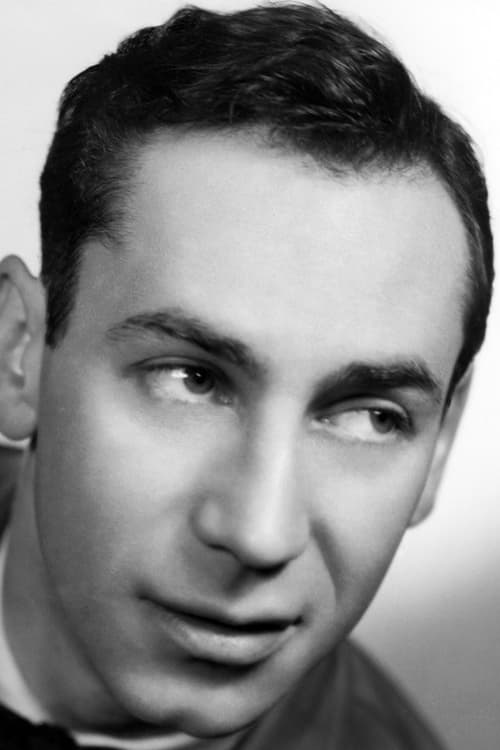
Joshua Shelley (born Joshua Kurzweil; January 27, 1920 – February 16, 1990) was one of the actors blacklisted by movie studios as a result of the House Un-American Activities Committee's (HUAC) investigation of the Communist Party in Hollywood in 1952. He did not begin to again work regularly in Hollywood until 1973 when his career restarted. A member of The Actors Studio from its inception in 1947, Shelley worked frequently on stage, both on and off Broadway, during his Hollywood exile. Shelley's onscreen work, both pre- and post-blacklist, was confined primarily to television. Nonetheless, two career highlights remain Shelley's enthusiastically received 1949 feature film debut in City Across the River, as well as the blacklist-related 1976 film, The Front, notable for reuniting Shelley with several fellow blacklistees, including cast members Zero Mostel, Herschel Bernardi, and Lloyd Gough, screenwriter Walter Bernstein and director Martin Ritt, the latter also a fellow Actors Studio member. From Wikipedia, the free encyclopedia.
Known For

The 4077th Mobile Army Surgical Hospital is stuck in the middle of the Korean war. With little help from the circumstances they find themselves in, they are forced to make their own fun. Fond of practical jokes and revenge, the doctors, nurses, administrators, and soldiers often find ways of making wartime life bearable.
M*A*S*H

An anthology comedy series featuring a line up of different celebrity guest stars appearing in anywhere from one, two, three, and four short stories or vignettes within an hour about versions of love and romance.
Love, American Style

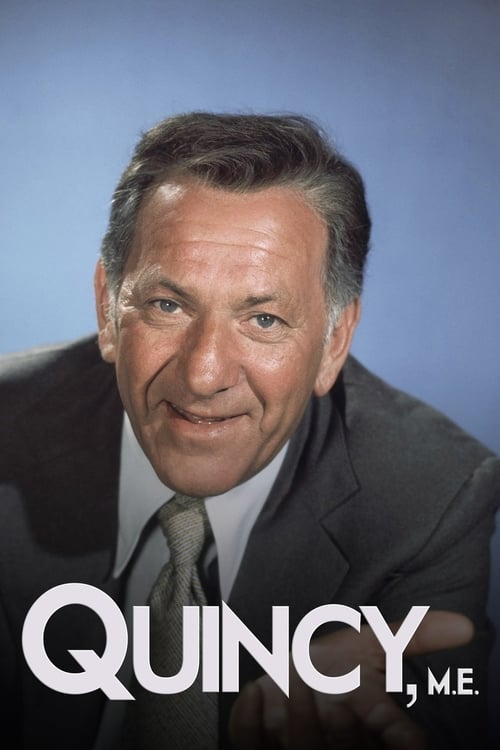
Los Angeles County medical examiner Quincy routinely engages in police investigations.
Quincy, M.E.

Get Smart is an American comedy television series that satirizes the secret agent genre. Created by Mel Brooks with Buck Henry, the show stars Don Adams, Barbara Feldon, and Edward Platt. Henry said they created the show by request of Daniel Melnick, who was a partner, along with Leonard Stern and David Susskind, of the show's production company, Talent Associates, to capitalize on "the two biggest things in the entertainment world today"—James Bond and Inspector Clouseau. Brooks said: "It's an insane combination of James Bond and Mel Brooks comedy." This is the only Mel Brooks production to feature a laugh track. The success of the show eventually spawned the follow-up films The Nude Bomb and Get Smart, Again!, as well as a 1995 revival series and a 2008 film remake. In 2010, TV Guide ranked Get Smart's opening title sequence at No. 2 on its list of TV's Top 10 Credits Sequences, as selected by readers.
Get Smart

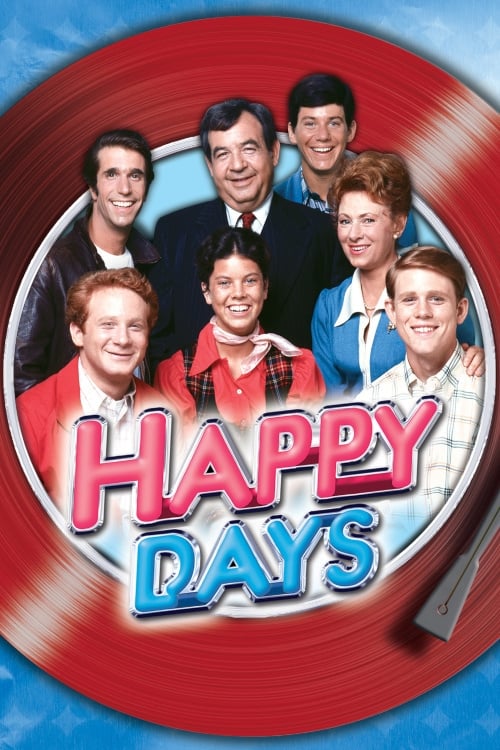
In 1950s Milwaukee the Cunningham family must contend with Fonzie, a motorcycle riding Casanova.
Happy Days

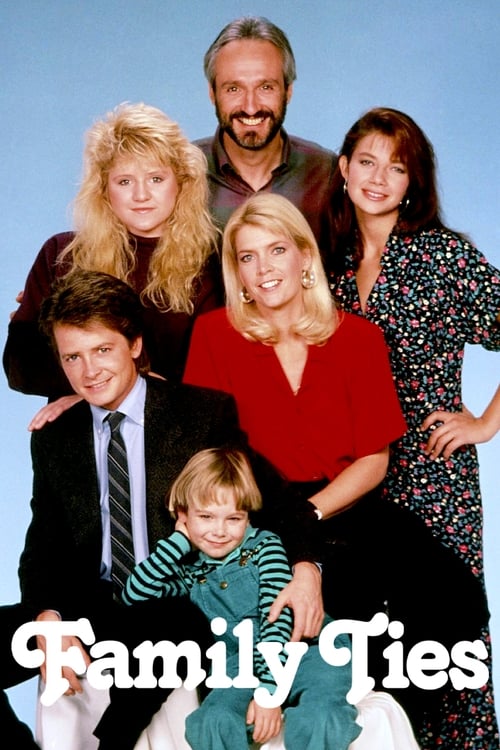
Former 1960s flower children Steven and Elyse Keaton raise their conservative son Alex, daughters Mallory and Jennifer, and later, youngest child Andrew.
Family Ties

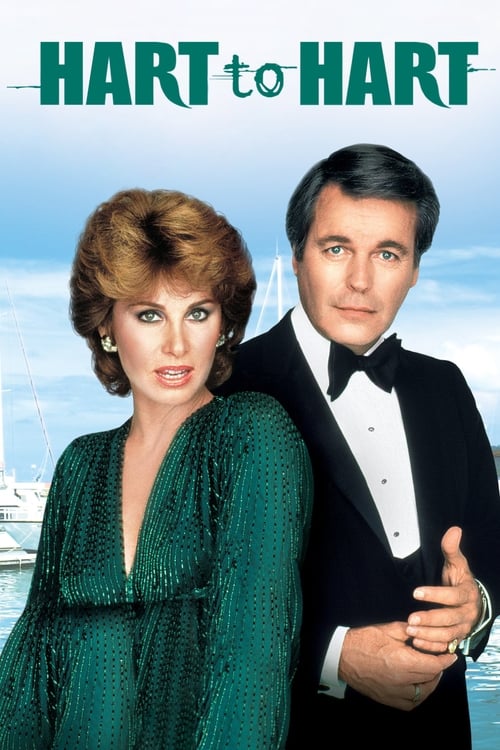
Wealthy couple Jonathan and Jennifer Hart, a self-made millionaire and his journalist wife, moonlight as amateur detectives.
Hart to Hart

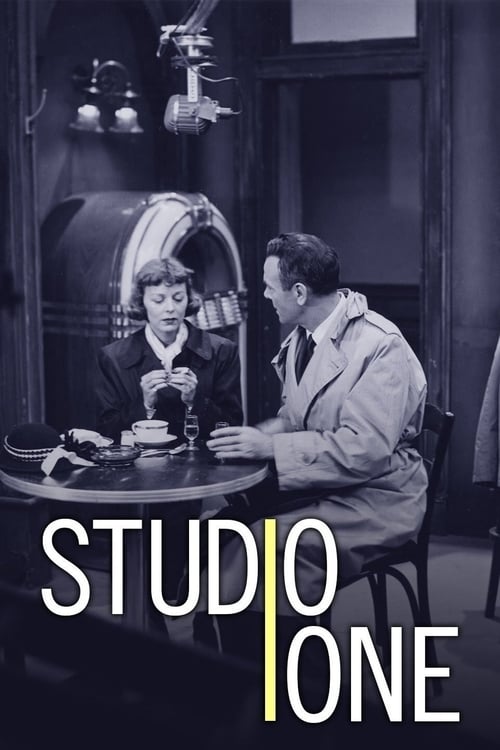
An American radio–television anthology series, created in 1947 by Canadian director Fletcher Markle, who came to CBS from the CBC. Studio One, presented by Westinghouse, was one of the first of the anthology TV programs. The episodes were often abridged remakes of movies from years gone by and many future well-known television and movie actors appeared in the productions.
Studio One

This 1980s revival of the classic sci-fi series features a similar style to the original anthology series. Each episode tells a tale (sometimes two or three) rooted in horror or suspense, often with a surprising twist at the end. Episodes usually feature elements of drama and comedy.
The Twilight Zone

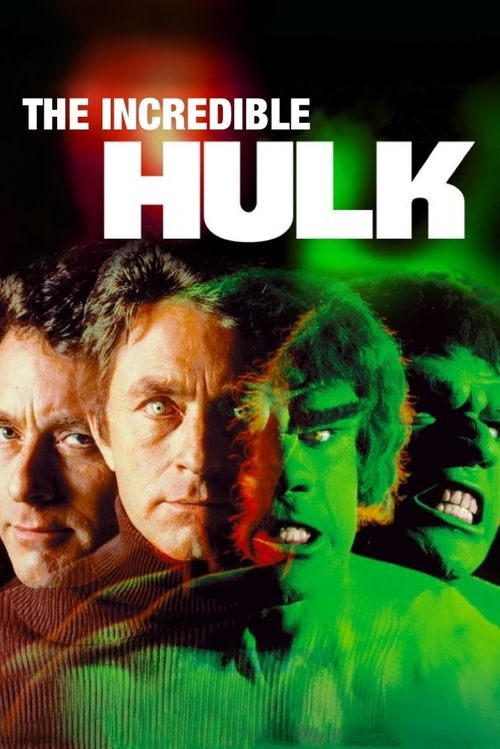
During an experiment gone bad, radiation turns a scientist into a raging green behemoth whenever he becomes agitated. Unable to control his transformations, David Banner searches for a cure as he crosses the country, fugitive-style, with a dogged tabloid reporter on his trail.
The Incredible Hulk

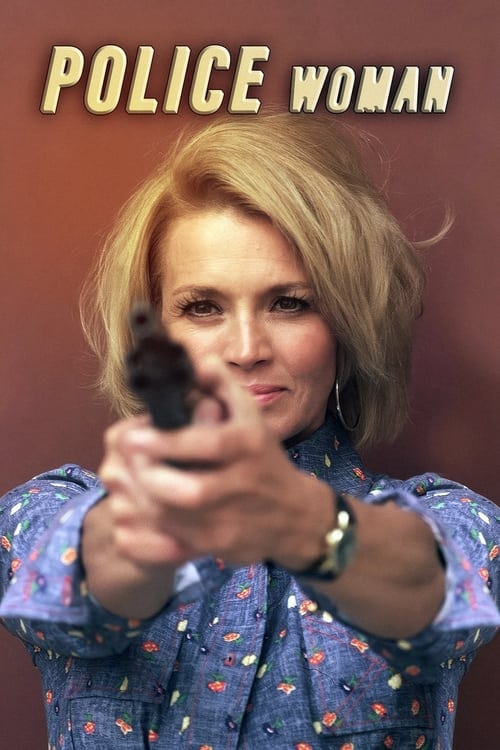
Sergeant “Pepper"” Anderson, an undercover cop for the Criminal Conspiracy Unit of the Los Angeles Police Department, poses undercover from mob girl to prostitute.
Police Woman

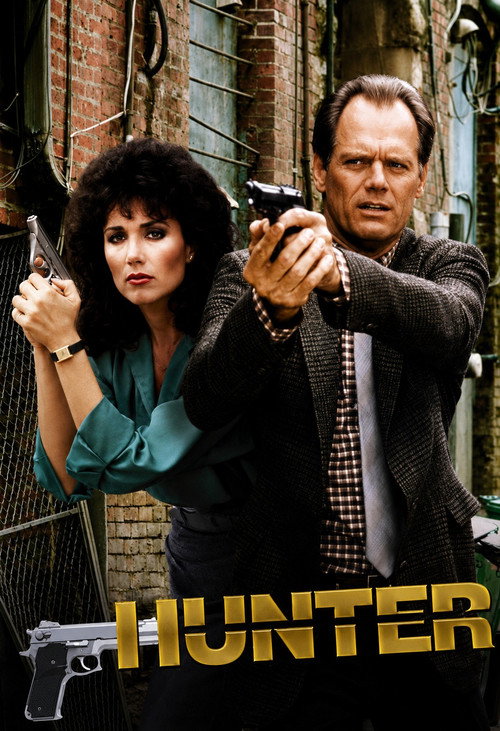
Hunter is an American police drama television series created by Frank Lupo, and starring Fred Dryer as Sgt. Rick Hunter and Stepfanie Kramer as Sgt. Dee Dee McCall, which ran on NBC from 1984 to 1991. However, Kramer left after the sixth season to pursue other acting and musical opportunities. In the seventh season, Hunter partnered with two different women officers. The titular character, Sgt. Rick Hunter, was a wily, physically imposing, and often rule-breaking homicide detective with the Los Angeles Police Department. The show's main characters, Hunter and McCall, resolve many of their cases by shooting dead the perpetrators. The show's executive producer during the first season was Stephen J. Cannell, whose company produced the series.
Hunter

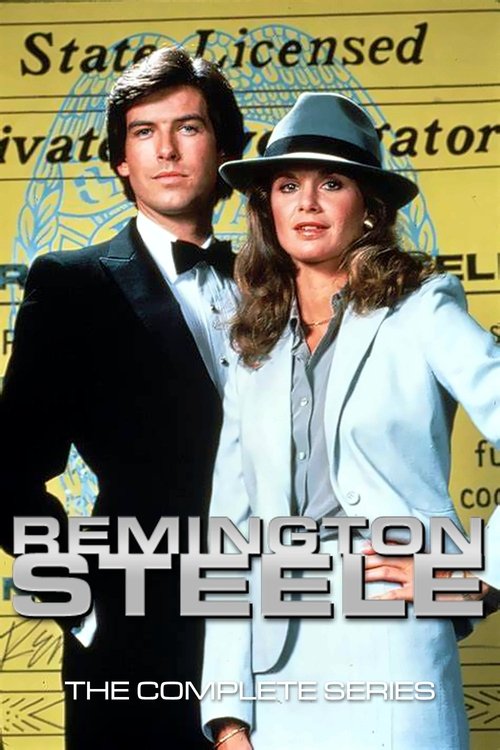
Laura Holt, a licensed private detective, opens a detective agency but finds that potential clients refuse to hire a woman, however qualified. To solve the problem, Laura invents a fictitious male superior whom she names Remington Steele. Through a series of events that unfold in the first episode, "License to Steele," a former thief and con man, whose real name is never revealed, assumes the identity of Remington Steele. Behind the scenes, Laura remains firmly in charge.
Remington Steele

The Ed Sullivan Show is an American TV variety show that originally ran on CBS from Sunday June 20, 1948 to Sunday June 6, 1971, and was hosted by New York entertainment columnist Ed Sullivan. It was replaced in September 1971 by the CBS Sunday Night Movie, which ran only one season and was eventually replaced by other shows. In 2002, The Ed Sullivan Show was ranked #15 on TV Guide's 50 Greatest TV Shows of All Time.
The Ed Sullivan Show

A bald, lollipop sucking police detective with a fiery righteous attitude battles crime in New York City.
Kojak

Felix and Oscar are two divorced men. Felix is neat and tidy while Oscar is sloppy and casual. They share a Manhattan apartment, and their different lifestyles inevitably lead to conflicts.
The Odd Couple

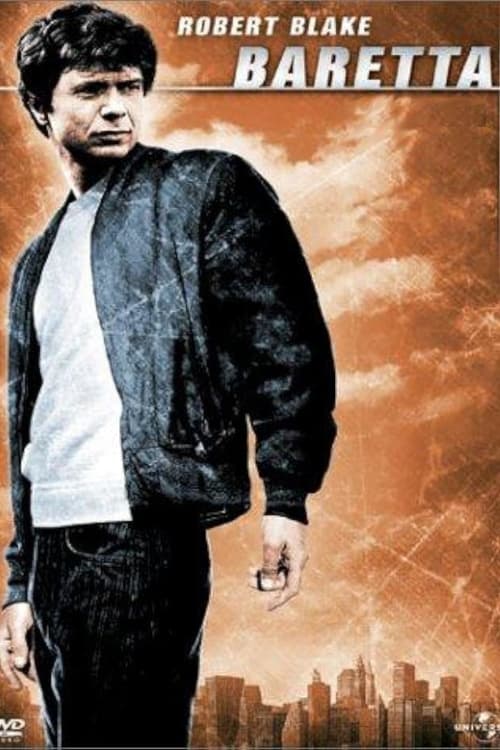
Baretta is an American detective television series which ran on ABC from 1975 to 1978. The show was a milder version of a successful 1973–74 ABC series, Toma, starring Tony Musante as chameleon-like, real-life New Jersey police officer David Toma. While popular, Toma received intense criticism at the time for its realistic and frequent depiction of police and criminal violence. When Musante left the series after a single season, the concept was retooled as Baretta, with Robert Blake in the title role.
Baretta

Deputy Marshal Sam McCloud of the small western town of Taos, New Mexico is assigned to the metropolitan New York City Police Department (NYPD) as a special investigator.
McCloud

Two police officers, the older Lt. Stone and the young upstart Inspector Keller, investigate murders and other serious crimes in San Francisco. Stone would become a second father to Keller as he learned the rigors and procedures of detective work.
The Streets of San Francisco

The antics of a wealthy family, the Tates, and a working-class family, the Campbells, in the fictional town of Dunn's River, Connecticut.