Acting
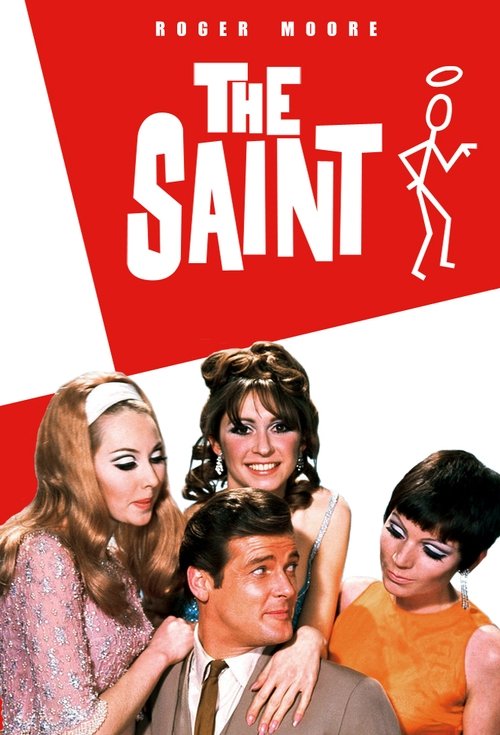
Simon Templar is The Saint, a handsome, sophisticated, debonair, modern-day Robin Hood who recovers ill-gotten wealth and redistributes it to those in need.
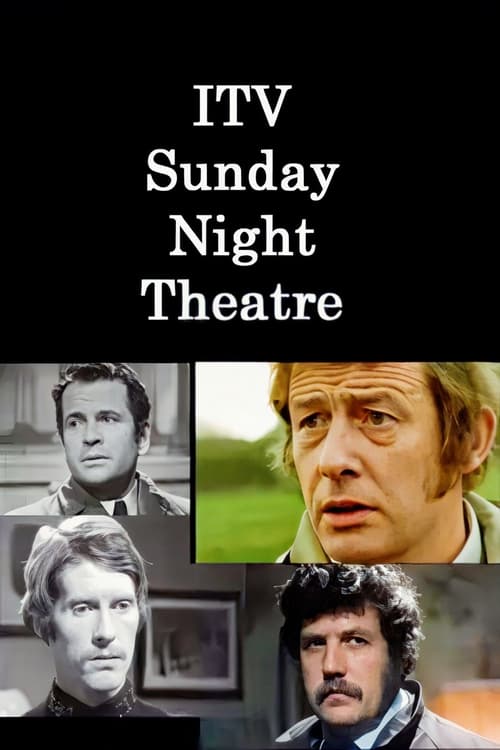
Anthology series of dramatic works.
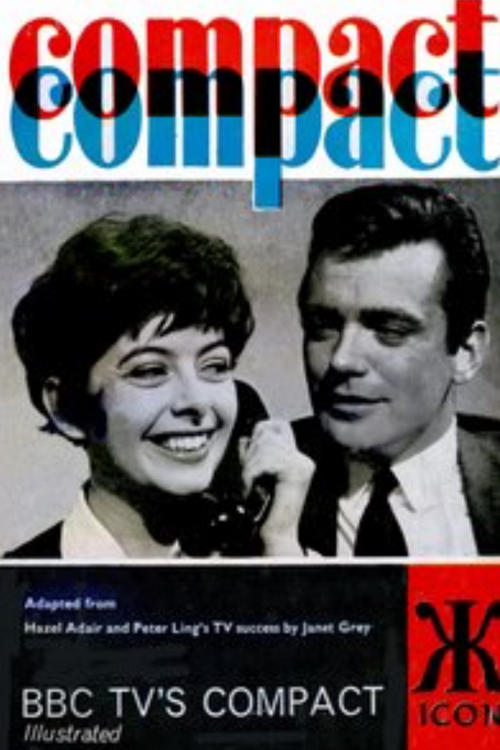
Compact was a British television soap opera shown by the BBC between 1962 and 1965. The series was created by Hazel Adair and Peter Ling, who together went on to devise Crossroads. In contrast to the kitchen sink realism of Coronation Street, Compact was a distinctly middle-class serial, set in the more "sophisticated" arena of magazine publishing. An early "avarice" soap, it took the viewer into the business workplace, and aligned the professional lives of the characters with more personal storylines. The show was scheduled for broadcast on Tuesdays and Thursdays, thus avoiding a clash with ITV's Coronation Street on Mondays and Wednesdays. When Compact began, the editor was a woman, Joanne Minster, yet it was not long before she was replaced by Ian Harmon, the son of the magazine's owner. Despite being largely criticised by reviewers, Compact was popular with the general public, and in 1964 a regular omnibus edition was introduced, broadcast on Sundays. Morris Barry, a some-time actor and BBC director – he directed several Doctor Who stories in the 1960s – took over as producer and was given a brief to spice the series up in view of the criticism it had received from the national press. But the BBC, never comfortable with the concept of soap opera, quietly dropped the series in 1965.
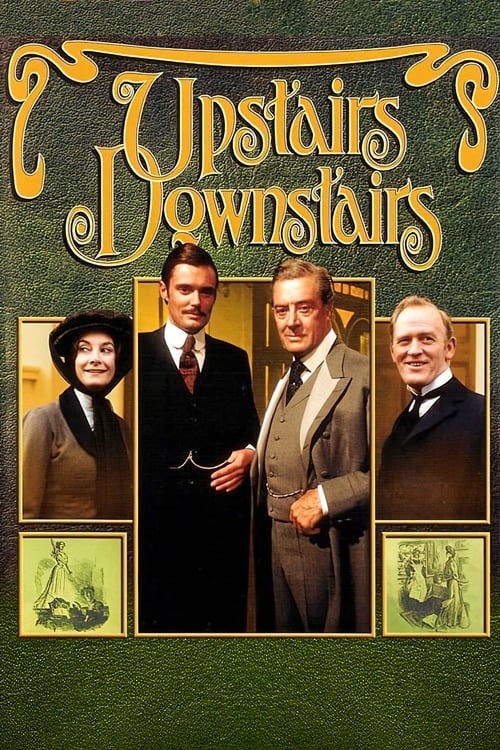
Upstairs: the wealthy, aristocratic Bellamys. Downstairs: their loyal and lively servants. For nearly 30 years, they share a fashionable townhouse at 165 Eaton Place in London’s posh Belgravia neighborhood, surviving social change, political upheaval, scandals, and the horrors of the First World War.
An anthology of short plays shown on BBC Television between 1965 and 1973, used in part at least as a training ground for new writers, on account of its short length, and which therefore attracted many writers who later became well known.
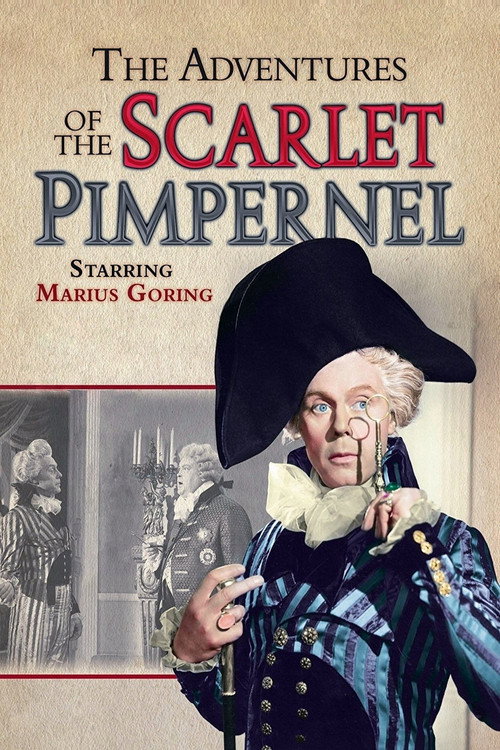
The second collection of short stories written by Baroness Orczy about the gallant English hero, the Scarlet Pimpernel and his League.
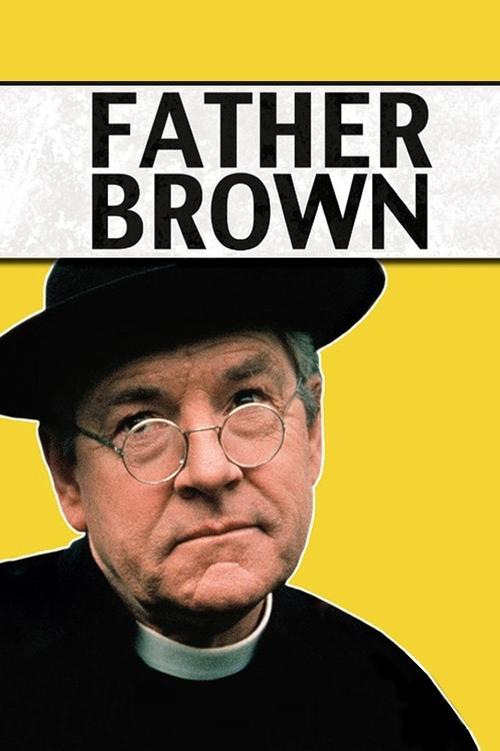
Based on the short stories by G. K. Chesterton, Father Brown is a Roman Catholic priest and amateur detective.
Thursday Theatre is a British television anthology programme produced by and aired on the BBC from 1964–1965. The productions ranged in duration from 75 to 95 minutes. Out of the 23 episodes, 13 are believed lost, and one is incomplete.
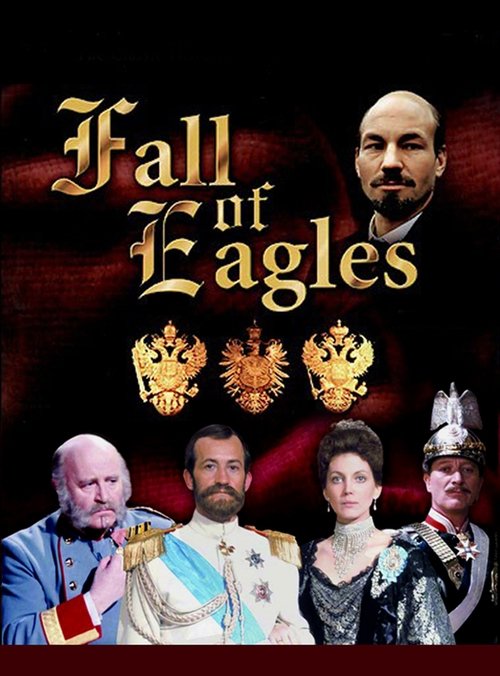
"Fall of Eagles" is a 13-part British television drama aired by the BBC in 1974. The series portrays historical events from 1848 to 1918, dealing with the collapse of the ruling dynasties of Austria-Hungary (the Habsburgs), Germany (the Hohenzollerns) and Russia (the Romanovs).
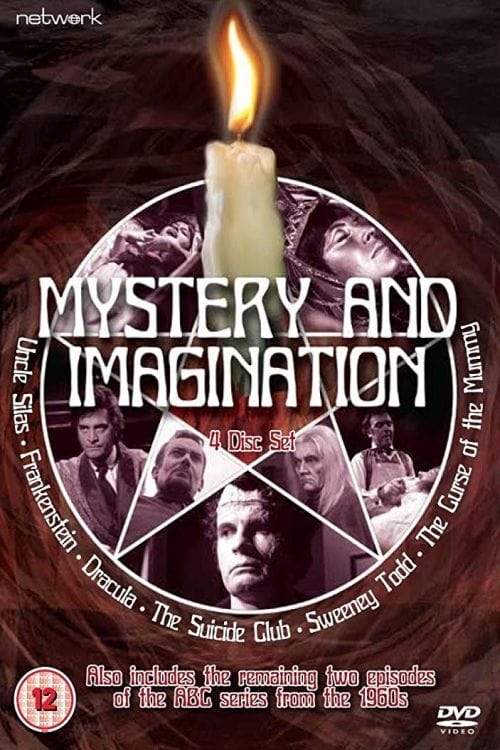
Mystery and Imagination is a British television anthology of classic horror and supernatural dramas. Five series were broadcast from 1966 to 1970 on ITV and produced by ABC and Thames Television.
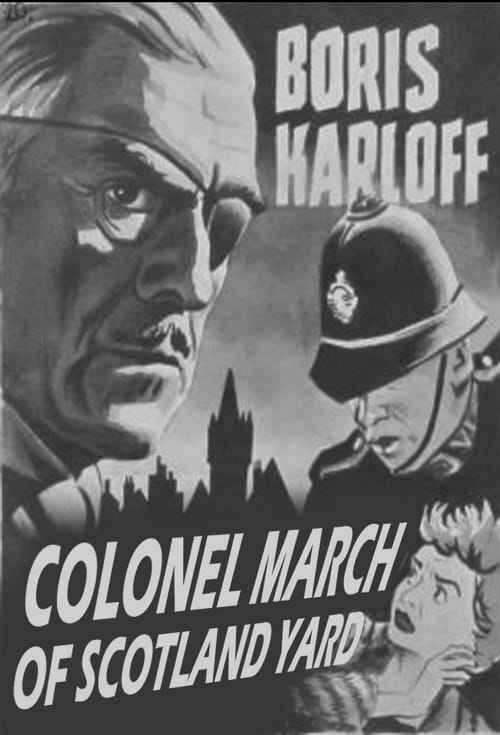
Colonel March of The Department of Queer Complaints investigates unusual cases, locked-room murders, and mysteries concerning the supernatural.
Story Parade specialized in adaptations of modern novels. It was broadcast on June 5, 1964 and repeated on August 28, 1964. The teleplay was by Terry Nation (who invented "Blake's 7" and the Daleks in Dr. Who), and Elijah Baley was played by the late Peter Cushing. It also starred John Carson John Carson as R. Daneel Olivaw and Kenneth J. Warren. The master tapes of the program were erased, however a few clips from the production have turned up in various documentaries about Isaac Asimov's work.
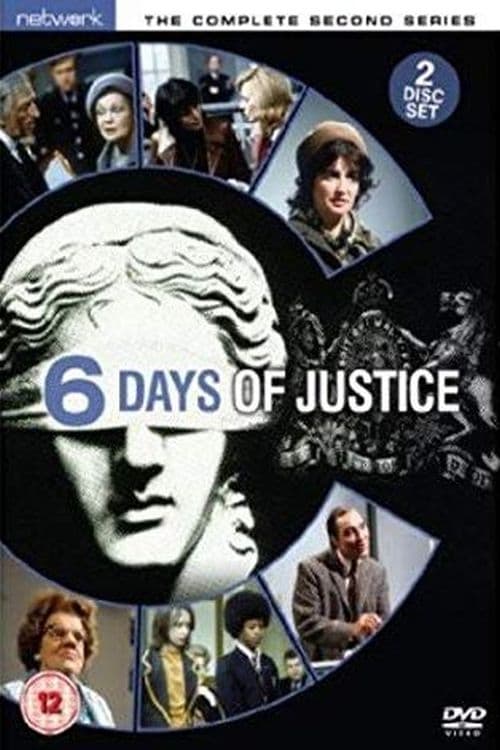
Six Days of Justice is a British television drama anthology series of single plays created by Thames Television and shown on ITV from 1972 to 1975, over four seasons of six episodes apiece.
A series of short plays, all originally published as short stories in the 1920s.
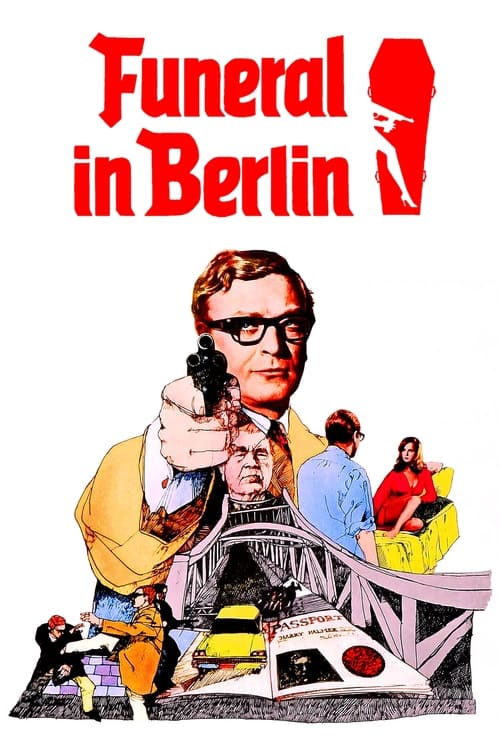
Colonel Stok, a Soviet intelligence officer responsible for security at the Berlin Wall, appears to want to defect but the evidence is contradictory. Stok wants the British to handle his defection and asks for one of their agents, Harry Palmer, to smuggle him out of East Germany.
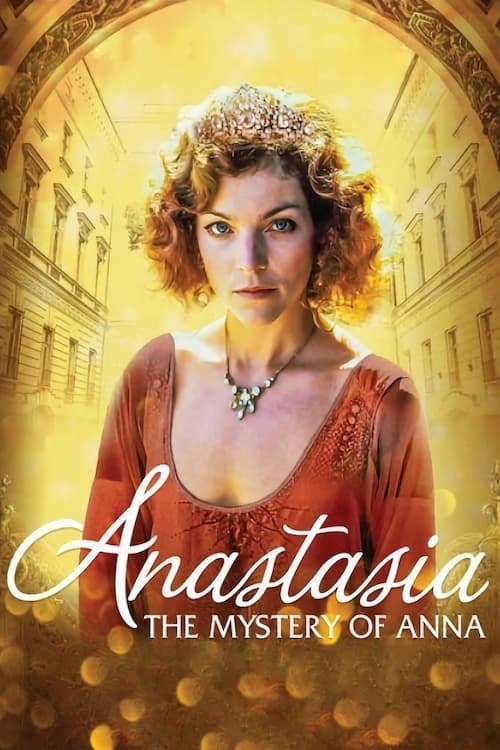
Anastasia: The Mystery of Anna is a 1986 TV movie, starring Amy Irving, Rex Harrison, Olivia de Havilland, Omar Sharif, and Jan Niklas. The film was loosely based on the story of Grand Duchess Anastasia Nikolaevna of Russia and the book The Riddle of Anna Anderson by Peter Kurth. It was Christian Bale's first film and Rex Harrison's last film. It was originally broadcast in two parts.
A collection of one-off thrillers, each ending with a disturbing twist.
Intertwining tales of love, greed, and secret identities in 1860s London.
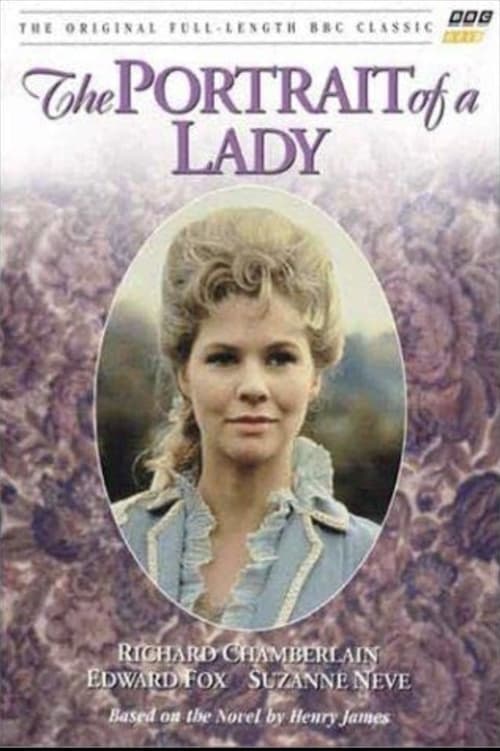
Spirited American heiress Isabel Archer travels to Europe, where she navigates a complex web of relationships, ultimately committing to a fateful marriage to the charming but cruel Gilbert Osmond. This leads to profound disappointment and a tragic realisation of her own choices.
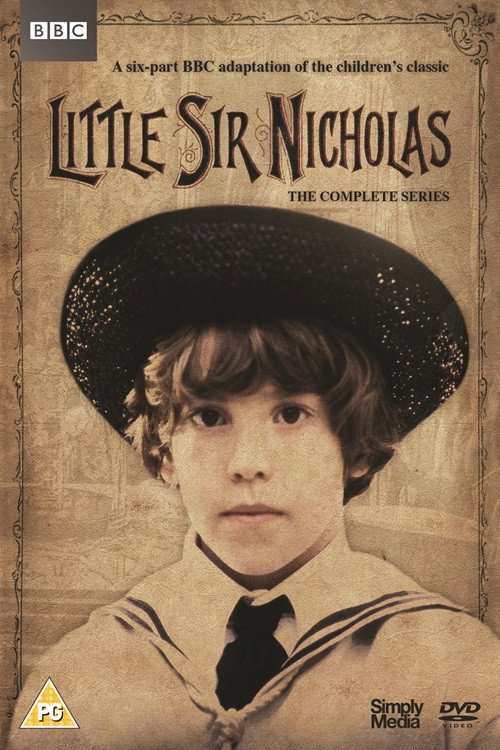
The story follows young Nicholas Tremaine, the heir to the wealthy Tremaine family estate. When Nicholas, along with his parents, Sir Walter and Lady Tremaine, are presumed lost at sea after their ship sinks in a storm, the family believes they have perished. However, unbeknownst to them, Nicholas survives the shipwreck and is washed ashore in a small fishing village in France, where he is taken in and raised by a kind French family.