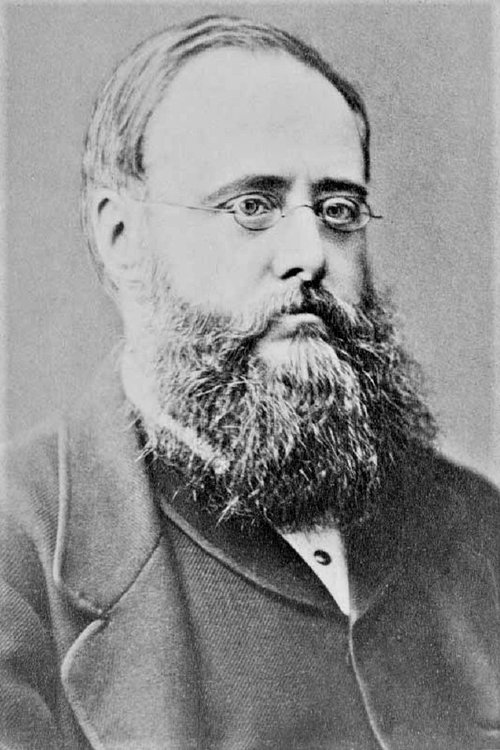
Wilkie Collins
Writing
Biography
Collins was born at 11 New Cavendish Street, Marylebone, London, the son of a well-known Royal Academician landscape painter, William Collins and his wife, Harriet Geddes. Named after his father, he swiftly became known by his middle name, which honoured his godfather, David Wilkie. The family moved to Pond Street, Hampstead, in 1826. In 1828 Collins's brother Charles Allston Collins was born. Between 1829 and 1830, the Collins family moved twice, first to Hampstead Square and then to Porchester Terrace, Bayswater. Wilkie and Charles received their early education from their mother at home. The Collins family were deeply religious, and Collins's mother enforced strict church attendance on her sons, which Wilkie disliked. In 1835, Collins began attending school at the Maida Vale academy. From 1836 to 1838, he lived with his parents in Italy and France, which made a great impression on him. He learned Italian while the family was in Italy and began learning French, in which he would eventually become fluent. From 1838 to 1840, he attended the Reverend Cole's private boarding school in Highbury, where he was bullied by a boy who would force Collins to tell him a story before allowing him to go to sleep. "It was this brute who first awakened in me, his poor little victim, a power of which but for him I might never have been aware... When I left school I continued story telling for my own pleasure", Collins later said. In 1840 the family moved to 85 Oxford Terrace, Bayswater. In late 1840, he left school and was apprenticed as a clerk to the firm of tea merchants Antrobus & Co, owned by a friend of Wilkie's father. He disliked his clerical work but remained employed by the company for more than five years. Collins's first story The Last Stage Coachman, was published in the Illuminated Magazine in August 1843. In 1844 he travelled to Paris with Charles Ward. That same year he wrote his first novel, Iolani, or Tahiti as It Was; a Romance, which was submitted to Chapman and Hall but rejected in 1845. The novel remained unpublished during his lifetime. Collins said of it: "My youthful imagination ran riot among the noble savages, in scenes which caused the respectable British publisher to declare that it was impossible to put his name on the title page of such a novel." It was during the writing of this novel that Collins's father first learned that his assumptions that Wilkie would follow him in becoming a painter were mistaken. William Collins had intended Wilkie for a clergyman and was disappointed in his son's lack of interest. In 1846 he instead entered Lincoln's Inn to study law, on the initiative of his father, who wanted him to have a steady income. Wilkie showed only a slight interest in law and spent most of his time with friends and on working on a second novel, Antonina, or the Fall of Rome. After his father's death in 1847, Collins produced his first published book, Memoirs of the Life of William Collins, Esq., R. A., published in 1848.
Known For

The Flying Doctors is an Australian drama series produced by Crawford Productions that revolved around the everyday lifesaving efforts of the real Royal Flying Doctor Service of Australia. It was initially a 1985 mini-series based in the fictional outback town of Cooper's Crossing starring Andrew McFarlane as the newly arrived Dr. Tom Callaghan. The success of the mini series led to its return the following year as an on-going series with McFarlane being joined by a new doctor, Chris Randall, played by Liz Burch. McFarlane left during the first season and actor Robert Grubb came in as new doctor Geoff Standish. The series' episodes were mostly self-contained but also featured ongoing storylines, such as Dr. Standish's romance with Sister Kate Wellings. Other major characters included pilot Sam Patterson, mechanic Emma Plimpton, local policeman Sgt. Jack Carruthers and Vic and Nancy Buckley, who ran the local pub/hotel, The Majestic. Andrew McFarlane also later returned to the series, resuming his role as Dr. Callaghan. The popular series ran for nine seasons and was successfully screened internationally.
The Flying Doctors
Anthology series of dramatic works.
ITV Saturday Night Theatre
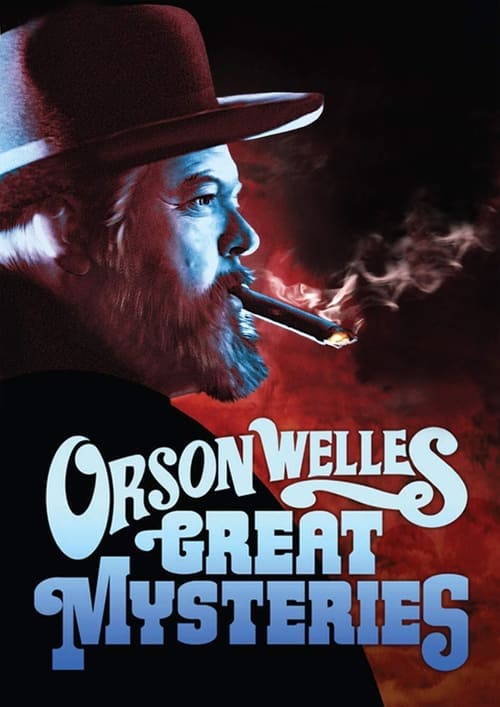
Orson Welles’ Great Mysteries is a British television anthology series produced by Anglia Television for the ITV network and broadcast between 1973 and 1974. The series presents standalone adaptations of classic mystery, crime, and supernatural stories drawn from literary sources including Dickens, Conan Doyle, Wilkie Collins, Balzac, Maugham, O. Henry, and others. Each episode is framed by original introductory and closing sequences performed by Orson Welles, who serves as the series’ host and sole recurring on-screen presence. These segments, written and directed by Welles (uncredited), function as stylized narrative framing devices rather than dramatic participation in the stories themselves. The dramatic content of each episode is performed by separate casts and directors, with no continuing characters or serialized narrative, establishing the series as a unified television anthology rather than a collection of standalone films.
Orson Welles' Great Mysteries
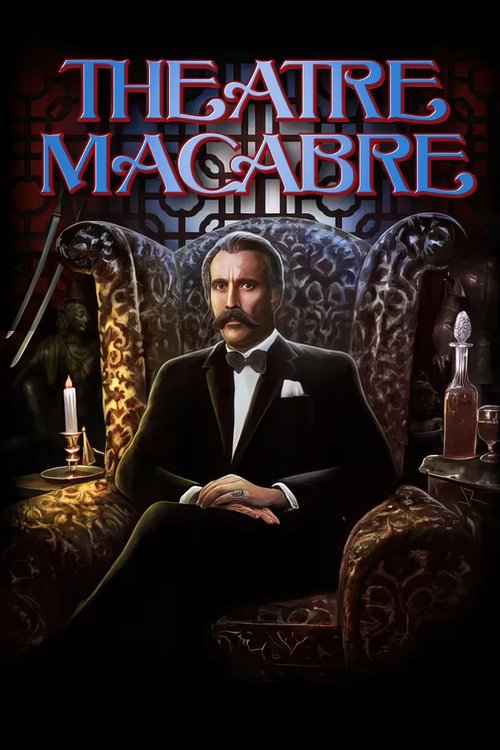
Christopher Lee hosts this horror anthology series from Poland with stories from various classic authors.
Theatre Macabre

The lives of two half-sisters and their drawing master get caught up in a deadly conspiracy revolving around a mentally ill woman dressed all in white.
The Woman in White
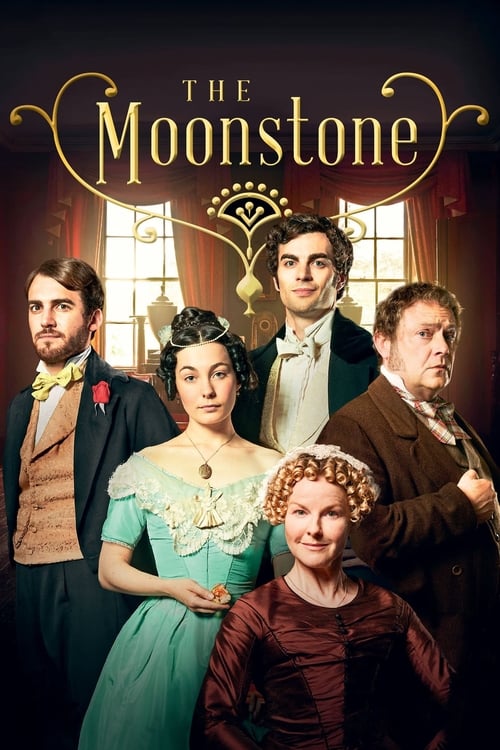
Charismatic adventurer Franklin Blake is on the most important quest of his life - to solve the disappearance of the priceless Moonstone and win back Rachel Verinder, his one true love.
The Moonstone
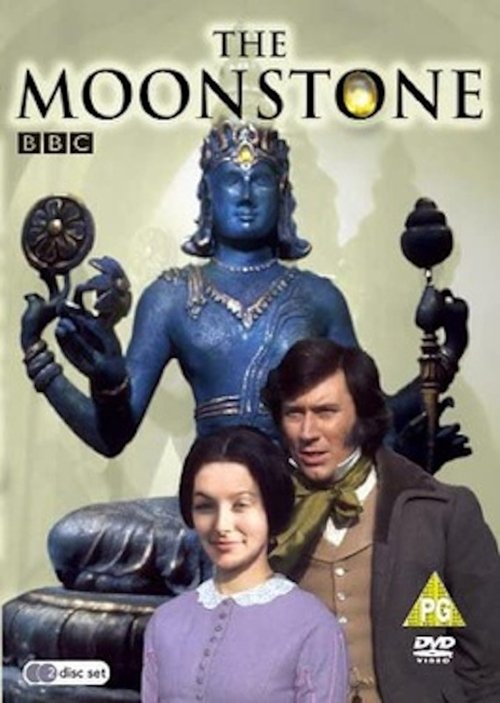
A priceless jewel, originally plundered from a Hindu shrine, is presented to Rachel Verinder on her 18th birthday. The jewel goes missing and suspicion falls over the household, threatening to destroy someone close to Rachel's heart.
The Moonstone
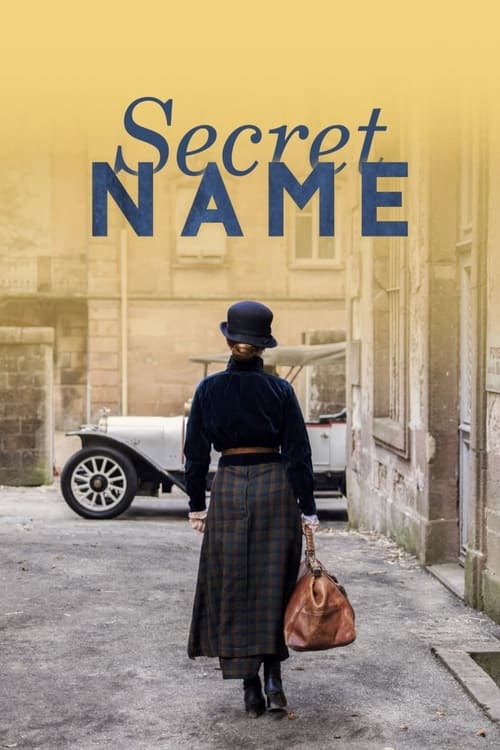
Nelie escaped a miserable existence by becoming a frontline nurse in 1914. One day, she takes the identity of Rose, a young woman from a good family, who dies in front of her. She presents herself in her place at Madame de Lengwil's house, to become the reader of this wealthy woman.
Secret Name
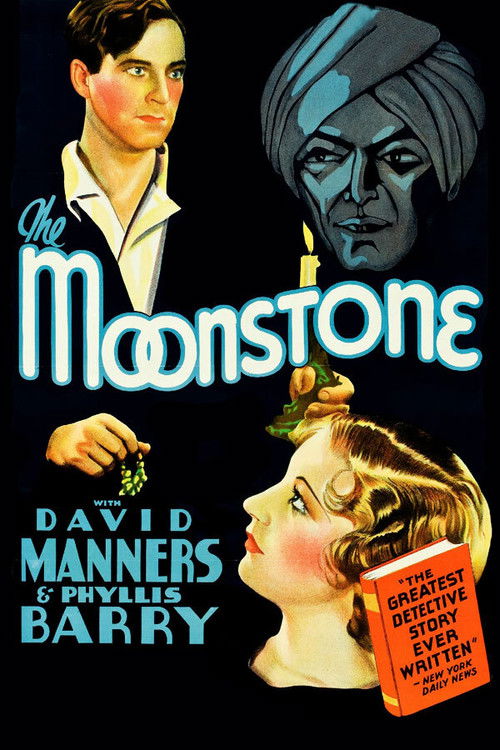
A valuable gem from India is stolen in an old dark mansion and it is up to Scotland Yard inspector Charles Irwin to find out who did it among all the suspects who were in the house.
The Moonstone
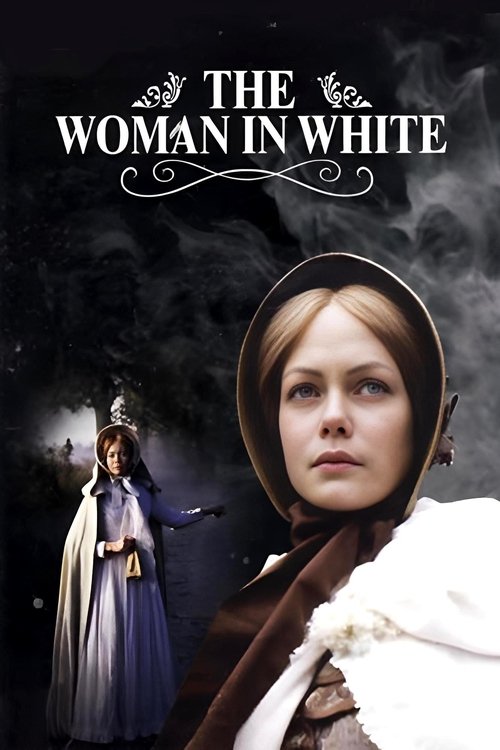
In Victorian England, Laura and her half-sister Marian are entwined in a terrifying web of deceit. Laura's doppelganger, a mysterious woman dressed all in white, may hold the key to unlock the mystery.
The Woman in White
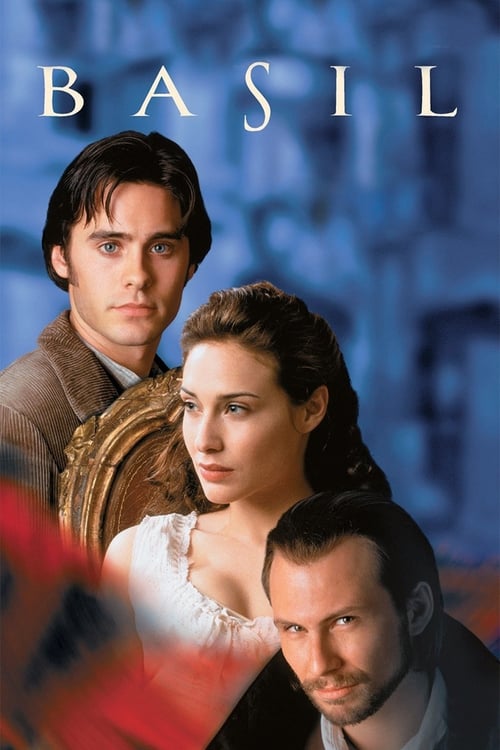
A lonely young aristocrat in turn-of the century England struggles to meet the approval of his over-bearing, class-conscious father while trying to please the selfish woman he loves.
Basil
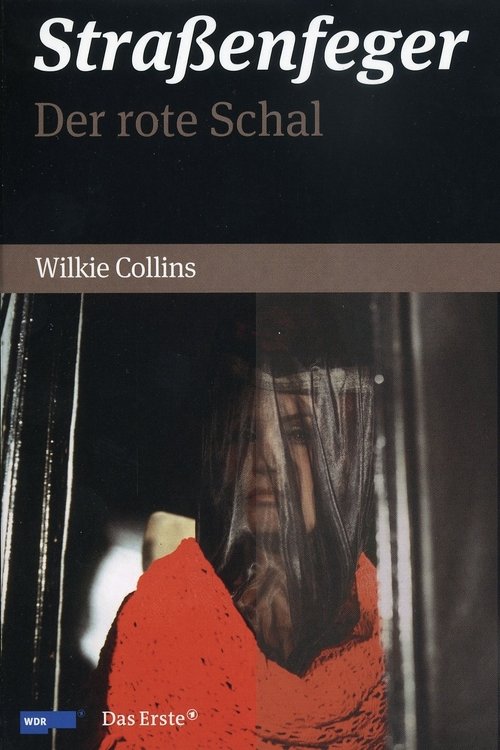
The story is set in Victorian England and revolves around two young men, Allan Armadale and Ozias Midwinter, who are connected by their fathers' dark past. Both fall in love with Lydia Gwilt, the mysterious woman with the red scarf, who has her own sinister plans.
Der rote Schal
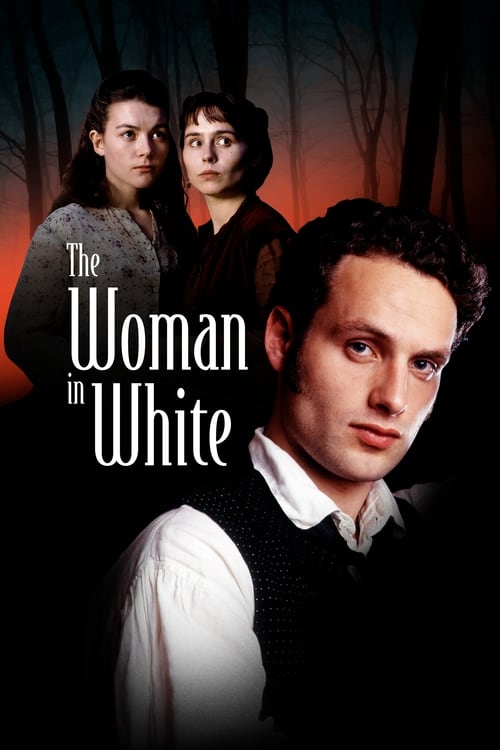
Based upon Wilkie Collins Victorian mystery, the gothic tale tells of a pair of half sisters whose lives end up caught in a grand conspiracy revolving around a mentally ill woman dressed in white. As the story unfolds, murder, love, marriage, and greed stand between the two women and happy lives. Their only hope is the secret the woman in white waits to tell them.
The Woman In White
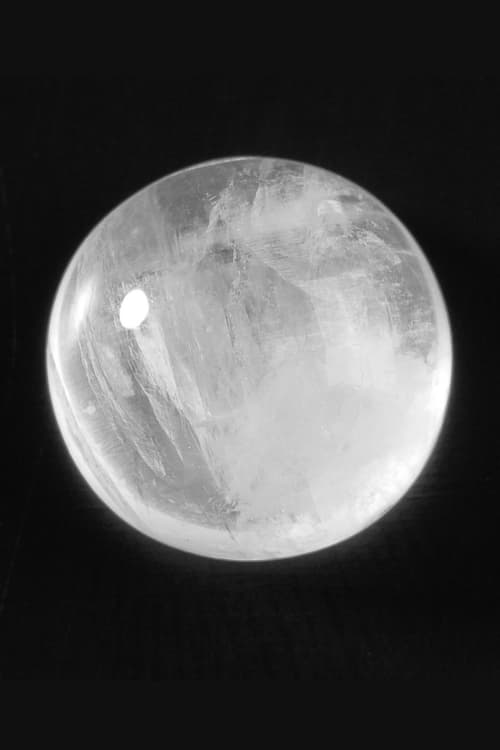
Pursued by three Indian priests after stealing “The Moonstone” a valuable diamond from the eye of an Indian idol Englishman, Hearncastle is found drowned, presumably by the Indians. Possession of the Moonstone passes to his friend Franklin Blake who presents the diamond to his fiancée. However it is stolen and suspicion falls on another girl who loves Blake particularly after she leaves a mysterious note at her suicide. Subsequently, a doctor discovers that Blake walks in his sleep and took the diamond himself while in that state, but then stolen and never recovered. At last, the thief confesses before his death with Blake and his fiancée reuniting.
The Moonstone
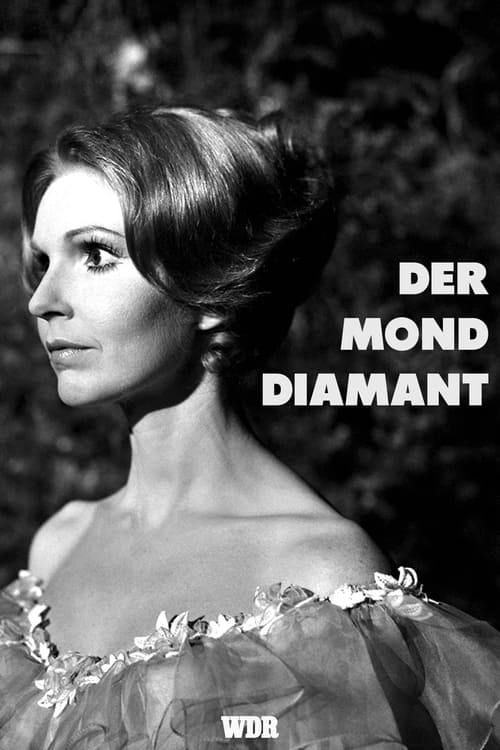
No description available.
Der Monddiamant
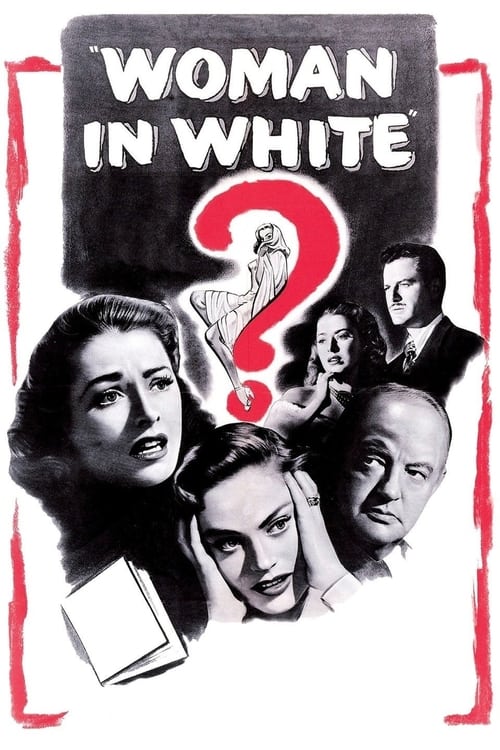
A young painter stumbles upon an assortment of odd characters at an English estate where he has been hired to give art lessons to beautiful Laura Fairlie. Among them are Anne Catherick, a strange young woman dressed in white whom he meets in the forest and who bears a striking resemblance to Laura; cunning Count Fosco, who hopes to obtain an inheritance for nobleman Sir Percival Glyde, whom he plans to have Laura marry; Mr. Fairlie, a hypochondriac who can't stand to have anyone make the slightest noise; and eccentric Countess Fosco who has her own dark secret. The artist also finds himself drawn to Marion Halcomb, a distant relation to Laura for whom the Count also has plans.
The Woman in White
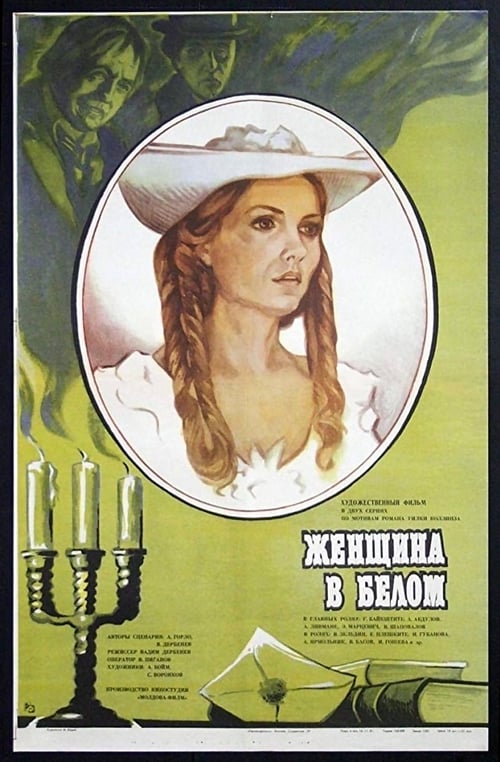
A detective-mystery film based on the novel of the same name by Wilkie Collins, which takes place in the middle of the last century in Victorian England. The young aspiring artist gets a place as a teacher of painting on the estate of land-owner Fairlie, where his sisters Marian and Laura become his students. Returning home late in the evening, he unexpectedly meets a strange woman, dressed head-to-toe in white on a deserted road...
The Woman in White
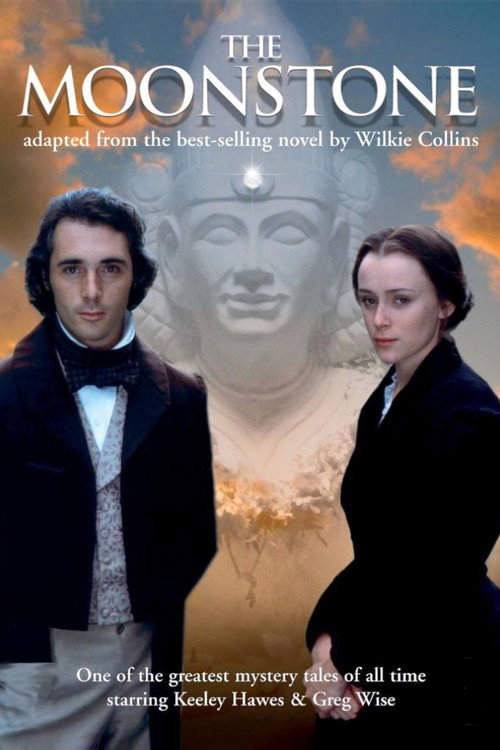
Greg Wise (Sense and Sensibility) and Keeley Hawes (Karaoke) star in this sumptuous adaptation of Wilkie Collins' classic mystery, the first detective novel ever written. The Moonstone, a sacred Hindu diamond was stolen from the head of the Moon God, in its shrine by John Herncastle in 1799. The stone is said to be cursed if it is removed from the shrine. In 1848, a man named Franklin Blake announces to Rachel that the Moonstone has been bequeathed to her by Herncastle. Blake gives her the jewel on her birthday and offers to mount the jewel for her, in order that she might wear it. Inevitably, the jewel is found missing the next morning and Rachel believes Blake stole it. Determined to prove his innocence, Blake leaves in order to pursue the real truth behind the theft.
The Moonstone
Following a promise she made to her father on his deathbed, Laura Fairlie go to Scotland with Sir Percival Glyde to his mysterious mansion to be married. Once there, many strange and disturbing things happen. She meets a girl who has been a victim of Sir Percival's scheming in order to get her fortune.
The Woman in White
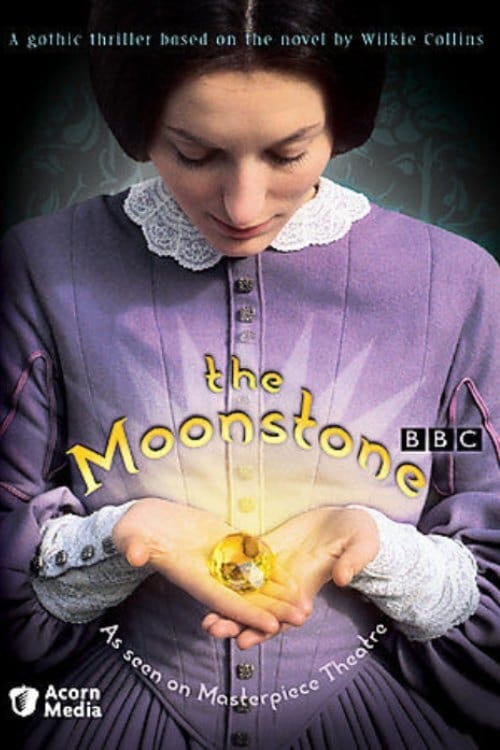
Adaptation of the classic novel. A priceless jewel, originally plundered from a Hindu shrine, is presented to Rachel Verinder on her 18th birthday. The jewel goes missing and suspicion falls over the household, threatening to destroy someone close to Rachel's heart.