Acting
Marcin Kwaśny is a Polish actor. He is a graduated of the Warsaw Theatre Academy.
No description available.
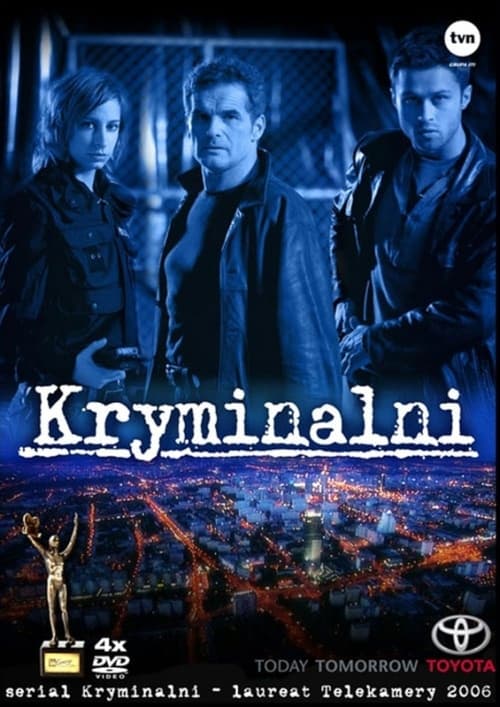
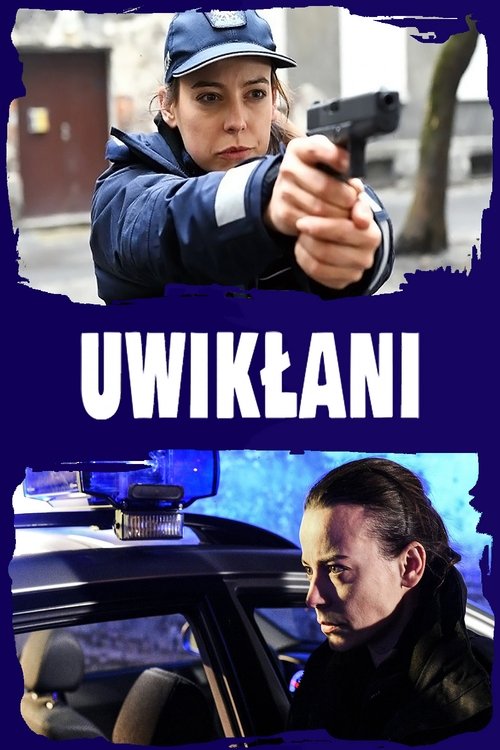
Kryminalni was a Polish crime drama television series that aired on TVN network from September 18, 2004 until May 24, 2008. It ran for 8 seasons and 101 episodes were broadcast in total. It was created by Polish director and screenwriter Piotr Wereśniak and produced by MTL Maxfilm studio. The series followed life and work of police officers from the elite Criminal Terror and Murders Division of the Warsaw Metropolitan Police; the title refers to police officers in the crime section. The three main characters were Adam Zawada, an experienced, tough cup, his younger colleague Marek Brodecki and Barbara Storosz, an ambitious female officer who in the first season joins the team just after graduating. Although none of the main actors had had star status before the series debuted, all three of them rose to prominence and popularity during the 5-year-long run. Many of Poland's best known actors guest starred, usually playing roles of people involved in just one particular investigation. The serial was one of the most popular in Poland: each week it had an audience of 4 million.
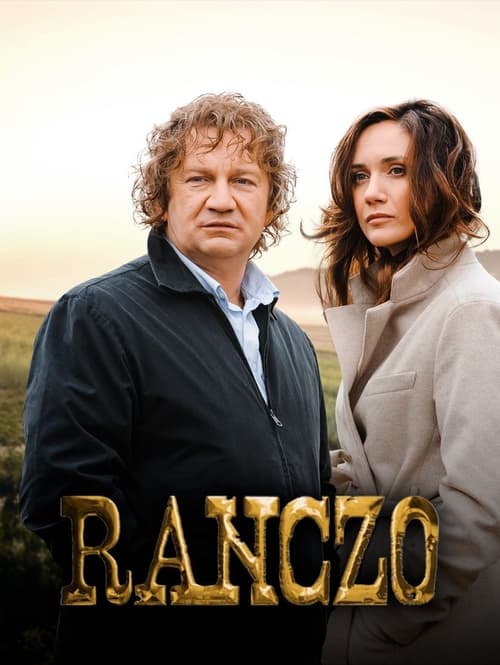
Ranczo ["Ranch"] is a Polish television comedy series, directed by Wojciech Adamczyk, that has aired since March 2006 on TVP1. It follows the story of Lucy Wilska, a Polish-American who has inherited her grandmother's country home in the fictional small town of Wilkowyje. She arrives in Wilkowyje intent on selling the cottage but, after seeing the charm of the village, decides to stay.
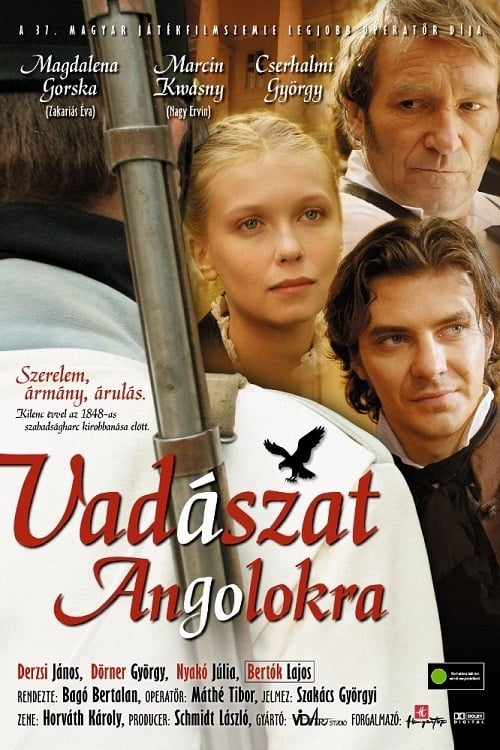
1839. The discontented noblemen assemble at the country estate of count Gábor Falussy, on the pretext of a boar hunt. Also an English engineer arrives for the sake of constructing the railway line leading up to the count’s quarry.
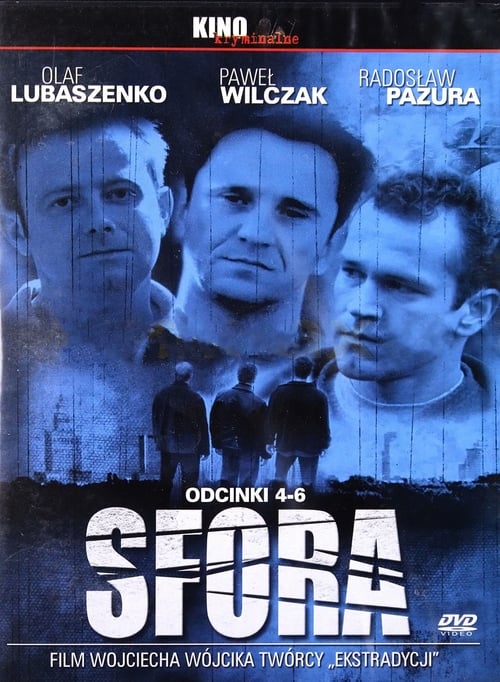
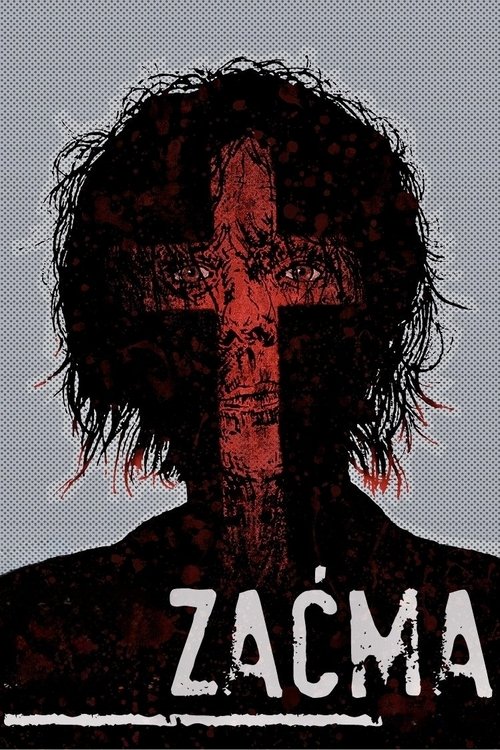
The dark world of crime: murders, racketeering, drugs, kidnappings. There are no rules here. Working in this world makes cops cynical and ruthless. There is a fine line between them and criminals - will any of them cross it? The main characters are officers from the Department for Counteracting Criminal Terror and Homicides. The action of the series is an extension of the threads that appear in the feature film. It presents in a realistic way the brutal and dark world of crime that officers encounter on a daily basis. They're not just tracking down murderers. They fight racketeering, kidnapping, drug trafficking while struggling with their own day to day life and problems.
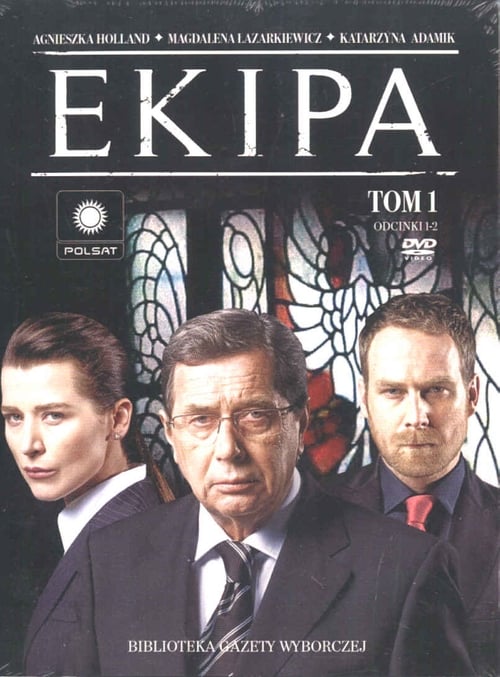
Ekipa is a Polish political drama TV series created and directed by Agnieszka Holland, aired from 13 September 2007 until 6 December 2007 on Polsat. Ekipa is the second Polish political fiction series after the 1980s miniseries The Career of Nicodemus Dyzma.
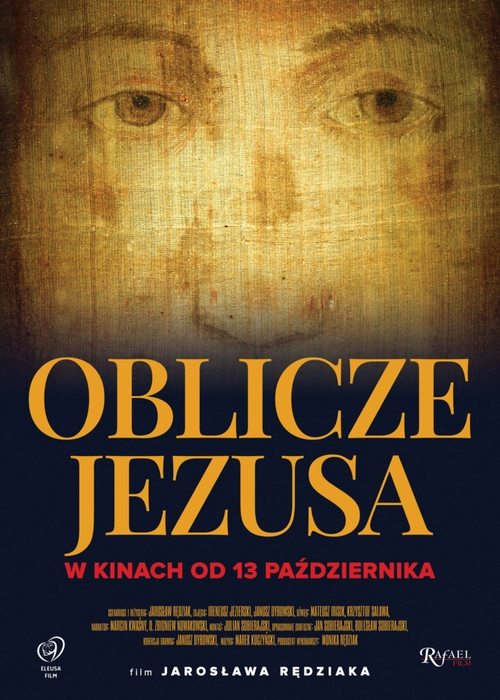
Can we see the face of the invisible God? On the Veil of Manoppello and the Shroud of Turin, did the Savior leave us His image? Did Jesus want us to be able to see the Divine Face already here on earth? We see people who for the Face of Jesus change their lives, do great works and humbly serve others. We discover the multifaceted spirituality of mystics who built it on special veneration of the Divine Face, saints who saw great value in contemplating the face of the Savior. "The Face of Jesus" ceases to be an ordinary film story. It becomes an encounter for the viewer! Look into the eyes of God, let yourself be captivated by His gaze and feel His love.
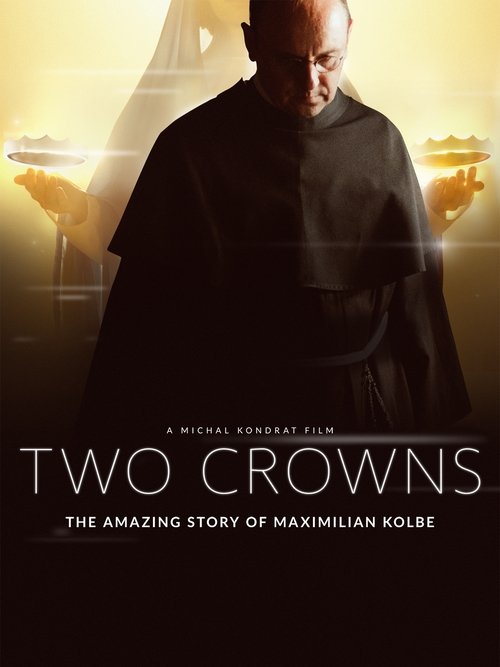
The extraordinary true story of St. Maximilian Kolbe, a Polish Catholic priest who volunteered to die in place of another man in Auschwitz during World War II.
The love between Mateusz Krol, a Kashubian boy, and Marita von Krauss, a Prussian aristocrat in whose family home he is taken in when his mother dies, grows and matures thorough the years, while Kashubia, the northern Polish region where they live, suffers the consequences of the tragedies that will ravage Europe from the beginning of the 20th century until the end of the World War II.
Thermidor is a play about the turning point of Jacobin government, when terror, used as a tool to fix the world, goes beyond any measure. Robespierre is being perceived as a dogmatist striving for dictatorship. A conspiracy is being born against him in the Committee.
Recreation of facts and stories of both experts and people who met Maximilian Kolbe and were shocked by his words and actions.
The film "Pilecki" is a fictionalized documentary depicting the story of Witold Pilecki, from his youth through action during World War II, up to the imprisonment and death in May 1948.
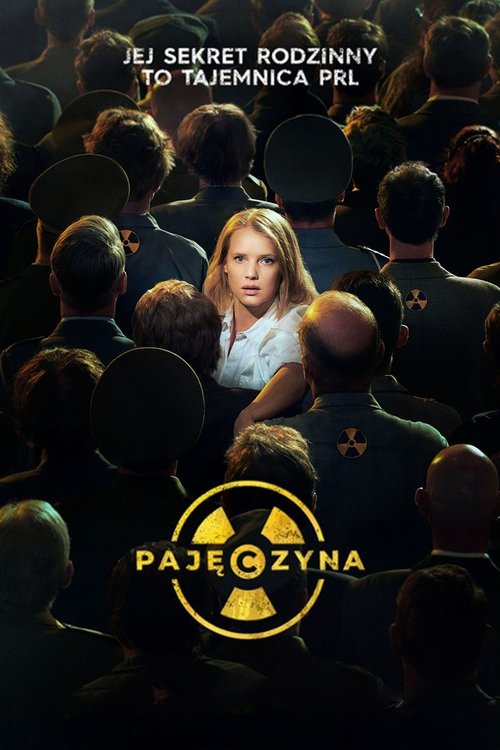
Tells the story of Cornelia Titko, a brave scientist with remarkable memory, whose childhood was destroyed by the premature death of her parents and older sister. Cornelia's mother, Teresa Titko, was an outstanding nuclear physicist; in the Gierek nuclear program, she played the role of the right hand of its creator, general-professor Grzegorz Giedrowicz. Years later, a mysterious man appears in Cornelia's life, claiming that he was once accused of murdering her sister. The heroine begins a private investigation. Who is the mysterious man and what really connects him with the death of Cornelia's two closest women? What price will she be charged for trespassing into forbidden territories? What role in this history were played by the officers of the PRL counterintelligence - Captain Ewa Wolańska and Second Lieutenant Tadeusz Mróz? Who wanted Poland not to join the small group of countries that counted in the nuclear race?
A little known episode from the life of Stalinist security police office Julia Brystiger. Her nickname Bloody Luna was a reference to her incredibly brutal methods of interrogation. In the early 1960s, she appears in a centre for the blind on the outskirts of Warsaw, a place often visited by Cardinal Wyszyński, whose imprisonment in 1953-1956 Brystiger supervised personally. During a difficult and heated discussion with the cardinal, Brystiger denounces the communist ideology and begs for forgiveness for her crimes and for guidance in her search for God.